Kansai
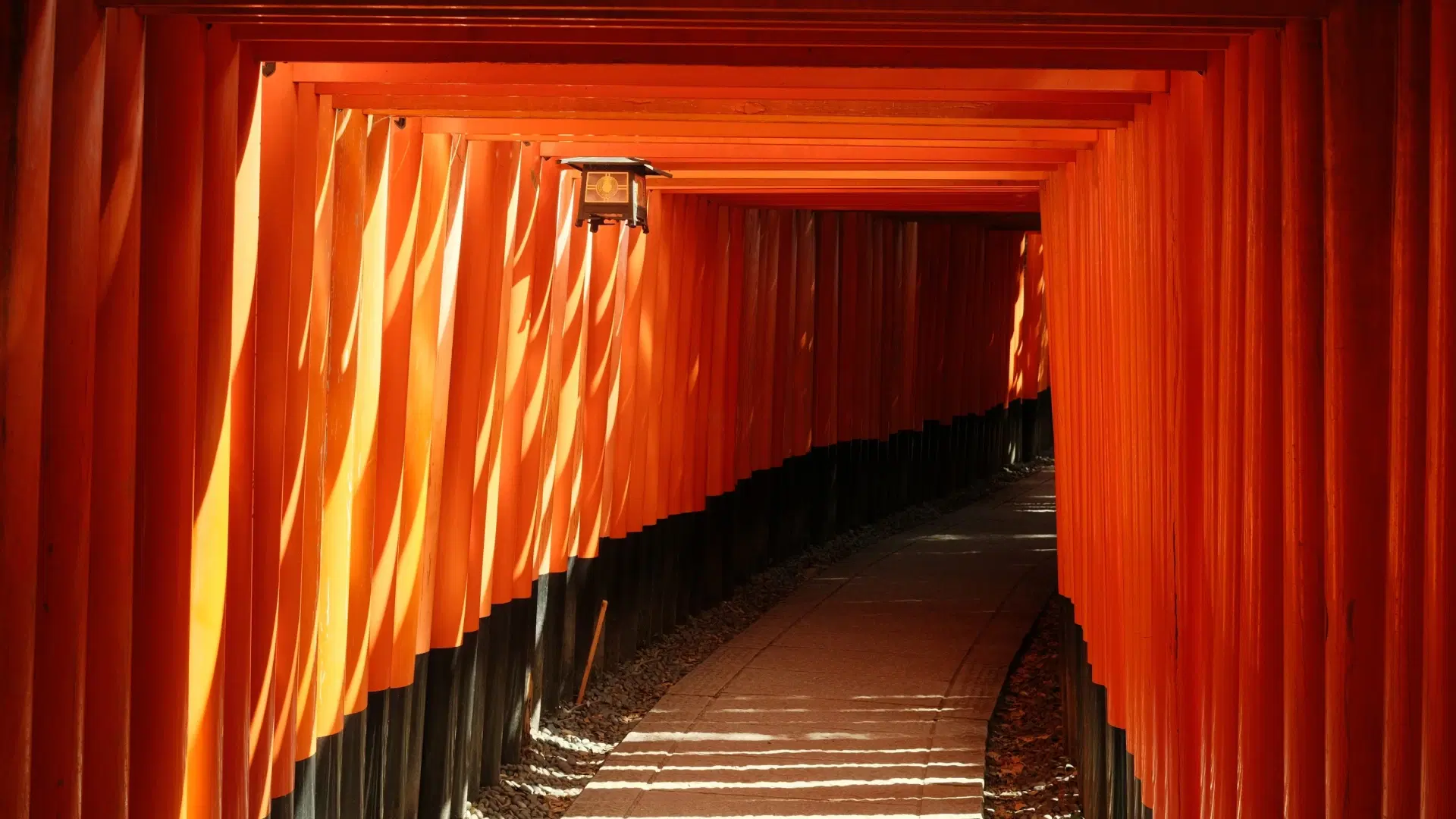
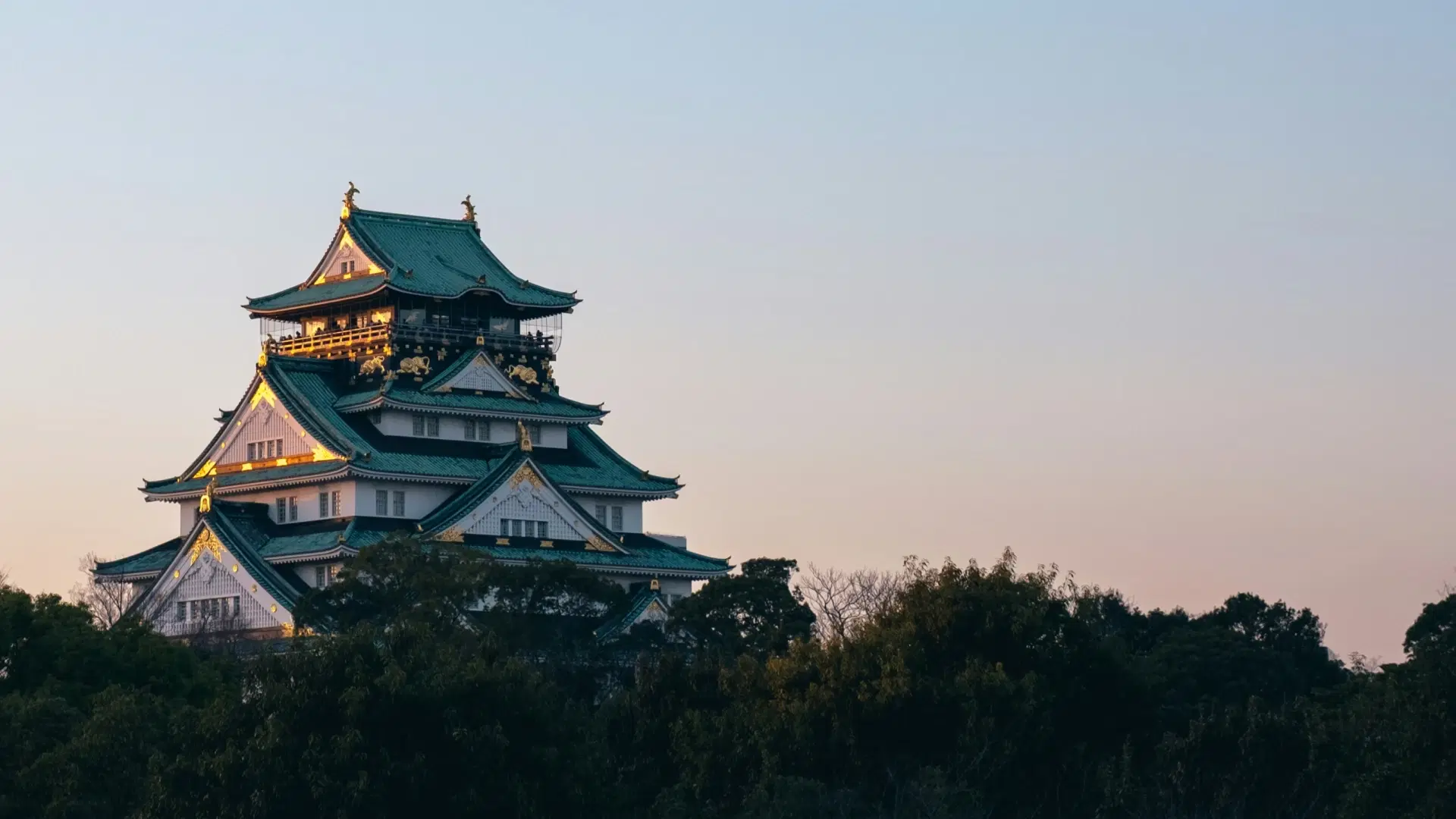
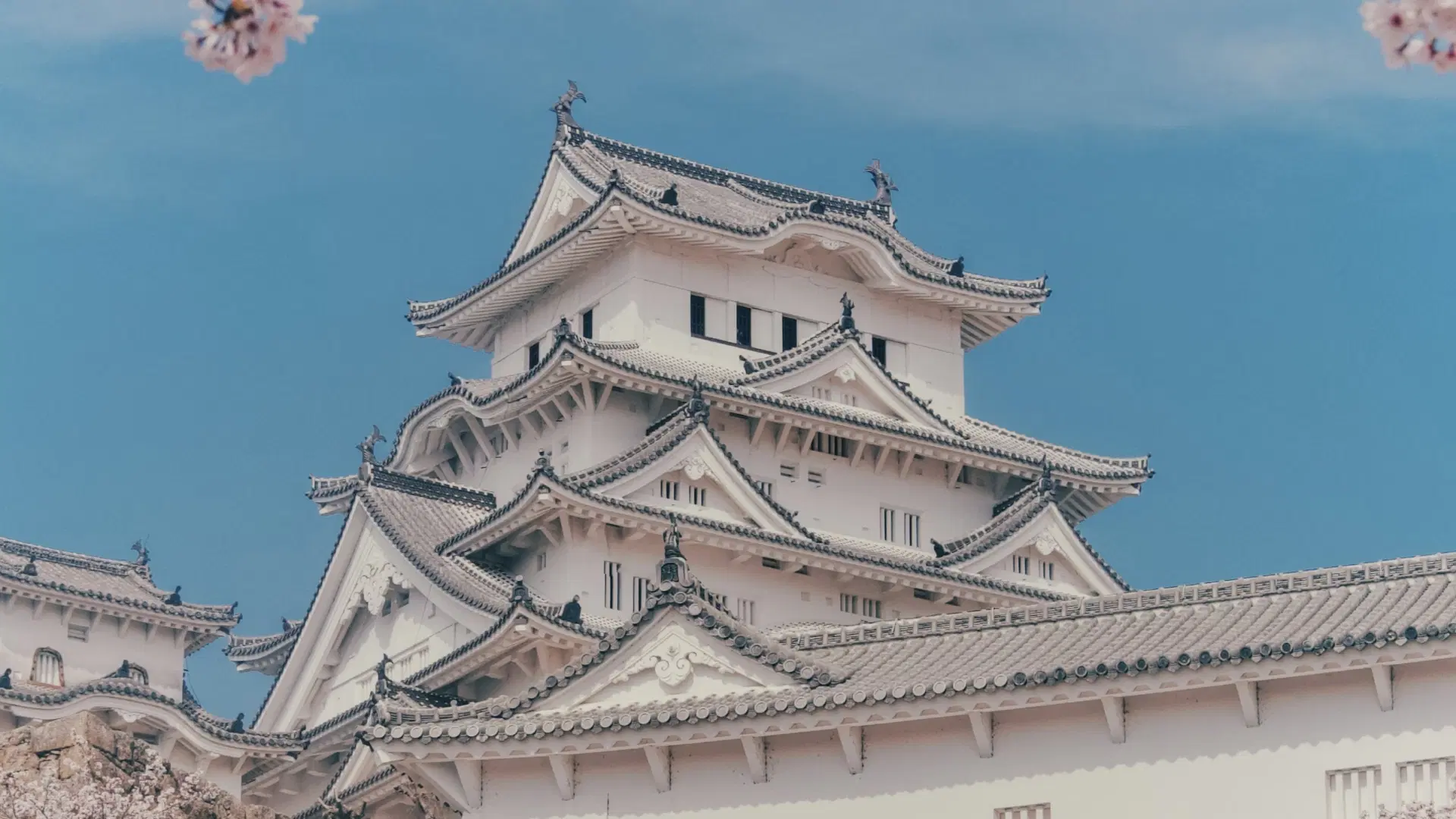
関西If there is a single region that embodies the depth and continuity of Japanese culture, it is Kansai. Kyoto served as the imperial capital for over a millennium; Nara preceded it, nurturing the earliest expressions of Japanese Buddhism in temples that still stand; Osaka built a mercantile counter-culture of wit, pragmatism, and culinary obsession that defines the city to this day. To travel through Kansai is to move through layers of civilization so densely stratified that a single Kyoto street may contain a Heian-era shrine, a Muromachi-period tea house, a Meiji-era machiya, and a contemporary gallery by Tadao Ando.
For the ryokan traveler, Kansai offers the deepest possible immersion in traditional Japanese hospitality. The great inns of Kyoto (some operating continuously since the Edo period) practice a form of omotenashi refined over generations, where the placement of a single flower in the tokonoma alcove reflects the season, the guest's sensibility, and the aesthetic philosophy of the house. In the mountains south of Nara, the shukubo temple lodgings of Koya-san offer a form of hospitality stripped to its spiritual essence: shojin ryori vegetarian cuisine, pre-dawn prayer ceremonies, and the profound silence of a cemetery among ancient cryptomeria.
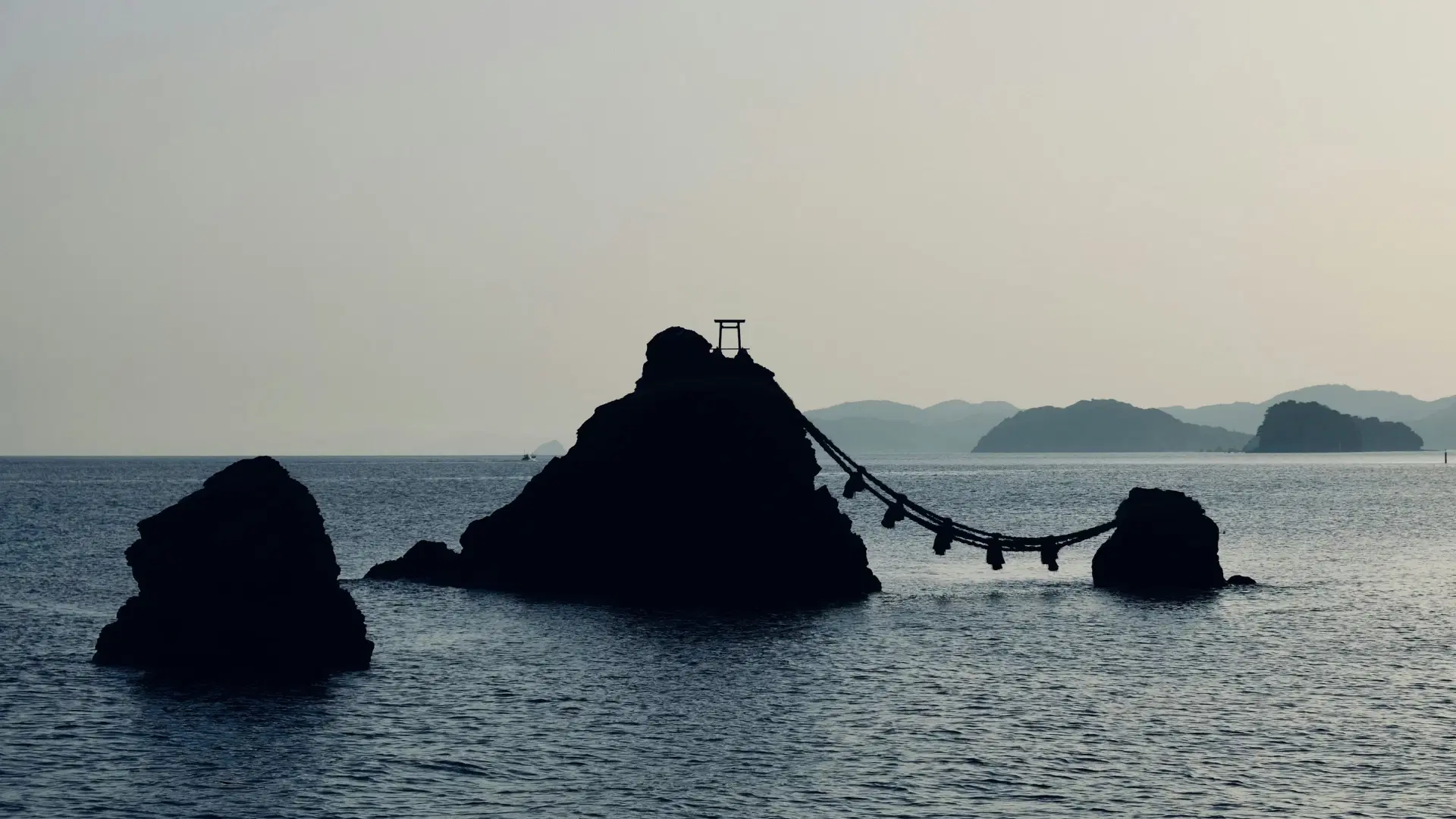
Beyond Kyoto and Nara, Kansai encompasses the hidden depths of Mie Prefecture (home to the Ise Grand Shrine, the spiritual wellspring of Shinto) and the mountainous interior of Wakayama, where the Kumano Kodo pilgrimage trails wind through forests that have been sacred since before recorded history. Even Osaka, often dismissed as purely commercial, rewards the discerning visitor with neighborhoods like Shinsekai and Nakazakicho that possess a raffish, irreverent charm no amount of development can extinguish.
If there is a single region that embodies the depth and continuity of Japanese culture, it is Kansai.
Geography
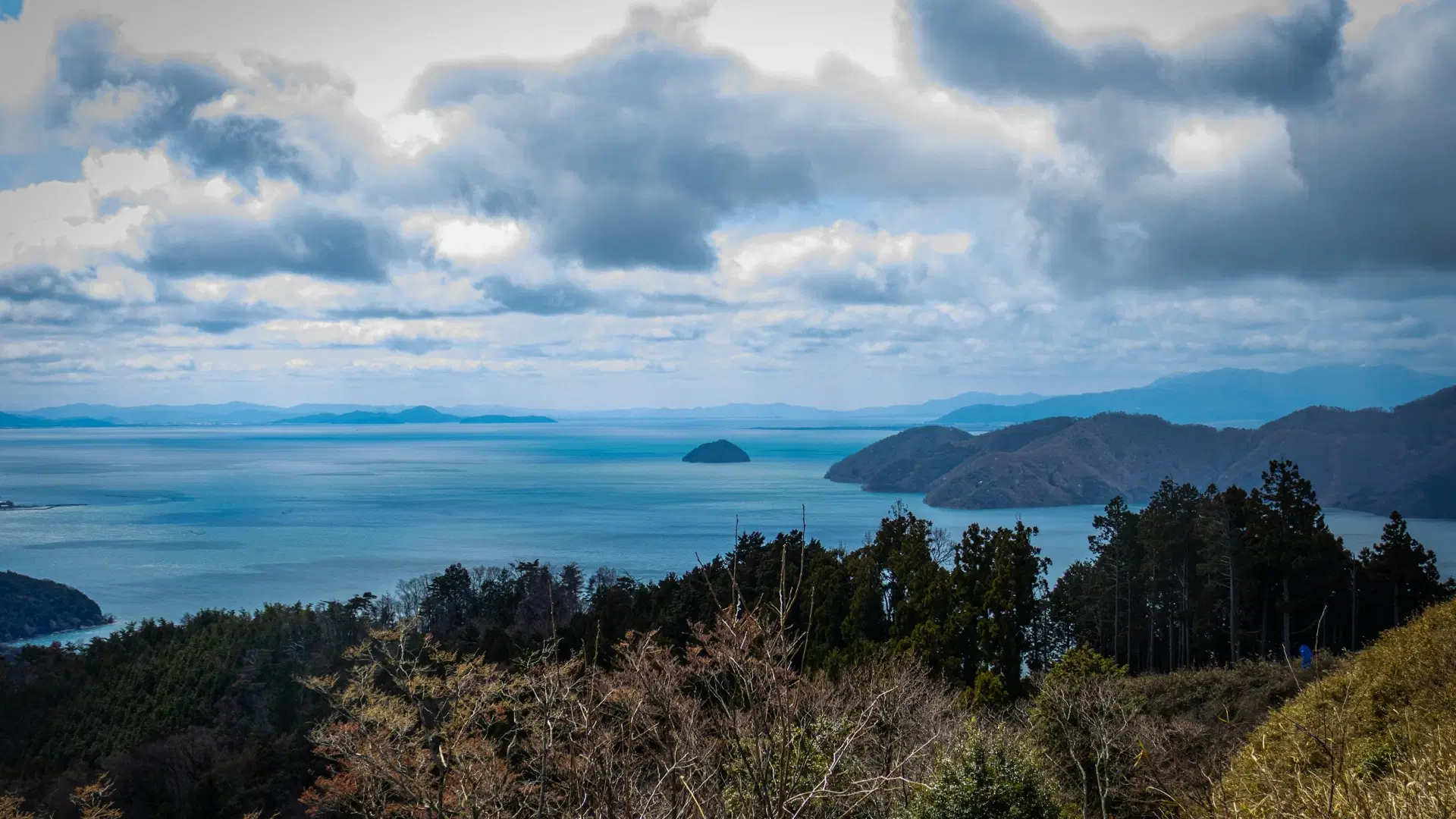
Kansai occupies the broad basin where the Yodo River system drains into Osaka Bay, surrounded by mountain ranges that historically made the region both defensible and self-contained. The Kyoto Basin is enclosed by mountains on three sides (Higashiyama to the east, Kitayama to the north, Nishiyama to the west) creating the microclimate of punishing summers and bitter winters that shaped the city's architecture and aesthetics. Lake Biwa in Shiga, the largest freshwater lake in Japan, acts as the region's hydrological anchor, feeding the rivers that sustained rice cultivation across the Kinki Plain.
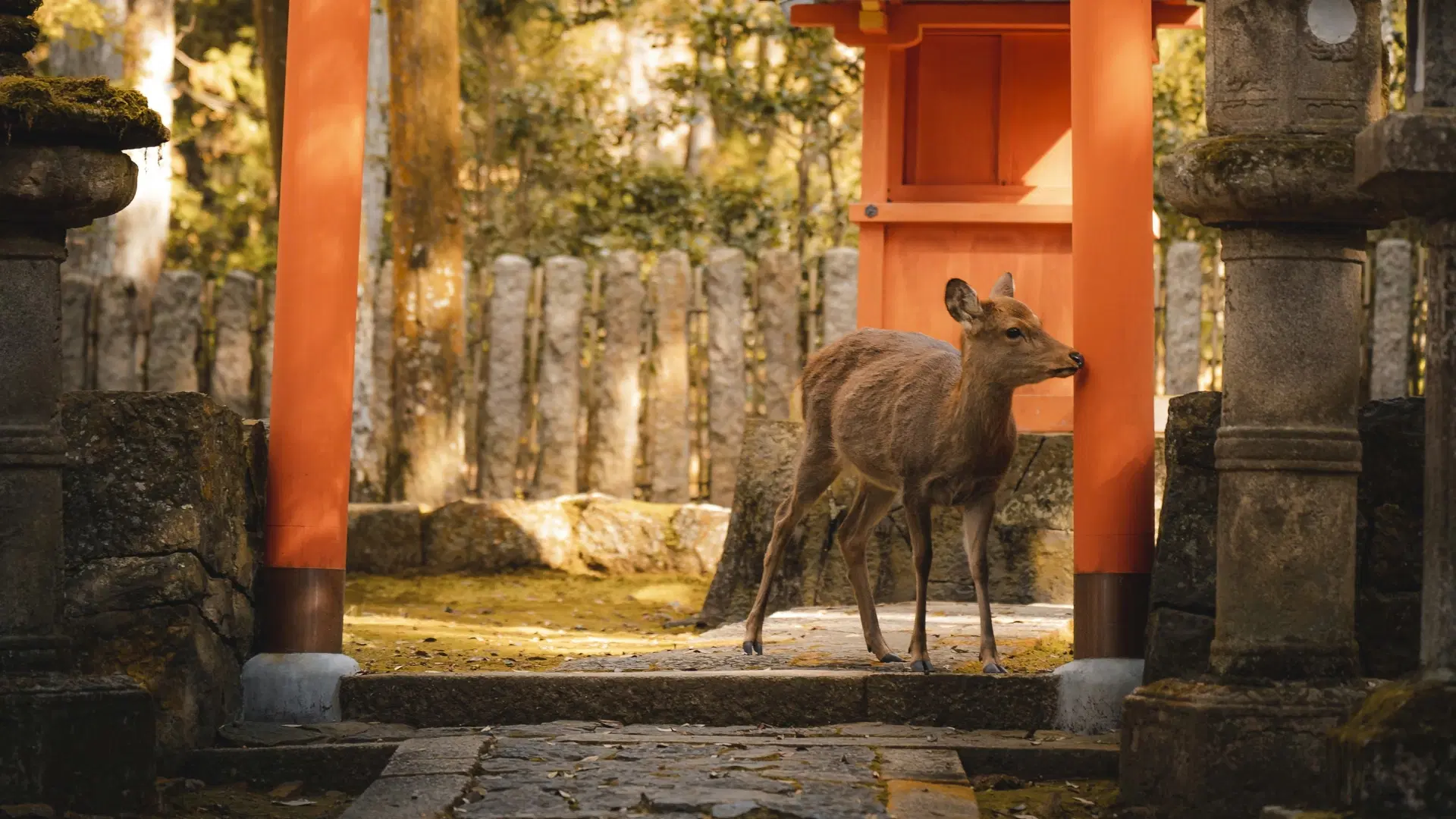
The Kii Peninsula, shared between Mie, Nara, and Wakayama, is Kansai's wild south: a mountainous, densely forested terrain of deep gorges and cascading rivers that harbors the sacred sites of Kumano and the hot springs of Shirahama and Yunomine, the latter among the oldest documented onsen in Japan. The Nara Basin preserves Japan's most ancient cultural landscape, its gentle topography studded with tumuli, temple compounds, and the deer-haunted parkland surrounding Todai-ji. The Inland Sea coastline of Hyogo, including the port city of Kobe backed by the Rokko Mountains, provides a gentler maritime dimension.
Culture
Kansai is the crucible of nearly every classical Japanese art form. The tea ceremony was codified in Kyoto and Sakai by Sen no Rikyu; Noh theater crystallized under Zeami's genius in the Muromachi capital; ikebana, kado, and the arts of incense appreciation all trace their institutional origins to Kyoto's aristocratic and monastic circles. The city's five great Zen temples (Tenryu-ji, Shokoku-ji, Kennin-ji, Tofuku-ji, and Manju-ji) remain active centers of practice, their gardens representing the highest achievement of Japanese spatial aesthetics. Kyoto's geiko and maiko culture in Gion and Pontocho continues a tradition of performing arts patronage that stretches back to the pleasure quarters of the Edo period.
Nara's contribution is more ancient and, in some ways, more profound: Todai-ji's Great Buddha, cast in 752, remains the largest bronze Buddha in the world, and the Shoso-in repository preserves Silk Road treasures that illuminate Japan's earliest cultural exchanges with the wider world. Osaka's cultural identity is deliberately populist: bunraku puppet theater, manzai comedy, and a street culture of flamboyance and directness that Kyoto finds slightly alarming. Koya-san, founded by Kukai in 816, is the headquarters of Shingon Buddhism and one of the most spiritually charged sites in all of Japan, its Okunoin cemetery a forest of moss-covered stone monuments stretching into mist.
Cuisine
Kansai's culinary traditions are arguably Japan's richest and most influential. Kyoto kaiseki (born of the frugal vegetarian principles of tea ceremony cookery and refined through centuries of aristocratic patronage) represents the apex of Japanese cuisine, a practice where seasonal ingredients, ceramic choice, and the sequence of courses are composed with the intentionality of a musical score. The great kaiseki ryotei of Kyoto (Kikunoi, Hyotei, Tankuma) operate at a level of artistry that has no true equivalent elsewhere in the world. Kyoto's tofu culture, centered on the soft, custard-like yudofu served at temples like Nanzen-ji, elevates a humble ingredient to the status of delicacy.
Osaka calls itself tenka no daidokoro (the nation's kitchen) and the claim is not idle. Takoyaki, okonomiyaki, kushikatsu, and the riotous street food culture of Dotonbori represent the populist genius of Osaka's cooking, but the city also harbors kappo restaurants of extraordinary sophistication, where the counter-dining format allows direct communion with a chef working at the peak of their craft. Kobe beef, from Tajima cattle raised in Hyogo, needs no introduction; what is less known is the region's superb sake production, centered on Nada in Kobe, where the mineral-rich miyamizu water yields brews of crisp, authoritative character that have defined the junmai style for generations.