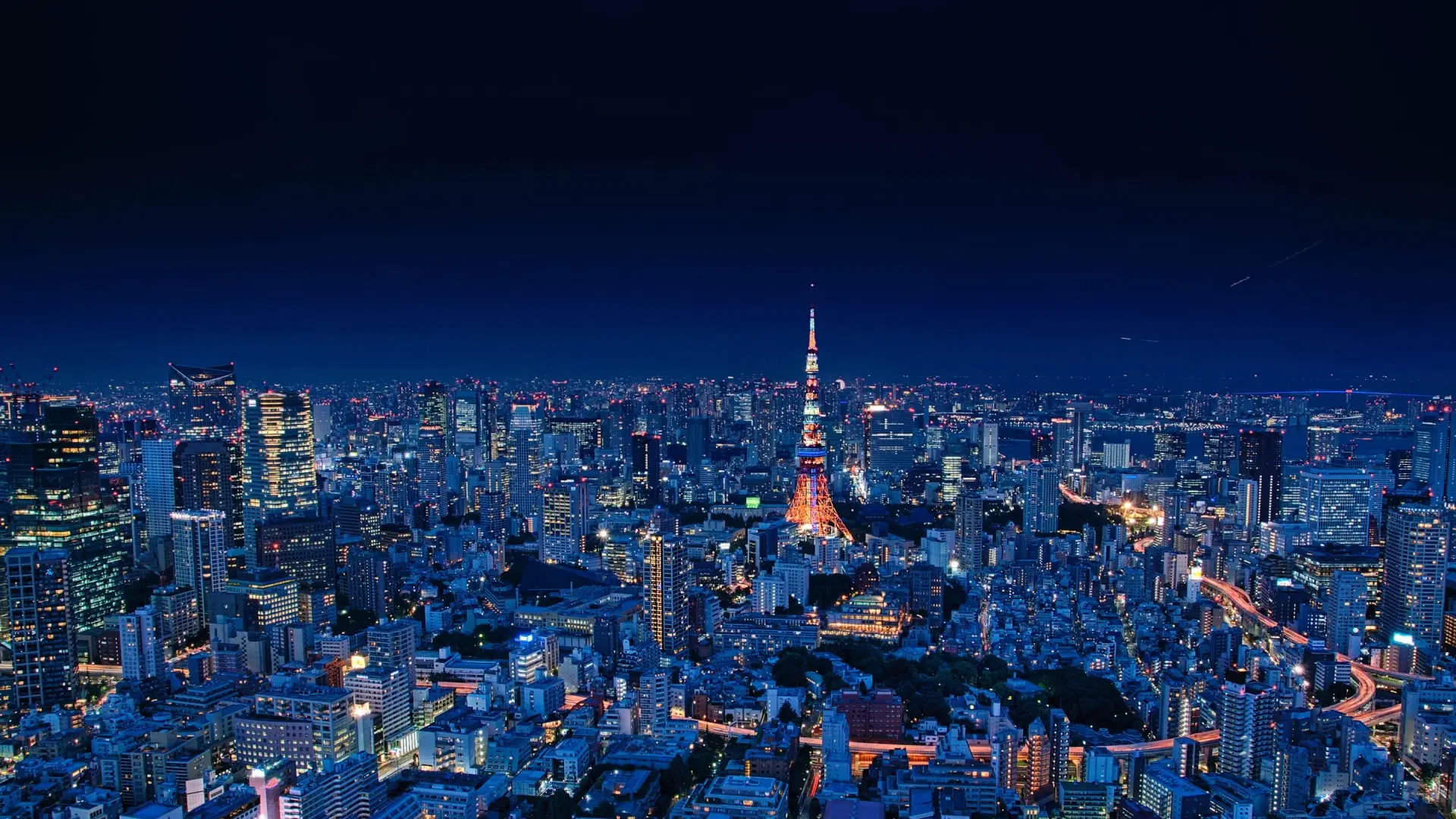
Tokyo
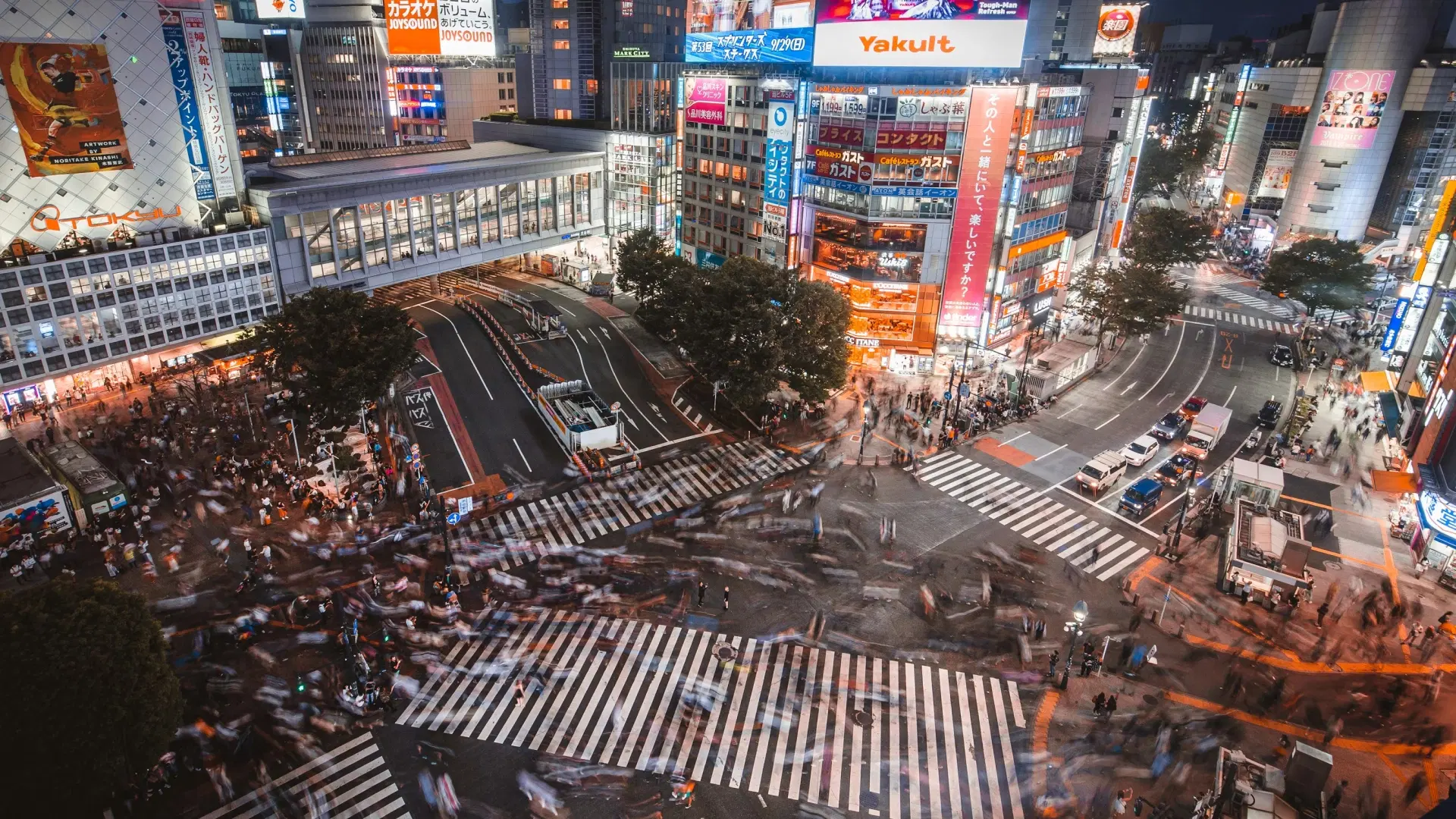
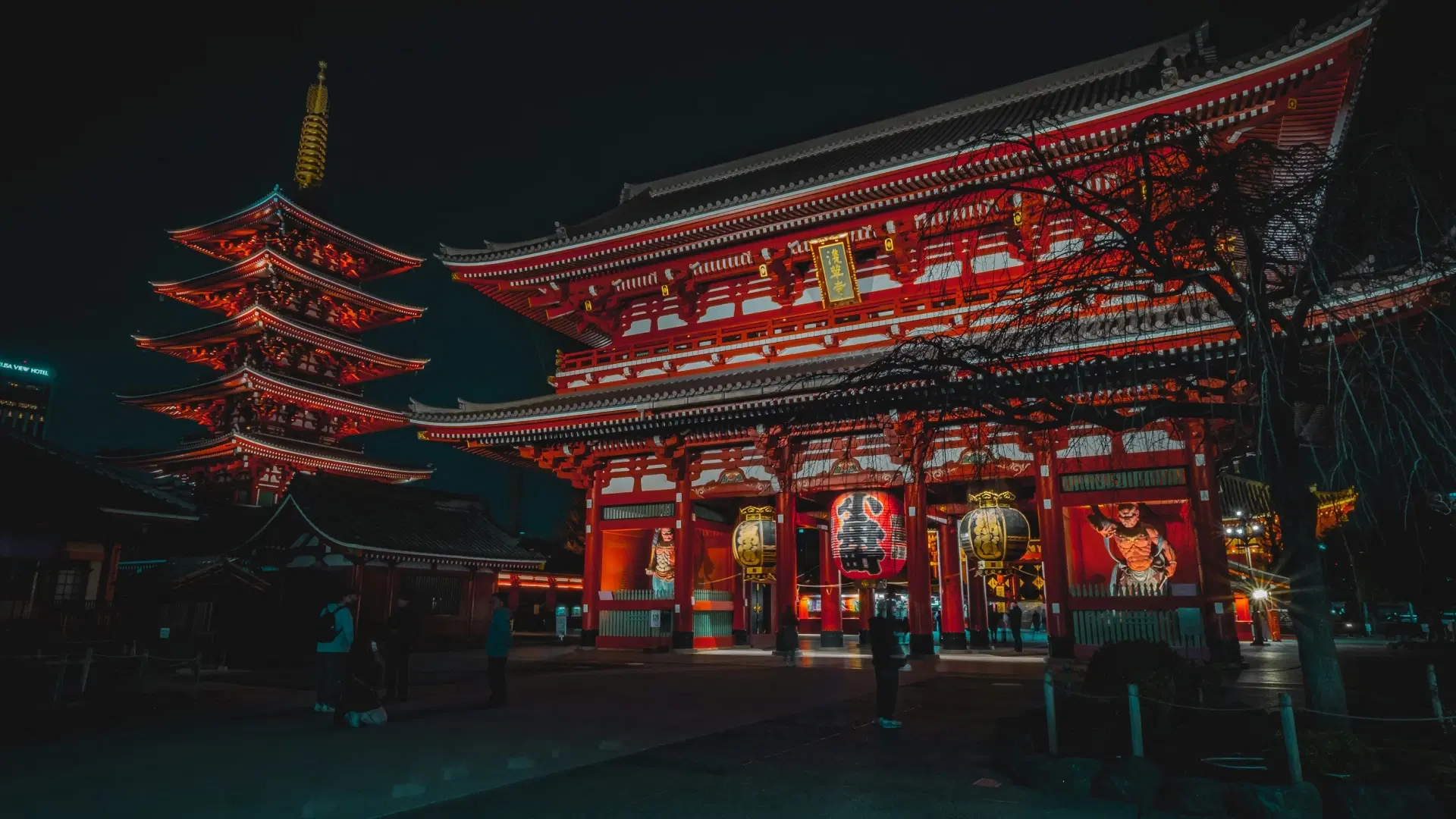
東京都Tokyo is the world's largest metropolitan area, a fact that can obscure how much of the city resists generalization. This is not one place but a thousand neighborhoods layered atop centuries of reinvention, each with its own rhythm, its own light, its own unspoken rules. The neon density of Shibuya and the incense-scented calm of Asakusa's Senso-ji exist within the same transit system, separated by twenty minutes and what feels like two centuries. This is not contradiction. It is simply Tokyo.
For the ryokan traveler, the city offers something unexpected: intimacy. Urban ryokans in Yanaka, Kagurazaka, and the backstreets of Taito-ku provide tatami rooms, communal baths, and kaiseki dinners within earshot of the Yamanote Line. The sento culture, Tokyo's public bathhouse tradition, survives in hundreds of neighborhood establishments where the tile work dates to the Showa era and the etiquette has not changed since. These are not tourist attractions. They are living institutions, maintained by communities that understand bathing as a civic act.
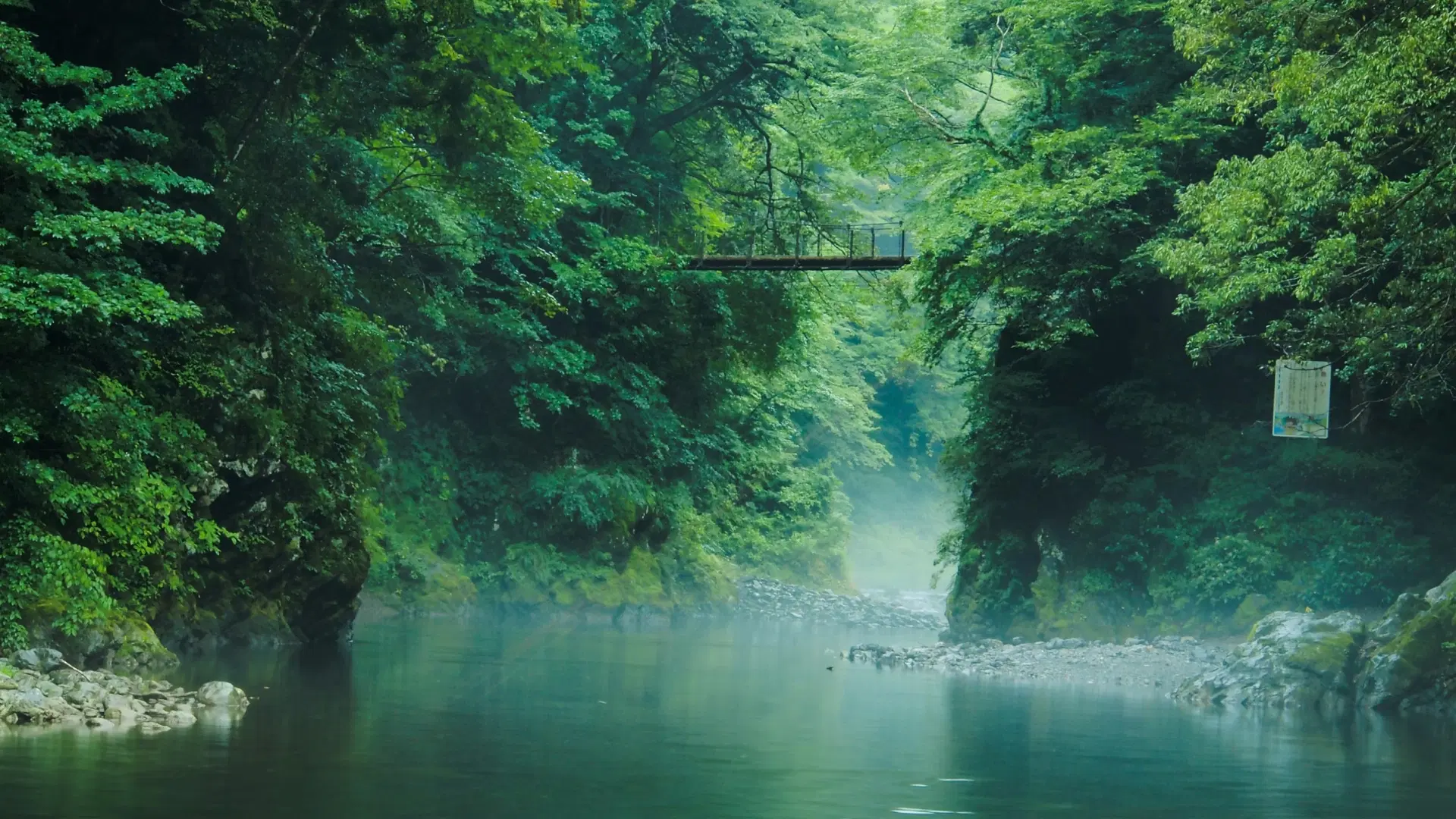
Beyond the 23 wards, Tokyo extends west into the Okutama mountains, where cedar forests and clear rivers offer hiking that feels improbably remote. Further still, the Izu and Ogasawara island chains, technically part of Tokyo, scatter across the Pacific toward the subtropics. The city that invented the conveyor-belt sushi restaurant also contains wilderness. The world's densest dining scene, with more Michelin stars than any other city, coexists with ramen counters where four seats and one gas burner produce meals of staggering precision.
Tokyo is the world's largest metropolitan area, a fact that can obscure how much of the city resists generalization.
Cultural Identity
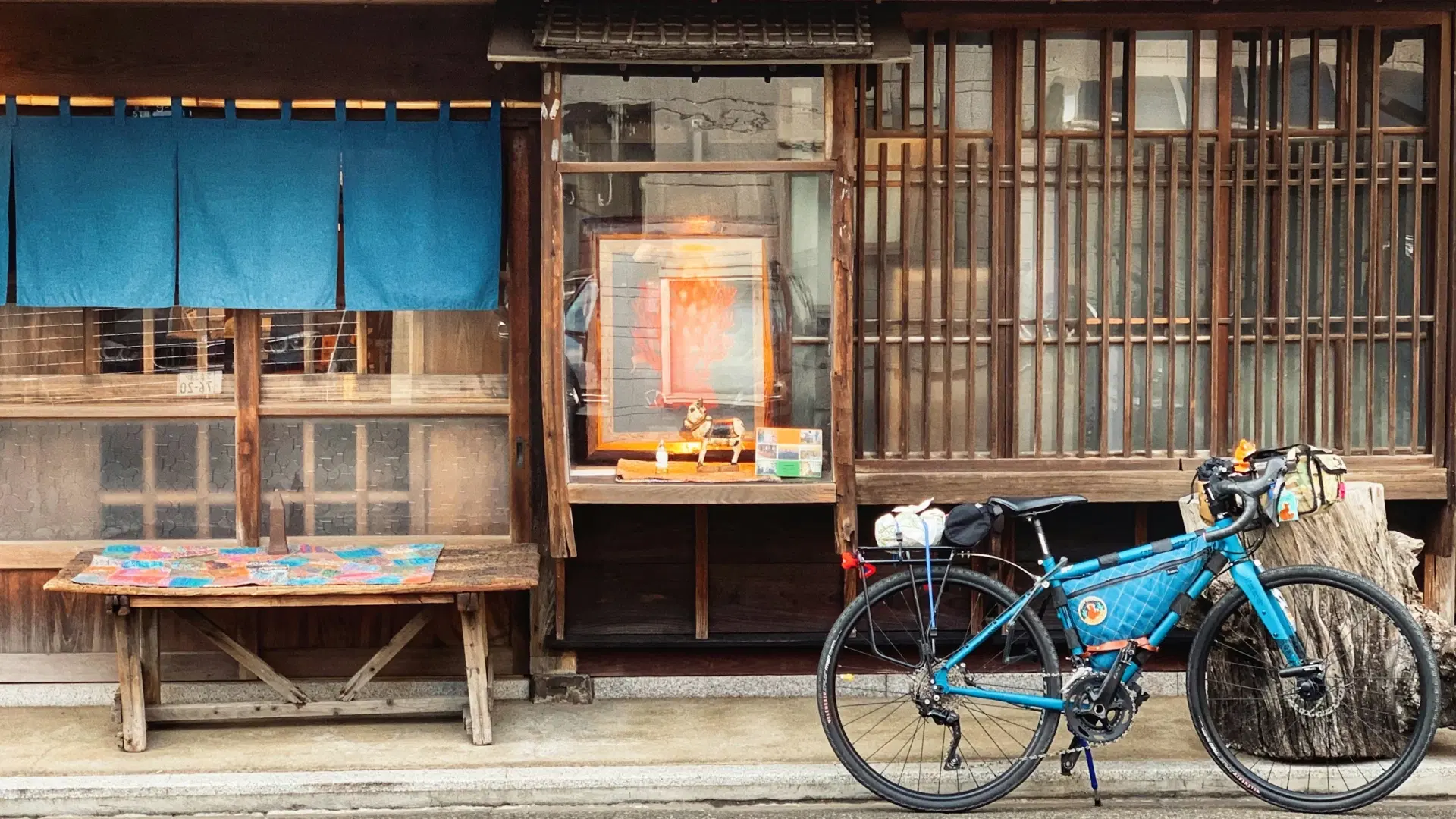
Tokyo's cultural depth operates on parallel tracks. The imperial collections at the Tokyo National Museum in Ueno, the meditative forest of Meiji Shrine in Harajuku, the surviving Edo-period garden of Rikugien: these represent the classical strand. The contemporary strand pulses through Roppongi's art triangle, the independent galleries of Kiyosumi-Shirakawa, and the design studios of Nakameguro. Yanaka, one of the few neighborhoods to survive both the 1923 earthquake and the 1945 firebombing, preserves a pre-war streetscape of wooden houses, family temples, and artisan workshops that feels like a living museum of Shitamachi culture. Kabuki at the Kabukiza, Noh at the National Noh Theatre, and rakugo at Suehirotei represent performing arts traditions that remain vital, not preserved in amber but evolving with each generation of performers.
Culinary Traditions
Tokyo is, by any measure, the greatest dining city on earth. Over 200 Michelin-starred restaurants share the metropolis with an uncountable constellation of izakaya, standing bars, and single-chef counters that no guide could ever fully map. Edomae sushi, born in the city's bay when Tokyo was still Edo, remains the gold standard: aged and seasoned fish pressed over vinegared rice by practitioners who have spent decades mastering the craft. Monjayaki in Tsukishima, tempura in Nihonbashi, unagi along the Sumida, soba hand-cut in Kanda: each neighborhood anchors a culinary specialty that has been refined across generations. The Tsukiji outer market, though the wholesale operations moved to Toyosu, continues to serve the freshest breakfast in the capital.
Waters & Onsen
Tokyo's bathing culture is defined less by natural hot springs than by the sento, the neighborhood public bathhouse that has served the city's residents since the Edo period. Over 400 sento remain in operation, from utilitarian tile-and-tile establishments to architecturally distinguished buildings with Mt. Fuji murals, rotenburo, and saunas. Natural hot spring water does exist beneath the city: several onsen facilities in Ota-ku, Nerima, and Odaiba draw dark, sodium-rich water from deep wells. Okutama, in western Tokyo, offers rustic day-trip onsen along the Tama River in a mountain setting that belies its Tokyo postal code. For the visitor, the juxtaposition is the point: stepping from the busiest streets on earth into a steaming bath where silence is the only rule.