Kyoto
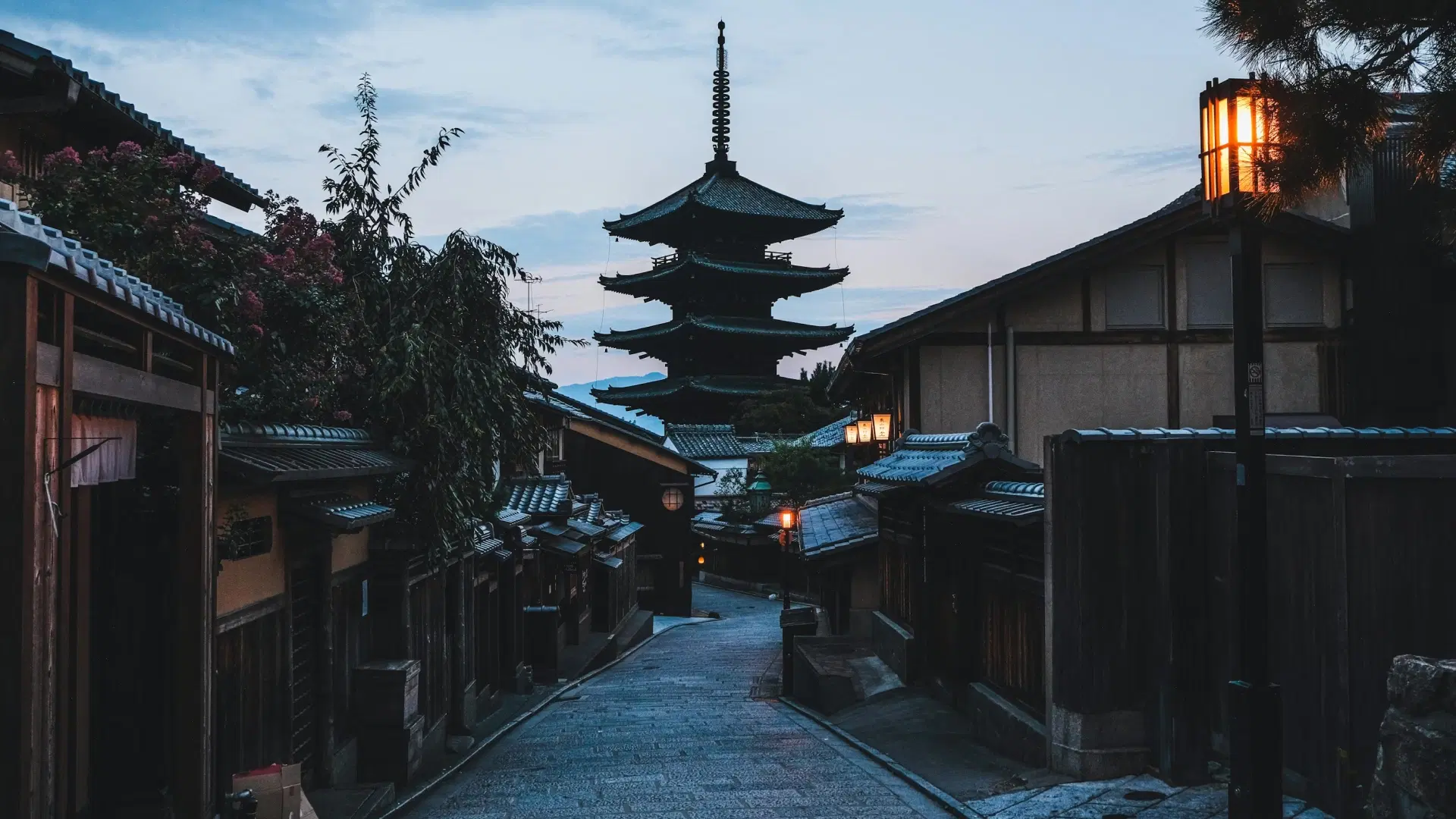
京都府Kyoto needs no introduction, yet it perpetually rewards deeper acquaintance. For more than a thousand years, from 794 to 1868, this city served as the imperial capital of Japan, and that long tenure left an inheritance of staggering density: seventeen UNESCO World Heritage sites, over two thousand temples and shrines, and an unbroken tradition of craftsmanship that encompasses everything from Nishijin silk weaving to Kiyomizu pottery to the exacting art of kaiseki cuisine. To visit Kyoto is to encounter the living foundations of Japanese aesthetics.
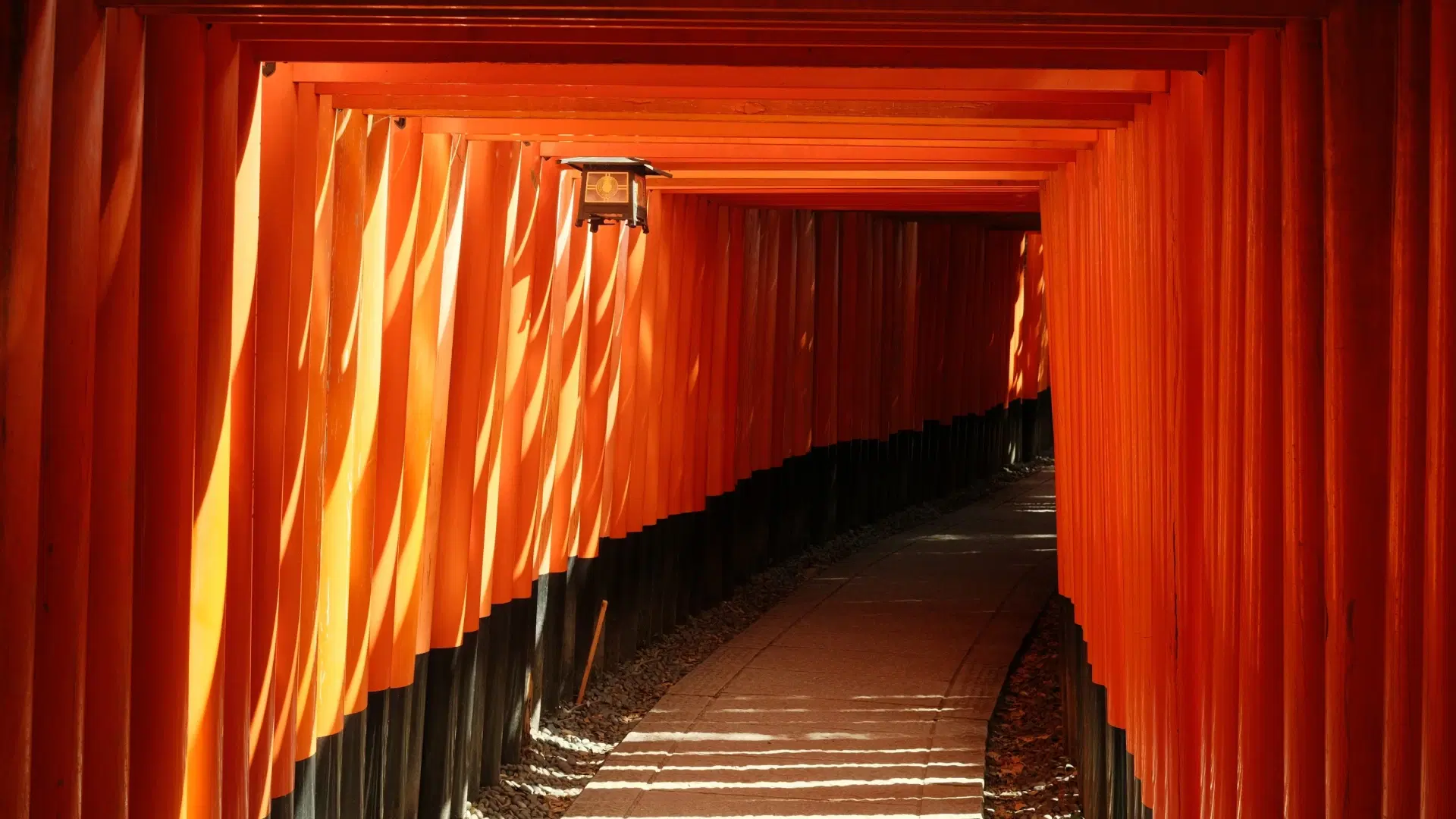
Yet the city refuses to become a museum. Behind the tourist-heavy corridors of Kinkaku-ji and Fushimi Inari, Kyoto pulses with creative vitality. In the machiya townhouses of the Nishijin district, young artisans are reinterpreting centuries-old textile techniques. In Gion, the geiko and maiko culture continues with fierce discipline, the ochaya teahouses operating much as they did in the Edo period. The tea ceremony, ikebana, Noh theater, and the seasonal rhythms of the Buddhist calendar all find their most refined expression here.
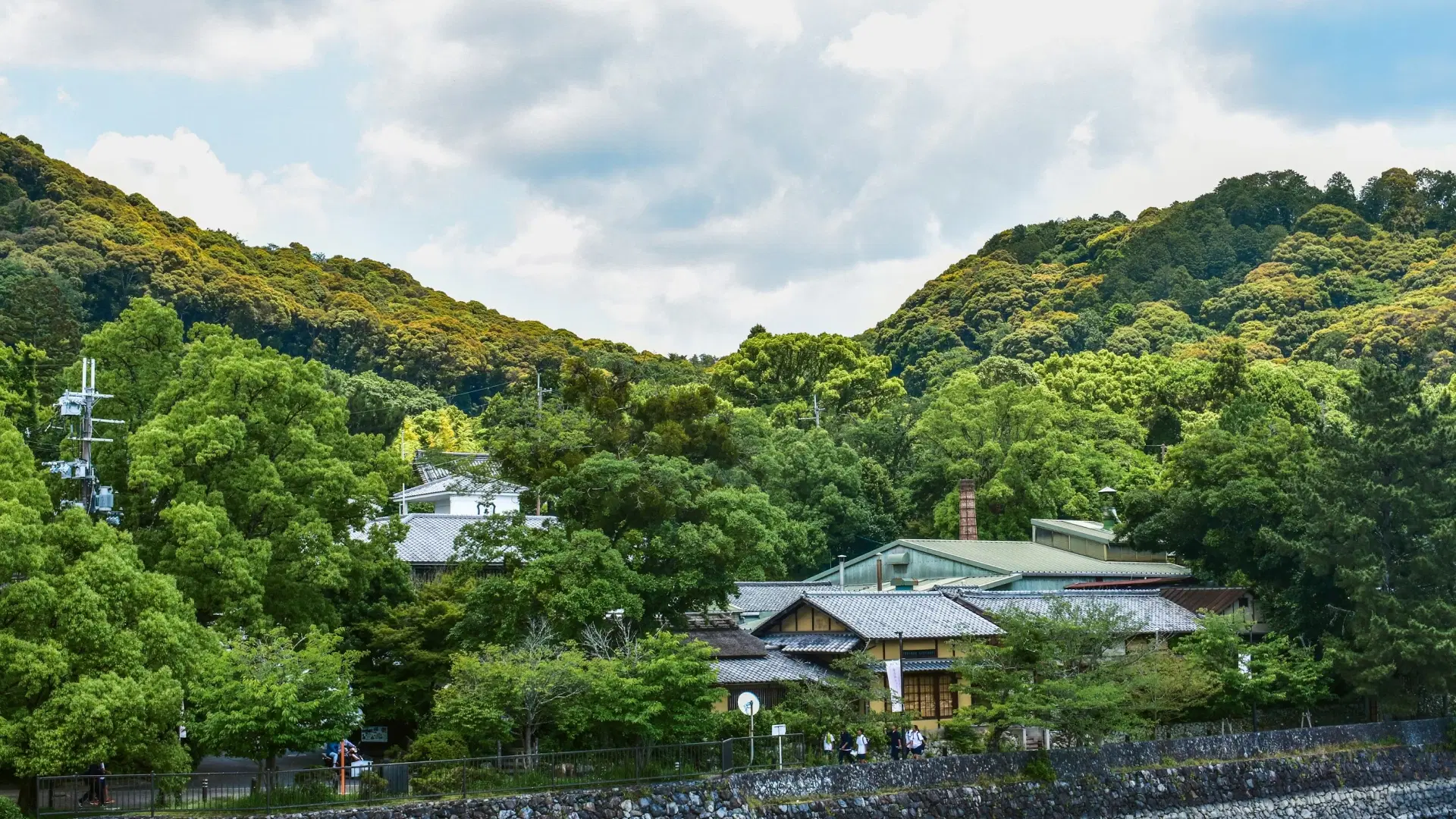
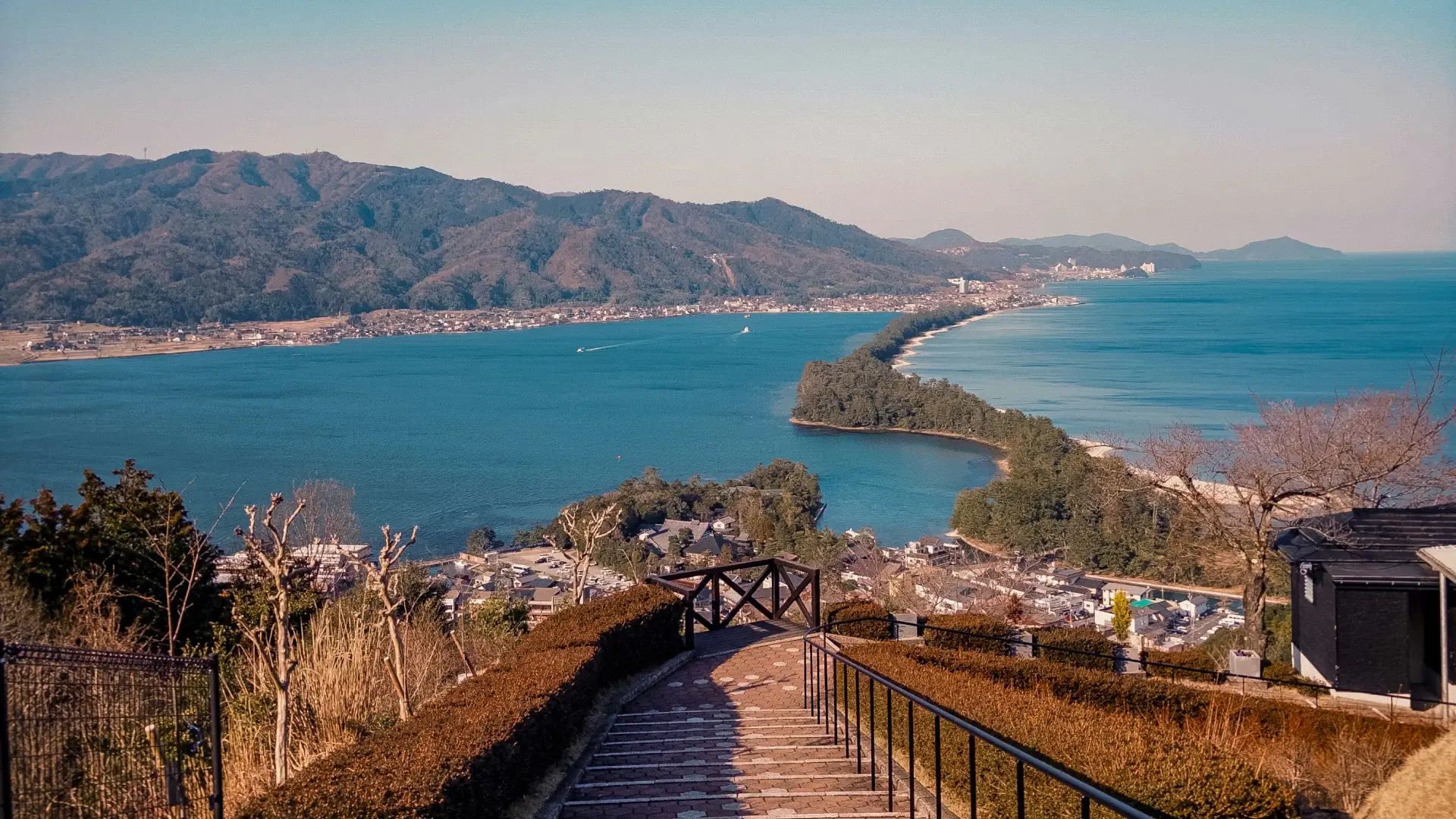
Beyond the city itself, Kyoto Prefecture stretches north to the Japan Sea coast, where Amanohashidate, one of Japan's three celebrated scenic views, forms a pine-clad sandbar across Miyazu Bay. To the south, the town of Uji produces the finest matcha in the country, its tea fields a vivid green corridor leading to the sublime Byodo-in Temple. Kyoto is not one place but many, layered like the lacquer on a centuries-old jubako box.
Kyoto needs no introduction, yet it perpetually rewards deeper acquaintance.
Cultural Identity
Kyoto is the crucible of Japanese high culture. The city's seventeen UNESCO sites represent only the surface of a cultural depth that encompasses the tea ceremony as codified by Sen no Rikyu, the spare perfection of Zen rock gardens at Ryoan-ji and Daitoku-ji, and the continuing practice of seasonal arts that mark time more precisely than any calendar. Gion's hanamachi district maintains the tradition of geiko and maiko with a rigor that outsiders rarely glimpse: years of training in dance, shamisen, conversation, and the subtle art of atmosphere. Nishijin weaving, Kyo-yuzen dyeing, and Kiyomizu ceramics represent craft lineages passed through dozens of generations. The annual cycle of matsuri, from the grand Gion Festival floats to the quiet contemplation of Obon, gives the city a ritual pulse felt in every neighborhood.
Culinary Traditions
Kyoto is the birthplace of kaiseki, the multi-course art form that elevates seasonal ingredients into a choreographed sequence of flavor, texture, and visual beauty. Born from the frugality of tea ceremony cuisine, kaiseki in Kyoto achieves a refinement unmatched elsewhere, each course a meditation on the particular moment of the year. Shojin ryori, the Buddhist vegetarian cuisine of temples like Daitoku-ji, demonstrates how restraint can become its own form of abundance. Uji matcha appears in everything from the formal koicha of tea ceremony to the layered parfaits of Uji's teahouses. Yudofu, silken tofu simmered in kombu broth, is a Kyoto winter essential. Kyoto-style pickles, tsukemono made from local Kyo-yasai vegetables like shogoin turnip and Kujo green onion, accompany nearly every meal with quiet precision.
Waters & Onsen
Kyoto city itself has few natural hot springs, but the broader prefecture offers several notable onsen experiences. Kurama Onsen, nestled in the forested mountains north of the city, provides rotenburo baths surrounded by towering cedar trees, particularly atmospheric in autumn and winter. The waters here are sulfur-based and said to benefit circulation. Yusuhara Onsen and Rurikei Onsen in the Nantan area offer retreat-style soaking in the prefecture's rural interior. On the Japan Sea coast, Tango Peninsula's Yuhigaura Onsen combines mineral baths with views of spectacular sunsets over Miyazu Bay. For many visitors, however, Kyoto's bathing culture is best experienced in its traditional sento bathhouses, where neighborhood ritual and communal warmth persist.