Kanagawa
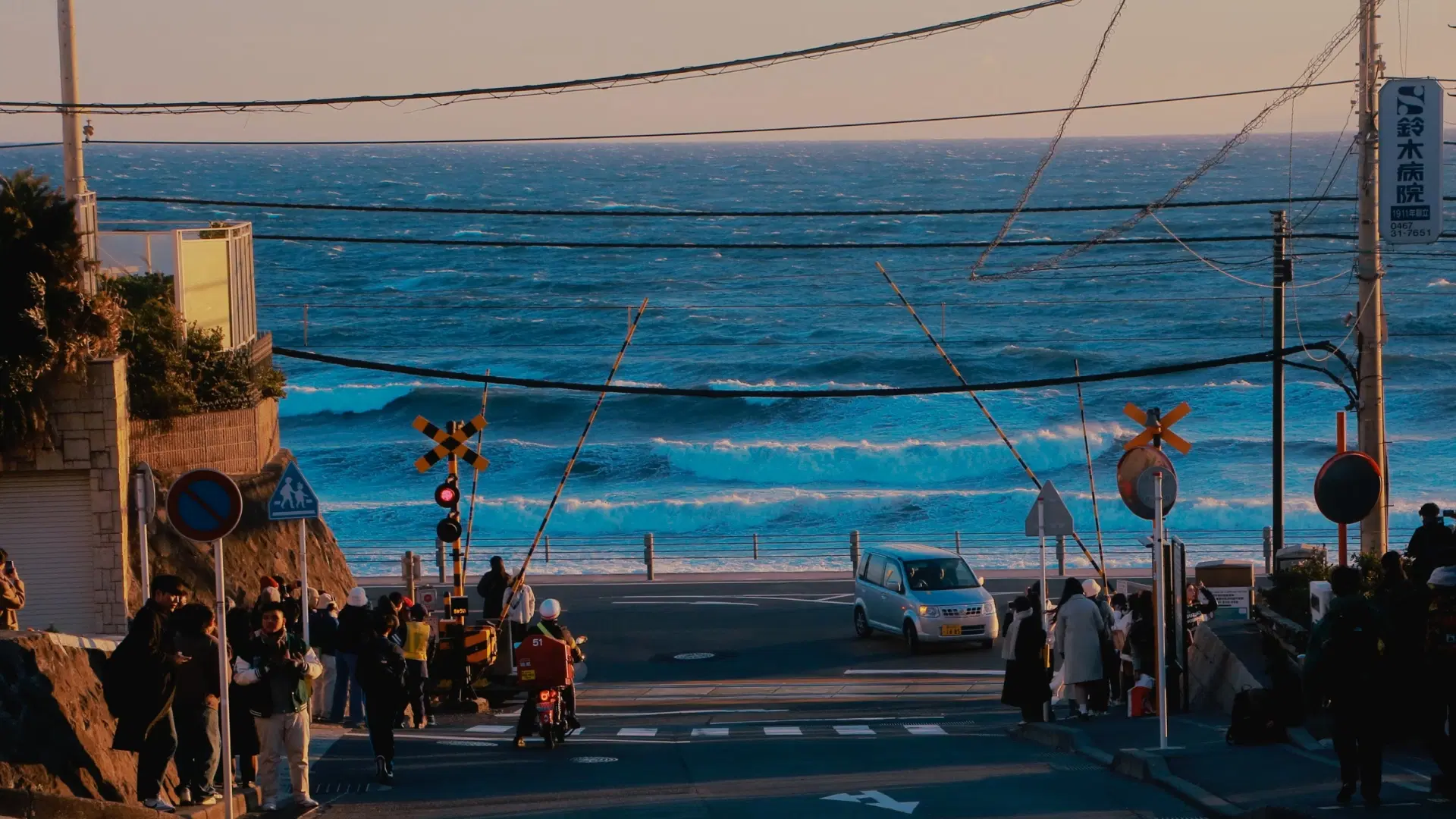
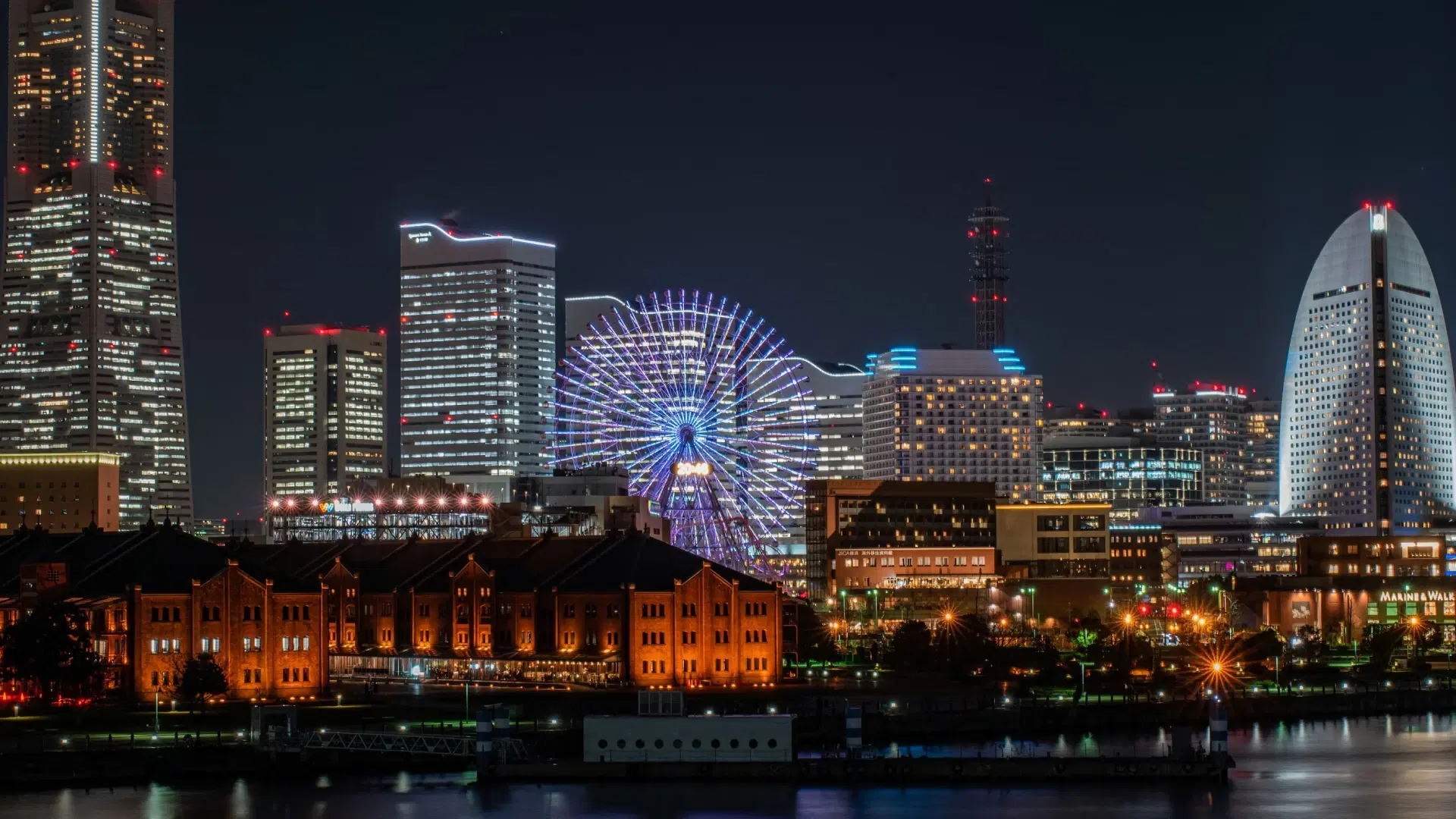
神奈川県Kanagawa is where Tokyo goes to exhale. The prefecture curves along the western shore of Tokyo Bay and south toward the Sagami coast, anchored by Yokohama's cosmopolitan waterfront and lifted, literally, by the volcanic highlands of Hakone. Between these poles lies a landscape of surprising variety: the ancient capital of Kamakura with its Great Buddha gazing seaward, the surfing beaches of Shonan, the literary onsen town of Yugawara, and the island shrine of Enoshima silhouetted against Mount Fuji on clear winter evenings.
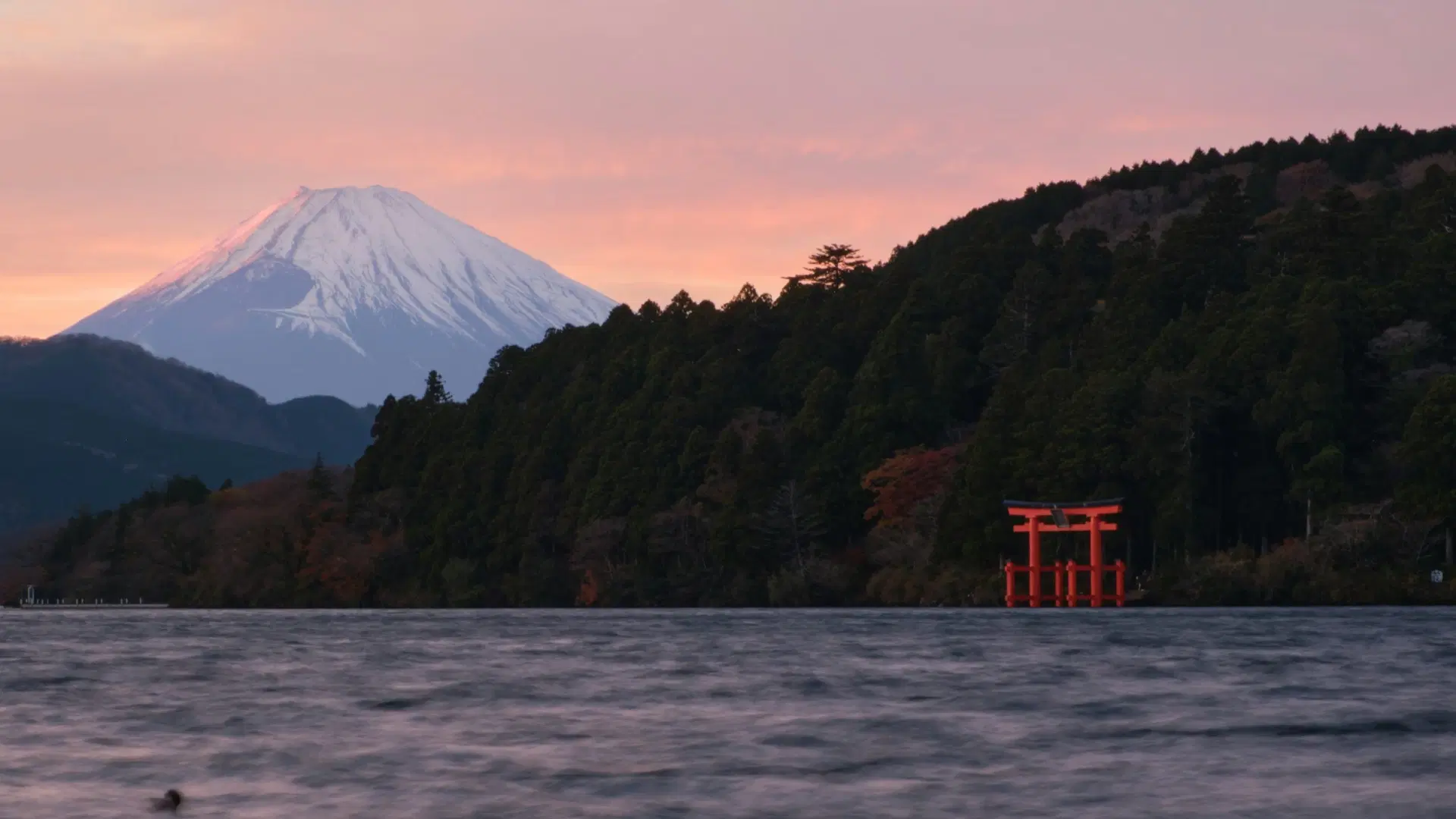
Hakone is the centerpiece. This volcanic caldera, threaded with hot springs and crowned by the serene waters of Lake Ashi, has served as a retreat from the capital since the Edo period, when the Tokaido highway passed through its mountain barriers. Today, the Hakone circuit of ropeway, pirate ship, and mountain railway moves visitors through a landscape where sulfurous steam rises from Owakudani valley, open-air sculpture dots the forested hillsides, and ryokans of every character line the rivers and ridges. On mornings when the mist lifts from Lake Ashi, the vermilion torii of Hakone Shrine appears to float on the water, with Fuji's symmetrical cone rising behind it.
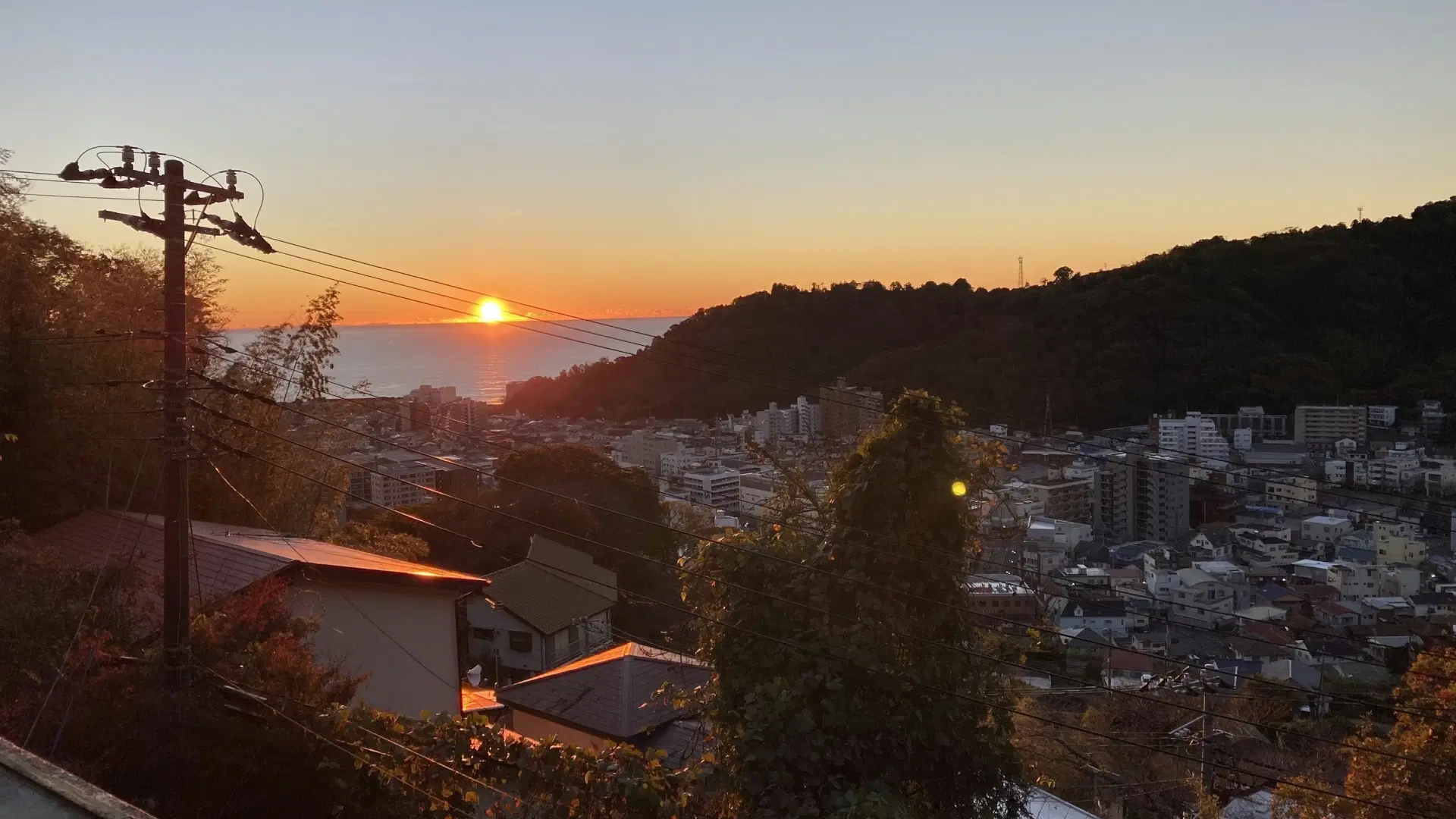
Kamakura, seat of Japan's first military government from 1185 to 1333, retains a gravity that outlasts any single visit. Its temples and hiking trails occupy forested hills minutes from the beach, a compression of mountain and ocean that gives the town its singular atmosphere. Yugawara, where the poet Manyo composed verses about the healing waters over a thousand years ago, remains one of Kanto's most refined onsen retreats.
Cultural Identity
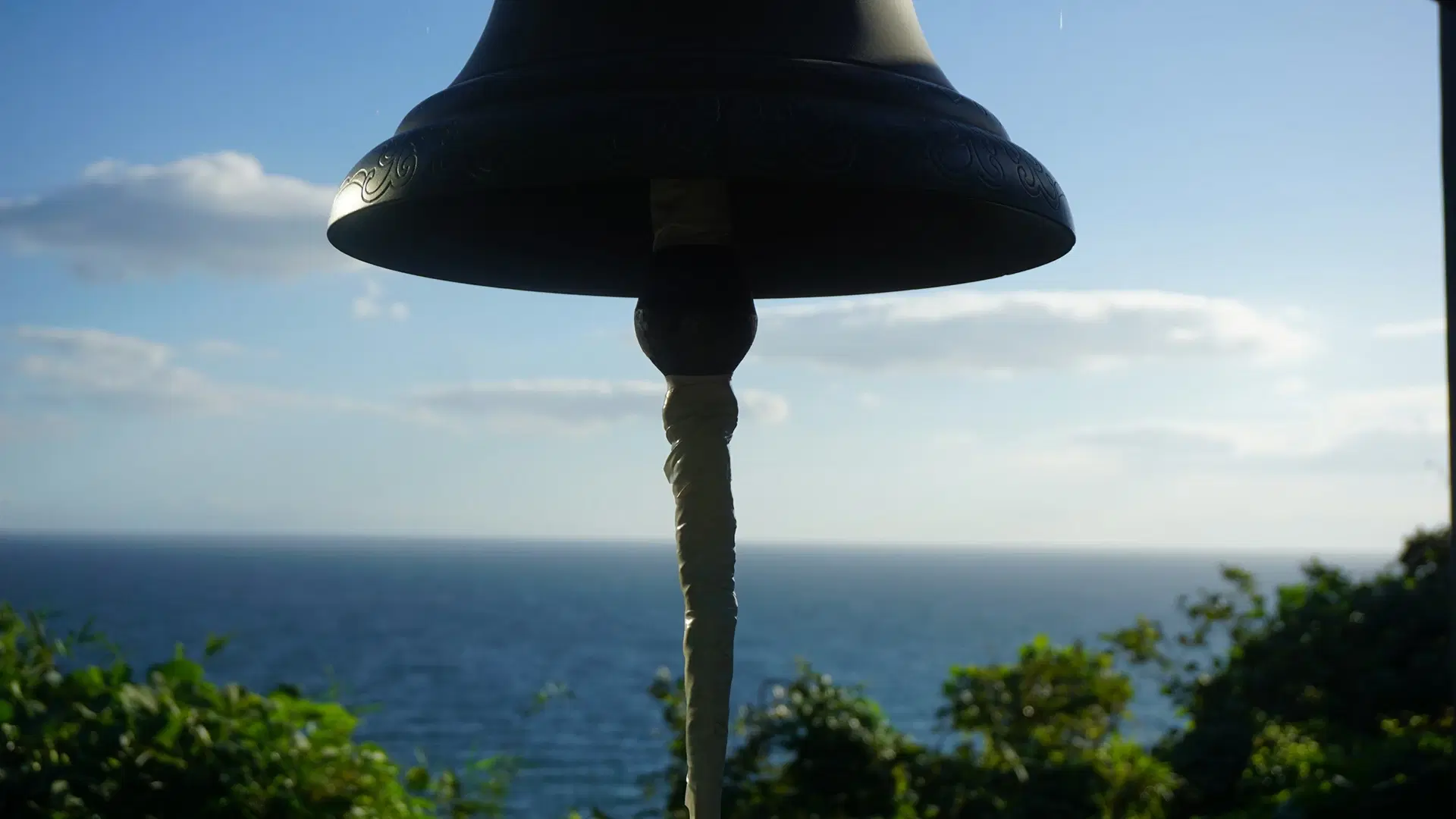
Kamakura's cultural weight is immense for a town of its size. The Great Buddha of Kotoku-in, cast in bronze in 1252, sits in the open air after a tsunami destroyed its hall in the fifteenth century, a circumstance that only deepens its presence. The Zen temples of Engaku-ji and Kencho-ji, both founded during the Kamakura shogunate, remain active training monasteries where the sound of meditation bells punctuates the forest silence. Yokohama's contribution is different but equally significant: as Japan's first treaty port, opened in 1859, it became the conduit through which Western culture entered the country. The Sankeien garden, built by silk merchant Hara Tomitaro, gathers historic buildings from across Japan into a single landscape of extraordinary refinement. Hakone's Open-Air Museum, established in 1969, was Japan's first outdoor sculpture museum and continues to set the standard.
Culinary Traditions
Kamakura's temple cuisine tradition, shojin ryori, reflects its Zen heritage: meticulously prepared vegetarian dishes that treat each ingredient as an object of contemplation. Several temples offer these meals to visitors by reservation. Yokohama's Chinatown, the largest in Japan, concentrates over 500 shops and restaurants into a few dense blocks, its culinary range spanning Cantonese dim sum to Sichuan hotpot. Odawara, at Hakone's gateway, has been a center of kamaboko (fish cake) production for centuries, and its artisans press and steam surimi into preparations of remarkable delicacy. Shonan shirasu, the tiny whitebait harvested from the Sagami Bay, are best eaten raw on rice within hours of landing, a dish available only when the catch is fresh and the season permits.
Waters & Onsen
Hakone alone contains seventeen distinct onsen districts, each drawing from different volcanic sources with unique mineral compositions. Hakone Yumoto, the oldest and most accessible, sits at the base of the mountains with alkaline simple thermal waters. Gora and Kowakidani offer sodium chloride springs higher up the caldera. Owakudani's sulfurous vents produce the famously blackened eggs said to add seven years to one's life. Yugawara, south along the coast, taps calcium sulfate springs that have drawn poets, novelists, and painters since antiquity; its waters appear in the Manyoshu, Japan's oldest poetry anthology. Enoshima's spa draws deep-sea water from Sagami Bay, offering ocean-mineral bathing with views of Fuji. This concentration of distinct thermal experiences, from volcanic to oceanic, within a single prefecture is unmatched in the Kanto region.