Shizuoka
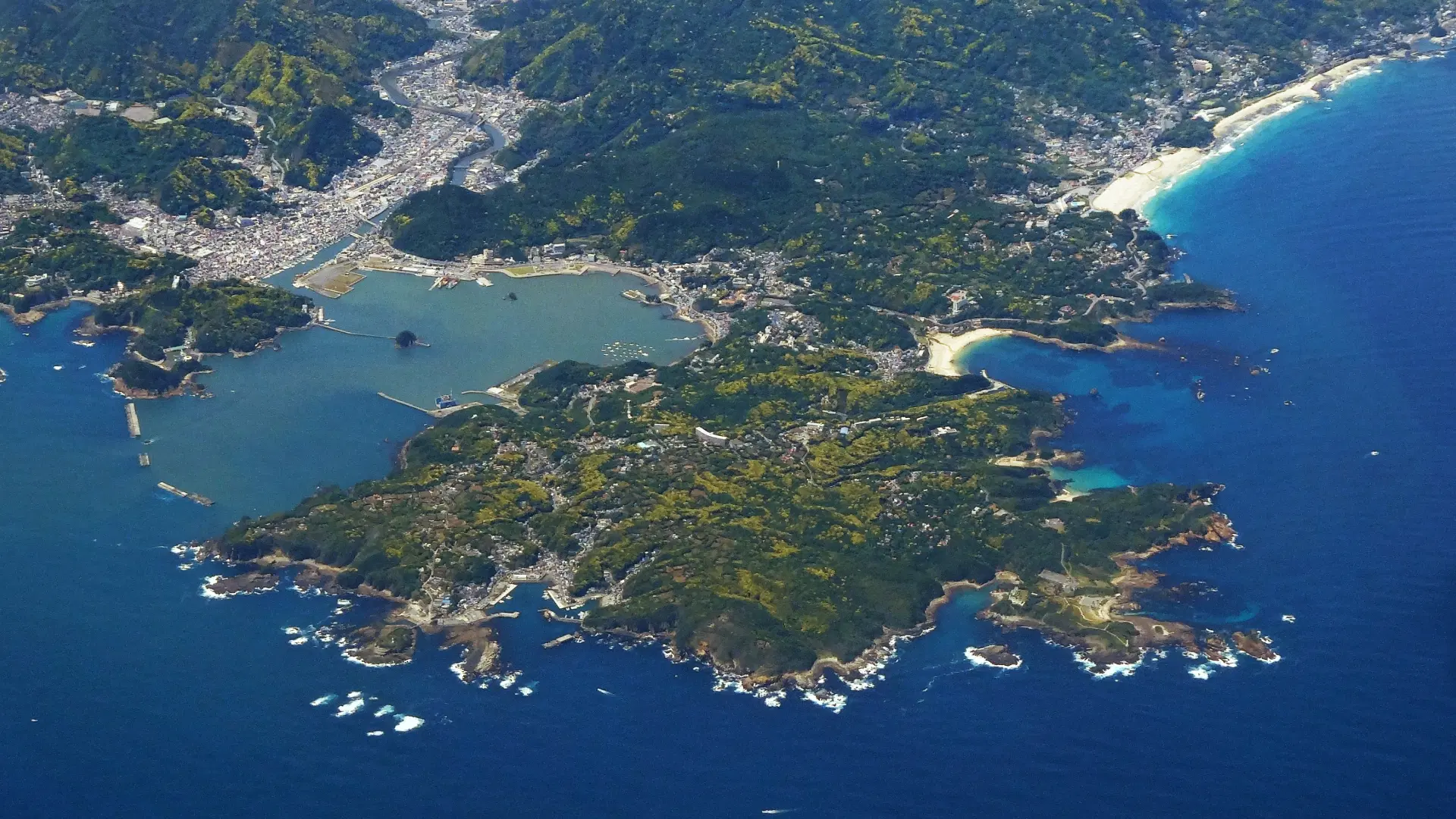
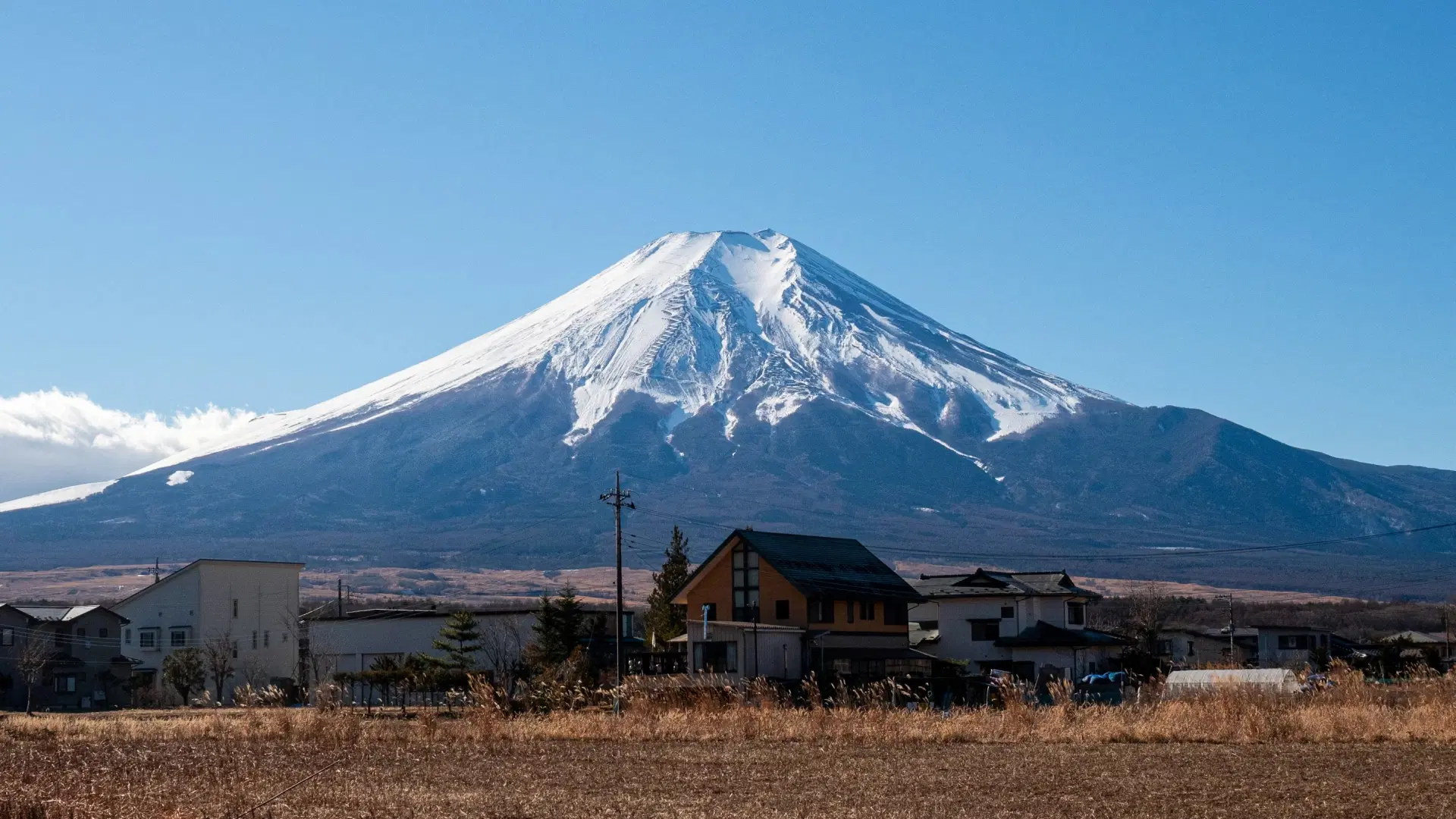
静岡県Shizuoka is a prefecture of generous abundance, stretched along the Pacific coast where the warm Kuroshio Current moderates the climate and Mount Fuji presides over everything from its northeastern flank. The Izu Peninsula, reaching south into the ocean like a hand extended in welcome, concentrates one of the highest densities of hot springs in all of Japan, its volcanic geology producing waters that range from simple alkaline to sulfur-rich, from seaside rock pools to forest-shrouded mountain baths.
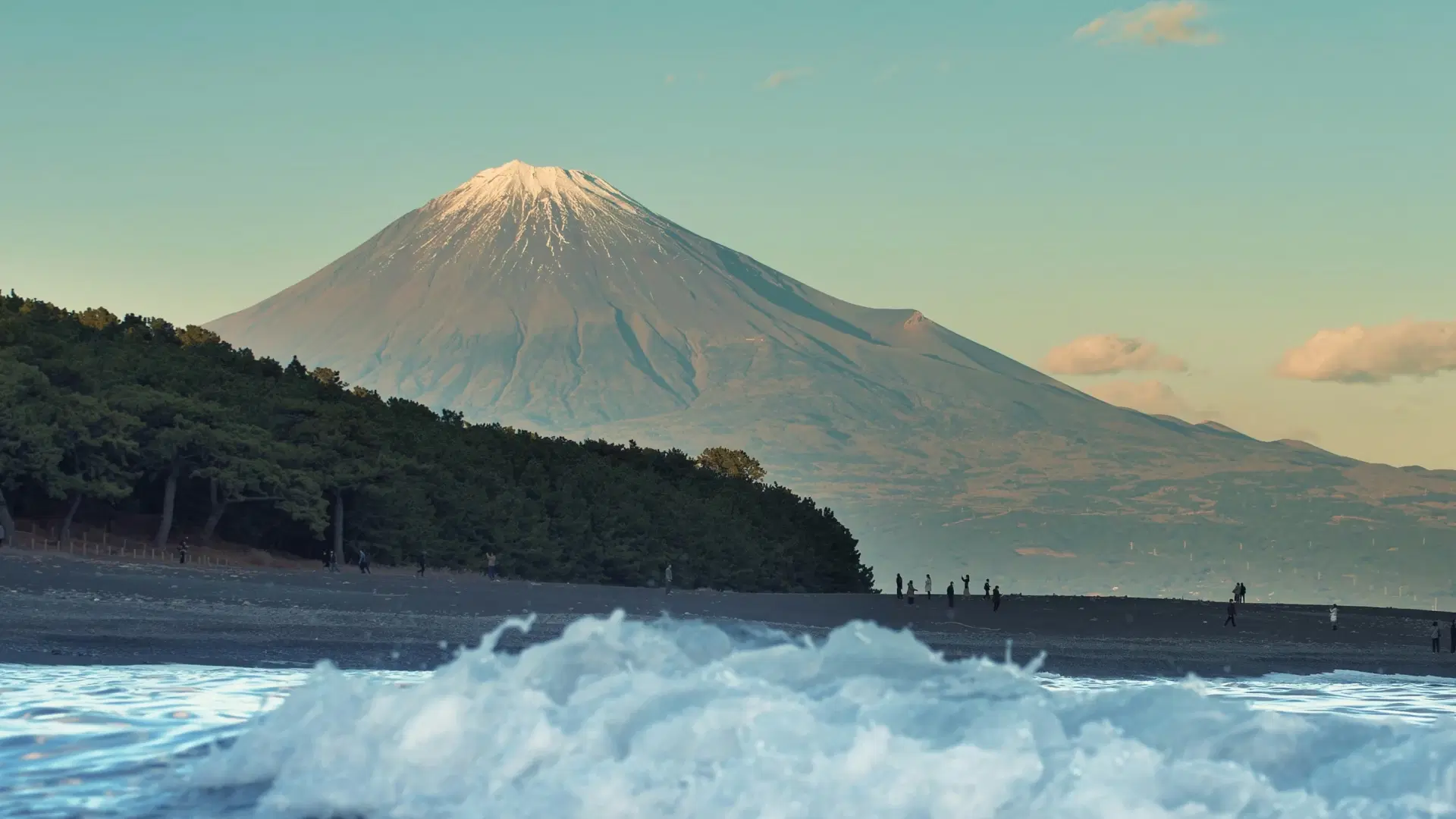
Tea defines the landscape of central Shizuoka as surely as rice defines Niigata. The terraced fields around Makinohara and the slopes of the Abe and Oi river valleys produce roughly forty percent of Japan's green tea, their orderly rows of clipped bushes creating a geometry of vivid green that is beautiful in its own right. Suruga Bay, one of the deepest bays in Japan, provides sakura-ebi (cherry blossom shrimp), shirasu (whitebait), and views of Fuji from Miho no Matsubara that have been celebrated since at least the eighth century. Atami and Shuzenji, hot spring towns with histories spanning centuries, continue to attract travelers seeking the particular Japanese pleasure of bathing, dining, and doing nothing with great intentionality. The wasabi fields of the Izu interior, fed by mountain springs of near-surgical purity, produce the finest wasabi in the world, a distinction that, once tasted at the source, renders all imitations irrelevant.
Shizuoka is a prefecture of generous abundance, stretched along the Pacific coast where the warm Kuroshio Current moderates the climate and Mount Fuji presides over everything from its northeastern flank.
Cultural Identity
Shizuoka's cultural identity is shaped by its historical position on the Tokaido, the great road between Edo and Kyoto. The post-towns along this route, while less preserved than those of the Nakasendo, left a legacy of hospitality and commerce that persists in the region's welcoming character. Tokugawa Ieyasu, the shogun who unified Japan, chose Shizuoka (then Sunpu) for his retirement, and the city's Sunpu Castle park commemorates his final years. The Izu Peninsula has long attracted writers and artists: Kawabata Yasunari set The Izu Dancer on its mountain roads, and the region's light, sea air, and hot springs continue to draw creative communities. Hamamatsu's musical instrument industry, producing Yamaha and Kawai pianos alongside a full range of instruments, makes it the acoustic heart of Japan. The lacquerware tradition of Suruga, known for its bamboo-weave technique, produces objects of distinctive delicacy.
Culinary Traditions
Shizuoka's cuisine begins and ends with freshness. Sakura-ebi, the tiny pink shrimp harvested only from Suruga Bay, are served raw in glistening heaps, dried to a crisp, or mixed into kakiage tempura that shatters at the first bite. Fresh wasabi, grated on sharkskin at the table, bears almost no resemblance to the tube paste most of the world knows; it is fragrant, complex, and almost sweet, with a heat that rises and dissipates cleanly. Shizuoka oden, simmered in a dark broth made with beef tendon stock and dusted with fish powder, is the street food of the capital city, served from simple stalls. Unagi from Lake Hamana, grilled over charcoal in the Kanto style, is considered among the finest freshwater eel in Japan. The tea of Shizuoka, whether as sencha or the deep-steamed fukamushi style, defines green tea for most Japanese households.
Waters & Onsen
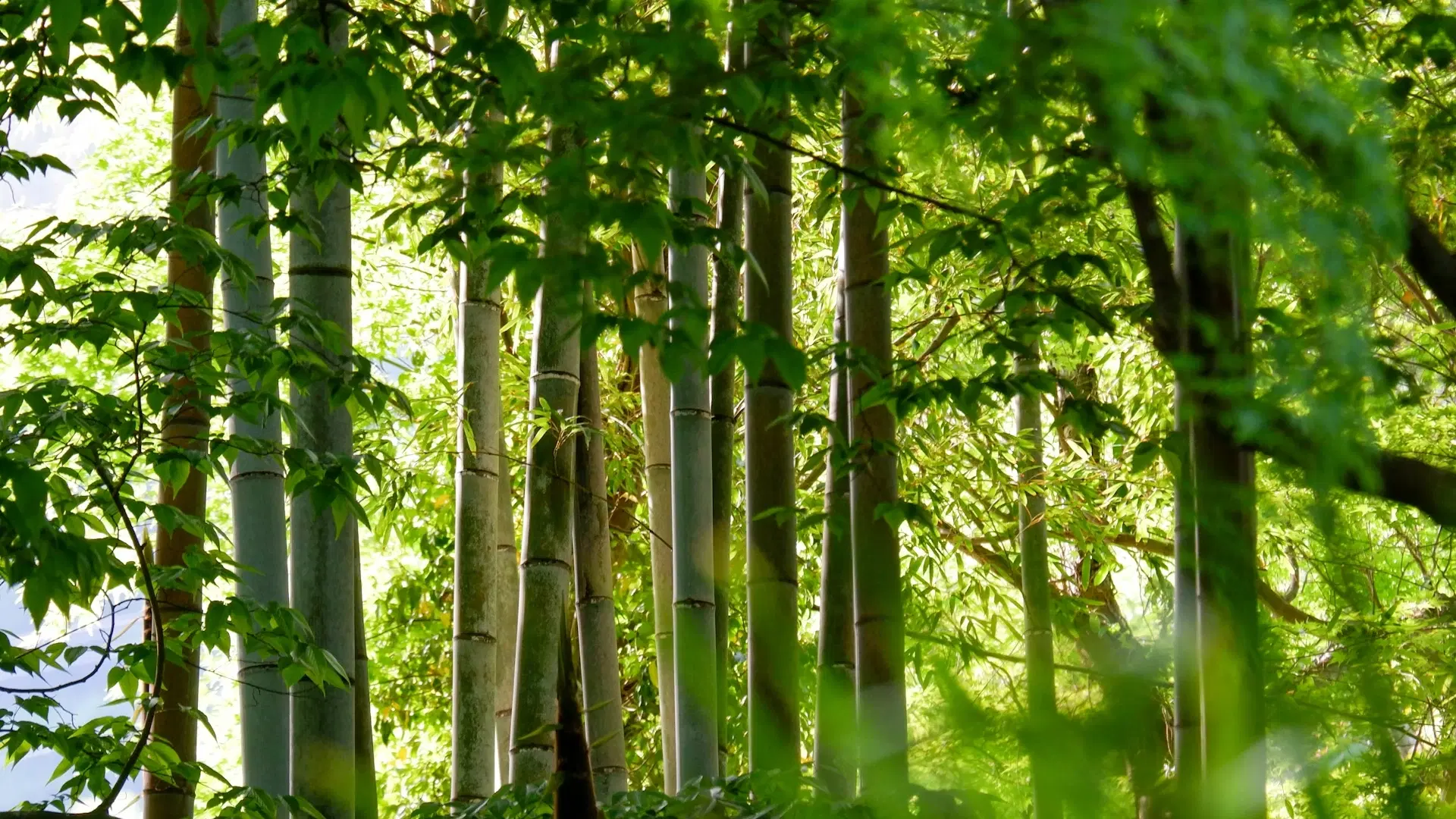
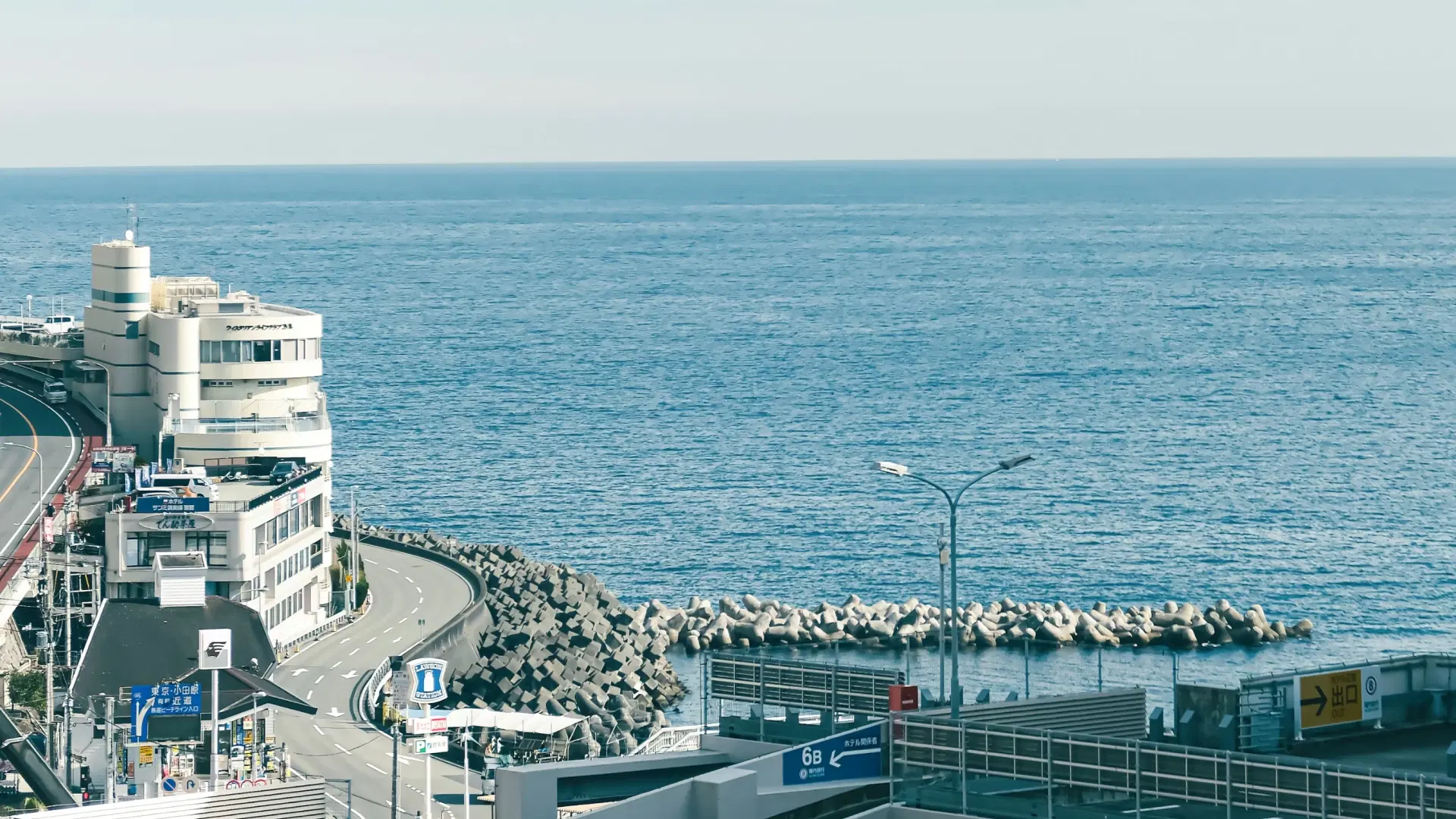
The Izu Peninsula is a bathing paradise, its volcanic geology generating hundreds of hot spring sources across a compact geography. Shuzenji, in the mountainous interior, is the peninsula's most storied onsen town, its bamboo-shaded public bath on the Katsura River dating to the eighth century and the founding legend of Kobo Daishi. Atami, on the eastern coast, has reinvented itself from its postwar mass-tourism reputation into a town of boutique ryokan, contemporary art, and ocean-view baths where steam mingles with salt air. Shimoda, at the peninsula's southern tip, offers open-air seaside onsen with Pacific views and a historical connection to the arrival of Commodore Perry. The western coast village of Dogashima features cave baths where thermal waters and ocean waves meet. Throughout Izu, the variety of spring types, from sodium chloride to sulfate to sulfur, ensures that each town offers a bathing experience distinct from its neighbor.