Kawazu Cherry Blossom Festival
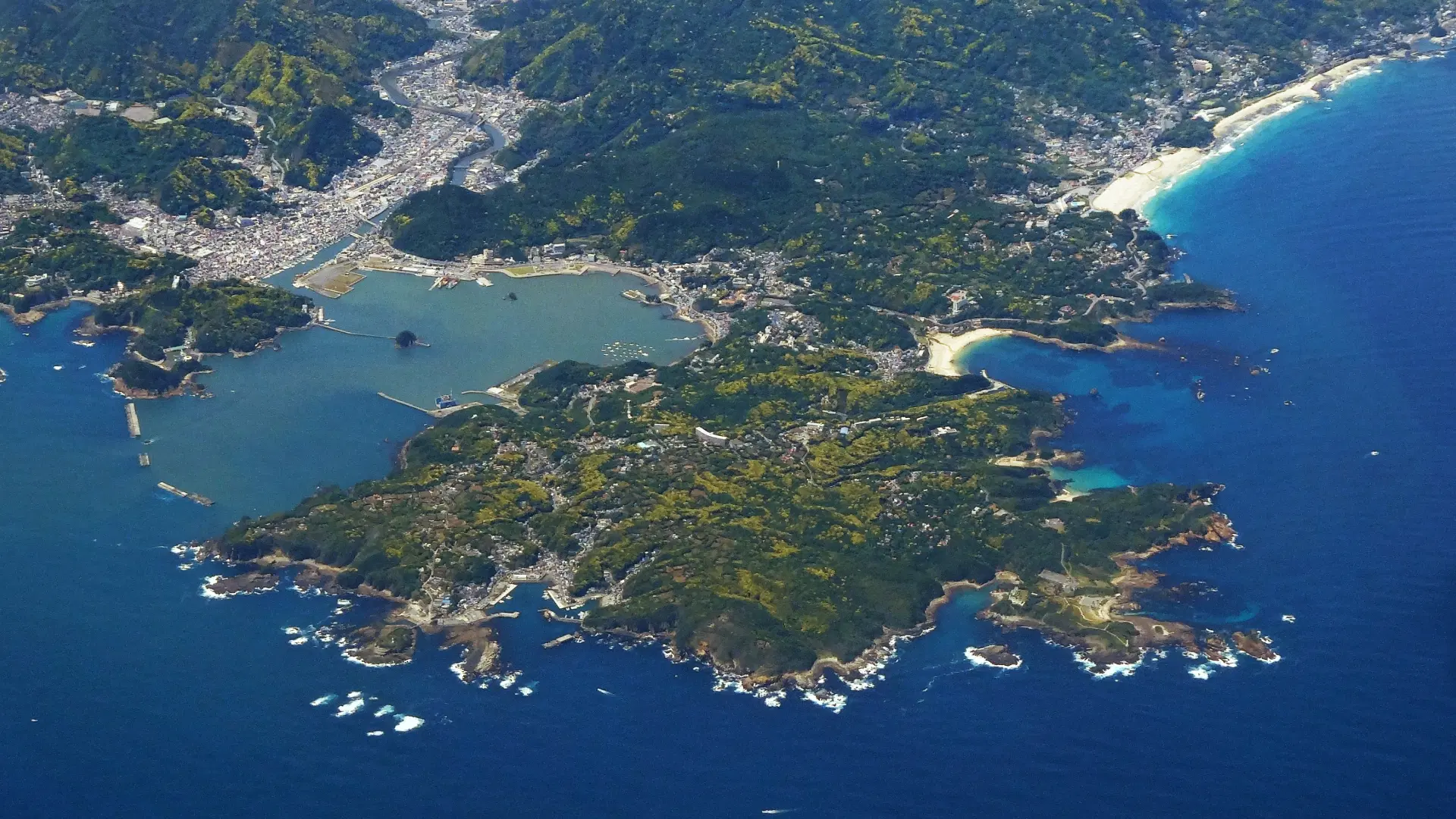
河津桜まつりThe Kawazu Cherry Blossom Festival announces the arrival of spring weeks before the rest of Japan is ready to hear it. In the small town of Kawazu, on the eastern coast of the Izu Peninsula, a particular variety of cherry tree, the Kawazu-zakura, begins to bloom in early February, its deep pink flowers opening along the banks of the Kawazu River in a display that extends across nearly a month, far longer than the fleeting one-week bloom of the somei-yoshino that dominates the national hanami season later in spring. The combination of early timing, prolonged flowering, and the intensity of the blossoms' color creates a cherry viewing experience that is unique in Japan and that draws over a million visitors to this town of barely eight thousand residents.
The approximately eight hundred Kawazu-zakura trees lining both banks of the Kawazu River create a tunnel of color that stretches for nearly four kilometers from the coast to the foothills. The trees' deep pink blossoms, darker and more saturated than the pale somei-yoshino, produce a visual warmth that seems almost defiant against the cold February air, and the contrast between the flowers' tropical intensity and the winter landscape surrounding them gives the festival its particular emotional character: a promise kept before it was expected, beauty arriving ahead of schedule.
The discovery of the Kawazu-zakura variety is itself a story of botanical serendipity. In 1955, a local resident found a young cherry tree growing beside the Kawazu River and transplanted it to his garden, where it bloomed for the first time in 1966. The tree's unusually early flowering and extended bloom period were recognized as exceptional, and the variety was formally identified and named in 1974. The subsequent planting of Kawazu-zakura along the river transformed the town's identity and created a festival that has become one of the most anticipated early-spring events in the country.
The Kawazu Cherry Blossom Festival announces the arrival of spring weeks before the rest of Japan is ready to hear it.
History & Significance
The festival began in 1981, a quarter century after the discovery of the original tree, when the town organized its first coordinated viewing event along the riverbank. The early years attracted modest numbers of visitors, primarily from the surrounding Izu region, but as the distinctive beauty of the early-blooming variety became known through media coverage and word of mouth, attendance grew rapidly. By the 1990s, the Kawazu Cherry Blossom Festival had established itself as a nationally recognized event, its timing filling a gap in the Japanese flower-viewing calendar between the plum blossoms of January and the cherry blossoms of late March.
The growth of the festival has been accompanied by careful stewardship of the trees themselves. The town has invested in arboricultural expertise to maintain the health of the riverside plantings, and new Kawazu-zakura have been added to extend the flowering corridor and replace aging specimens. The variety has also been propagated and planted throughout Japan, appearing in parks and gardens from Kyushu to Kanto, but the riverside planting in Kawazu remains the definitive expression of the variety, the place where the density of trees, the proximity of the river, and the backdrop of the Izu mountains combine to create the most complete and atmospheric viewing experience.
What to Expect
The festival route follows the Kawazu River from the coast to the upper reaches, with the densest concentration of trees along the first three kilometers. Walking paths on both banks allow visitors to traverse the full length of the flowering corridor, and the experience shifts subtly along the route: the lower sections, nearer to the town center, are lined with food stalls and souvenir shops, while the upper reaches are quieter and more naturalistic, the trees arching over the narrowing river in compositions that feel increasingly intimate. The flowering of rapeseed along the riverbanks adds a second color to the spectacle, the bright yellow of the nanohana contrasting with the deep pink of the cherry blossoms in combinations that seem almost choreographed.
Nighttime illumination of select sections of the riverbank extends the viewing hours and transforms the experience. The lit blossoms against the dark sky take on a luminous, almost phosphorescent quality, their color deepening in the artificial light, and the reflections in the river double the display. The evening atmosphere is quieter than the daytime crowds, and the walk along the illuminated corridor has a contemplative quality that the festival's daytime bustle obscures.
The original Kawazu-zakura tree, growing in the garden where it was transplanted in 1955, can be visited a short walk from the river. Now more than seventy years old, the tree has been designated a Natural Monument of Kawazu Town, and seeing the single specimen whose chance discovery gave rise to an industry, a festival, and a new chapter in Japan's relationship with cherry blossoms provides a moment of quiet reflection amid the festival's sensory abundance.