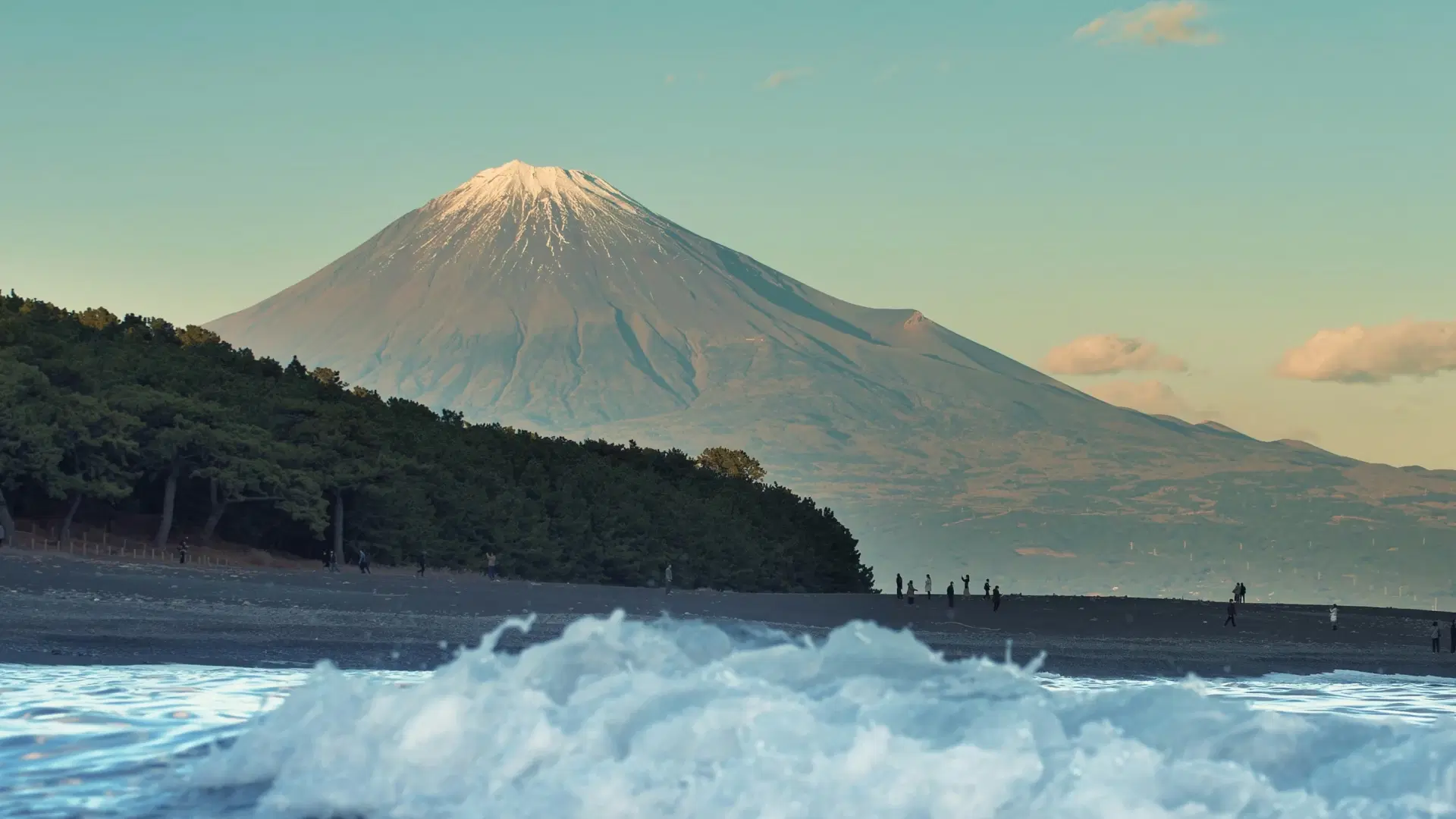
Fuji-san Opening Season
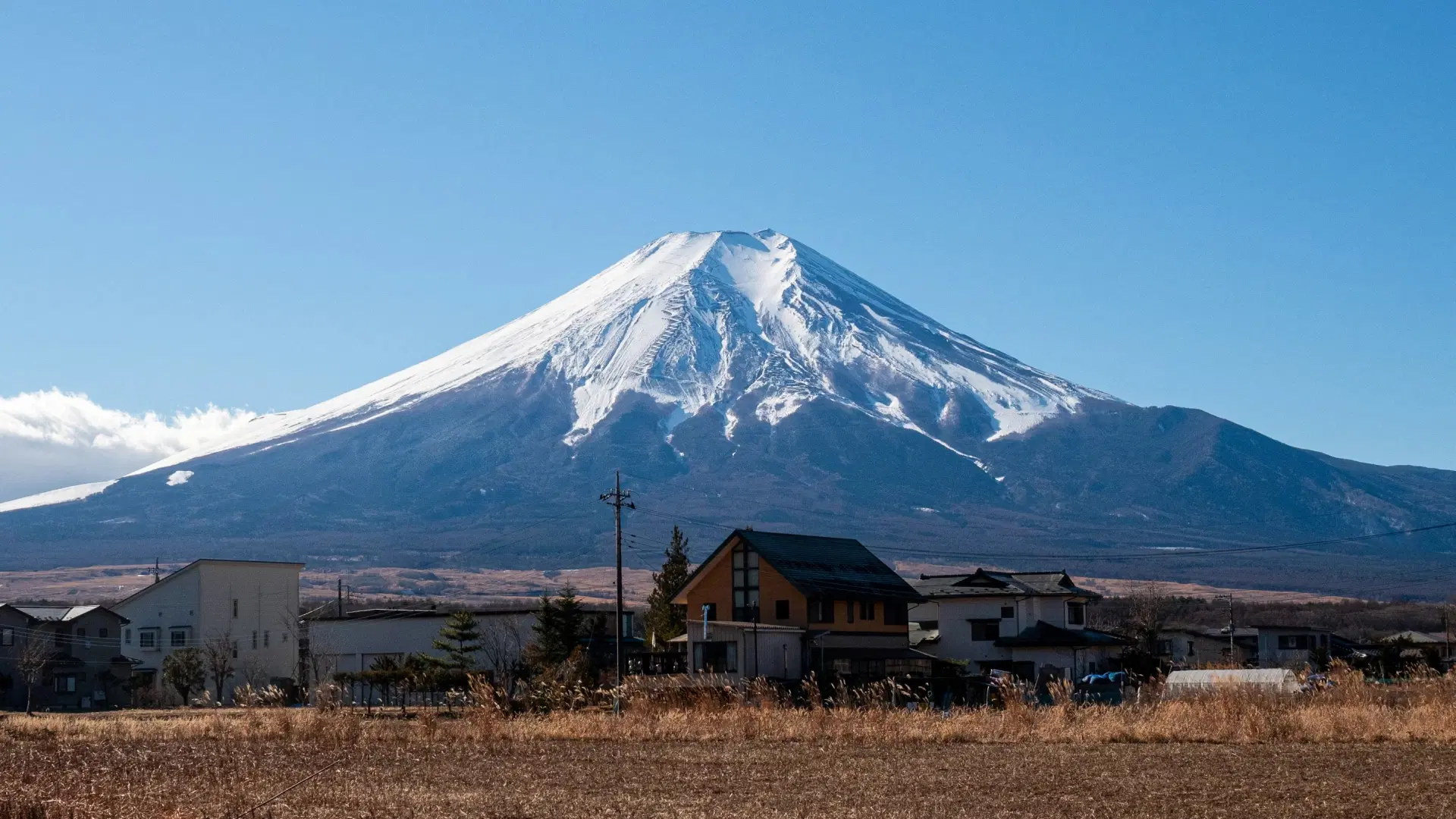
富士山開山The official opening of Mount Fuji's climbing season on July 1 marks the beginning of a seventy-two-day window during which the most iconic mountain on earth receives its pilgrims, athletes, and dreamers. The opening is not a casual administrative detail but a moment freighted with centuries of spiritual meaning: the mountain trails are formally unsealed, the mountain huts stir to life, and the ancient act of ascending Fuji becomes once again available to those who seek the summit. The Shizuoka side of the mountain offers three of the four official climbing routes, each presenting a distinct encounter with the volcano's geology, its weather systems, and the physical and psychological demands of ascending 3,776 meters above the Pacific.
The Fujinomiya Trail, the shortest and steepest of the Shizuoka routes, departs from the highest trailhead and delivers climbers to the summit with an efficiency that leaves little room for the gradual acclimatization that gentler approaches permit. The Subashiri Trail begins in forest, its lower reaches passing through a landscape of birch and larch before emerging above the tree line into the volcanic scree that defines Fuji's upper slopes. The Gotemba Trail, the longest and least crowded, offers the most solitary experience, its remote starting point and considerable distance filtering the crowd to those whose commitment to the mountain exceeds their desire for convenience.
The experience of climbing Fuji during the official season is one of Japan's defining physical and spiritual encounters. The mountain's perfect symmetry, so familiar from postcards and woodblock prints, dissolves at close range into a landscape of raw volcanic terrain, loose cinder, and weather that can shift from sunshine to whiteout in minutes. The summit sunrise, goraiko, watched from above the clouds after a night climb through darkness and cold, is an experience that has moved Japanese poets, painters, and pilgrims for centuries, and whose emotional impact remains undiminished by the mountain's modern popularity.
The official opening of Mount Fuji's climbing season on July 1 marks the beginning of a seventy-two-day window during which the most iconic mountain on earth receives its pilgrims, athletes, and dreamers.
History & Significance
Mount Fuji's identity as a sacred peak predates recorded Japanese history, its symmetrical form interpreted across millennia as a manifestation of divine presence in the physical world. The tradition of climbing Fuji as a spiritual practice was formalized during the Edo period by the Fujiko, religious confraternities whose members understood the ascent as a form of death and rebirth, the climber leaving the mundane world at the mountain's base and entering the realm of the sacred as altitude increased. The opening date of July 1 derives from these religious traditions, which designated the first day of the seventh month as the moment when the mountain deity permitted human access to the upper slopes.
The formalization of the climbing season in its modern sense reflects both the mountain's spiritual heritage and the practical realities of alpine safety. Below the snowline, the trails are accessible year-round in theory, but the upper mountain remains snow-covered and exposed to extreme weather conditions outside the summer window, and the mountain huts that provide shelter, food, and emergency refuge operate only during the official season. The Shizuoka Prefecture government, in coordination with the Ministry of the Environment, manages access to the Shizuoka-side trails with increasing attention to conservation, crowd management, and the preservation of the mountain's UNESCO World Heritage status, granted in 2013 in recognition of Fuji's significance as a sacred site and source of artistic inspiration.
What to Expect
The climb from any of the Shizuoka-side trailheads to the summit takes between five and ten hours depending on the route, fitness level, and conditions. Most climbers depart in the afternoon, spend the night at a mountain hut between the seventh and eighth stations, and resume the ascent in the predawn hours to reach the summit for sunrise. The mountain huts, spaced along the routes at intervals of roughly one hour's climbing, offer basic sleeping arrangements, hot meals, and the critical shelter that makes the overnight ascent viable. The experience of lying in a crowded hut at 3,000 meters, listening to the wind and the breathing of fellow climbers, waiting for the alarm that will signal the final push to the summit, is an exercise in communal anticipation that bonds strangers into temporary fellowship.
The summit itself is a volcanic crater rim, and the tradition of ohachi-meguri, circumnavigating the crater, rewards those with remaining energy with views into the mountain's geological heart and panoramas that extend, on clear mornings, to the distant peaks of the Japan Alps. The sunrise, when it arrives above the cloud sea that typically fills the valleys below, produces a light of such warmth and clarity that the exhaustion of the climb recedes entirely, replaced by the understanding of why generations of Japanese have considered this moment worth any physical price.
The descent, often underestimated, follows routes of loose volcanic cinder that allow a rapid, sliding pace but demand attention to footing and patience with joints already tested by the ascent. The Gotemba route's famous osunabashiri, a long stretch of deep volcanic sand, permits an exhilarating running descent that reduces hours of climbing to thirty minutes of controlled falling, the sand absorbing each impact and carrying the climber downward in great bounding strides.