Atami
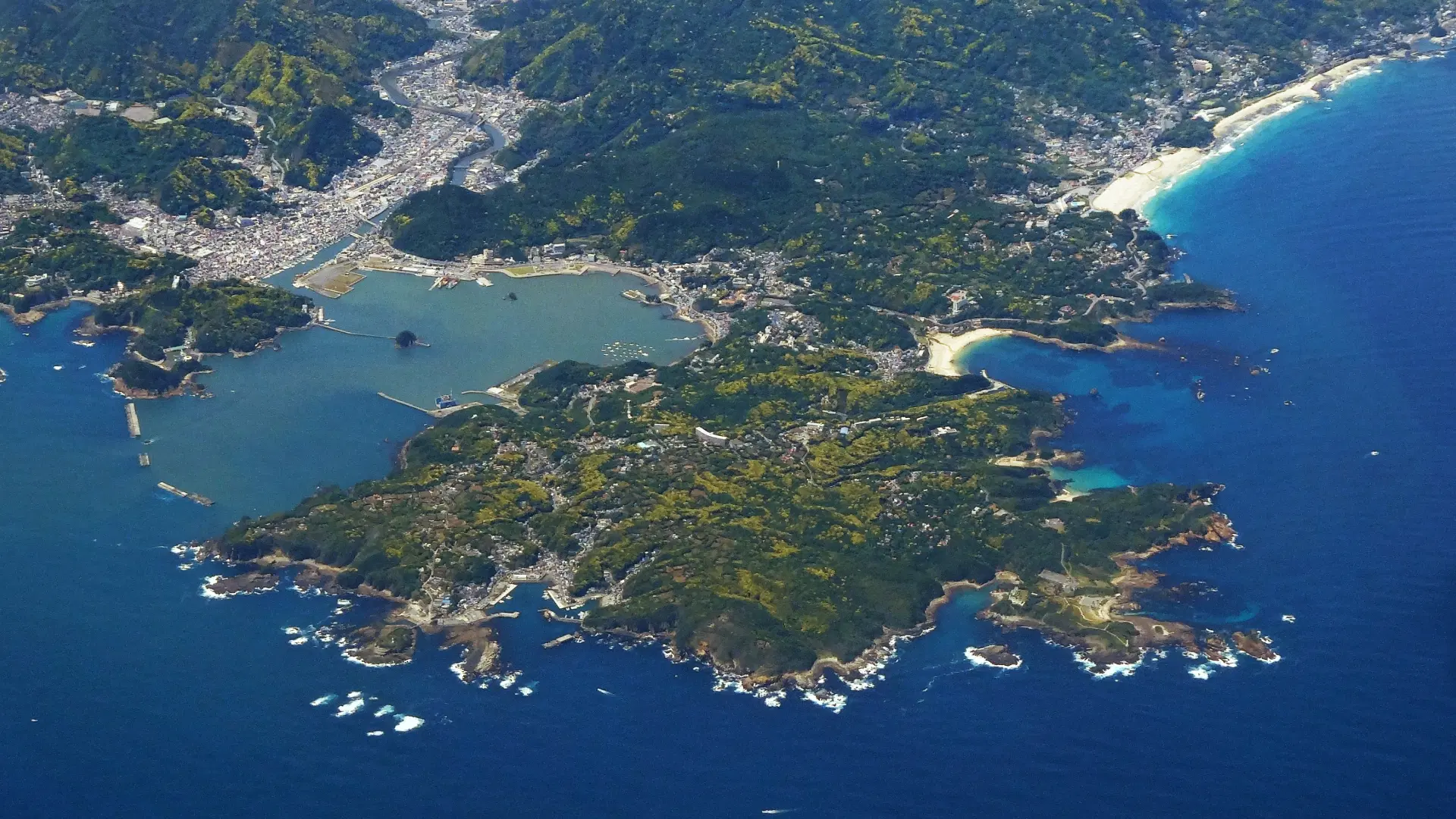
熱海Atami is a city of reinvention. Perched on the steep hillsides where the Izu Peninsula meets Sagami Bay, this hot spring resort has been a destination for bathing, convalescence, and pleasure since at least the eighth century, when the Nara court dispatched emissaries to collect its mineral-rich waters. The name itself, meaning "hot sea," refers to the volcanic springs that once boiled so close to the shoreline that the ocean water turned warm, and this geological drama, the collision of fire and water at the continent's edge, has defined the town's character through every era of its long history.
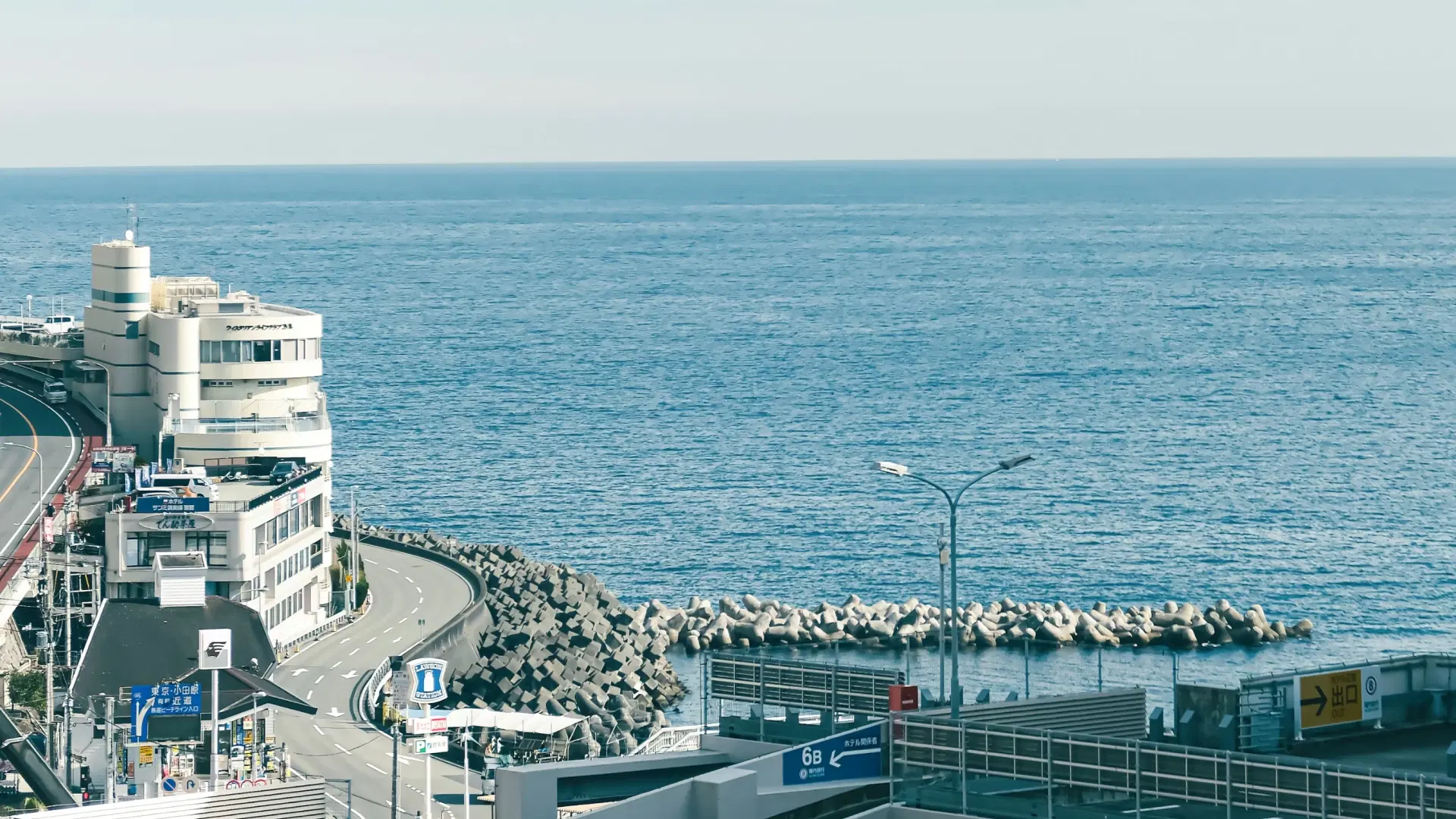
Atami's modern incarnation emerged in the postwar decades, when it became the honeymoon capital of Japan and a resort synonymous with the economic optimism of the growth era. Vast hotels rose along the cliffside, entertainment districts proliferated, and for a generation, an Atami weekend represented the accessible luxury of a newly prosperous society. The subsequent decades brought decline as travel patterns shifted and the massive hotels aged, but recent years have seen a renaissance driven by a new generation of visitors attracted to the town's combination of genuine onsen culture, dramatic coastal scenery, proximity to Tokyo, and the creative energy of entrepreneurs who have begun to reimagine the resort's hospitality and culinary offerings.
The result is a place of unusual contrasts. Elegant ryokans that have maintained their standards through every era stand beside contemporary boutique properties that have brought new design sensibilities to the cliffside. Historic gardens share the steep terrain with newly opened galleries and cafes. And the hot springs themselves, Atami's irreducible asset, continue to deliver water of exceptional quality and volume, their mineral character unchanged by the transformations of the surface world above.
Highlights
The MOA Museum of Art, set atop a hill above the town with panoramic views over Sagami Bay, is one of the finest private collections in Japan and Atami's premier cultural institution. The museum, founded by the Mokichi Okada Association, houses a collection that spans Japanese and East Asian art from the Jomon period through the modern era, with particular strengths in ukiyo-e, ceramics, and lacquerwork. The building itself, accessed by a series of escalators that ascend through a long tunnel before opening onto the clifftop galleries, creates an experience of spatial revelation that mirrors the collection's movement through historical periods. The Noh theater within the museum hosts performances that position the ancient art against the backdrop of the Pacific, and the museum's garden, designed in the tradition of the great daimyo strolling gardens, provides a contemplative space between gallery visits.
The Atami Plum Garden, Atami Baien, is the finest early-spring plum viewing site in the Kanto region, its 472 trees representing 58 varieties of ume arranged across a hillside traversed by streams, bridges, and walking paths. The plum blossoms open from mid-January through early March, weeks before the cherry blossoms that draw larger crowds elsewhere, and the garden's winter flowering creates a sense of seasonal privilege, a beauty available only to those who venture out before the calendar insists that spring has arrived. The fragrance of the blossoms, sweet and faintly spiced, fills the garden on warm days and provides an olfactory dimension that cherry blossom viewing largely lacks.
The Kiunkaku, a restored early-twentieth-century villa that once operated as a luxury ryokan, offers a glimpse of Atami's golden age. The building combines Japanese and Western architectural elements with a confidence that reflects the cosmopolitan aspirations of the Taisho and early Showa elite, and its garden, designed to incorporate views of the ocean, demonstrates the integration of natural beauty and constructed environment that the best Japanese architecture achieves.
Culinary Scene
Atami's position at the meeting point of Sagami Bay and the open Pacific gives it access to a marine larder of exceptional range and quality. The morning catch at the nearby Ajiro and Atami fishing ports includes kinmedai, the golden-eyed snapper whose crimson skin and white, fat-rich flesh have made it the signature fish of the Izu Peninsula; aji, the horse mackerel that appears in sashimi, tataki, and the pressed sushi called ajizushi; and seasonal visitors including shirasu, the tiny whitebait that are served raw, boiled, or dried over rice in preparations of addictive simplicity. The himono, dried and salted fish prepared by shops along the harbor and throughout the town, represent one of Atami's oldest culinary traditions, the overnight drying concentrating the fish's umami into a flavor that intensifies when the fillet is grilled over charcoal at the breakfast table.
The ryokan kaiseki of Atami's finest properties draws on this coastal abundance while incorporating the mountain ingredients of the Izu interior. Wasabi, shiitake, and sansai from the peninsula's highlands appear alongside the seafood, and the best kitchens compose meals that move between ocean and mountain with the fluidity of the landscape itself. The town's recent culinary renaissance has also brought a new generation of independent restaurants, from inventive sushi counters to Italian-inflected seafood kitchens that draw on local ingredients with a creativity that respects tradition while refusing to be constrained by it.
Atami's craft beer scene, unexpected in a town of this size, has emerged as a complement to the traditional sake and shochu offerings, with several small breweries producing ales and lagers that pair naturally with the salt and richness of the local seafood.