Atami Fireworks
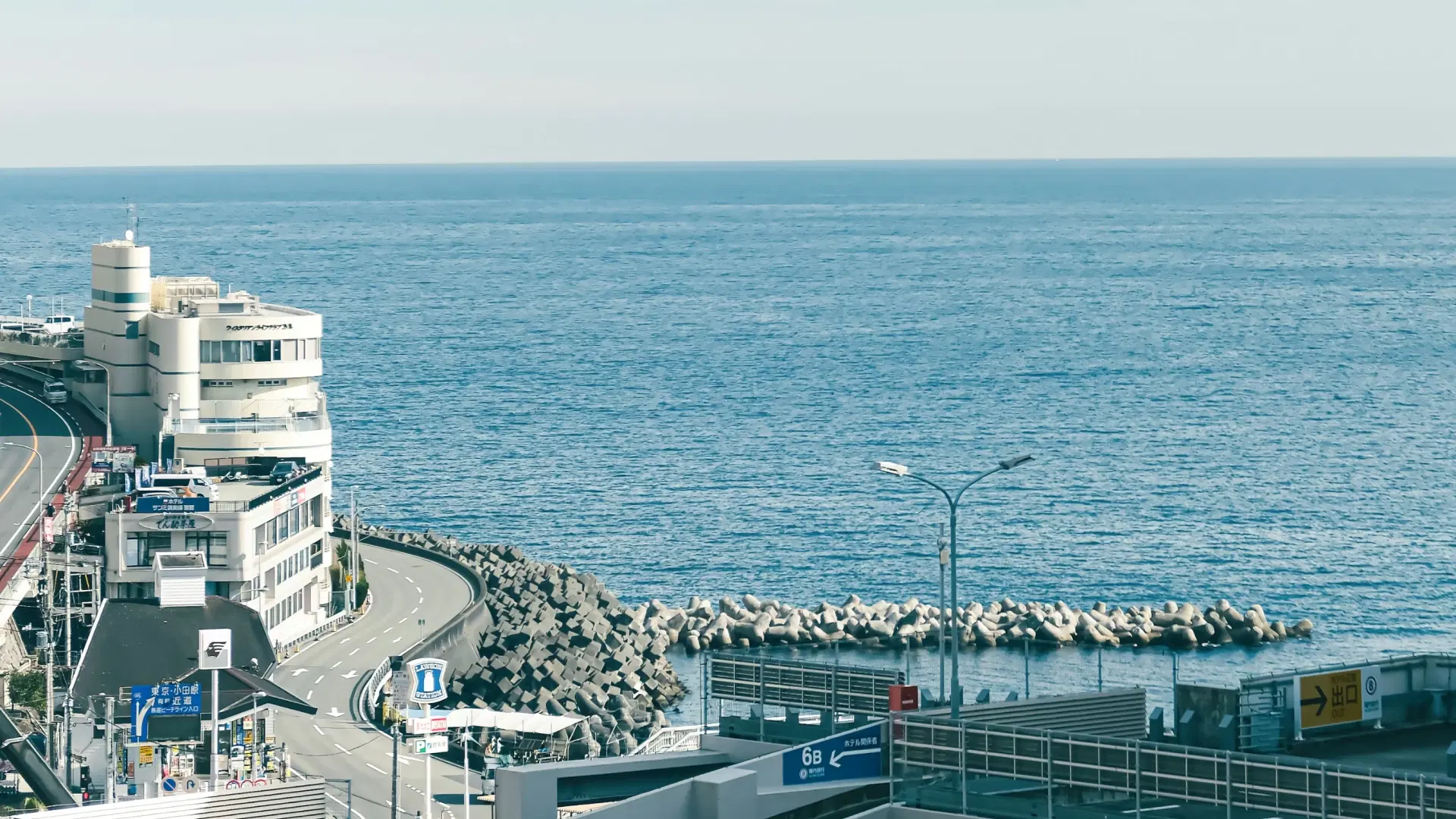
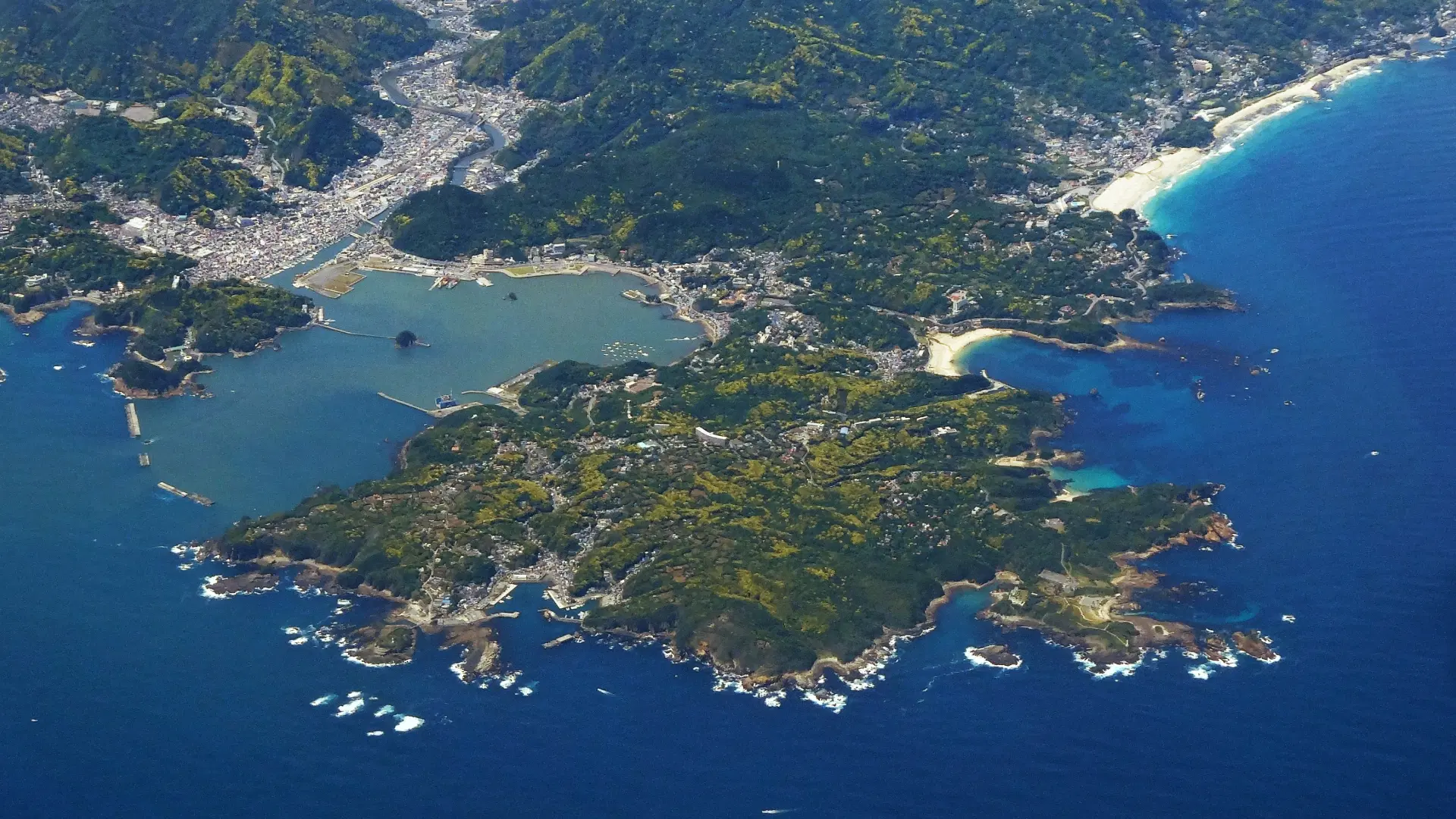
熱海海上花火大会The Atami Fireworks are not a single event but a year-round tradition that has become inseparable from the identity of this coastal onsen town. On approximately fifteen evenings throughout the year, from midsummer spectaculars to winter holiday displays, fireworks are launched from barges in Atami Bay, their explosions reverberating off the amphitheater of hillsides that surrounds the water and producing an acoustic effect that amplifies the visual display into a full-body sensory experience. The geography of Atami, a natural bowl of steep slopes facing a sheltered bay, creates what many pyrotechnicians consider the finest fireworks venue in Japan, the sound waves bouncing between the hillsides in rolling echoes that give each burst a depth and duration impossible in open settings.
The relationship between Atami and fireworks extends back to the postwar era, when the displays were initiated as a means of reviving the town's tourism industry and its collective spirit. Over the decades, the fireworks have evolved from occasional celebrations into a defining feature of the town's calendar, their regularity transforming them from events into rituals. For the ryokans and hotels perched on the hillsides above the bay, the fireworks are a natural extension of the bathing experience: guests soak in rooftop or cliffside onsen, watching the explosions reflected in both the bay and the bath water, the warmth of the spring and the concussive beauty of the display combining in a sensory experience that is uniquely Atami.
The variety of the displays throughout the year ensures that no two viewings are identical. The summer events, larger and more elaborate, draw the biggest crowds and feature the widest range of pyrotechnic techniques. The winter and spring displays, smaller in scale but more intimate in atmosphere, offer the advantage of clearer air, longer darkness, and the particular beauty of fireworks reflected in cold, still water.
The Atami Fireworks are not a single event but a year-round tradition that has become inseparable from the identity of this coastal onsen town.
History & Significance
The Atami fireworks tradition began in 1952, when the town organized its first seaside display as part of the broader effort to rebuild the resort's reputation and visitor base after the devastation of the war years. The early displays were modest, limited to a single summer evening, but the extraordinary acoustic and visual properties of the bay, discovered almost by accident during that first event, revealed a potential that subsequent decades would fully exploit. The natural amphitheater effect, in which the sound of the explosions reverberates between the surrounding hills for several seconds after each burst, was recognized as a phenomenon without parallel among Japan's many fireworks venues.
The expansion from a single summer event to a year-round calendar occurred gradually through the 1960s and 1970s, as the town recognized that regular displays provided a more sustainable economic benefit than a single annual spectacular. The current schedule, which distributes approximately fifteen events across all four seasons, was established by the 1990s and has proven remarkably resilient, surviving economic downturns, weather disruptions, and the changing dynamics of Japanese domestic tourism. The Atami fireworks are now among the most frequently staged public fireworks events in Japan, and their consistency has made them a reliable draw that complements rather than competes with the town's onsen culture.
What to Expect
Each display lasts approximately twenty to thirty minutes, a duration that maintains intensity without diluting impact. The fireworks are launched from barges anchored in the center of the bay, and the viewing arc extends along the entire Atami waterfront, from the beach promenade to the hillside hotels and the clifftop observation points above. The best public viewing is from the Sun Beach promenade, where the proximity to the launch barges maximizes both the visual and acoustic effect. The finale, typically a rapid-fire sequence that fills the entire sky above the bay with simultaneous bursts, produces the most intense acoustic reverberations, the sound building to a crescendo that seems to vibrate the very hillsides.
Many visitors choose to watch from the comfort of their ryokan or hotel. Properties with bay-facing rooms or rooftop baths offer what may be the most luxurious fireworks viewing in Japan: reclining in hot spring water while explosions of color bloom overhead, their reflections dancing on the water's surface at eye level. Several ryokans offer special fireworks-viewing dinner plans that combine kaiseki cuisine with reserved viewing positions on terraces or in private baths.
The atmosphere on the waterfront varies by season and day of the week. Summer weekend displays are the most crowded and festive, with food stalls, yukata-clad visitors, and the unmistakable energy of a Japanese natsu matsuri. Winter and spring displays attract smaller, more contemplative audiences, and the colder air produces sharper light and cleaner colors, compensating for any reduction in scale.