Shincha Season
新茶シーズンShincha season in Shizuoka is the green tea equivalent of Beaujolais Nouveau, a celebration of the year's first harvest that carries an anticipation rooted not in marketing but in genuine sensory revelation. Each spring, as temperatures rise and sunlight lengthens, the tea bushes that carpet the hillsides of Shizuoka Prefecture awaken from dormancy and produce their first flush of leaves, shoots so tender and so concentrated in flavor that they represent a fundamentally different beverage from the teas produced later in the year. The shincha, literally "new tea," harvested from late April through May, arrives at shops and tea houses with a freshness that is not figurative but literal: properly processed shincha tastes of spring itself, its vivid green liquor carrying notes of young grass, marine sweetness, and a gentle astringency that awakens the palate after the long months of stored tea.
Shizuoka, which produces the largest share of Japan's tea, is the epicenter of shincha culture, and the arrival of the first harvest transforms the prefecture into a landscape of purposeful activity. Pickers work the hillside plantations in the early morning, their hands moving through the bright green rows with a speed and selectivity that reflects generations of accumulated skill. Processing facilities run through the night, steaming, rolling, and drying the fresh leaves within hours of picking to preserve the volatile compounds that give shincha its distinctive character. And the tea shops of Shizuoka City, Kakegawa, Shimada, and towns throughout the prefecture display their first-flush offerings with a pride and ceremony that communicates the significance of the moment.
The experience of tasting truly fresh shincha, processed within hours and consumed within days of picking, is available only in the producing regions during this narrow window, and it is an experience that redefines what green tea can be. The difference between shincha tasted at source and the same variety consumed weeks or months later is not subtle; it is the difference between a living thing and its memory.
Shincha season in Shizuoka is the green tea equivalent of Beaujolais Nouveau, a celebration of the year's first harvest that carries an anticipation rooted not in marketing but in genuine sensory revelation.
History & Significance
Tea cultivation in Shizuoka traces its origins to the Kamakura period, when the monk Shoichi Kokushi is said to have brought seeds from China and planted them in the foothills above what is now Shizuoka City. The region's climate, with its mild winters, humid springs, and the morning mists that rise from the rivers to shade the young leaves, proved ideal for tea cultivation, and production expanded steadily through the Muromachi and Edo periods. By the Meiji era, Shizuoka tea had become a major export commodity, and the industry's infrastructure of plantations, processing facilities, and distribution networks was firmly established.
The cultural significance of shincha, the first harvest, has deep roots in Japanese tea tradition. The concept of hashiri, the first seasonal appearance of a food or drink, carries particular weight in a culture that organizes its aesthetic and culinary life around the turning of the seasons, and shincha represents one of the most eagerly awaited hashiri of the year. The formal tea ceremonies conducted with the first matcha of the season, the gifts of shincha exchanged between friends and business associates, and the simple pleasure of a first cup at a neighborhood tea shop all participate in a seasonal ritual that connects the contemporary consumer to centuries of agricultural practice and aesthetic appreciation.
What to Expect
Visiting Shizuoka during shincha season offers the opportunity to engage with every stage of the tea production process. Several plantations in the Makinohara Plateau, the Nihondaira hills, and the Kawane mountain valleys welcome visitors for guided tours that include walking the tea rows, observing the picking process, and watching the steaming and rolling that transform raw leaf into finished tea. The plantations' tasting rooms offer side-by-side comparisons of shincha varieties, and the guidance of experienced tea masters reveals dimensions of flavor, aroma, and texture that untrained palates might miss.
The tea shops and department stores of Shizuoka City devote their finest display spaces to shincha during this period, and the ritual of selecting, purchasing, and tasting the year's first tea is treated with a seriousness that communicates its cultural importance. Many shops offer the service of brewing shincha for customers before purchase, a practice that allows comparison between estates, elevations, and processing methods. The O-Cha Festival, typically held in Shizuoka City in early May, brings together producers, researchers, and enthusiasts for tastings, demonstrations, and discussions that celebrate the prefectural industry at its seasonal peak.
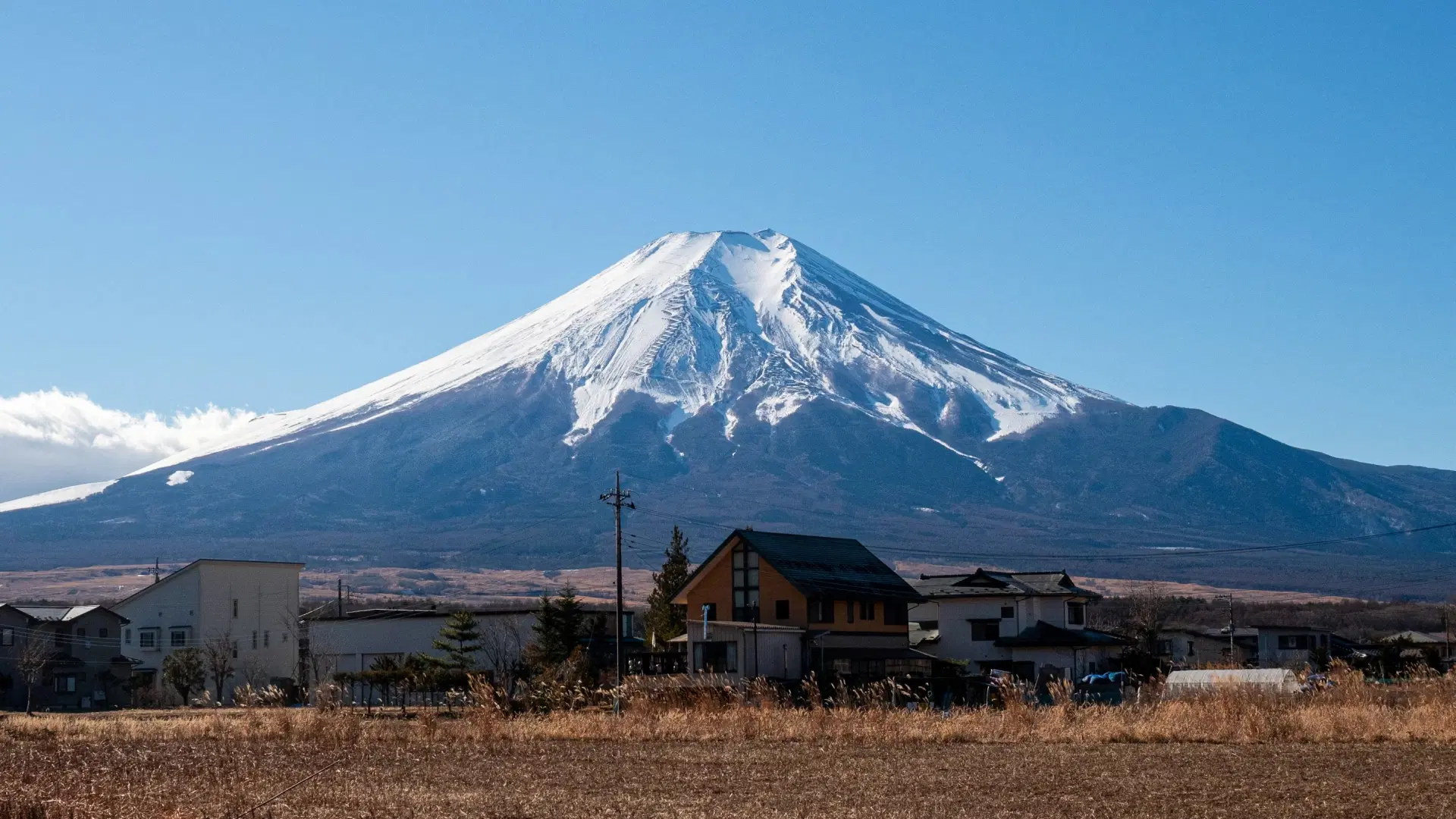
The visual beauty of the tea landscape during shincha season rivals its gustatory pleasures. The plantations, their hedgerows glowing in the vivid, almost fluorescent green of new growth, create geometric patterns across the hillsides that are among the most photogenic agricultural landscapes in Japan. The combination of tea-green hills, the snow-capped cone of Mount Fuji visible from many of the higher plantations, and the soft spring light produces compositions of color and form that are worth the journey even for those whose interest in tea itself is limited.