Shimoda Black Ship Festival
下田黒船祭The Shimoda Black Ship Festival commemorates one of the most consequential encounters in modern history with a spirit that is less solemn than celebratory, transforming the small harbor town where Commodore Perry's fleet anchored in 1854 into a weekend-long festival of parades, performances, and cross-cultural exchange. The event marks the anniversary of the Treaty of Shimoda, which opened Japanese ports to American trade and initiated the chain of transformations that would remake the nation in the span of a single generation. Yet the festival's tone is not one of historical grievance or nostalgia but of the particular warmth that can emerge when a community has fully absorbed a difficult history and chosen to celebrate the connections it produced.
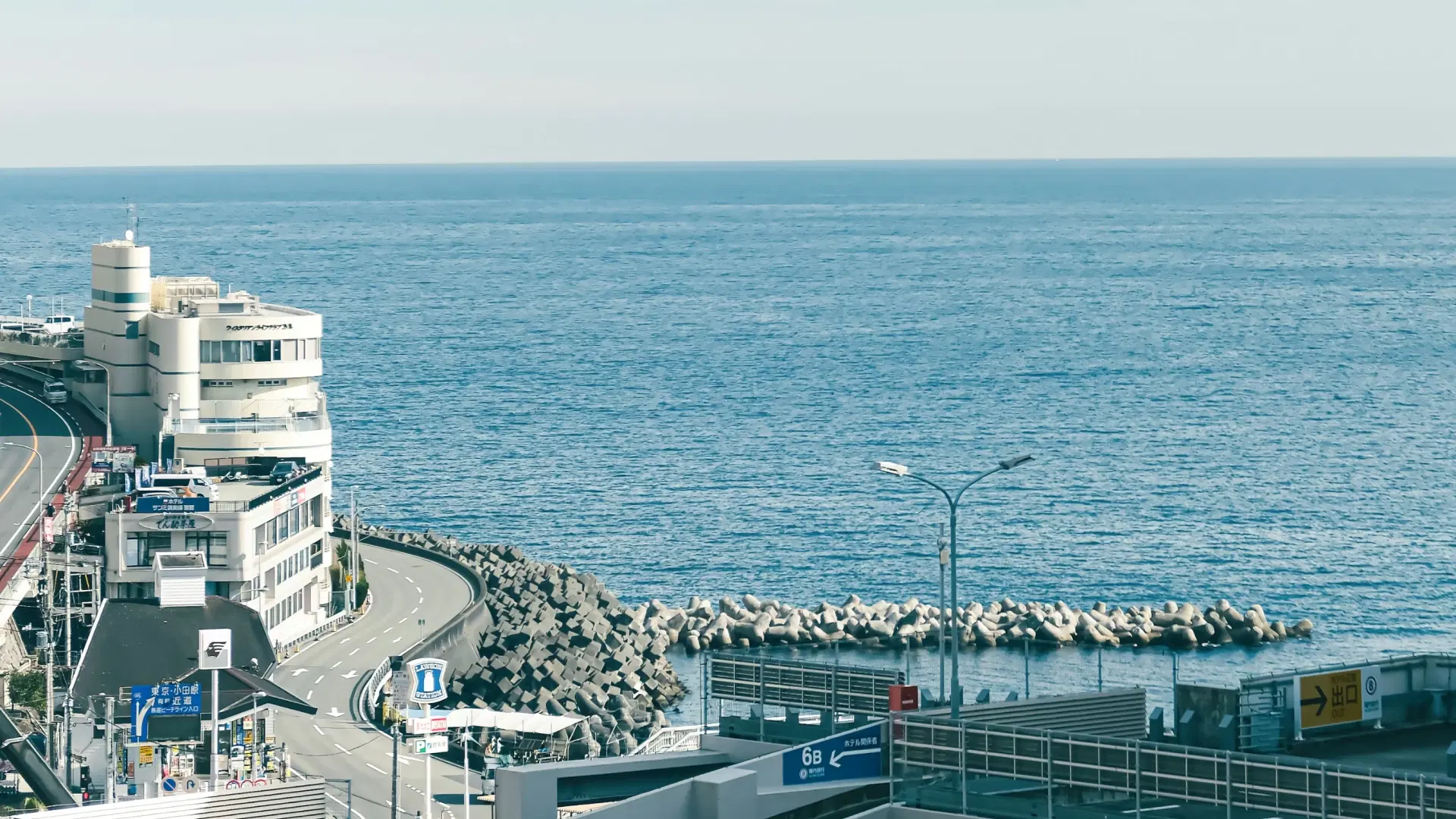
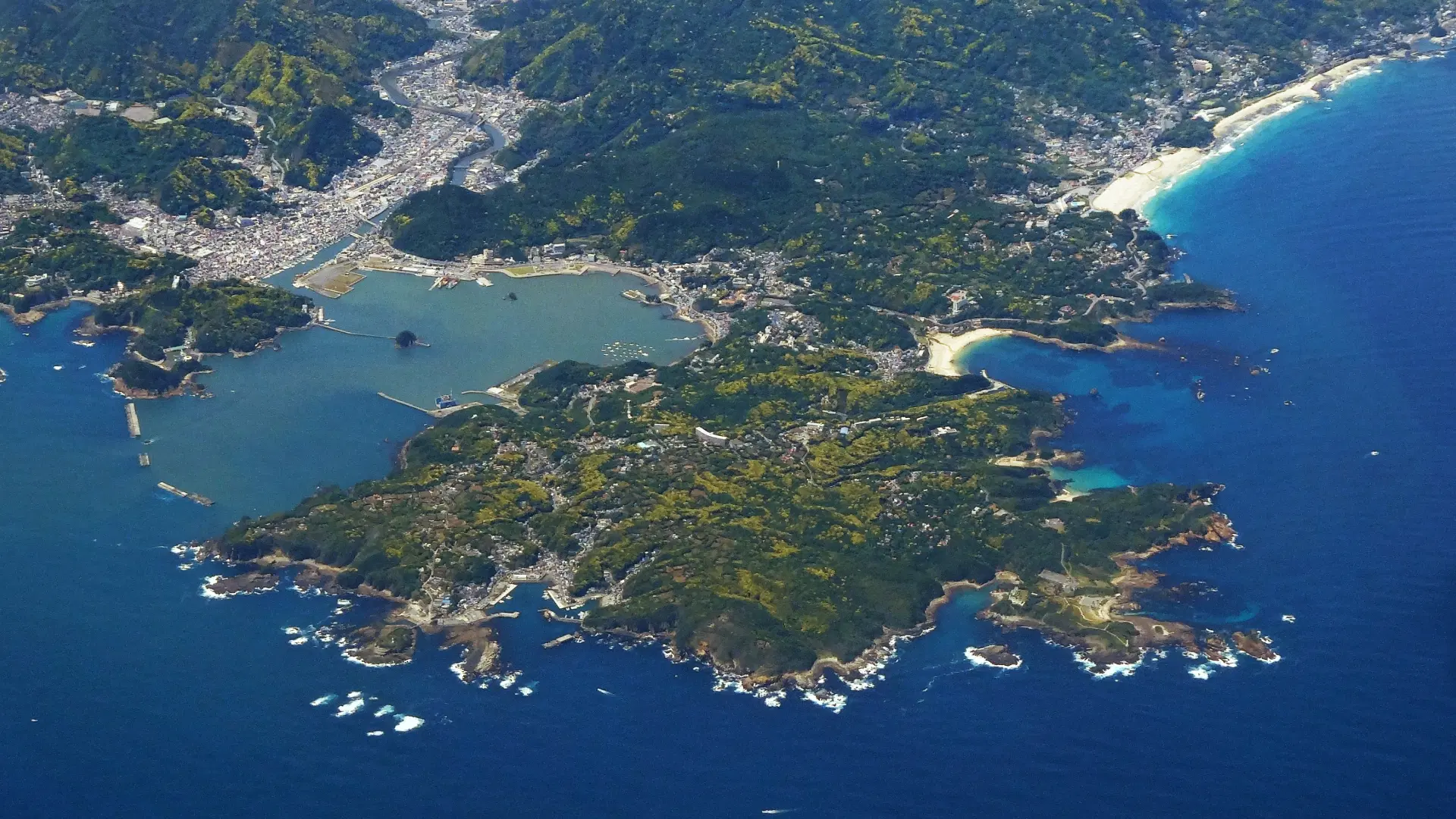
The harbor that received Perry's Black Ships remains Shimoda's geographic and symbolic center, and the festival uses the waterfront as its primary stage. A replica of one of Perry's ships anchors in the bay, American naval vessels occasionally participate in port calls, and the parade that moves through the town's streets mixes Japanese festival elements with Western marching bands, historical reenactors, and the flags of both nations. The cultural diplomacy that the original encounter lacked, conducted as it was under the implicit threat of naval bombardment, is supplied retrospectively by the festival's atmosphere of mutual curiosity and goodwill.
The Black Ship Festival is also one of the few Japanese festivals that explicitly engages with the town's relationship to the wider world, and this cosmopolitan quality gives it a character distinct from the inward-looking celebrations that dominate the Japanese festival calendar. The presence of international visitors, military personnel, diplomats, and scholars creates a weekend during which Shimoda becomes, as it briefly was in 1854, a point of contact between civilizations.
History & Significance
The festival was first organized in 1934, eighty years after Perry's arrival, as a local commemoration that acknowledged the historical significance of the events that had occurred in the town. The early festivals were modest affairs, focused primarily on the Japanese perspective and oriented toward historical education rather than celebration. The postwar period, with its emphasis on the Japanese-American alliance, transformed the festival into a vehicle for bilateral cultural exchange, and the involvement of the US Navy and the American Embassy elevated its profile and diplomatic significance.
The festival's evolution over the decades mirrors the broader trajectory of Japanese-American relations. In the immediate postwar years, the event carried overtones of reconciliation and the careful construction of a new partnership. As the alliance matured and the historical wounds of the war receded, the festival became more relaxed and genuinely festive, its diplomatic functions increasingly embedded in a broader celebration of cultural exchange and maritime heritage. Today, the Black Ship Festival is recognized as one of the most important commemorative events in the bilateral relationship, attended by diplomatic representatives of both nations and supported by both the Japanese and American governments.
What to Expect
The festival weekend centers on the main parade, which moves through Shimoda's historic streets from the harbor area past the namako-kabe warehouses and along Perry Road to the temple grounds where the treaty was negotiated. The parade features a colorful mix of historical reenactors portraying Perry's delegation and their Japanese counterparts, taiko drummers, marching bands from Japanese and American military bases, beauty queens, and community groups in period costume. The atmosphere is festive and inclusive, the narrow streets concentrating the energy of the procession and the spectators into an intimate, almost village-like celebration.
Musical performances on stages erected along the waterfront provide entertainment throughout the weekend, ranging from traditional Japanese music to jazz, rock, and the brass bands that give the festival its distinctively bicultural soundtrack. Food stalls along the harbor offer both Japanese festival staples and American-influenced fare, and the town's restaurants and bars are at their most lively. The harbor itself is the site of maritime displays, and when American naval vessels participate, the opportunity to tour the ships draws long but enthusiastic queues.
The more contemplative dimensions of the festival are found at Ryosenji Temple and the surrounding memorial sites, where the historical events are documented and the significance of the encounter is explored with an honesty and nuance that the parade's festive energy might otherwise obscure. The temple's museum, the Perry monument at the harbor, and the Townsend Harris memorial at Gyokusenji Temple provide the intellectual framework that gives the festival's celebration its depth.