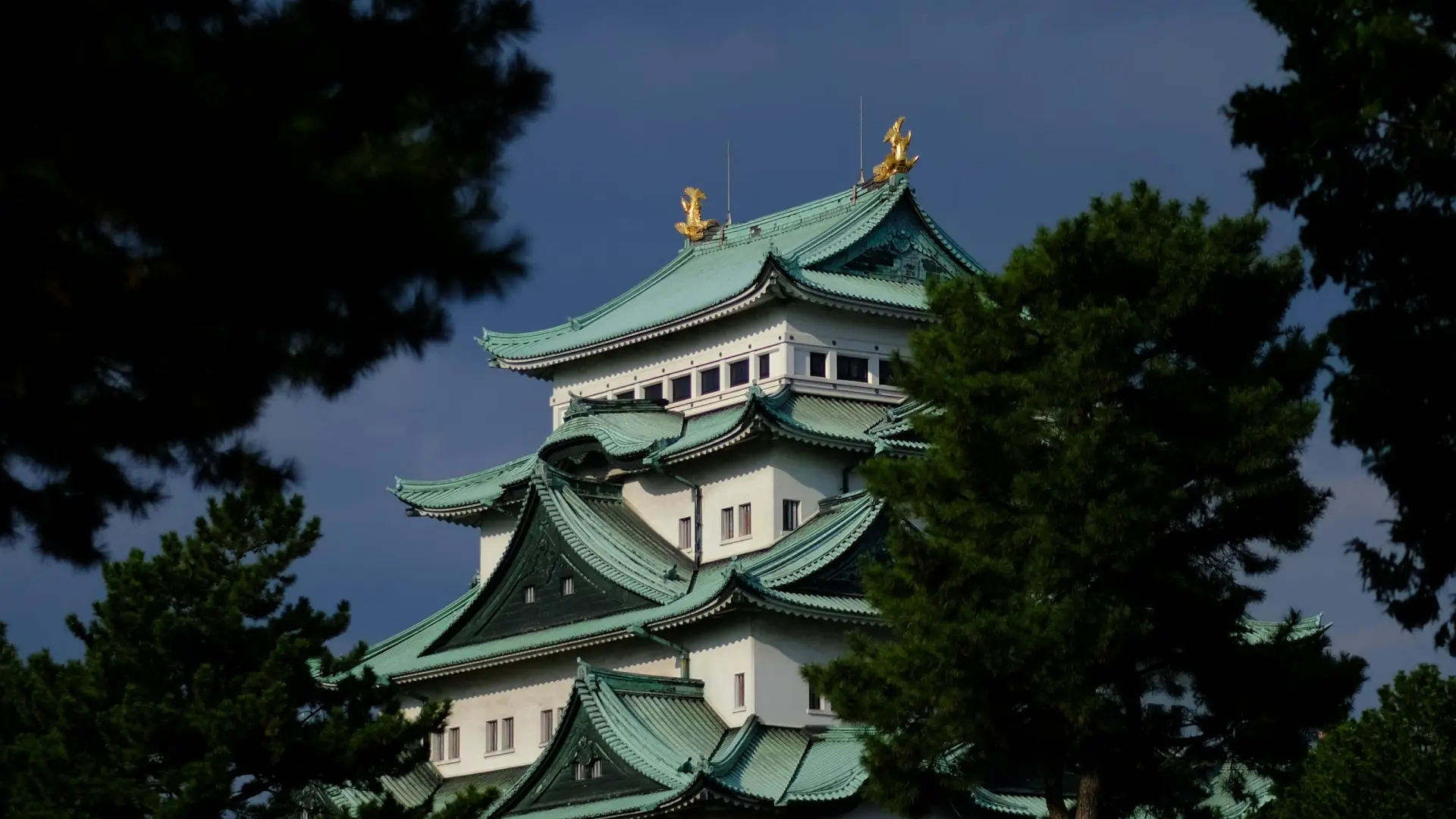
Chubu
中部Chubu encompasses the dramatic central highlands of Honshu and the coastlines that flank them: a region of extraordinary geographic and cultural diversity united by the towering presence of the Japan Alps. From the three-thousand-meter peaks of the Northern Alps to the traditional thatched-roof villages of Shirakawa-go, from the refined arts of Kanazawa to the austere mountain onsen of Okuhida, this is a region that rewards the traveler who ventures beyond the Tokaido corridor.
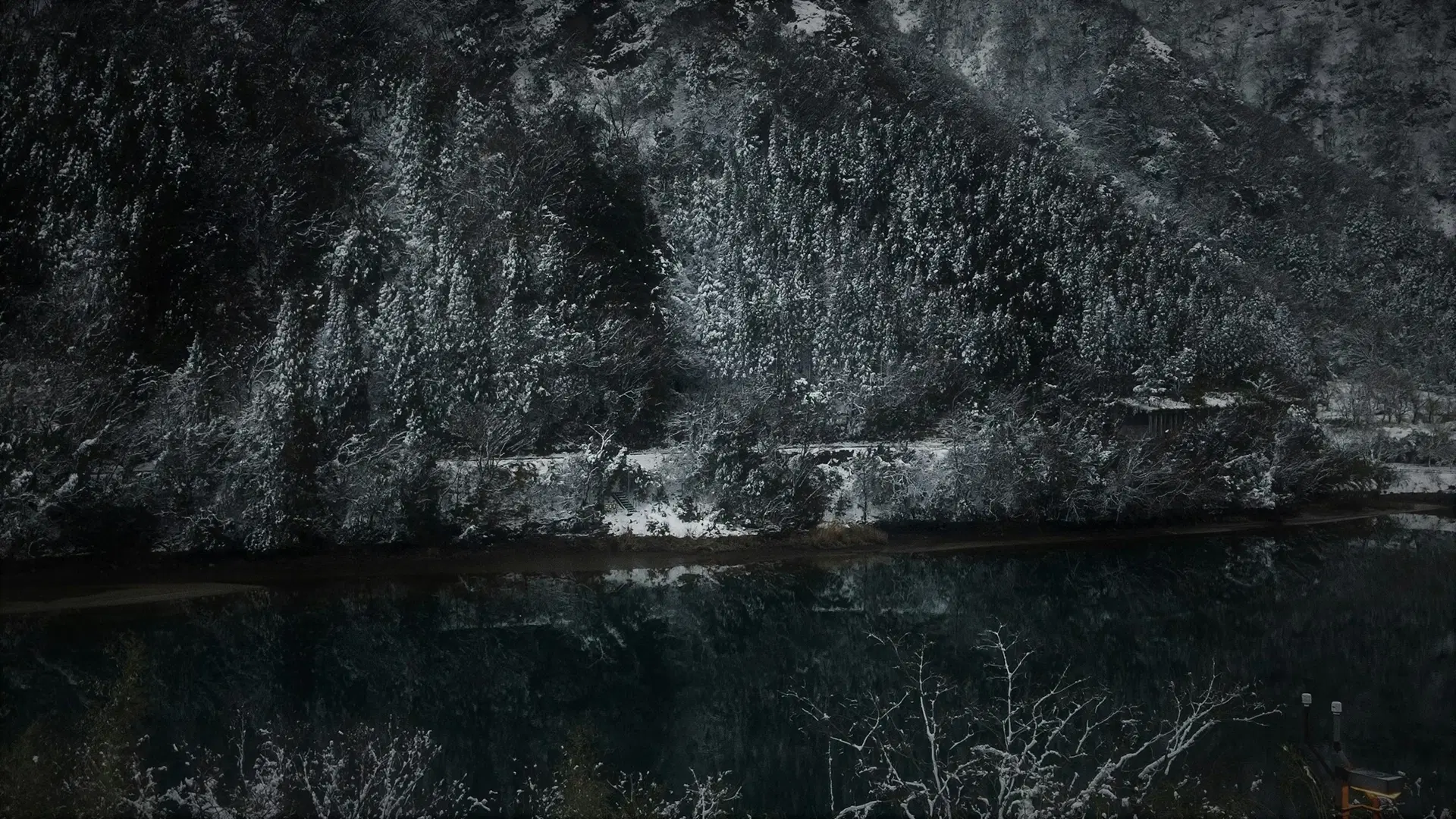
The Japan Alps (Kita, Minami, and Chuo) divide the region into distinct worlds. The Sea of Japan side, encompassing Niigata, Toyama, Ishikawa, and Fukui, receives prodigious snowfall and possesses a culinary and craft culture shaped by that snow: sake brewed with meltwater of extraordinary purity, lacquerware and gold leaf produced during long winters of enforced indoor artisanship, and a seafood tradition centered on the rich, cold waters of the Tsuruga and Toyama bays. The Pacific side (Shizuoka, Aichi, and the inland prefectures of Nagano, Yamanashi, and Gifu) tends drier, sunnier, and more connected to the economic pulse of the Tokyo-Osaka axis.
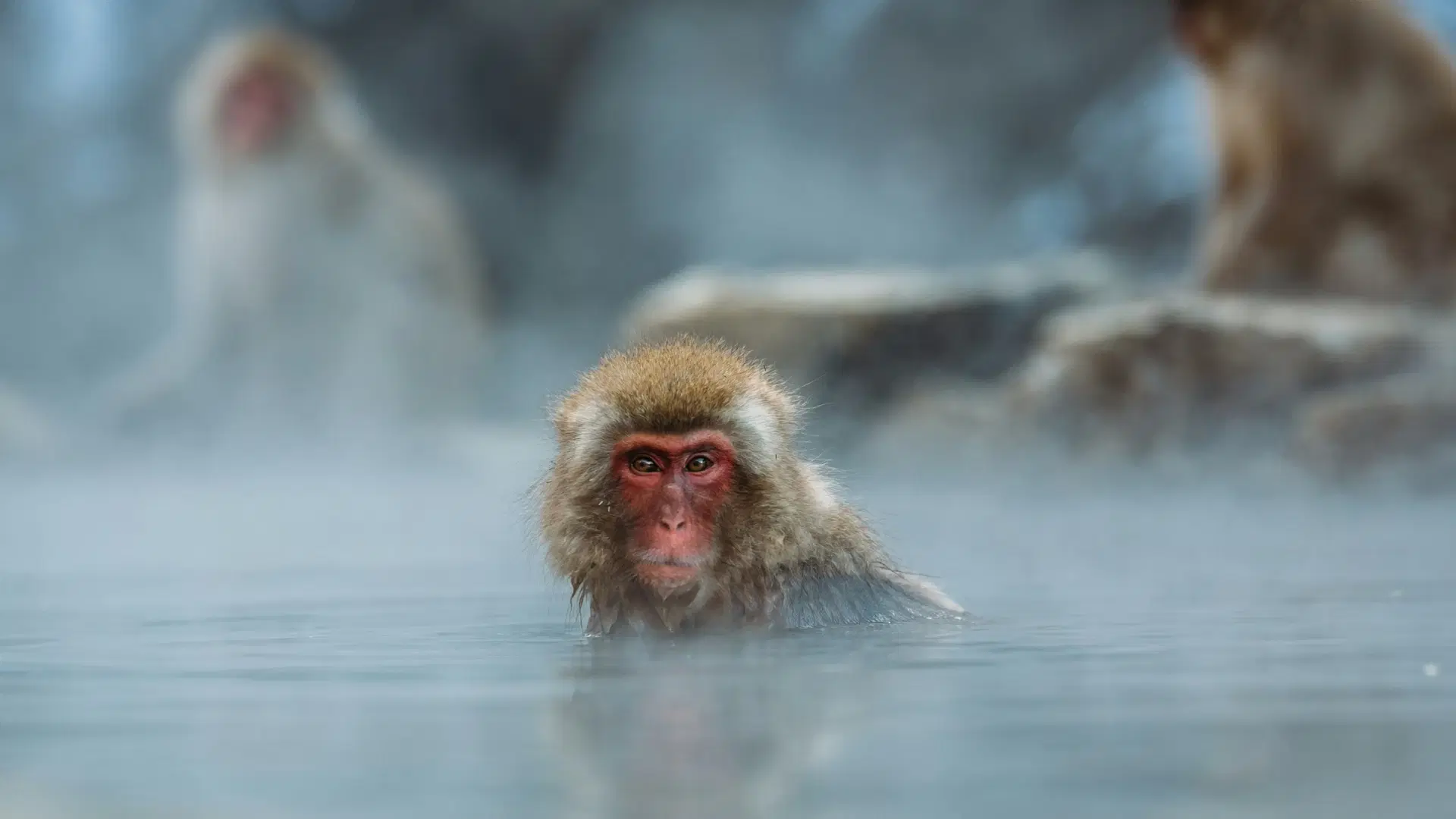
For the ryokan connoisseur, Chubu is essential territory. The Okuhida hot spring villages of Gifu, strung along river valleys beneath the Northern Alps, offer some of Japan's most atmospheric rotenburo. Nagano's mountain lodges at Bessho, Nozawa, and the remote Nakabusa combine onsen bathing with alpine scenery of genuine grandeur. And Kanazawa's refined machiya-converted inns bring Kaga hospitality (a tradition of understated luxury perfected under the Maeda lords) into intimate, exquisitely designed spaces.
Chubu encompasses the dramatic central highlands of Honshu and the coastlines that flank them: a region of extraordinary geographic and cultural diversity united by the towering presence of the Japan Alps.
Geography
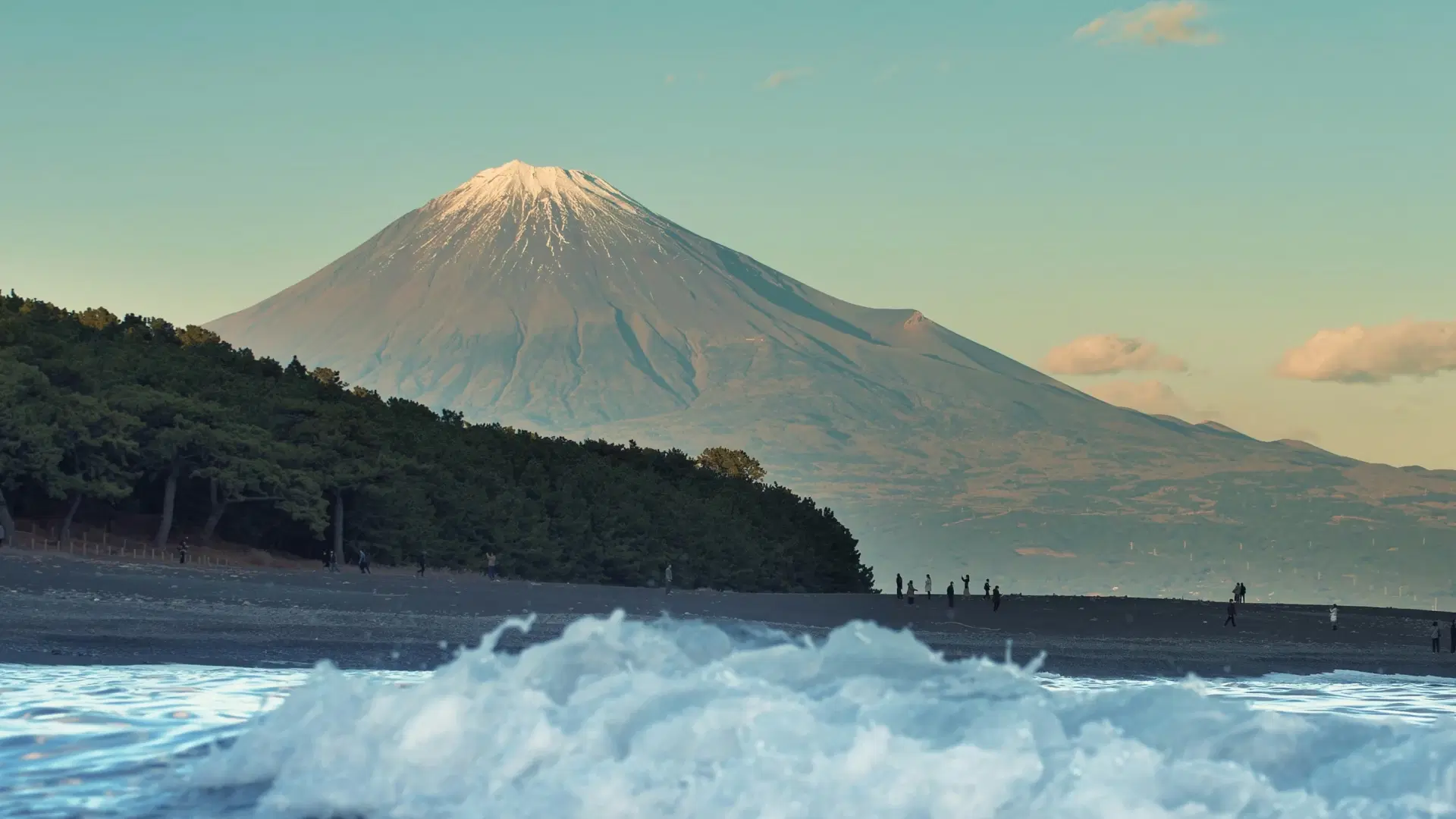
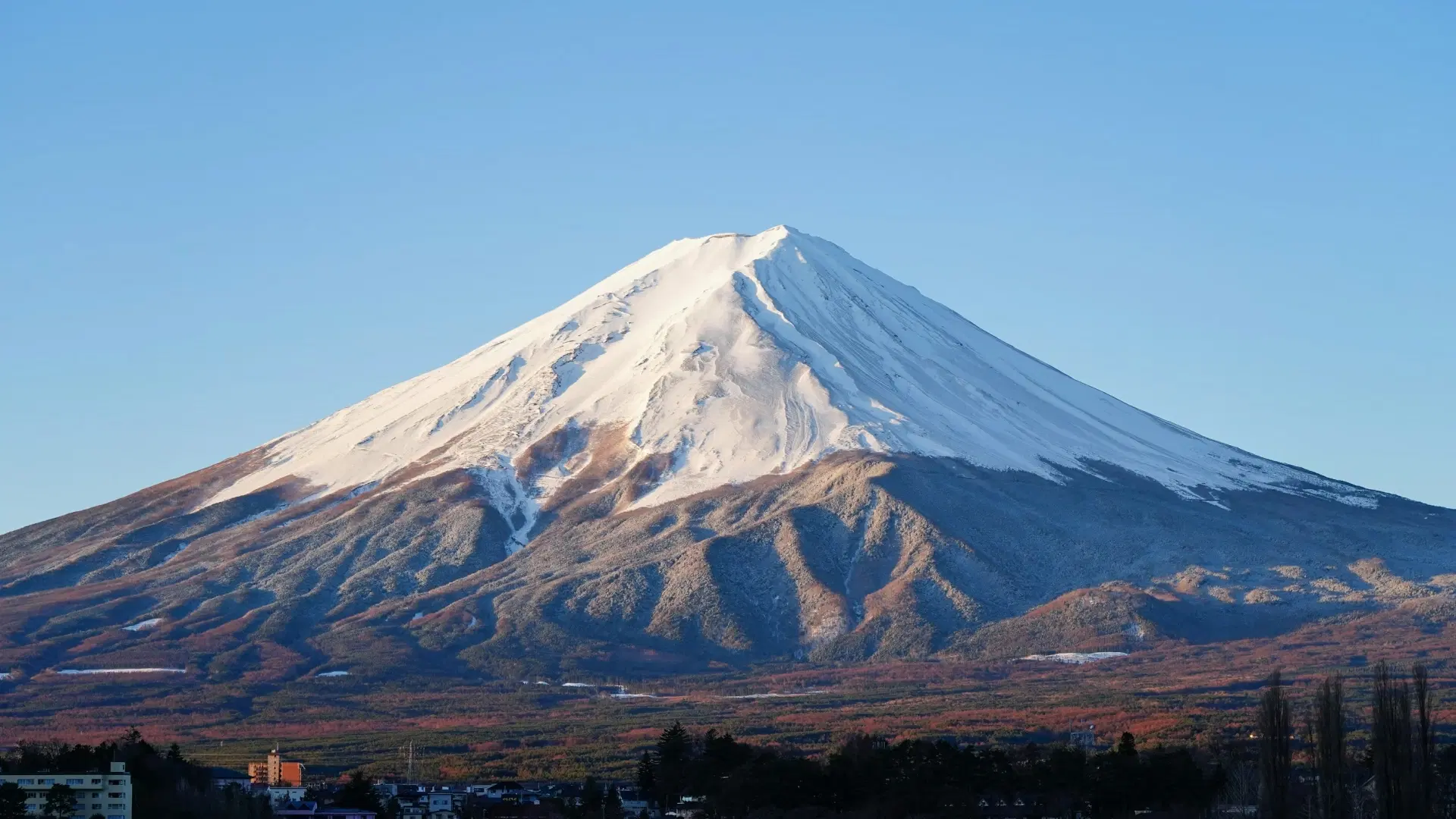
The Japan Alps dominate Chubu's interior, their peaks exceeding three thousand meters along the ridgelines of the Kita Alps between Gifu and Toyama. Mount Hotaka, Mount Yari, and the Tateyama massif present some of the most challenging alpine terrain in East Asia, while the Kamikochi valley (accessible only from spring through autumn) offers a highland basin of crystalline rivers and silver birch groves that has drawn mountaineers and naturalists since Walter Weston popularized it in the 1890s. The volcanic cone of Mount Fuji, shared with Kanto but visually belonging to Chubu when seen from Shizuoka's tea fields, anchors the eastern reaches of the region.
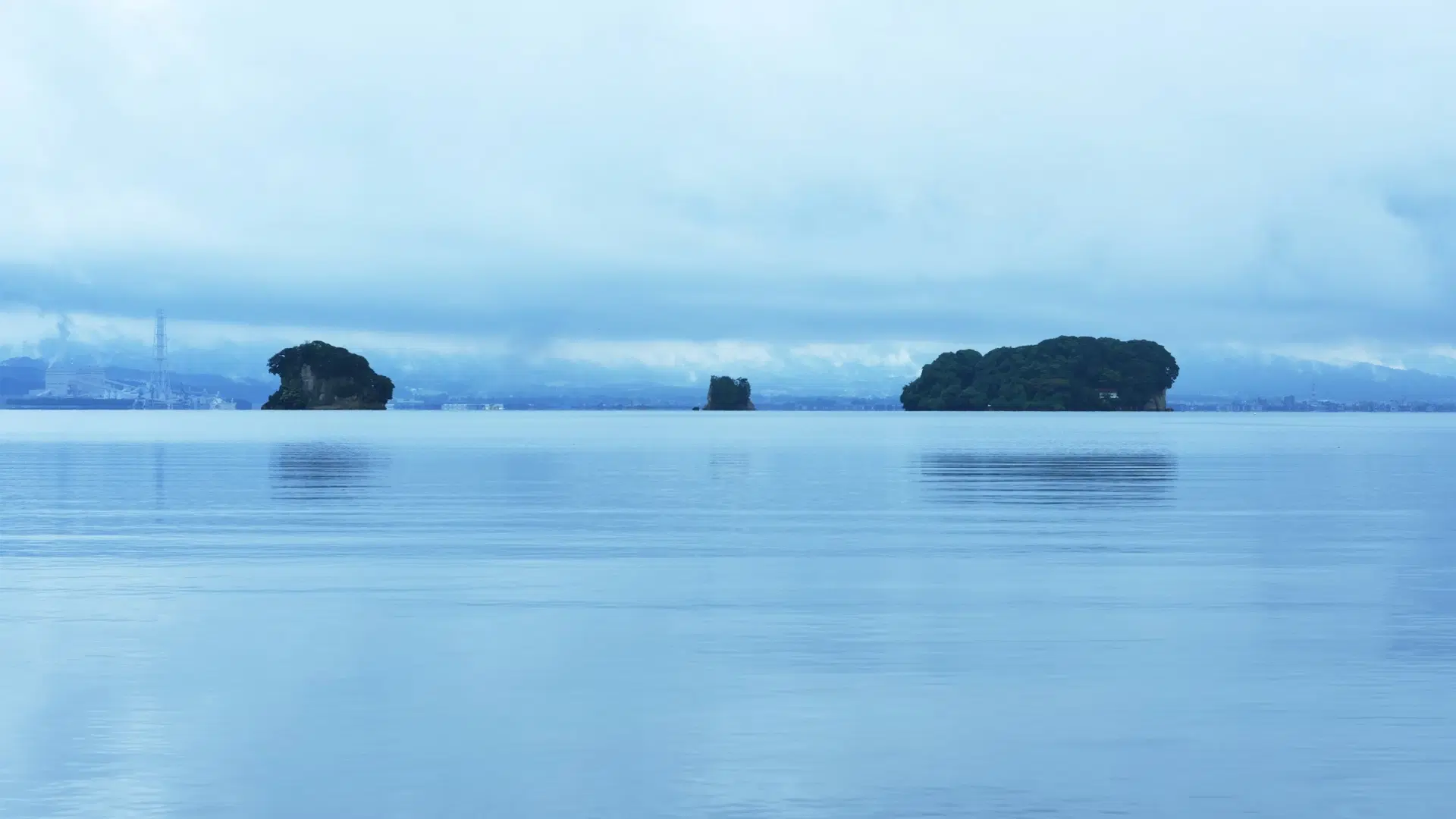
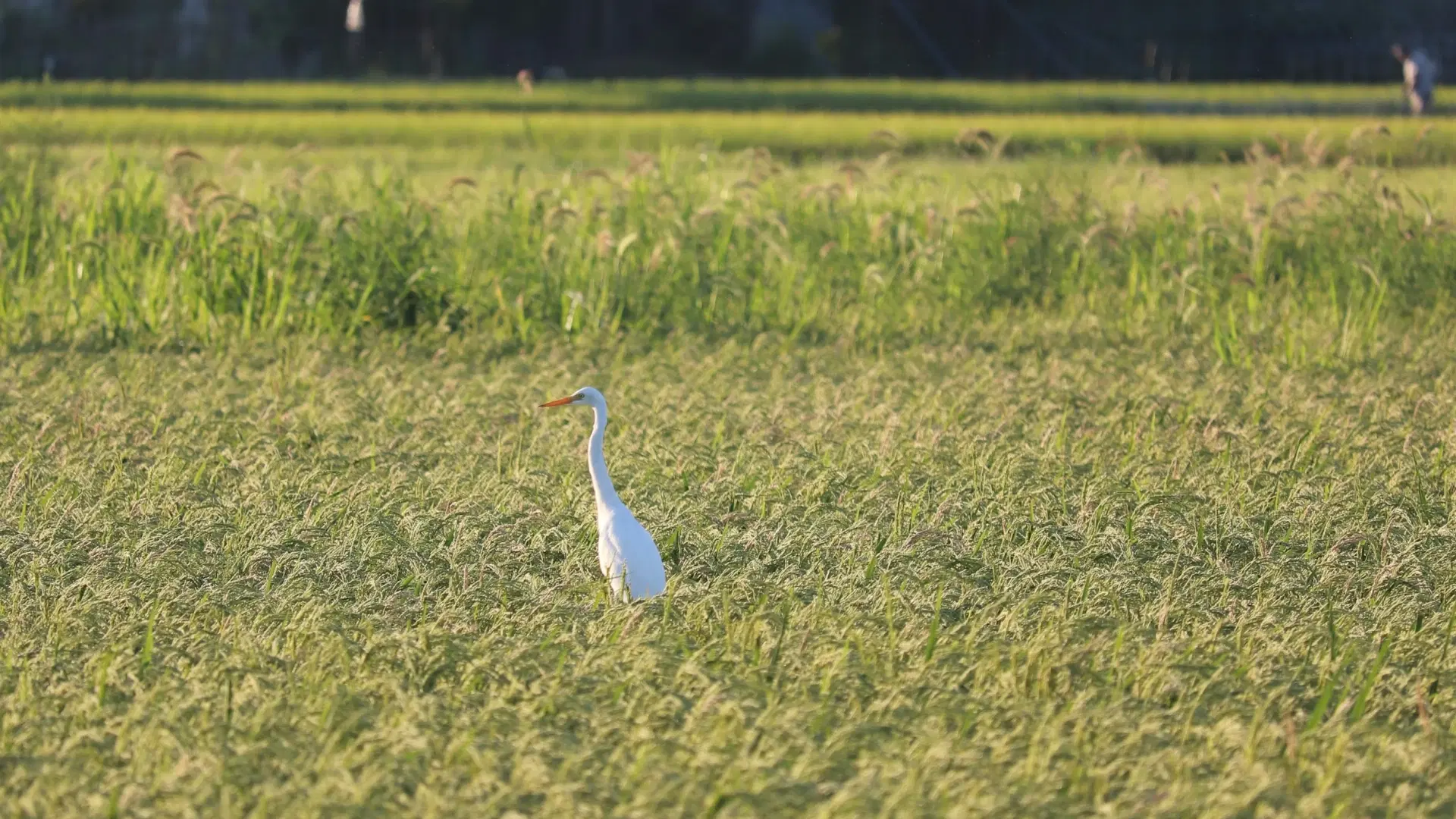
The coastlines offer striking contrast: Niigata's Sado Island preserves a rugged, wind-sculpted landscape of historical exile and gold mining, while the Noto Peninsula extends into the Sea of Japan with terraced rice paddies that tumble to the water's edge. Toyama Bay's depth (plunging to over one thousand meters just offshore) creates a marine ecosystem of remarkable richness. The Izu Peninsula of Shizuoka combines volcanic hot springs with a subtropical coastline, and Yamanashi's Fuji Five Lakes district offers the mountain reflected in still water, a scene that has defined Japanese aesthetics for centuries.
Culture
Kanazawa is Chubu's cultural jewel: a castle town that escaped wartime bombing and preserves intact samurai and geisha districts, the magnificent Kenroku-en garden, and a concentration of traditional arts that rivals Kyoto's. Kutani porcelain, Kaga yuzen silk dyeing, Wajima lacquerware, and Kanazawa gold leaf (the city produces ninety-nine percent of Japan's total) represent craft traditions sustained by the enormous wealth of the Maeda domain, which was second only to the Tokugawa in rice production. The Higashi Chaya district's geisha houses still host evening entertainments where the arts of shamisen, dance, and conversation are practiced with a refinement that feels quietly defiant of modernity.
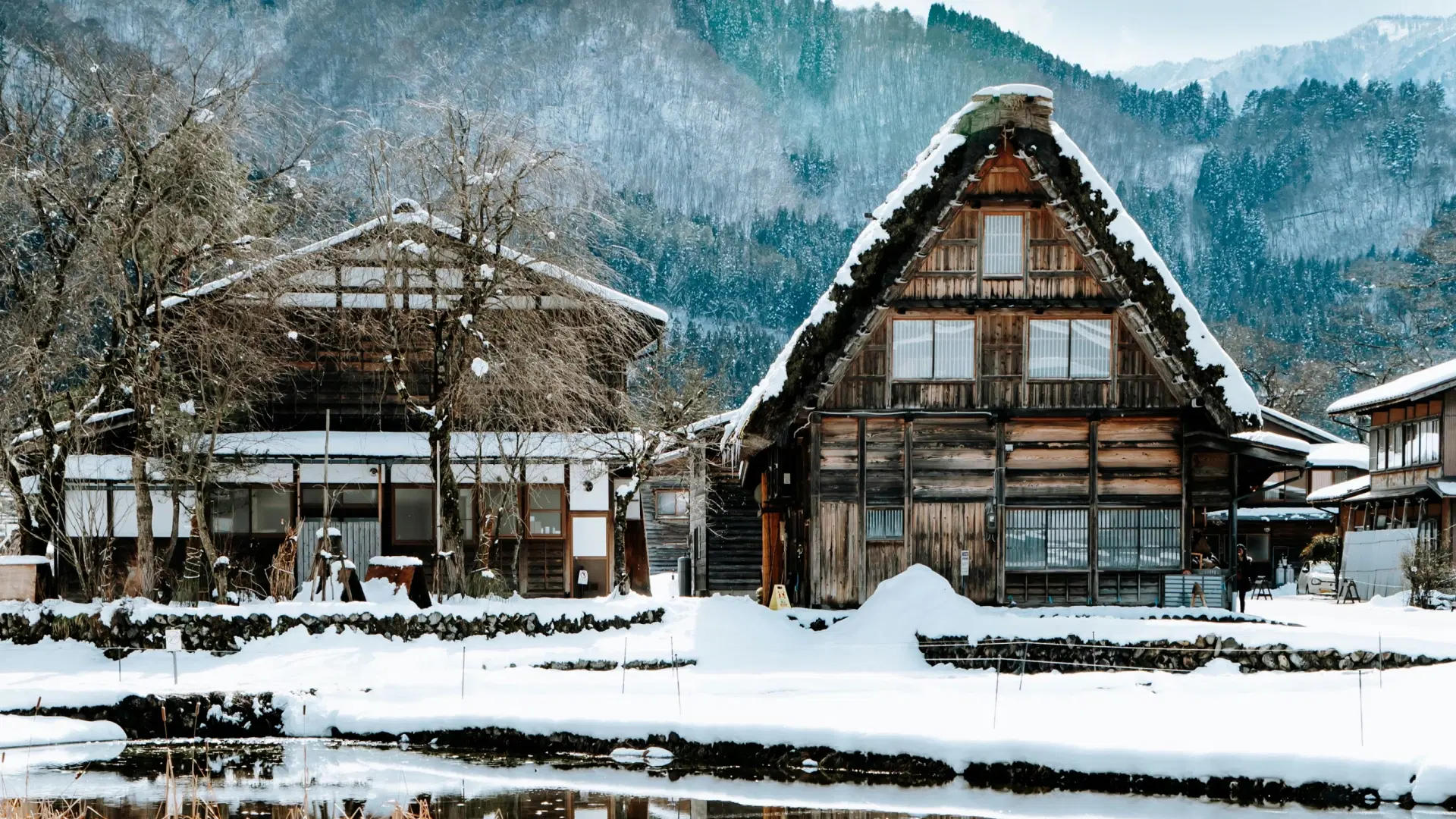
Nagano's spiritual heritage centers on Zenko-ji, one of the oldest and most important temples in Japan, predating sectarian divisions and welcoming all Buddhist traditions. The Nakasendo post towns of Narai, Tsumago, and Magome, preserved with meticulous care along the old mountain highway between Kyoto and Edo, offer a physical experience of Tokugawa-era travel that no museum can replicate. Takayama's spring and autumn festivals, with their ornate yatai floats and mechanical karakuri puppets, rank among the most spectacular in Japan, while Shirakawa-go's gassho-zukuri farmhouses (their steep thatched roofs designed to shed the crushing weight of winter snow) constitute a UNESCO World Heritage site of haunting beauty.
Cuisine
Chubu's culinary landscape is as varied as its terrain. Niigata produces what many consider Japan's finest rice (Koshihikari from the Uonuma district) and the sake brewed from it benefits from snowmelt water so pure that breweries here have dominated national competitions for decades. Toyama Bay yields the translucent shiro-ebi white shrimp and the buri yellowtail that is perhaps the most anticipated winter delicacy on the Sea of Japan coast, traditionally given as a celebratory gift and prepared as sashimi, teriyaki, or in the rich buri shabu hotpot.
Nagano's mountain cuisine centers on soba (the buckwheat grows superbly at altitude) with Togakushi's hand-cut noodles considered among the finest in Japan. Shinshu miso, fermented slowly through the cold winters, has a depth that lowland varieties cannot match. Shizuoka contributes the nation's most prized green tea, grown on the misty slopes below Fuji, and an eel tradition centered on Hamamatsu that rivals the Nagoya style. Kanazawa's Omicho Market is one of Japan's great food halls, its stalls piled with nodoguro (rosy seabass), snow crab, and seasonal vegetables that supply the city's sophisticated kaiseki restaurants: establishments where the Kaga culinary tradition of elaborate presentation and restrained seasoning achieves a refinement fully comparable to Kyoto's best.