Tateyama Snow Corridor Opening
立山・雪の大谷ウォークThe opening of the Tateyama Kurobe Alpine Route each spring reveals one of the most extraordinary landscapes in Japan: a road carved through snow walls that can reach twenty meters in height, their sheer faces exposing the compressed strata of an entire winter's accumulation like a geological cross-section rendered in white. The Yuki no Otani, the Snow Corridor, occupies a five-hundred-meter section of road near the Murodo terminus at 2,450 meters above sea level, where the snowfall of the Tateyama range, among the heaviest on earth, buries the landscape so deeply that weeks of heavy machinery work are required each spring to excavate the road from its seasonal burial.
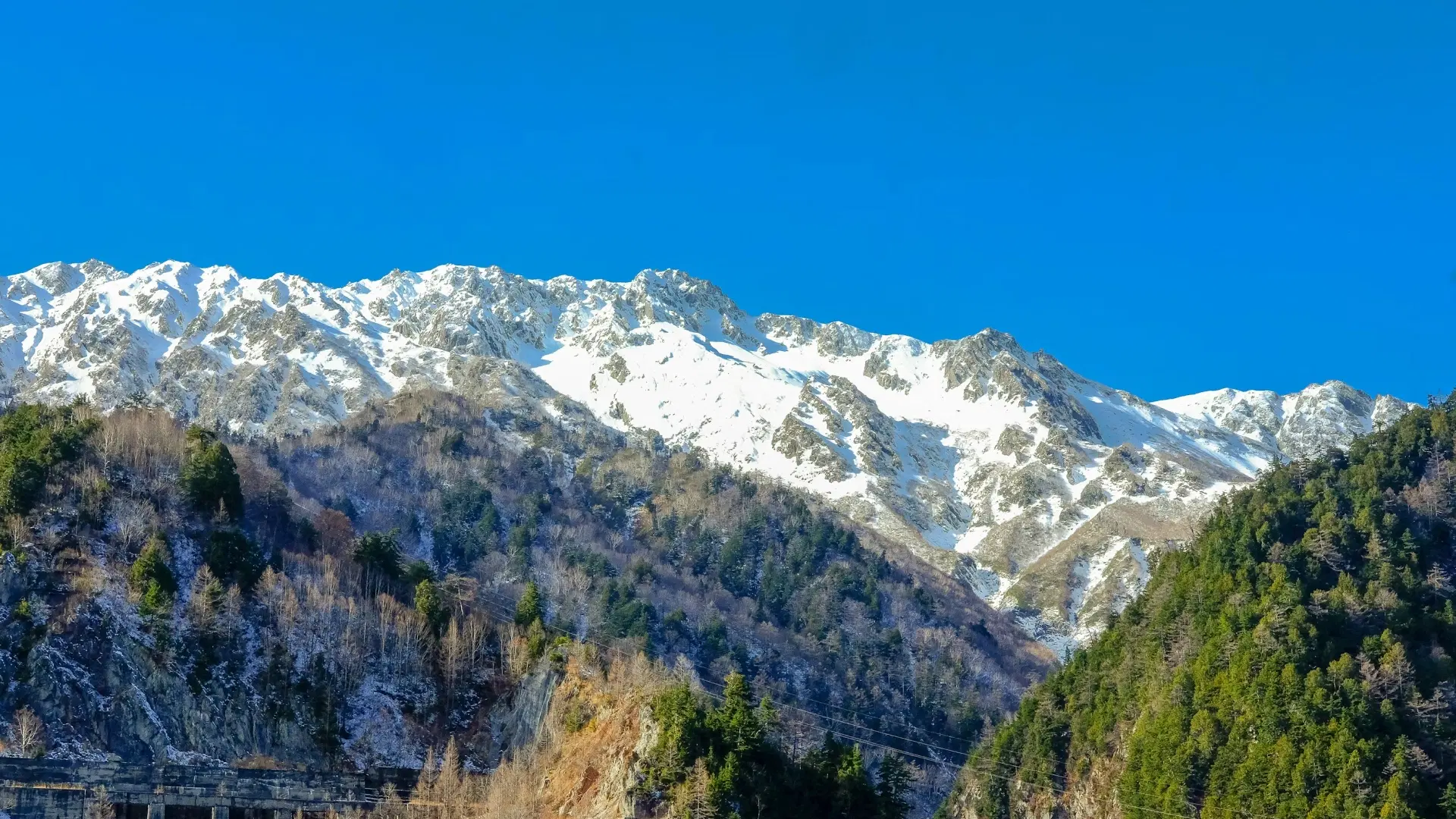
Walking between these walls of snow is a spatial experience unlike any other. The corridor is narrow enough that the walls feel enclosing, their surfaces smooth where the plows have cut and textured where the wind has sculpted, and the sky above is reduced to a ribbon of blue that emphasizes the depth of the white canyon. The scale of the accumulation is difficult to comprehend until one stands at the base and looks up at a snow wall that rises higher than a six-story building, its mass representing thousands of individual storms compressed into a single, solid presence. On clear days, the surrounding peaks of the Northern Alps provide a backdrop of such grandeur that the snow walls, despite their height, seem a modest prelude to the mountains beyond.
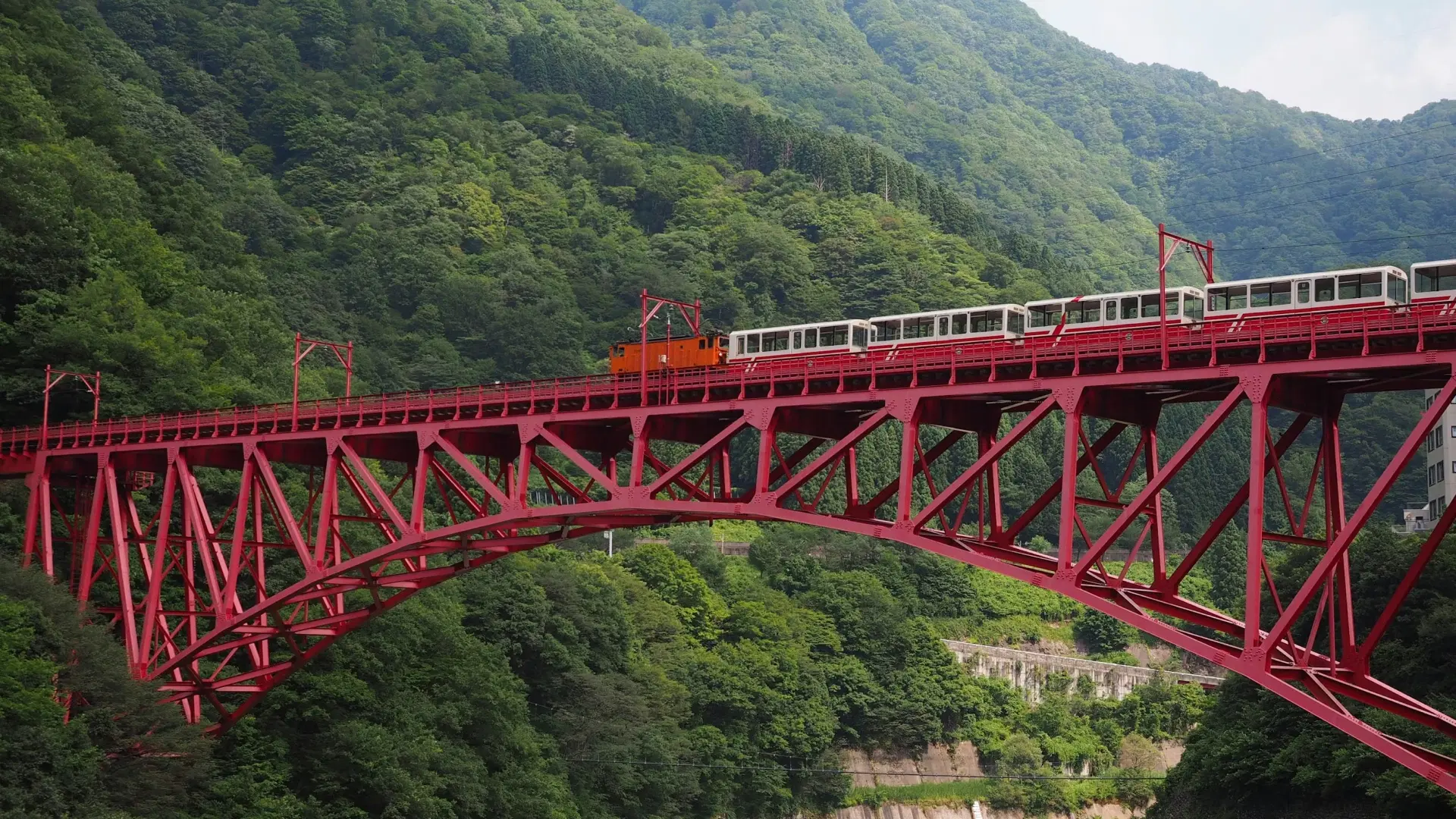
The Snow Corridor is the most dramatic feature of the Tateyama Kurobe Alpine Route, a transportation system of cable cars, buses, ropeways, and trolleybuses that crosses the Northern Alps between Toyama and Nagano prefectures. The full traversal is itself a journey of remarkable variety, passing from the cedar forests of the foothills through subalpine zones of dwarf pine and finally into the high alpine terrain where snow lingers into midsummer, but the Yuki no Otani section, accessible within a few hours of Toyama City, offers the most concentrated encounter with the power and beauty of Japanese mountain winter.
History & Significance
The Tateyama Kurobe Alpine Route was completed in 1971, the culmination of decades of engineering work that began with the construction of the Kurobe Dam in the 1950s and 1960s. The route was conceived as both a transportation link across the Northern Alps and a means of opening one of Japan's most remote and spectacular mountain landscapes to tourism. The snow corridor at Murodo was an unintended consequence of the route's geography: the road had to be cleared each spring, and the depth of snow at the highest elevations produced walls so striking that they became an attraction in their own right.
The formal designation of the Snow Corridor walk as a tourist event, with a marked pedestrian path and a specific opening period, followed naturally from the public's fascination with the spectacle. The height of the walls varies by year according to the winter's snowfall, and the annual measurement, announced at the opening ceremony, has become a news event that serves as both meteorological data and cultural barometer. Heavy snow years, which produce the tallest walls, are celebrated with particular enthusiasm, the suffering of a long winter redeemed by the spectacle of its remains. The Snow Corridor has become Japan's most iconic image of mountain winter, reproduced on posters, calendars, and travel guides worldwide.
What to Expect
The Snow Corridor walk is open from mid-April, when the plowing is complete, through late June, when the natural melt reduces the walls to heights that no longer justify the designation. The pedestrian section runs approximately five hundred meters alongside the bus road, with the walls at their highest near the beginning of the walk and gradually diminishing. The experience is most dramatic in late April and early May, when the walls are at maximum height and the surrounding landscape remains fully snow-covered, the peaks and ridges of the Tateyama range forming a panorama of white against sky.
The conditions at Murodo in spring are genuinely alpine. Temperatures frequently remain below freezing, wind can be fierce, and the reflected sunlight from the snow surfaces requires quality sunglasses to avoid discomfort. The air at 2,450 meters is thin enough that visitors accustomed to sea level may notice the altitude, particularly when walking uphill. Despite these challenges, the experience is accessible to visitors of all fitness levels, as the walk itself is flat and relatively short, and the bus service to Murodo handles the altitude gain.
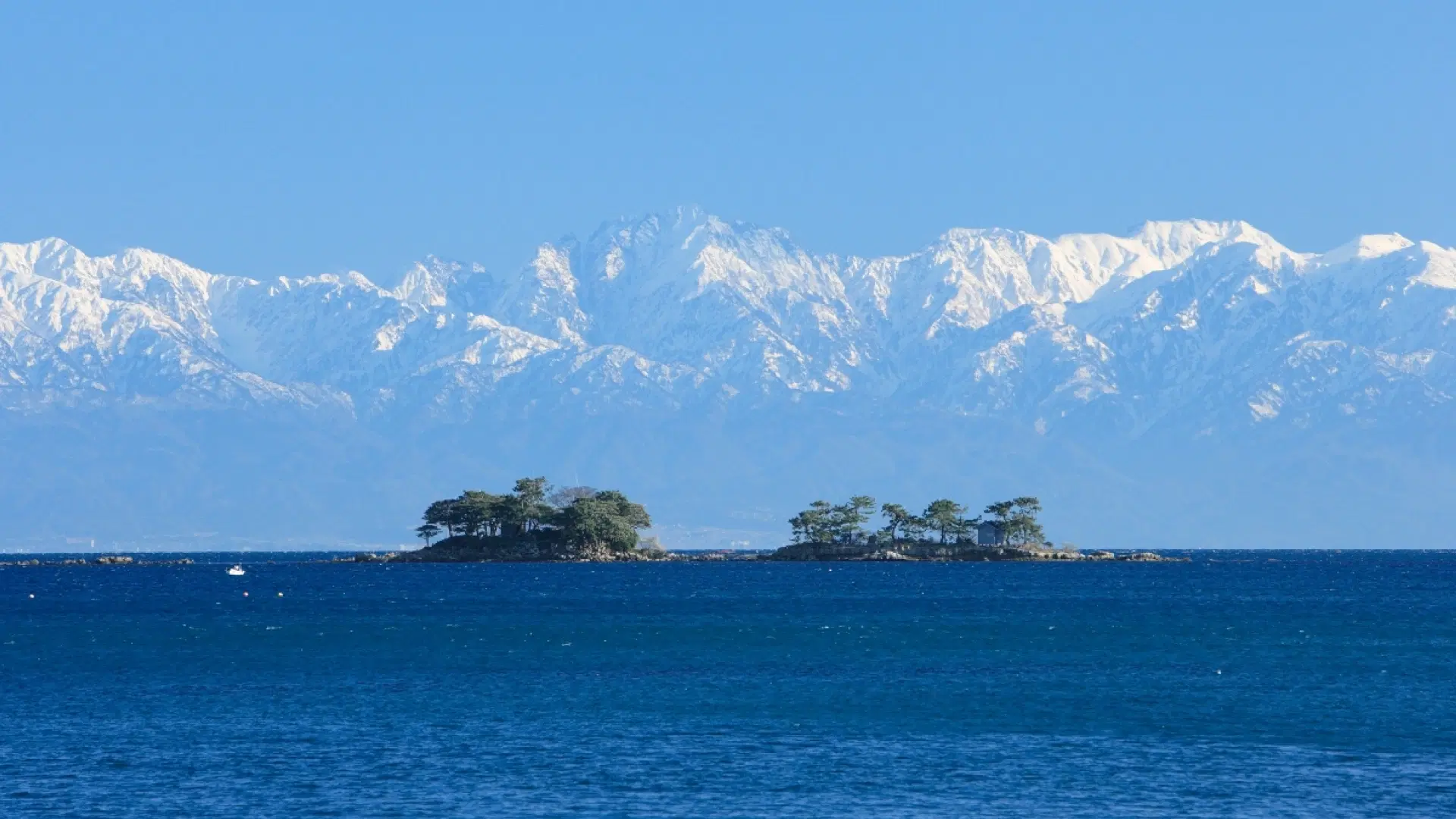
Beyond the Snow Corridor, the Murodo area offers additional experiences for those willing to extend their visit. The Mikurigaike hot spring, the highest-altitude onsen in Japan, sits beside a volcanic lake whose milky blue-green waters steam in the cold air. The views from the Murodo plateau encompass the full sweep of the Northern Alps, and on clear days, the distant peaks of the Hakusan range are visible to the southwest. The descent via the Kurobe Dam side of the route provides an entirely different landscape experience, the engineering grandeur of the dam contrasting with the natural grandeur of the mountains.