Himi
氷見Himi is a fishing town that has not apologized for being a fishing town. Perched on the western shore of Toyama Bay where the Noto Peninsula begins its reach into the Sea of Japan, this small city of roughly 45,000 inhabitants has organized its identity around the harvest of the sea with a directness that larger, more diversified coastal cities have long since abandoned. The morning fish market, the sushi counters, the dried-fish shops lining the harbor, and the conversations that turn inevitably to the quality of the day's catch form a culture in which the relationship between ocean and table is not a marketing concept but the central fact of daily life.
Himi's reputation rests above all on its buri, the winter yellowtail that has been the town's signature catch for centuries. The buri that enter Toyama Bay between November and February, migrating south from the waters off Hokkaido, are at the peak of their fat content, their flesh marbled with a richness that has earned Himi buri a status among seafood cognoscenti comparable to Kobe beef among meat lovers. The fish are caught in set nets, a traditional method that reduces stress on the catch and preserves the quality of the flesh, and they arrive at the market and the sushi counter within hours of being pulled from the water. The difference between Himi buri eaten here, at the source, and the same species consumed in Tokyo is not subtle; it is a revelation of what freshness actually means.
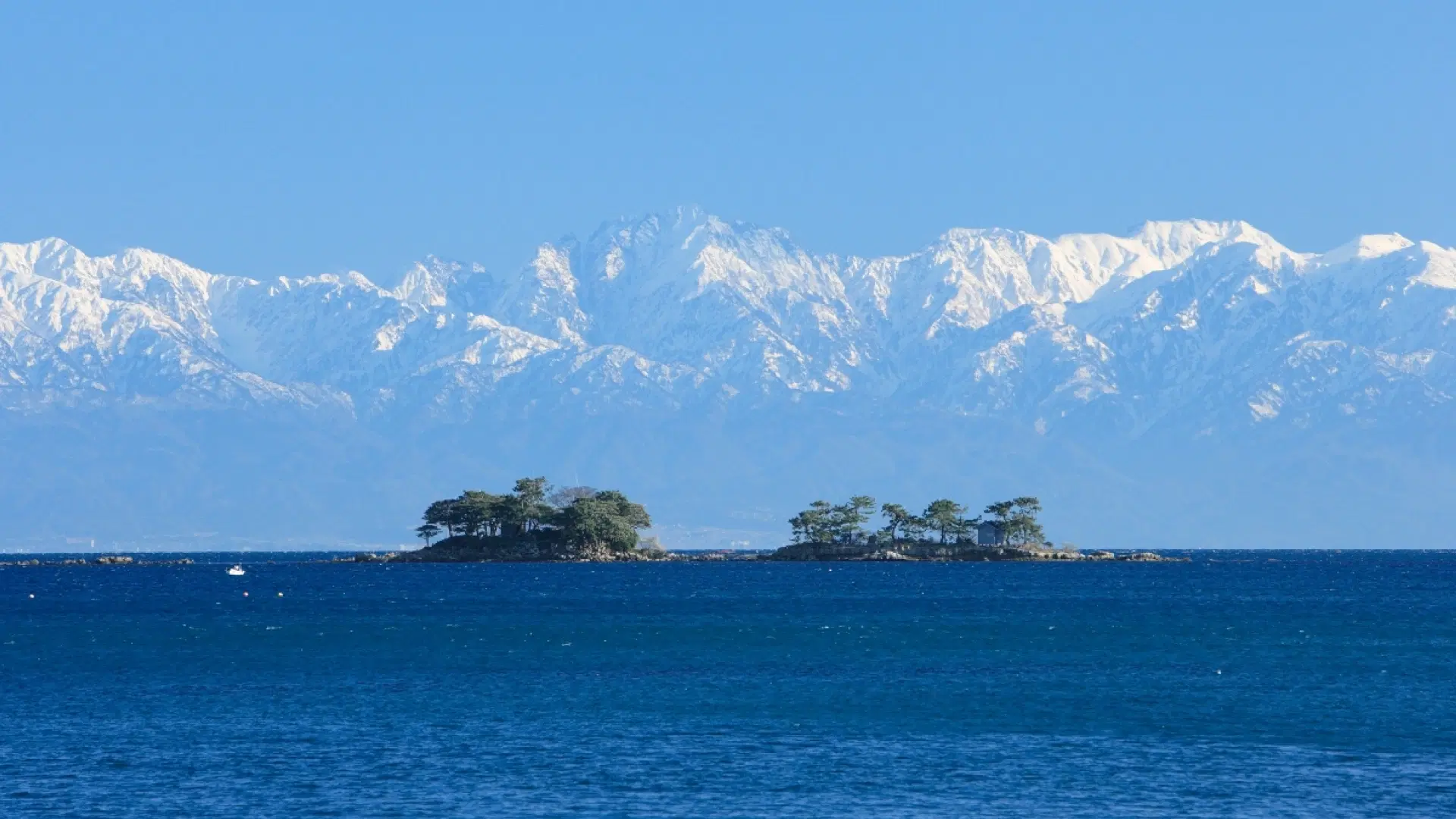
Beyond buri, Himi offers a landscape of quiet coastal beauty. The town faces east across the bay toward the Tateyama range, and on clear winter mornings, the snow-covered peaks rise above the water in a panorama that has been celebrated in Japanese art and poetry for centuries. The fishing harbor, the Himi Seaside Botanical Garden, and the network of walking paths along the coastline provide a physical engagement with a landscape that remains, despite its proximity to larger cities, genuinely uncrowded and unhurried.
Himi is a fishing town that has not apologized for being a fishing town.
Highlights
The Himi Fisherman's Wharf and the adjacent morning market provide the essential introduction to the town's character. The market operates from the early hours, with the day's catch laid out on ice in quantities and varieties that reflect the extraordinary productivity of Toyama Bay. Watching the bidding, the sorting, and the rapid distribution of fish to restaurants and shops throughout the region reveals a supply chain so short that the concept of "fresh" takes on a different meaning. The sushi restaurants clustered near the market serve what arrived that morning, and the experience of eating buri, aji, or nodoguro at these unadorned counters, knowing the fish was swimming hours before, establishes a standard against which all subsequent seafood experiences will be measured.
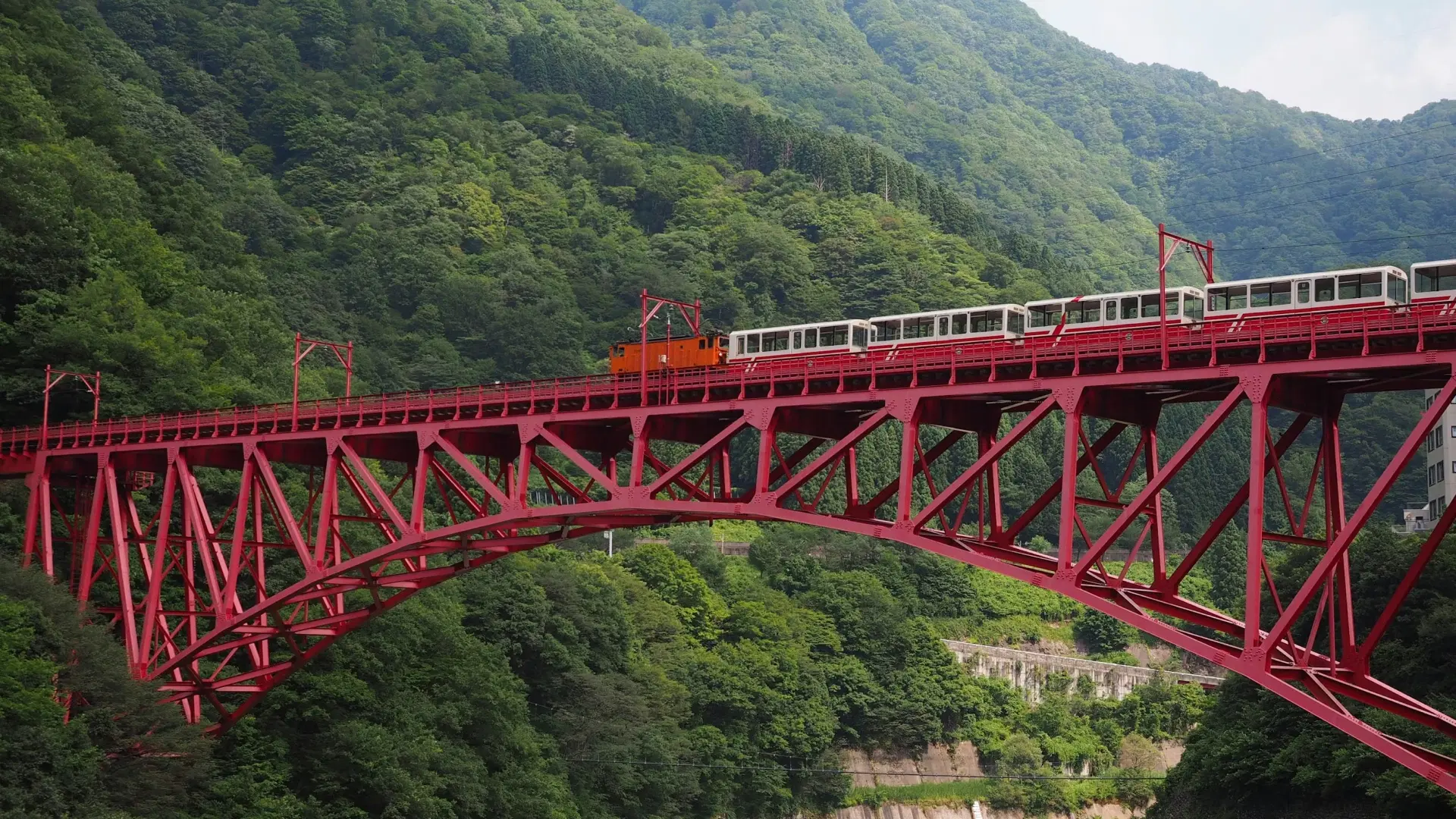
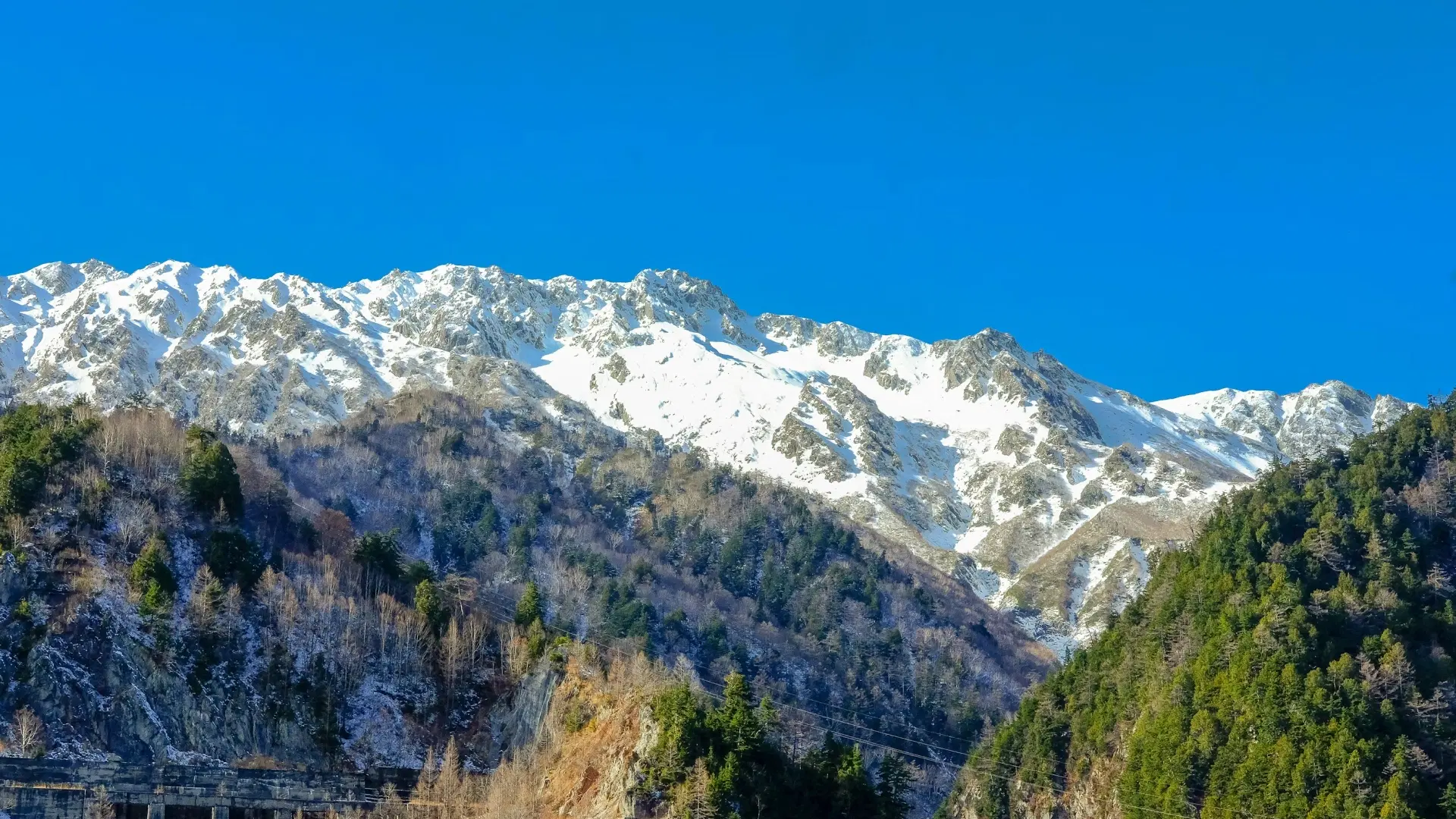
The view of the Tateyama range from Himi's coastline is one of the great panoramas of the Sea of Japan. On clear days, the entire alpine wall, from Tsurugi to Tateyama, rises above the bay in a composition of snow, water, and sky that changes with the light throughout the day. The Himi Seaside Line, a coastal road running south from the town, provides a driving or cycling route that offers this view in continuous variation. The abandoned Himi Line railway bridges, photogenic remnants of a discontinued coastal rail route, have become landmarks in their own right, their rusting iron frames standing against the mountain backdrop in compositions that attract photographers from across the country.
The Himi Seaside Botanical Garden, set on a hillside above the coast, combines a modest but carefully curated plant collection with elevated viewpoints over the bay. The garden is at its finest in early spring, when plum and cherry blossoms frame the still-snowy mountains, but the views alone justify a visit in any season.
Culinary Scene
Himi is, above all, a place to eat fish. The buri that defines the town's culinary identity reaches its peak from December through February, when the fish are at their fattest and the flesh takes on a buttery richness that dissolves on the tongue. Buri sashimi, buri shabu, buri daikon (yellowtail simmered with daikon radish in a soy-based broth), and buri teriyaki are the canonical preparations, and each reveals a different dimension of the fish's character. The sashimi emphasizes texture and fat; the shabu, swished briefly through hot broth, balances richness with the clean flavor of the cooking liquid; the daikon preparation, slow-cooked until the radish has absorbed the fish's oils, is comfort food elevated to art.
Beyond buri season, Toyama Bay continues to provide. Shiro-ebi appear in spring and summer, their translucent bodies yielding a sweetness that intensifies when fried as kakiage. Hotaru-ika, the firefly squid that surface in Toyama Bay from March through June, are another seasonal treasure, served boiled as sakura-ni, as sashimi when extremely fresh, or dried and grilled as a bar snack that concentrates their briny intensity. The variety of fish available on any given day at the market is astonishing, and the sushi restaurants adapt their offerings to whatever the sea has given, ensuring that no two visits produce an identical meal.
Himi udon, a lesser-known local specialty, features thick, hand-cut noodles served in a sardine-based broth that carries the concentrated flavor of the sea. The preparation is humble but deeply satisfying, particularly on cold winter days when the warmth and richness of the broth provide sustenance against the wind coming off the bay.