Unazuki Onsen
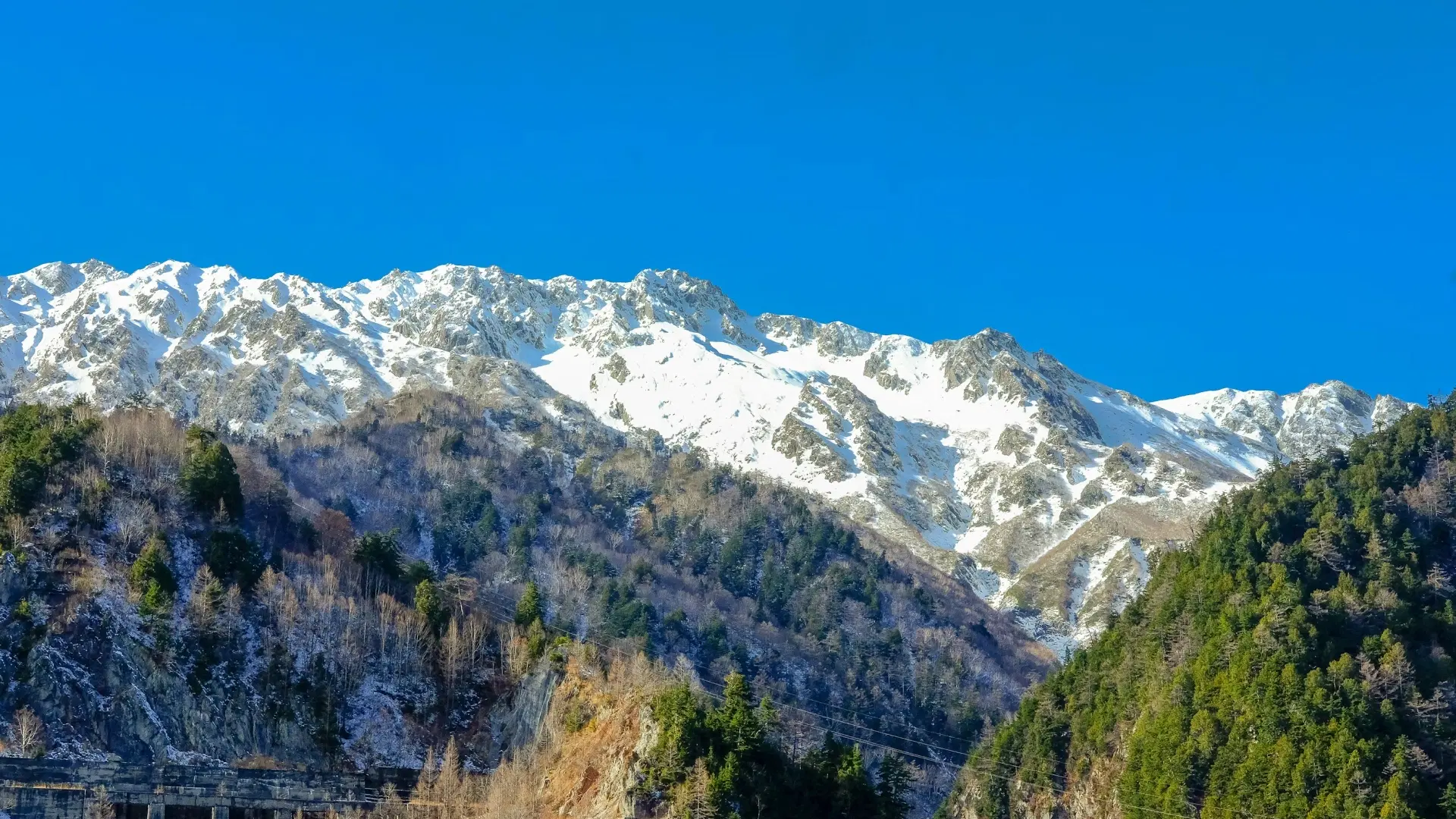
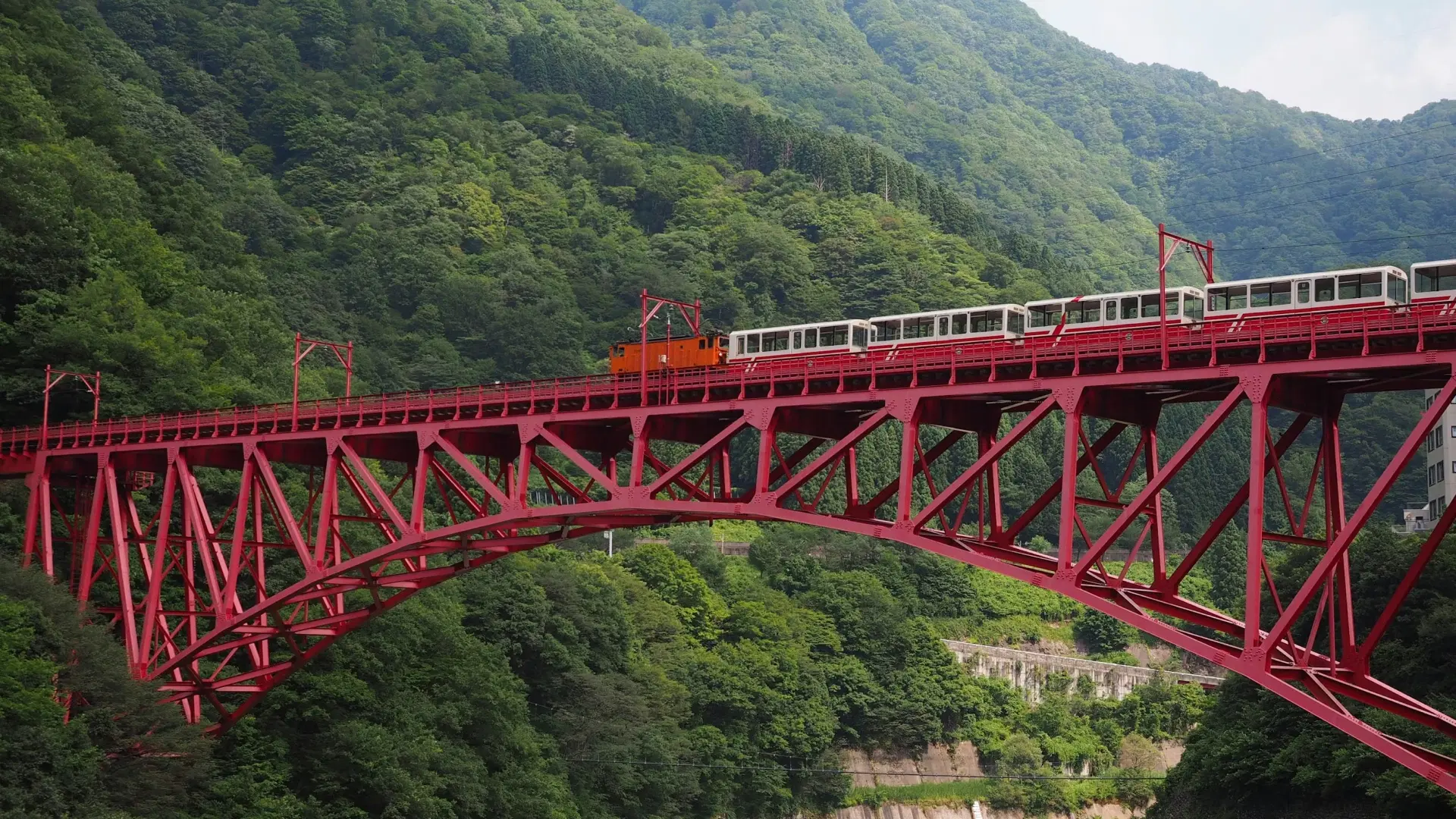
宇奈月温泉Unazuki Onsen sits at the mouth of the Kurobe Gorge, the deepest and most inaccessible V-shaped canyon in Japan, and the relationship between the hot spring town and the wilderness behind it defines the character of both. The onsen town itself, established in 1923 when the hot spring water was piped seven kilometers from its source in the mountains, occupies a narrow terrace above the Kurobe River, its ryokans and hotels arranged along streets that end, in almost every direction, at the edge of a precipice or the wall of a mountain. Beyond the town, the Kurobe Gorge Trolley Railway, originally built for the construction of the Kurobe Dam, winds twenty kilometers into the canyon on a narrow-gauge track that passes through tunnels, over bridges, and along cliff faces where the scale of the landscape renders the train almost invisible.
The water that feeds Unazuki's baths is among the hottest and most voluminous in the Hokuriku region, emerging from the earth at approximately 90 degrees Celsius with a clarity that has earned it the distinction of being the cleanest alkaline simple hot spring in Japan. The transparent, virtually odorless water produces a bathing experience of exceptional smoothness, softening the skin without the heavy mineral character of more sulfurous springs. The best ryokans in the town position their baths to take advantage of the gorge views, and the experience of soaking in these waters while looking across the chasm to the forested mountains opposite is one of the great onsen encounters in the Japanese Alps.
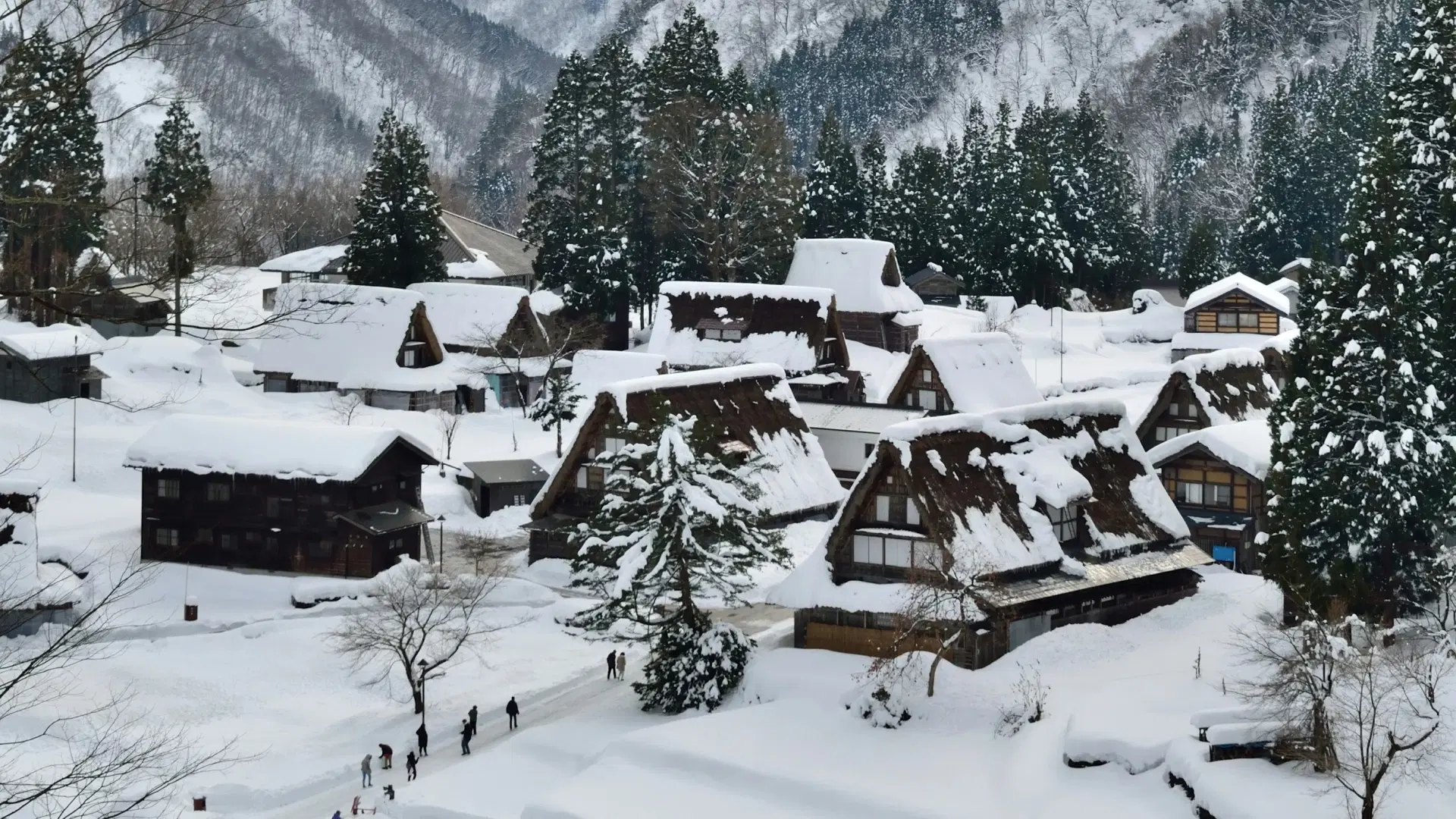
Unazuki's appeal is inseparable from its sense of remoteness. Despite being accessible by train from Toyama in under an hour, the town feels like a frontier outpost, a settlement carved from the edge of a wilderness that begins immediately at its borders. The sound of the Kurobe River, audible from most points in the town, provides a constant reminder of the geological forces that created this landscape, and the seasonal transformations, from the lush green of summer to the spectacular autumn foliage to the heavy snows of winter that close the trolley line entirely, mark the passage of time with a drama that the lowland cities cannot match.
Unazuki Onsen sits at the mouth of the Kurobe Gorge, the deepest and most inaccessible V-shaped canyon in Japan, and the relationship between the hot spring town and the wilderness behind it defines the character of both.
Highlights
The Kurobe Gorge Trolley Railway is the primary attraction and one of the most extraordinary rail journeys in Japan. The open-sided cars travel at a pace that allows full appreciation of the canyon's scale, passing through 41 tunnels and over 21 bridges as the track follows the river deeper into the mountains. Kanetsuri Station, roughly midway along the route, offers an onsen foot bath beside the river and hiking trails into the surrounding forest. Keyakidaira, the terminus, provides access to riverside hot spring pools where bathers can soak in naturally heated water surrounded by virgin forest and towering rock walls. The journey itself, rather than any single destination along it, is the point: the gorge reveals itself gradually, each tunnel opening onto a new composition of water, rock, and forest that surpasses the last.
Within the town, the Selene Art Museum, perched on the hillside above the main street, houses a collection focused on the landscape and culture of the Kurobe region, including works by artists who have attempted to capture the gorge's sublime scale. The museum's terrace provides one of the finest vantage points over the canyon, and the combination of art and view creates a contemplative experience that complements the more visceral excitement of the trolley journey.
The yamabiko walking path, which follows the rim of the gorge from the town center to a series of viewpoints above the river, offers the most accessible hiking. The path passes through stands of cedar and beech, crosses several small streams, and arrives at overlooks where the depth and narrowness of the canyon can be fully appreciated. In autumn, the foliage along this path creates a corridor of red and gold that frames the blue-green river far below.
Culinary Scene
Unazuki's cuisine draws from both the mountain landscape and the relatively nearby sea. The ryokans of the town serve kaiseki that features river fish, particularly iwana char and ayu sweetfish during their summer season, alongside mountain vegetables harvested from the slopes above the gorge. The sansai, wild plants gathered in spring, appear as tempura, ohitashi, and pickles, their slightly bitter, intensely vegetal flavors reflecting the mineral-rich soil and clean water of the Kurobe watershed. Iwana, grilled whole over charcoal with nothing more than salt, is one of the simplest and most satisfying preparations available, the fish's firm flesh and clean flavor a direct expression of the cold mountain streams in which it lived.
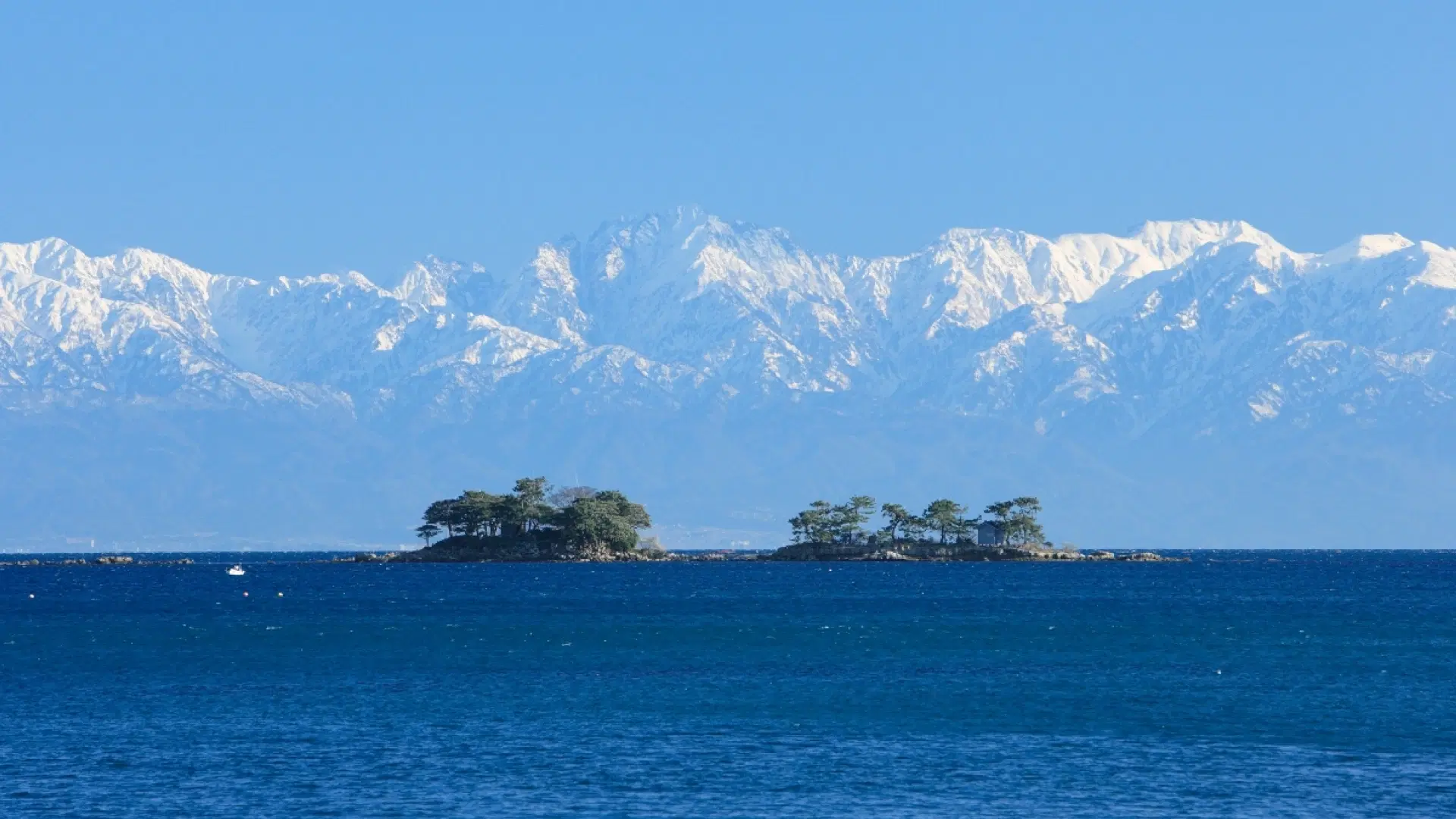
The proximity of Toyama Bay means that seafood also features prominently in the local table, and the better ryokans bring in the day's catch from the coast to supplement the mountain provisions. Buri and shiro-ebi appear in winter and spring respectively, and the combination of mountain and ocean ingredients within a single kaiseki meal creates a culinary narrative that mirrors the geographic compression of the region itself. Local sake and craft beer, both brewed with the pure water that descends from the Northern Alps, accompany these meals with a freshness that reflects their mountain origin.
Ryokans in Toyama
There are no ryokans in our guide listed in Unazuki Onsen. See our selection across Toyama.
View ryokans in Toyama