Toyama
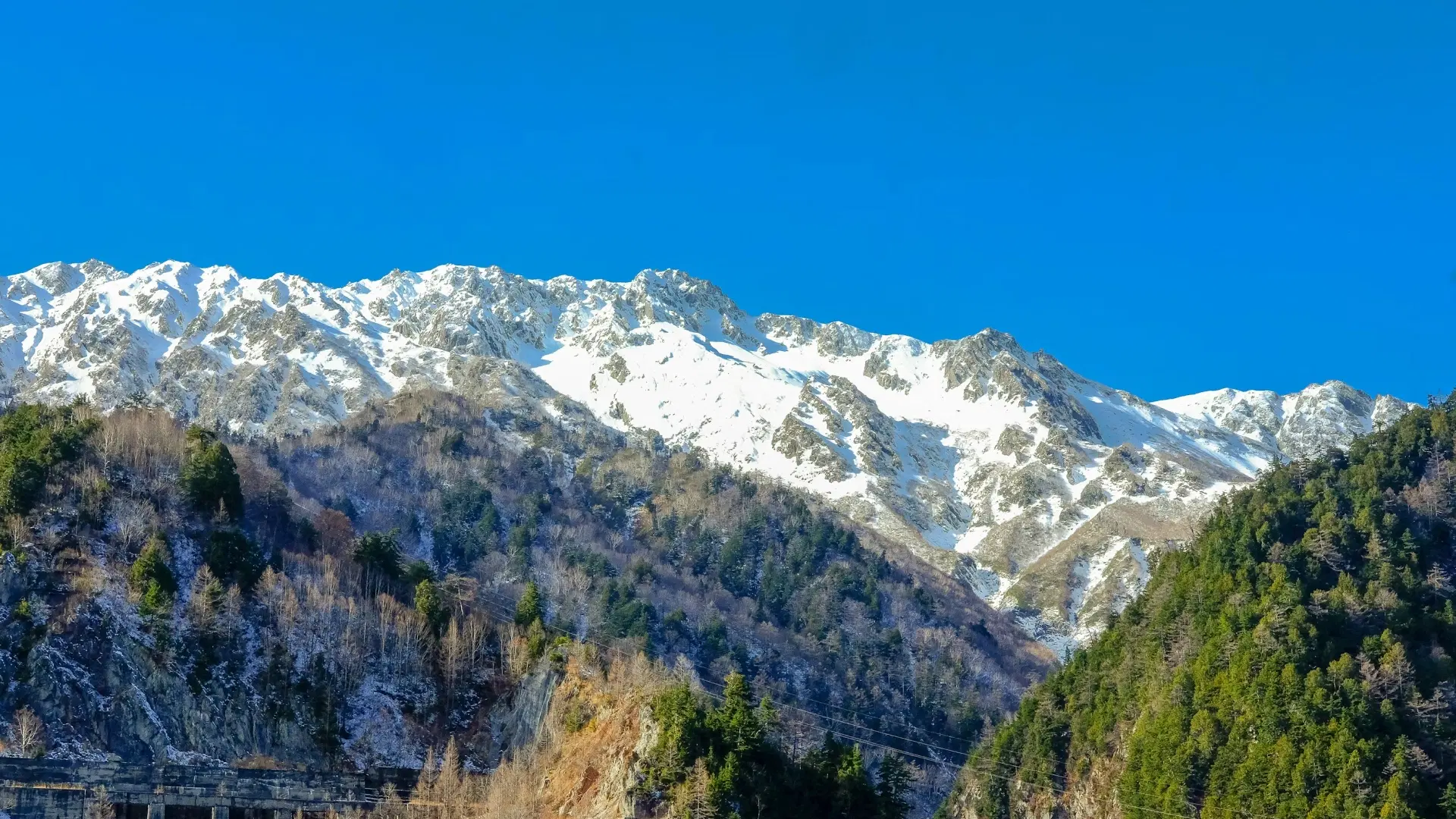
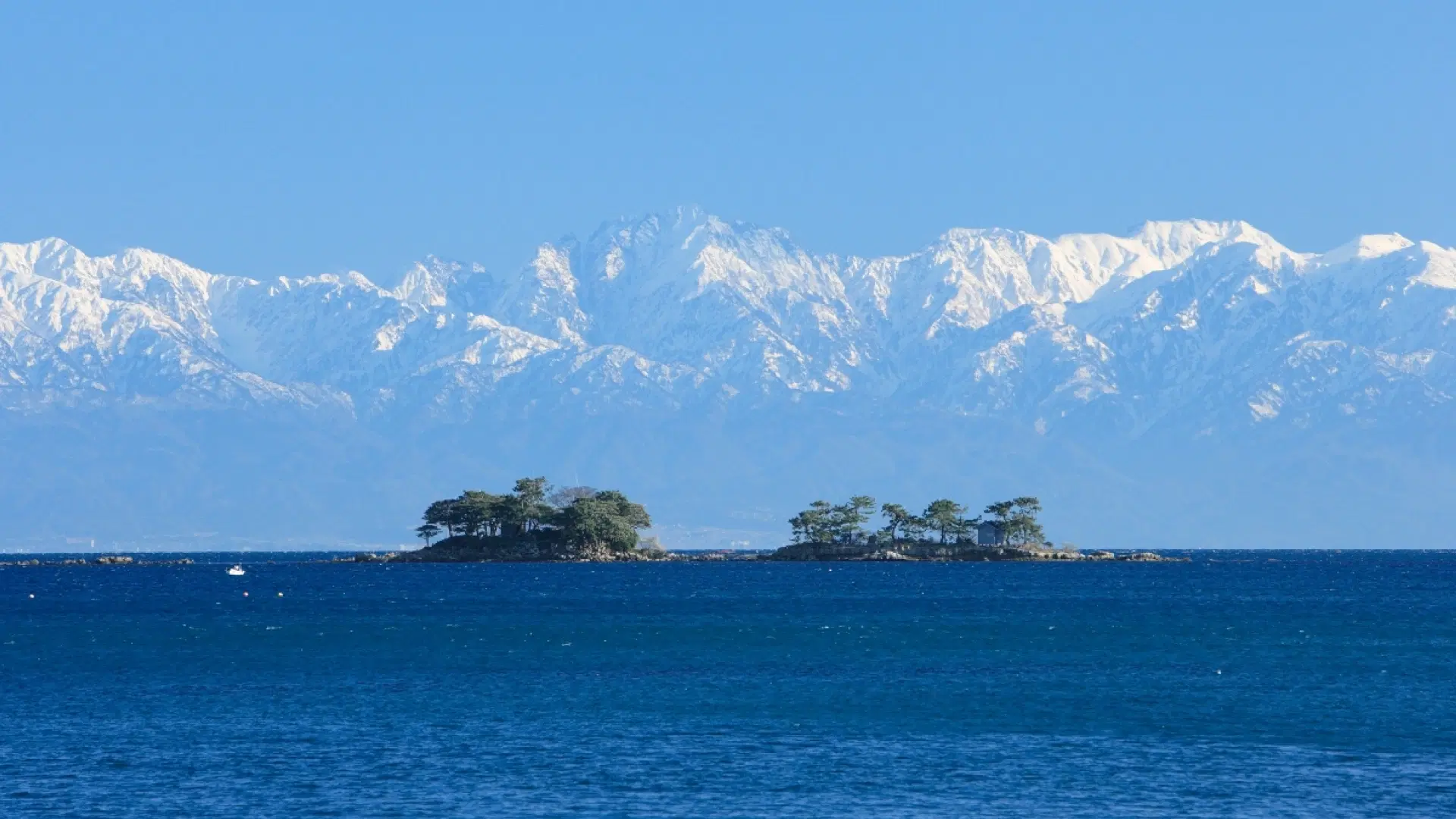
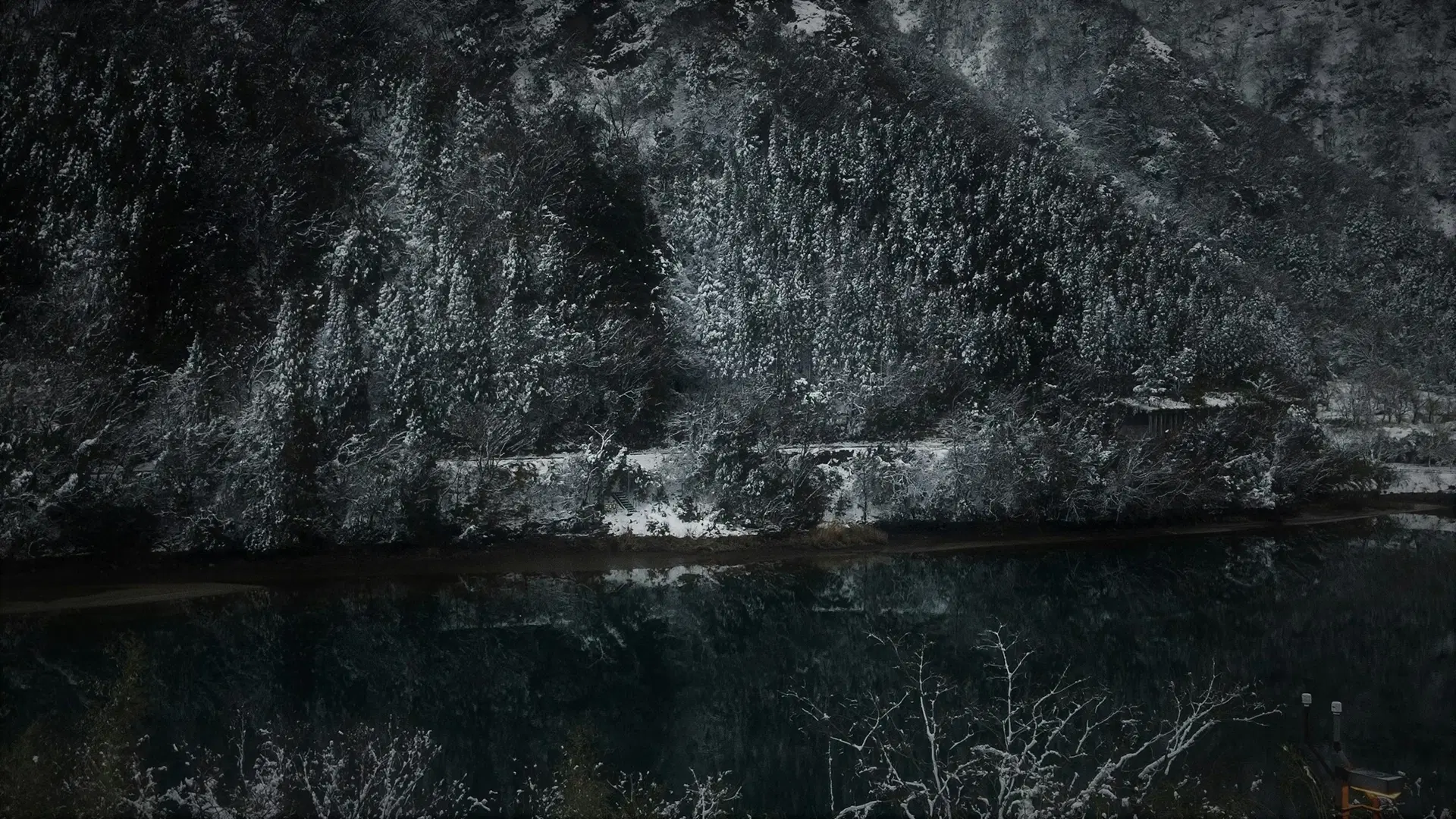
富山県Toyama Prefecture occupies one of the most dramatic transitions in Japanese geography: the journey from the 3,000-meter peaks of the Northern Alps to the deep, cold waters of Toyama Bay unfolds in less than fifty kilometers. This compression of altitude creates a region of extraordinary natural intensity, where snowmelt from the Tateyama range feeds rivers that carve gorges of primordial beauty before emptying into a bay renowned as one of the richest fishing grounds in the Sea of Japan.
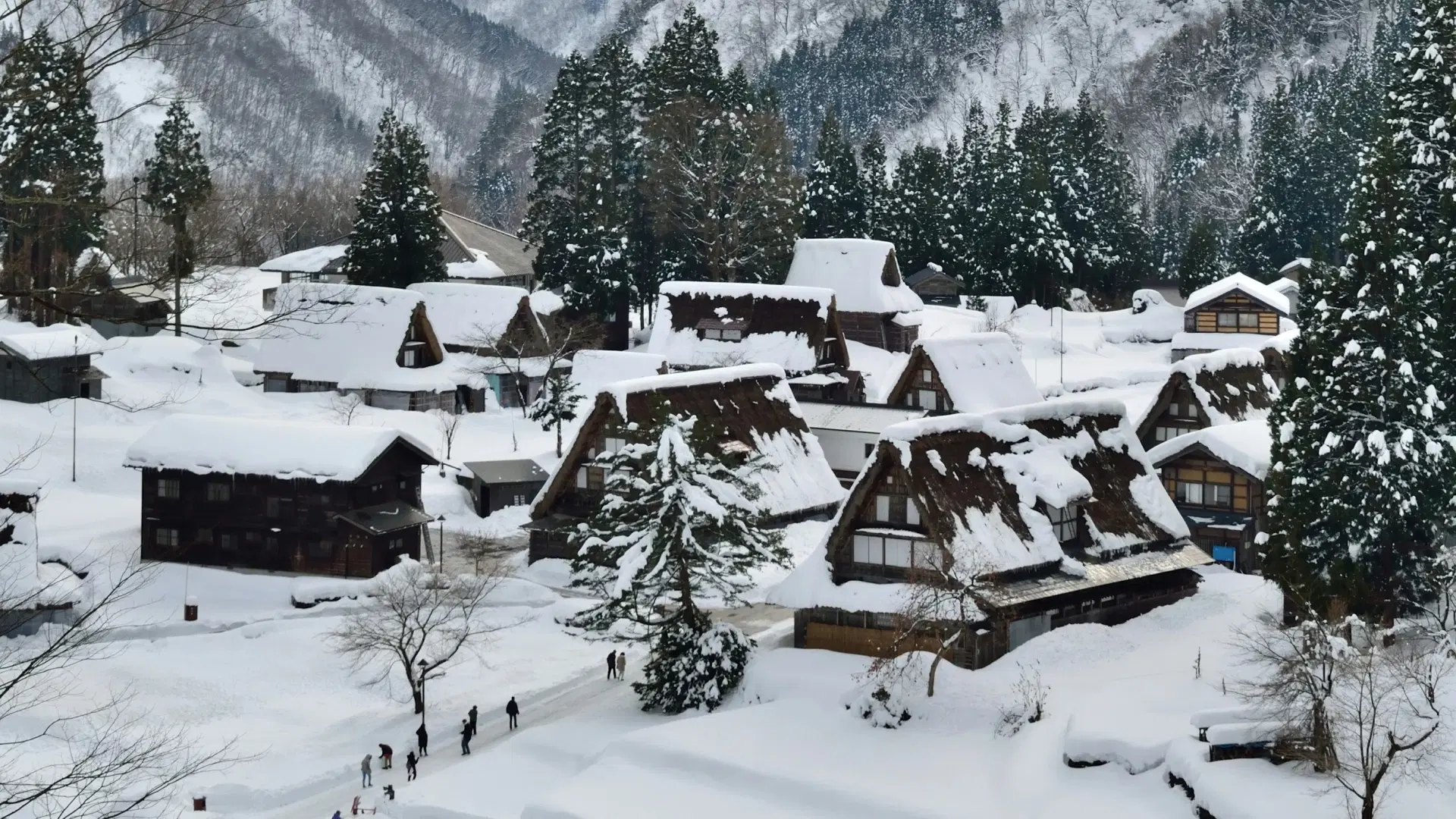
The Tateyama Kurobe Alpine Route, which threads through snow corridors rising twenty meters high in spring, is among the most astonishing mountain passages in the world. Below, Kurobe Gorge cuts through granite walls in a landscape so remote that its hot springs were known only to yamabushi mountain ascetics for centuries. In the southwestern valleys, the thatched-roof farmhouses of Gokayama, a UNESCO World Heritage site, preserve a way of life that survived precisely because of its isolation. Toyama City itself surprises with its commitment to contemporary glass art and urban design, a pharmaceutical heritage stretching back to the Edo period, and a streetcar network that connects the compact center to the waterfront. This is a prefecture where the vertical distance between summit and sea creates not just scenery but a distinct way of living, one defined by the constant presence of mountains reflected in still water.
Toyama Prefecture occupies one of the most dramatic transitions in Japanese geography: the journey from the 3,000-meter peaks of the Northern Alps to the deep, cold waters of Toyama Bay unfolds in less than fifty kilometers.
Cultural Identity
Toyama's cultural life draws from both its mountain isolation and its mercantile history. The pharmaceutical trade, established in the seventeenth century when Toyama's medicine sellers traveled the country with portable apothecary cabinets, created a tradition of precision and trust that still shapes the city's identity. The Toyama Glass Art Museum, designed by Kuma Kengo, houses a collection that reflects the prefecture's contemporary ambitions. In Gokayama, the gassho-zukuri farmhouses, their steep thatched roofs designed to shed heavy snow, represent an architectural intelligence born of necessity. The region's washi papermaking tradition, centered in Yatsuo, produces handmade paper of exceptional quality. Owara Kaze no Bon, a festival of hypnotic, slow-moving dance performed through the streets of Yatsuo, is among the most hauntingly beautiful celebrations in Japan.
Culinary Traditions
Toyama Bay's steep underwater topography brings deep-sea species unusually close to shore, creating a larder of remarkable variety. Hotaru-ika, firefly squid that surface in spring with bioluminescent light, are eaten raw, boiled, or preserved in a style unique to the region. Shiro-ebi, translucent white shrimp found nowhere else in commercial quantities, are served as sashimi or in delicate kakiage tempura. Winter buri (yellowtail) from the bay, fattened on their southward migration, is considered the finest in Japan and forms the centerpiece of celebratory meals. Toyama's masu-zushi, pressed trout sushi wrapped in bamboo leaves, is a centuries-old ekiben tradition. The quality of Toyama's water, filtered through alpine granite, elevates even the simplest bowl of rice.
Waters & Onsen
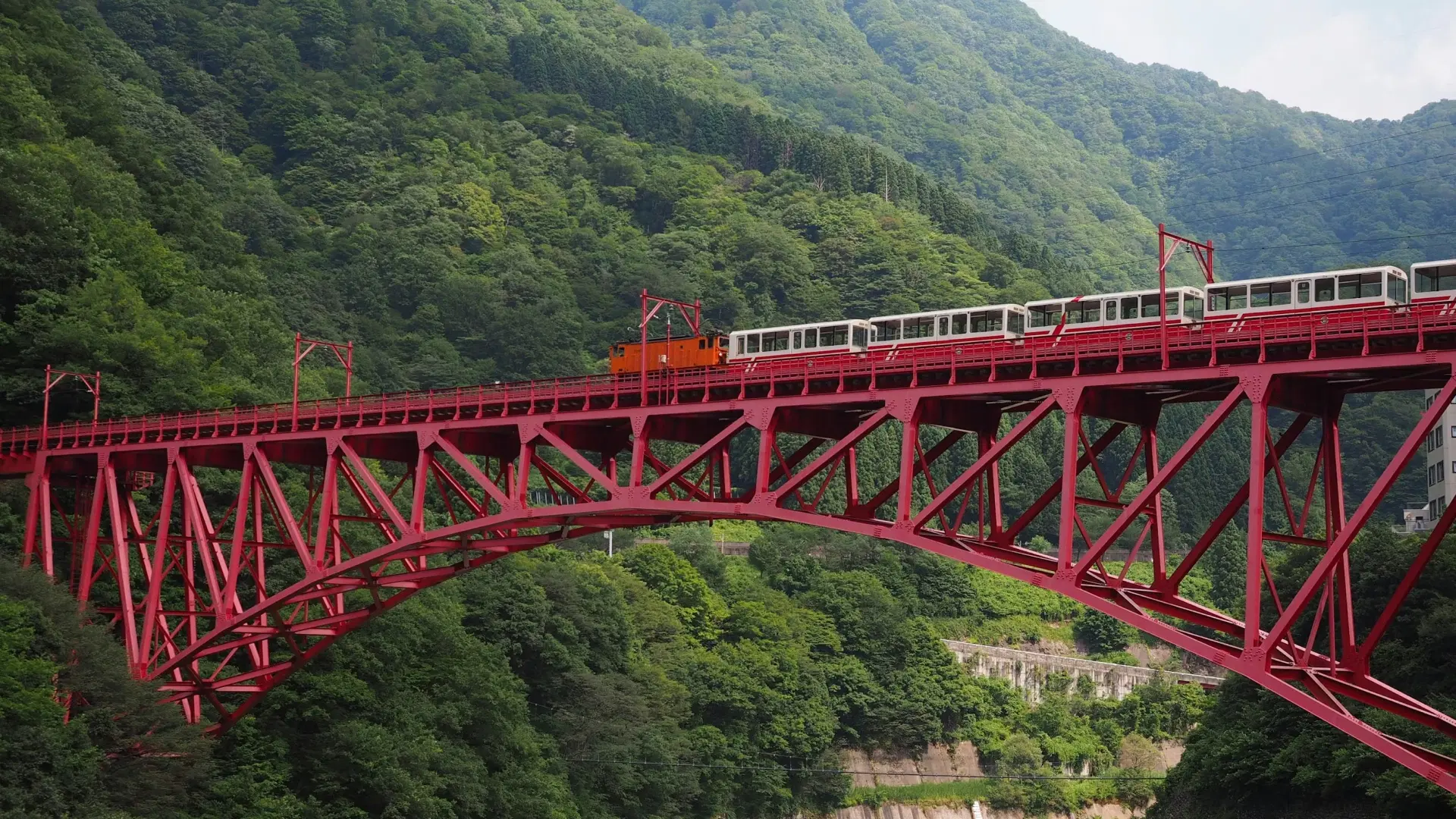
Kurobe Gorge conceals some of Japan's most wild and inaccessible hot springs. Kanetsuri Onsen, reached by the gorge's narrow-gauge trolley railway, offers open-air baths perched directly above the turquoise river. Unazuki Onsen, at the gorge's entrance, serves as a more accessible gateway with clear, simple alkaline waters and views into the narrow valley. Tateyama's Mikurigaike Onsen, the highest-altitude hot spring in Japan at 2,410 meters, sits beside a volcanic crater lake in a landscape of sulfurous steam and alpine stillness. Throughout the prefecture, the mineral character of the springs reflects the volcanic geology of the Northern Alps: sulfur, hydrogen carbonate, and sodium chloride waters each carry distinct therapeutic properties and the unmistakable sense of bathing at the boundary between earth and mountain.