Nagano
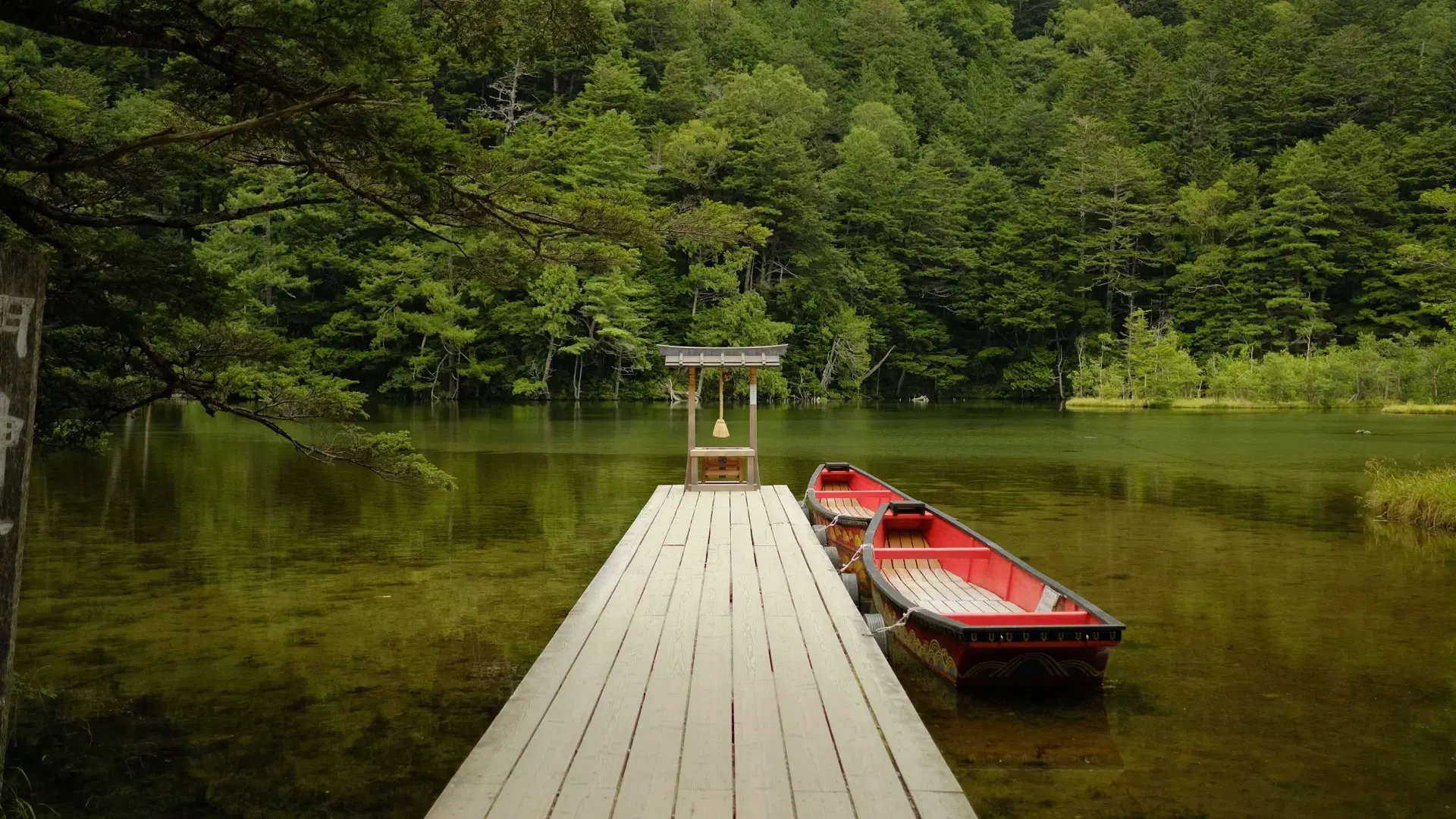
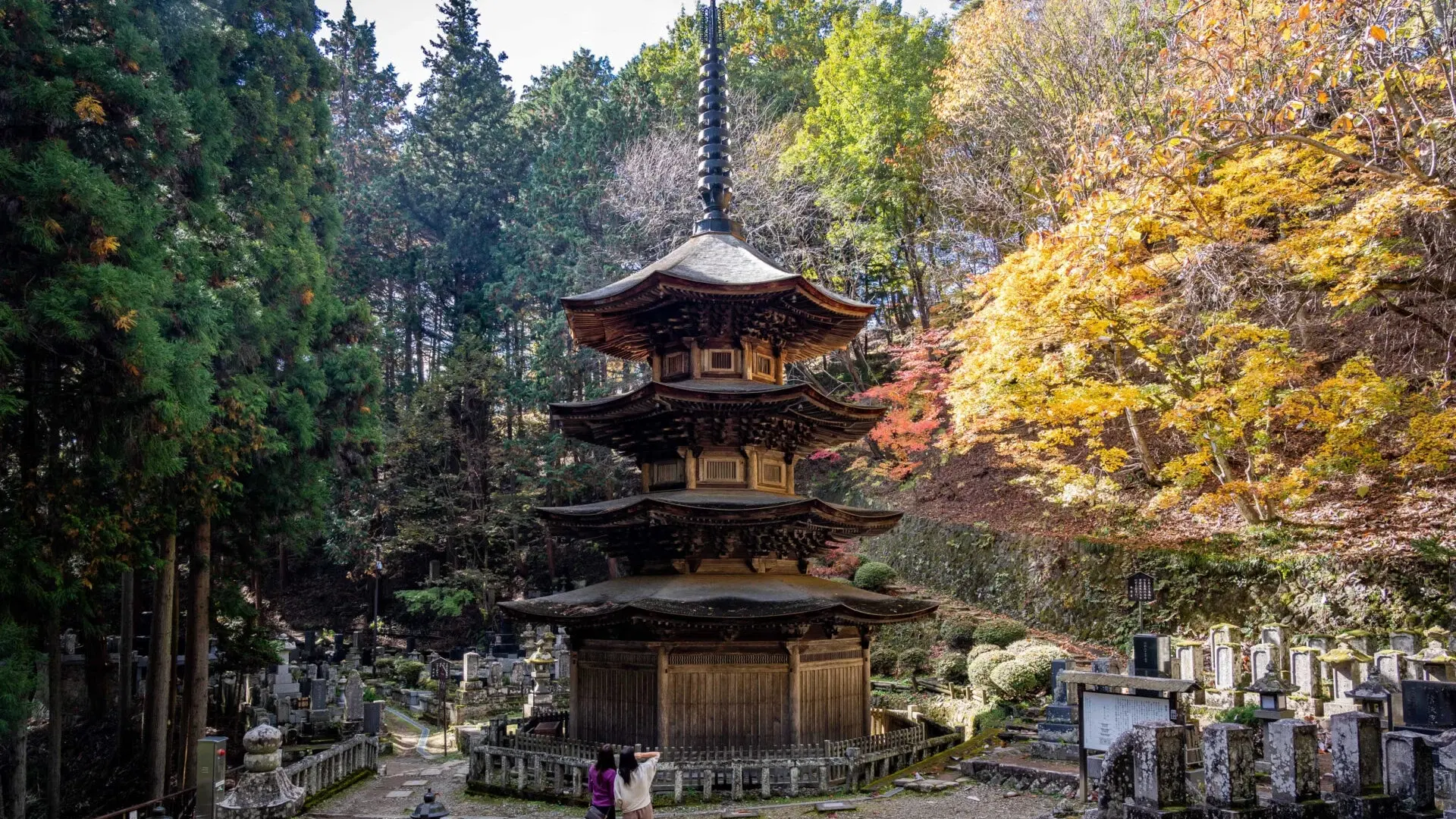
長野県Nagano is Japan's alpine heartland, a prefecture of soaring peaks, deep valleys, and highland plateaus where the air carries a clarity that sharpens every sense. The Northern, Central, and Southern Alps converge here, creating a topography so vertical that communities have historically developed in relative isolation, each valley nurturing its own dialect, cuisine, and architectural tradition. Kamikochi, the high valley sanctuary at 1,500 meters, opens each spring to reveal a landscape of crystalline rivers, birch forests, and snow-streaked ridgelines that ranks among the most beautiful in East Asia.
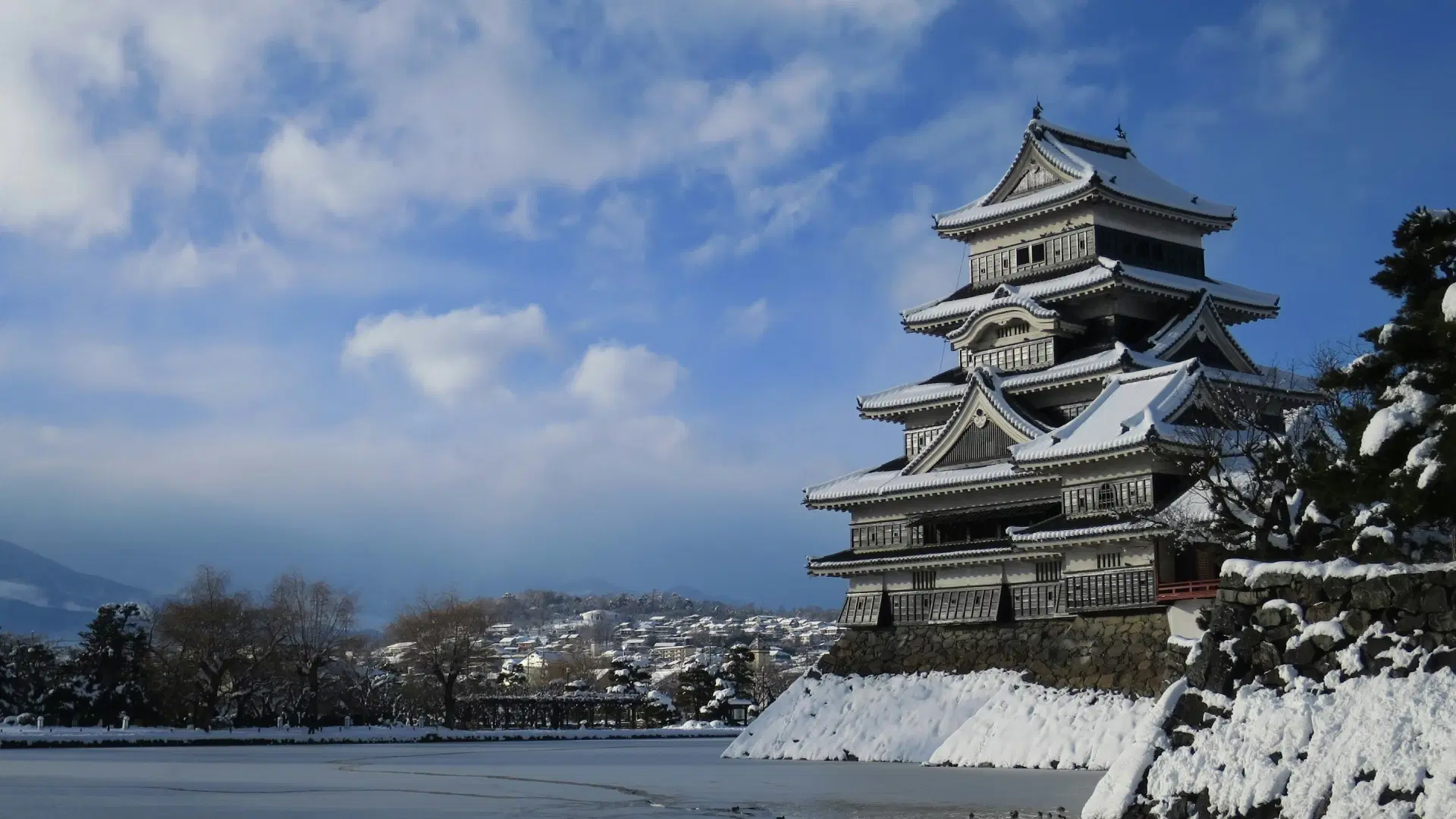
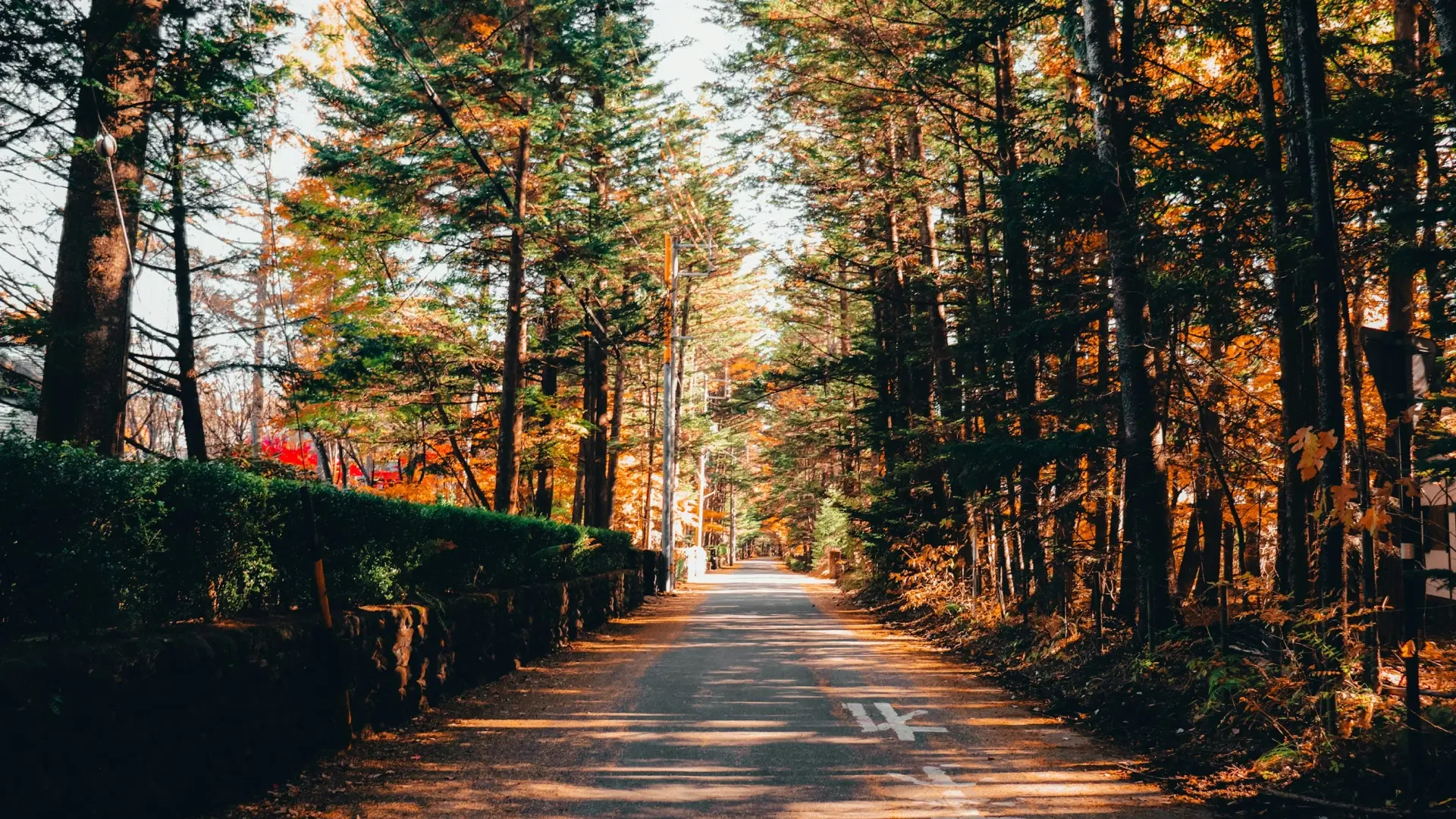
Nagano's human landscape is equally layered. The post-towns of the Nakasendo, particularly Narai, Tsumago, and Magome, preserve the architecture and atmosphere of Edo-period travel along mountain highways. Matsumoto Castle, its black walls reflected in a moat fed by mountain springs, is one of Japan's few original castles and the oldest surviving six-story keep. In Nozawa Onsen, a village of thirteen public baths heated by volcanic springs, the tradition of communal bathing is maintained by residents who treat the waters as a shared inheritance. Karuizawa, favored since the Meiji era as a highland retreat, offers refined dining and architecture amid forests of larch and birch. The soba noodles of Nagano, made from buckwheat grown at altitude where cold nights concentrate flavor, are considered the finest in Japan. This is a prefecture that rewards elevation, in every sense of the word.
Nagano is Japan's alpine heartland, a prefecture of soaring peaks, deep valleys, and highland plateaus where the air carries a clarity that sharpens every sense.
Cultural Identity
Nagano's cultural fabric is woven from mountain isolation and the traffic of ancient highways. Zenkoji, the seventh-century temple in Nagano City, houses a hidden Buddha image that has drawn pilgrims regardless of sect or gender for over 1,400 years, an openness remarkable in Japanese Buddhist history. The Nakasendo post-towns, where daimyo processions once rested on their journeys between Kyoto and Edo, preserve wooden inns, latticed facades, and the quiet rhythm of a world before rail. Matsumoto's dedication to the arts, visible in its Saito Kinen classical music festival and the numerous galleries in its historic district, reflects a city that values cultural life as fiercely as mountain access. Obuse, a small town near Nagano City, became an artistic haven when the aged Hokusai spent his final years there, leaving behind festival cart ceiling paintings of extraordinary vitality. The craft of kiso-hinoki woodworking, using the prized cypress of the Kiso Valley, endures in workshops where tools and techniques have barely changed in generations.
Culinary Traditions
Soba is Nagano's culinary religion. Togakushi, a highland village near Nagano City, is its holiest site, where buckwheat noodles are served in a style called bocchi, five small bundles on a round bamboo tray, with a purity that reduces the dish to its essence: grain, water, and craft. Oyaki, stuffed dumplings filled with nozawana pickled greens, pumpkin, or wild mushrooms, are the mountain food of necessity turned into something worth seeking out. The apple orchards of the Nagano basin produce fruit of remarkable crispness and sweetness, while Shinshu miso, fermented at altitude, develops a depth of flavor that anchors soups and sauces across the region. Basashi, raw horse meat served as sashimi, is a tradition shared with Kumamoto but deeply rooted in Nagano's equestrian mountain heritage. Shinshu salmon, a landlocked trout cultivated in the prefecture's cold streams, has emerged as a contemporary delicacy.
Waters & Onsen
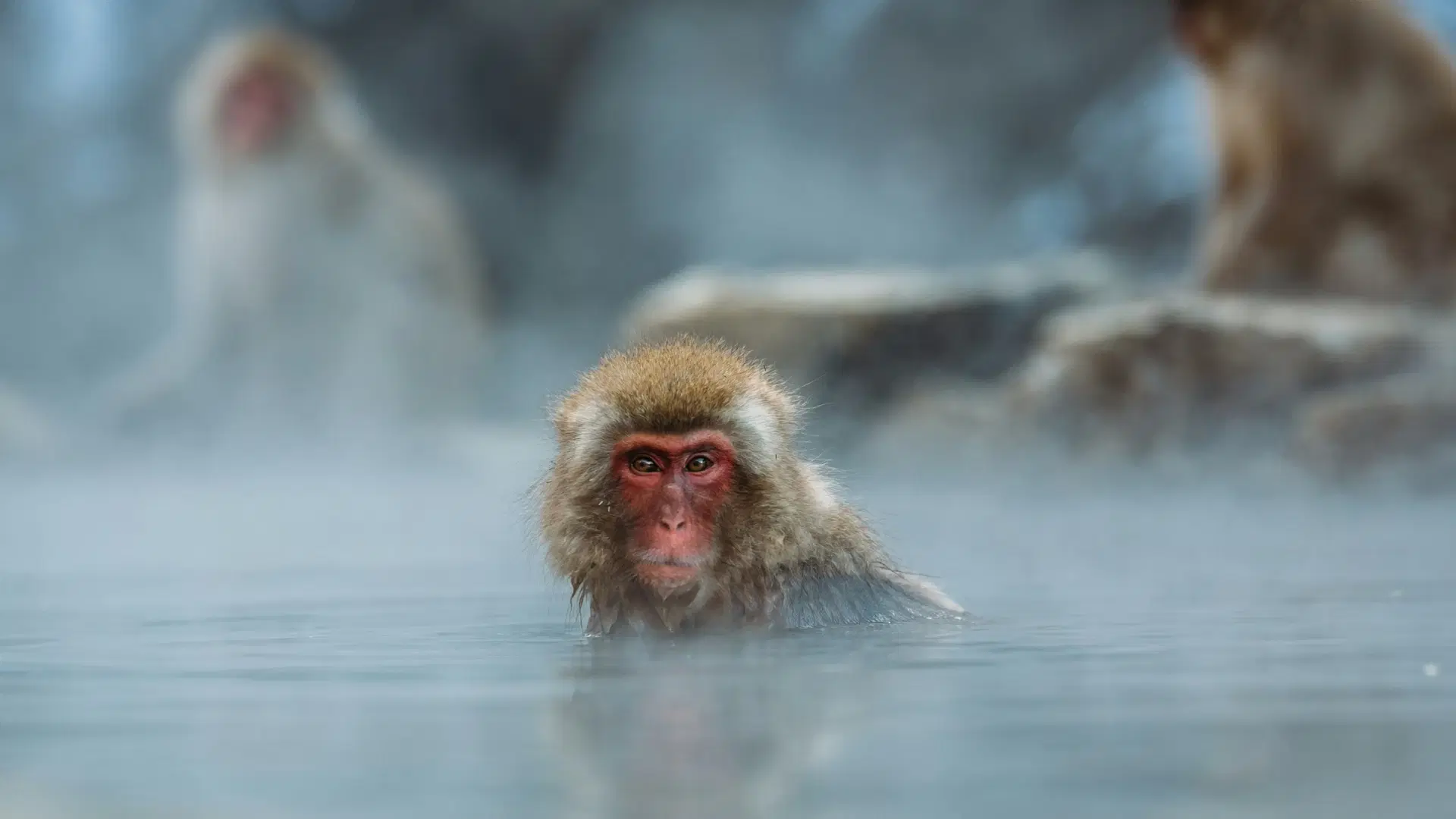
Nagano's volcanic geography produces an abundance of hot springs, each with distinctive mineral characters shaped by the particular mountain that heats them. Nozawa Onsen, with its thirteen free public baths managed by village residents, embodies the communal spirit of Japanese hot spring culture at its most democratic. Bessho Onsen, one of the oldest hot spring sites in the Shinshu region, offers alkaline sulfur waters in a setting of ancient temples and quiet streets. Shirahone Onsen, hidden in a high mountain valley, is renowned for its milky blue-white waters, rich in calcium and magnesium, said to prevent colds for three years after a single immersion. The snow monkey onsen at Jigokudani, where wild macaques bathe in steaming waters surrounded by snow, has become an icon of Japan, though the experience of watching them remains genuinely extraordinary. Throughout Nagano, the combination of altitude, clean air, and mineral-rich waters creates bathing experiences of uncommon purity.