Kamikochi Opening
上高地開山祭The Kamikochi Opening Ceremony on April 27 marks the annual moment when the alpine valley emerges from its winter closure and receives its first visitors of the year, an event that carries both practical and spiritual significance in the mountain culture of the Northern Alps. The ceremony, held at the Kappa Bridge with the snow-streaked peaks of the Hotaka range as backdrop, includes Shinto rituals that petition the mountain gods for the safety of climbers and hikers during the coming season, followed by the symbolic first crossing of the bridge that signals the valley's official opening. The date is fixed regardless of snow conditions, and in years when late snowfall has been heavy, the ceremony takes place in a landscape still firmly in the grip of winter, the contrast between the ritual's invocation of spring and the mountain's refusal to comply adding a quality of human aspiration to the proceedings.
The opening ceremony draws mountaineers, photographers, and nature enthusiasts who wish to experience Kamikochi at its most pristine, before the summer crowds arrive and the trails are worn smooth by passing feet. The valley in late April is a transitional landscape, the river banks still bordered by snow, the larch trees bare, the peaks above cloaked in white, and this austerity, so different from the green abundance of summer, reveals the alpine architecture of the landscape with a clarity that the growing season softens. The air at 1,500 meters is cold and clean, and the views, unobstructed by foliage, extend up the valley walls to the ridgelines with a directness that summer's leafy canopy interrupts.
For those who have visited Kamikochi in its crowded summer glory, the opening day offers a revelation: the same landscape stripped to its structural essentials, the mountains dominating with a presence that the distractions of warm-weather beauty partially conceal. This is Kamikochi at its most honest, a high mountain valley that remains, beneath its reputation as a scenic destination, a place of serious altitude, serious weather, and serious beauty.
The Kamikochi Opening Ceremony on April 27 marks the annual moment when the alpine valley emerges from its winter closure and receives its first visitors of the year, an event that carries both practical and spiritual significance in the mountain culture of the Northern Alps.
History & Significance
The tradition of the Kamikochi opening ceremony reflects the ancient Japanese practice of yama-biraki, mountain opening, in which access to sacred peaks was ritually inaugurated at the start of the climbing season. The concept derives from the Shugendo mountain ascetic tradition, which understood mountains as dwelling places of the gods and treated access to them as a privilege requiring spiritual preparation and divine permission. The Kamikochi ceremony, while modern in its specific form, inherits this understanding, its Shinto rituals acknowledging that the mountains belong to forces greater than human ambition and that entering them requires an attitude of respect.
The fixed date of April 27 was established to coincide with the historical pattern of snow conditions that typically allowed road access to the valley by late April, though climate variability has made this alignment less reliable in recent decades. The ceremony has been observed continuously since the postwar period, its persistence through decades of increasing commercialization reflecting the Japanese mountain community's attachment to the spiritual dimension of alpine culture. The event has become a marker in the national calendar, its media coverage signaling to the broader public that the mountain season has begun.
What to Expect
The ceremony begins in the morning at the Kappa Bridge, with Shinto priests performing rituals that include the offering of sake and seasonal items to the mountain deities and the chanting of prayers for safety. Local officials, mountain lodge operators, and representatives of the mountaineering community participate in the formal proceedings, which maintain the solemnity appropriate to a spiritual invocation while accommodating the presence of photographers and media whose coverage carries the event to a national audience.
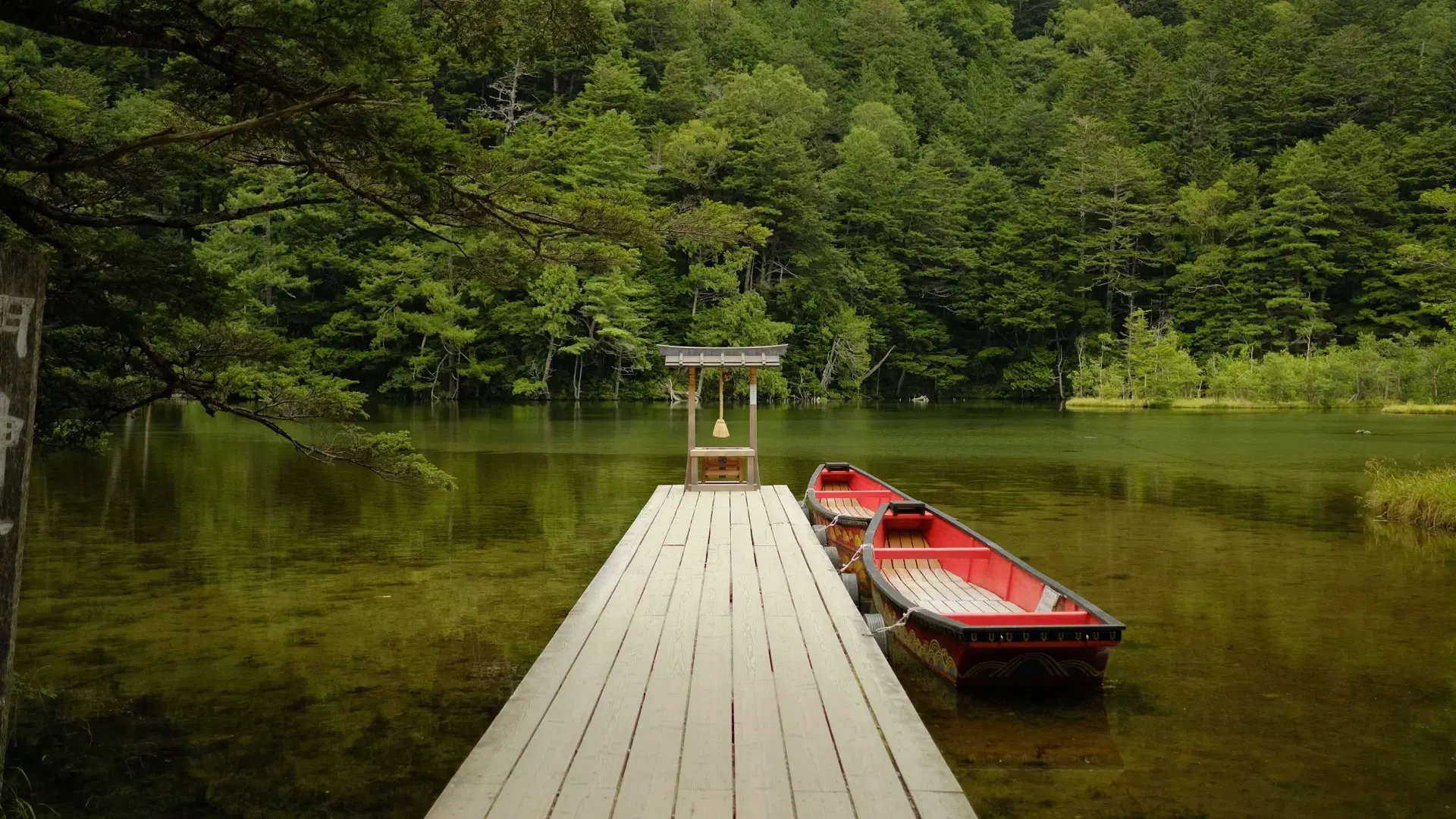
The opening of the valley is followed by the first walks of the season along the riverside trails, which may be partially snow-covered and require appropriate footwear. The Taisho Pond and Myojin Pond trails, the valley's signature walks, are accessible from opening day in most years, though conditions vary. The landscape at this time of year is dominated by the contrast between the white of remaining snow and the dark tones of wet rock and bare trees, a monochrome palette punctuated by the turquoise of the Azusa River, whose cold brilliance seems intensified by the austere surroundings.
The mountain lodges open for the season on or around the ceremony date, offering accommodation and meals to visitors who wish to extend the experience beyond a day trip. Staying overnight in the valley, when the day visitors have departed and the evening silence deepens, provides the most intimate encounter with the alpine environment, the stars above the valley visible with a clarity that the lowlands, with their light pollution and atmospheric haze, cannot offer.