Togakushi Soba Festival
戸隠そば祭りThe Togakushi Soba Festival celebrates the buckwheat harvest at one of Japan's most revered soba-producing regions, a high plateau beneath the dramatic peaks of Mount Togakushi where the combination of volcanic soil, cold mountain water, and crisp autumn air produces noodles of a purity and flavor that represent the art of soba at its highest expression. The festival unfolds across several weeks in late autumn, when the buckwheat fields have been harvested and the new-crop flour, still fragrant with the green, slightly mineral aroma of freshly milled grain, reaches the workshops and restaurants of the Togakushi district. For the soba devotee, there is no more important pilgrimage.
Togakushi soba is distinguished by its method of presentation as well as its ingredients. The noodles are served in the bocchi-mori style, arranged in small, round bundles on a bamboo zaru, each bundle representing a single mouthful to be lifted, dipped briefly in the accompanying tsuyu, and consumed in a gesture that is as much ritual as it is eating. The new-crop noodles, made from flour ground within days of harvest, possess a vibrancy of flavor and a delicate resilience of texture that diminish as the flour ages, making the festival period the single best window in which to experience Togakushi soba as its makers intend it to be tasted.
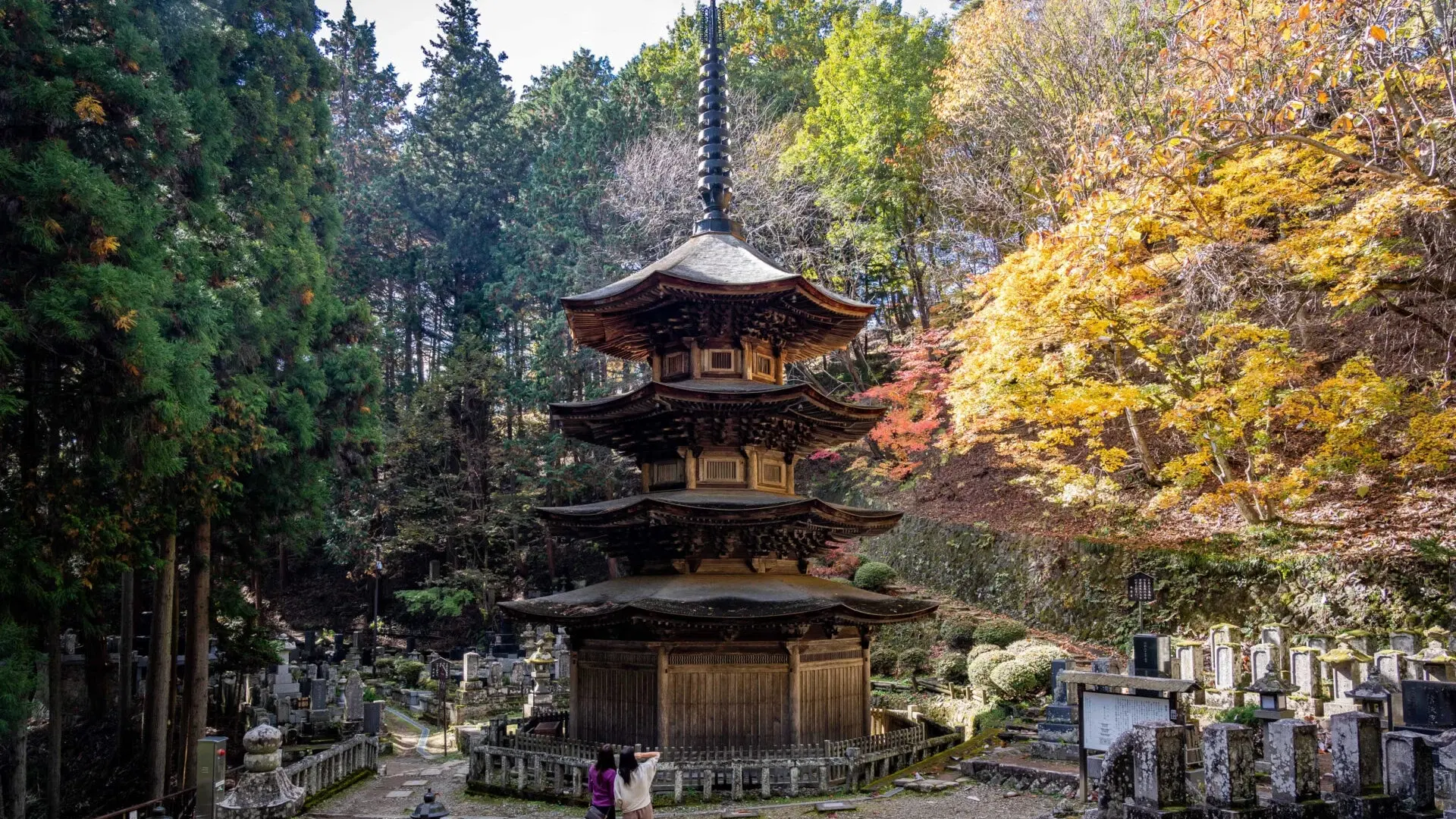
The setting deepens the experience immeasurably. Togakushi sits in the shadow of a mountain whose jagged ridgeline is considered one of the most beautiful geological formations in Japan, its vertical rock walls rising above ancient cedar forests that shelter one of the country's most atmospheric shrine complexes. The journey to eat soba here is a journey into a landscape of sacred mountains, towering trees, and autumn color that places the simple act of eating noodles within a context of natural grandeur that elevates the mundane into the ceremonial.
History & Significance
Buckwheat cultivation in Togakushi is intimately linked to the area's identity as a center of Shugendo mountain asceticism and Togakushi Shrine worship. The yamabushi, mountain ascetic practitioners who trained on Mount Togakushi's severe slopes, relied on soba as a sustaining food suited to the harsh mountain environment, and the cultivation of buckwheat on the high plateau developed in tandem with the shrine's growth as a pilgrimage destination. The soba shops that line the approach to the shrine's upper sanctuaries trace their lineages back generations, some claiming histories of two hundred years or more, and their craft represents an unbroken chain of knowledge connecting contemporary noodle makers to the ascetic traditions that first brought buckwheat to this plateau.
The formal Soba Festival emerged in the late twentieth century as a way to celebrate the harvest and draw visitors during the autumn season, but the practice of honoring the new crop has far deeper roots. The offering of newly harvested buckwheat to the shrine deities, the communal gatherings at which the first flour of the season was prepared and shared, and the pride of farmers in the quality of their particular fields all predate the organized festival by centuries. The modern event channels these traditions into a structured program of tastings, demonstrations, and competitions that makes the region's soba culture accessible to visitors while preserving its essential character.
What to Expect
The festival's centerpiece is the opportunity to taste shin-soba, new-crop buckwheat noodles, at the numerous soba restaurants that line the approaches to Togakushi Shrine's three sanctuaries. Each establishment prepares its noodles from freshly milled local flour, and the differences between shops, reflecting variations in grinding technique, hydration, cutting width, and the proportion of buckwheat to wheat flour, reward the visitor who samples broadly rather than settling for a single bowl. The festival period brings special menus and limited offerings, including juwari soba, noodles made from one hundred percent buckwheat flour without any wheat binder, a preparation that demands extraordinary skill and produces a flavor of unmatched intensity.
Soba-making demonstrations and workshops allow visitors to observe and participate in the process of transforming raw buckwheat into finished noodles. The speed and precision of experienced soba artisans, who can roll, fold, and cut a batch of noodles in minutes with movements refined over decades of practice, reveals the skill concealed within what appears to be a simple food. For those who attempt the craft themselves, the difficulty of producing noodles of even thickness and consistent texture provides a new appreciation for the mastery on display in the restaurants.
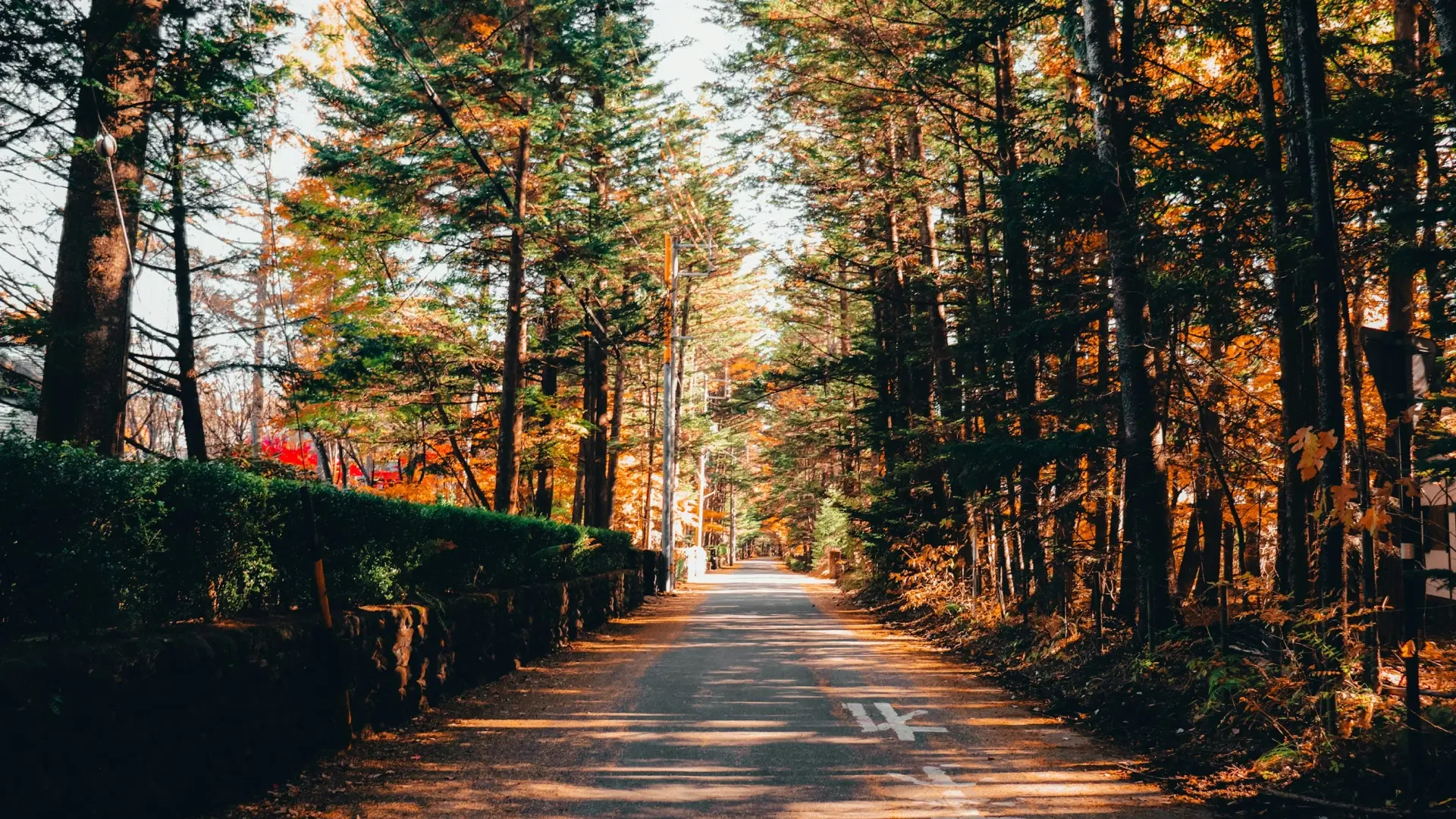
The autumn landscape of Togakushi provides a visual counterpart to the culinary experience. The ancient cedar avenue leading to Togakushi Shrine's Okusha, the innermost sanctuary, is one of Japan's most magnificent forest walks, the massive trees flanking a path that climbs gradually toward the mountain's base. In late October and November, the surrounding deciduous forests blaze with the reds, oranges, and golds of autumn, and the combination of forest color, mountain drama, and the warm satisfaction of freshly made soba creates a sensory completeness that few Japanese experiences can match.