Seiji Ozawa Matsumoto Festival
セイジ・オザワ松本フェスティバルThe Seiji Ozawa Matsumoto Festival, formerly the Saito Kinen Festival, is one of Asia's most distinguished classical music events, an annual gathering of world-class musicians in the mountain city of Matsumoto that transforms a castle town into a concert hall for the better part of three weeks each summer. The festival was founded in 1992 by the conductor Seiji Ozawa and the violinist Kazuyoshi Akiyama as a tribute to their teacher Hideo Saito, and it rapidly established itself as a destination event for classical music audiences who recognized in its programming a seriousness of intent and a quality of performance that rivaled the great European festivals.
The festival's setting, in the Kissei Bunka Hall and the smaller Matsumoto Performing Arts Centre, places world-class orchestral and operatic performance in a context that is intimate by international standards. The audiences are attentive and knowledgeable, the acoustic properties of the venues favor clarity over grandeur, and the surrounding city provides a cultural and culinary backdrop that enriches the concert experience. The Saito Kinen Orchestra, assembled each summer from leading players who hold principal positions in orchestras around the world, achieves a unity of purpose and a level of rehearsal that permanent ensembles, constrained by routine, rarely match.
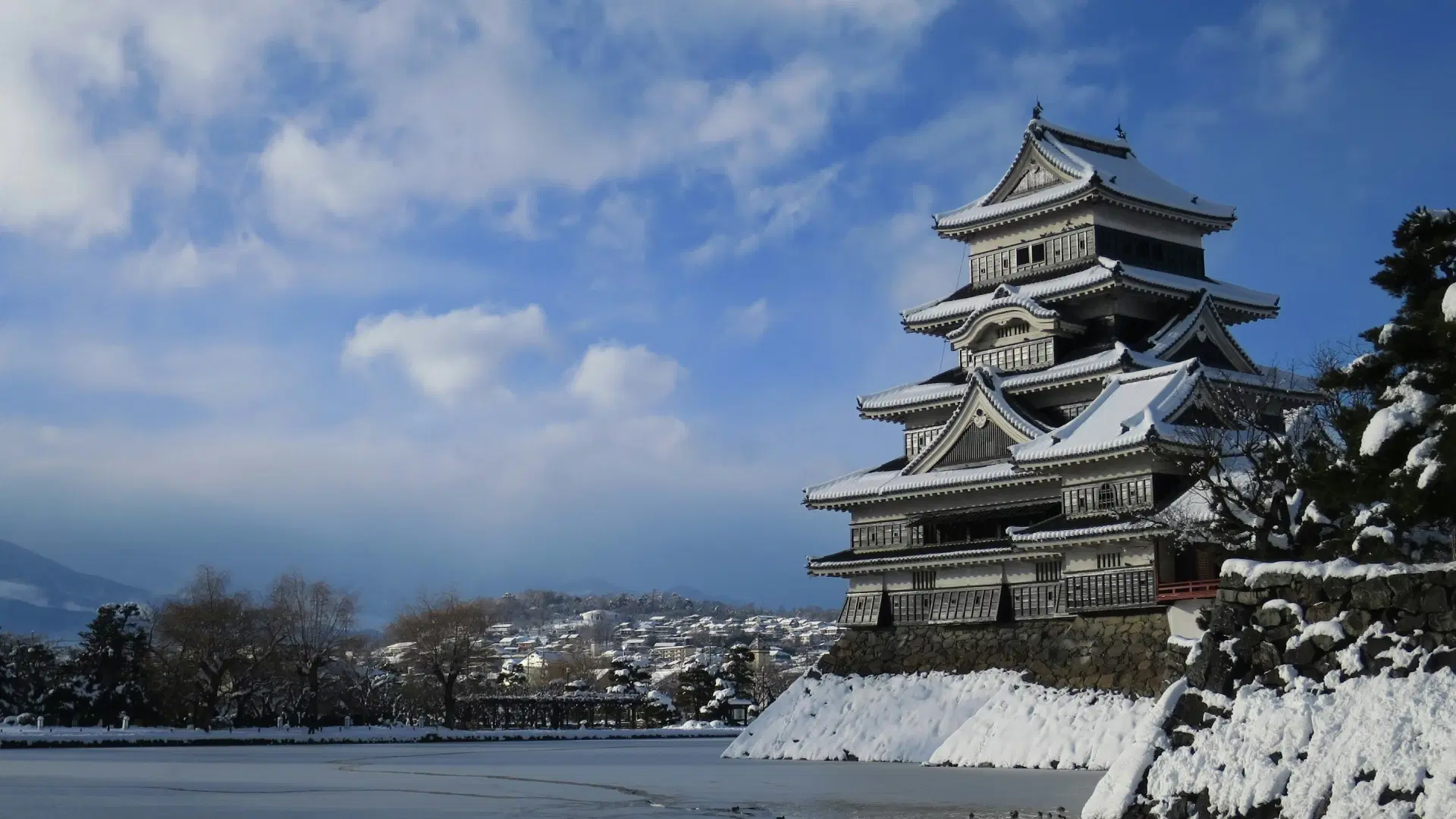
For the traveler who combines cultural and aesthetic interests, the festival offers an opportunity to experience classical music performance of the highest caliber in a setting that includes a national treasure castle, alpine mountain scenery, and a culinary tradition rooted in the finest soba and mountain cuisine of Nagano. The conjunction of these elements, sound, architecture, landscape, and food, creates a festival experience that engages multiple dimensions of sensibility simultaneously.
History & Significance
The festival's genesis lies in the pedagogical legacy of Hideo Saito, a cellist and conductor whose teaching at the Toho Gakuen School of Music in Tokyo shaped two generations of Japanese musicians, including Seiji Ozawa, who would become one of the most celebrated conductors of the twentieth century. Saito's death in 1974 prompted his former students to establish a memorial concert, and the success of these gatherings planted the seed for a permanent festival. Ozawa's choice of Matsumoto, a city whose cultural infrastructure and mountain setting appealed to his vision of a festival that would combine musical excellence with natural beauty, proved inspired.
The festival's growth from a memorial tribute to an internationally recognized event paralleled the broader expansion of Japan's classical music culture. Under Ozawa's artistic direction, the programming evolved to include fully staged opera productions, chamber music concerts, educational workshops, and community outreach programs that extended the festival's impact beyond the concert hall. The renaming of the festival in 2015 to honor Ozawa himself, following his retirement from active conducting due to health concerns, acknowledged his role not merely as artistic director but as the spiritual force whose vision and international connections made the festival possible.
What to Expect
The festival's orchestral concerts, typically featuring the Saito Kinen Orchestra in programs that range from the Romantic repertoire through twentieth-century masterworks, form the core of the programming. The quality of performance reflects the caliber of the musicians, drawn from the Vienna Philharmonic, the Berlin Philharmonic, and leading American orchestras, and the intensity of rehearsal that the festival format permits. The orchestral concerts at Kissei Bunka Hall seat approximately two thousand and offer acoustics that favor transparency and detail, allowing listeners to hear individual voices within the ensemble texture.
The opera productions, mounted with full staging, costumes, and lighting in a venue whose intimacy places the audience in close proximity to the performers, have included works by Ravel, Bartok, Strauss, and Britten, chosen for their suitability to the festival's scale and its commitment to theatrical as well as musical values. The chamber music programs, presented in the smaller Matsumoto Performing Arts Centre, offer encounters with ensembles of extraordinary quality in an acoustic environment designed for the subtle dynamics and timbral nuance of small-group performance.
Beyond the formal concerts, the festival generates a city-wide atmosphere of musical engagement. Open rehearsals, educational events, and informal performances in parks and public spaces extend the festival's reach into the daily life of Matsumoto, creating a period during which music becomes the city's ambient condition. The combination of concert attendance with afternoon visits to the castle, evening soba dinners, and early-morning walks through the Nakamachi district creates a festival rhythm that balances intense listening with the sensory pleasures of the city itself.