Nozawa Onsen
野沢温泉Nozawa Onsen is a village that has been heated from below for as long as anyone can remember, its narrow streets winding between wooden buildings whose proximity to each other reflects both the mountain terrain's compression and the communal warmth of a community that has shared its thermal waters for centuries without interruption. The village sits at the base of Mount Kenashi in the mountains of northern Nagano, its thirteen public bathhouses, called sotoyu, maintained collectively by the residents and open to all without charge, an act of communal generosity that defines the village's character as surely as the steam that rises from its drains and gutters and the hot water that flows through channels alongside its stone-paved lanes.
The sotoyu tradition distinguishes Nozawa from virtually every other onsen town in Japan. These are not commercial facilities but neighborhood bathhouses, each one managed by the residents of the surrounding homes, who take turns cleaning the baths, managing the water temperature, and maintaining the wooden buildings that house them. The system is a living example of the Japanese concept of commons management, a practice so old and so deeply embedded in the village's social fabric that it functions without formal organization, sustained by the understanding that the springs belong to everyone and that their maintenance is everyone's responsibility.
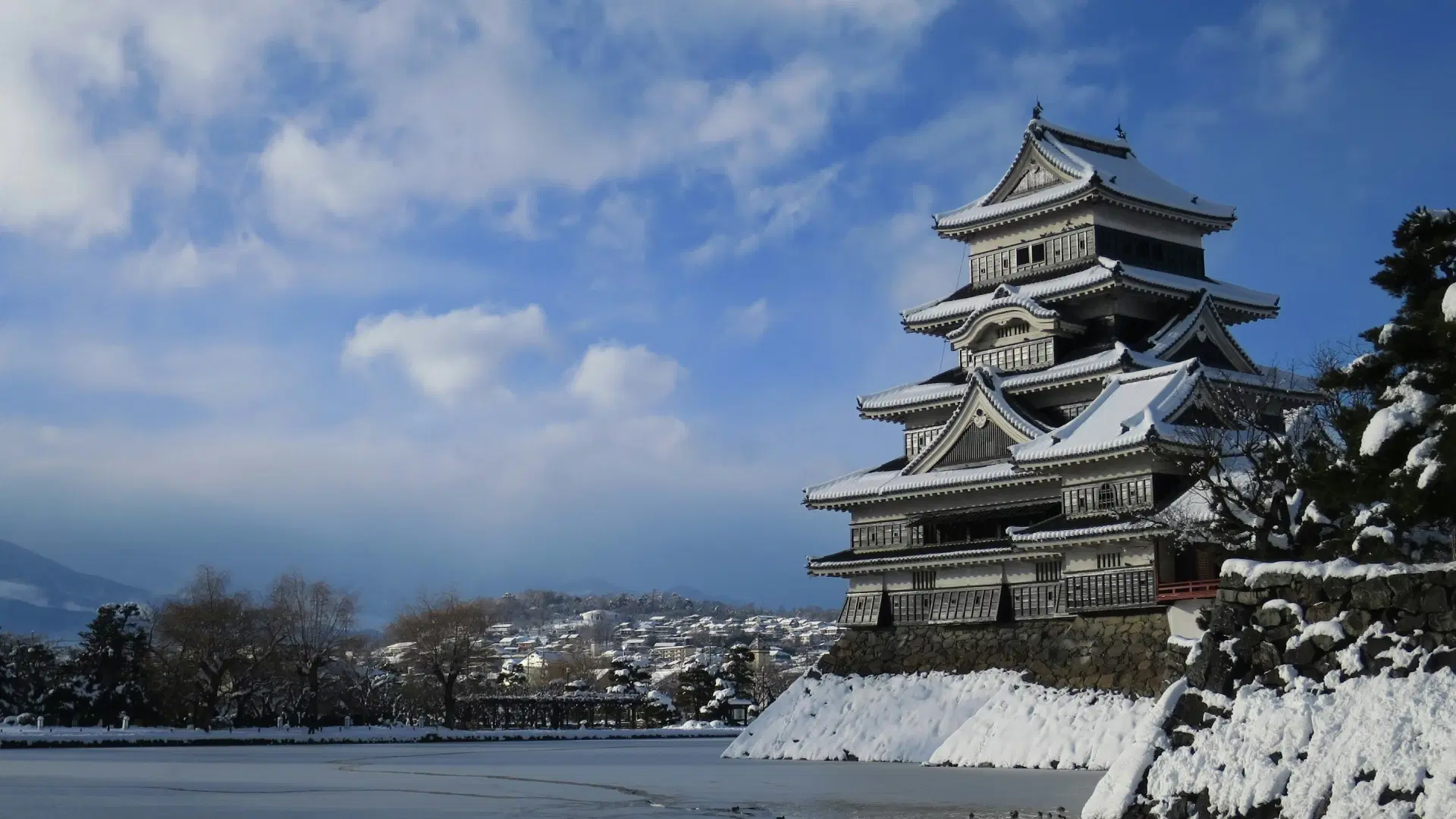
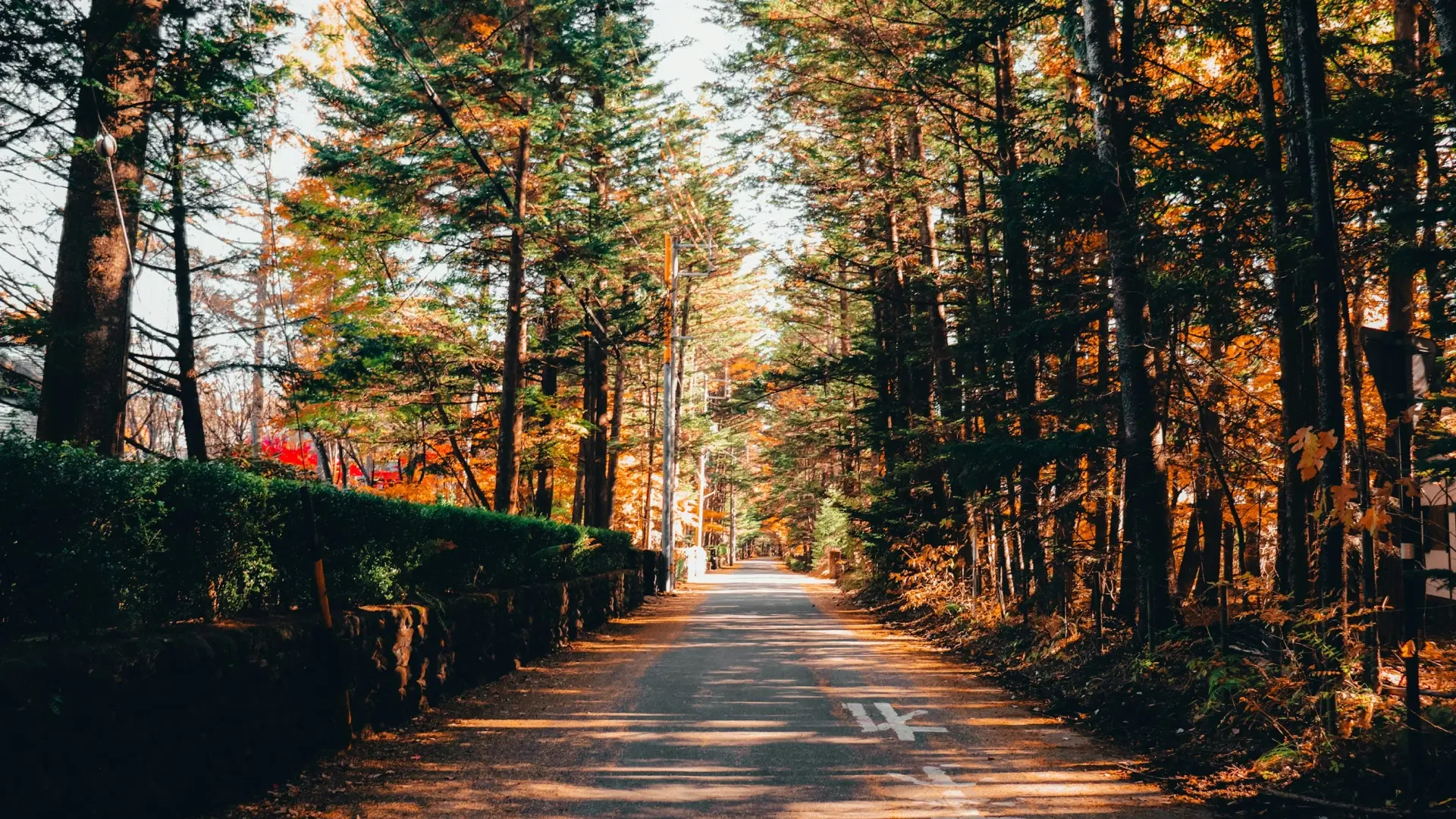
The village's dual identity as onsen resort and ski destination creates a seasonal rhythm unlike any other in Japan. In winter, when the slopes of Nozawa Onsen Ski Resort draw skiers and snowboarders to some of the finest powder in Nagano, the bathhouses become recovery rooms where cold-stiffened muscles are restored by water whose mineral warmth seems to penetrate to the bone. In summer, when the mountains green and the altitude provides respite from the lowland heat, the baths serve a gentler function, their warmth a pleasure rather than a necessity. But it is in the shoulder seasons, spring and autumn, when the village is quietest and the steam rises most visibly against the cool air, that Nozawa reveals its truest self: a mountain community whose identity is inseparable from the water that flows beneath it.
Highlights
The thirteen sotoyu are Nozawa's soul, each one a small wooden building housing a single or double bath filled with water drawn directly from the village's multiple source springs. Ogama, the largest and most famous, occupies a central position in the village and serves not only as a bathhouse but as a communal cooking facility, its scalding water used by residents to boil eggs, cook mountain vegetables, and prepare nozawana, the pickled turnip greens that are the village's signature food product. The spectacle of villagers lowering baskets of vegetables into the bubbling water of Ogama, their movements practiced and unhurried, reveals a relationship with thermal water that transcends bathing and enters the realm of daily sustenance.
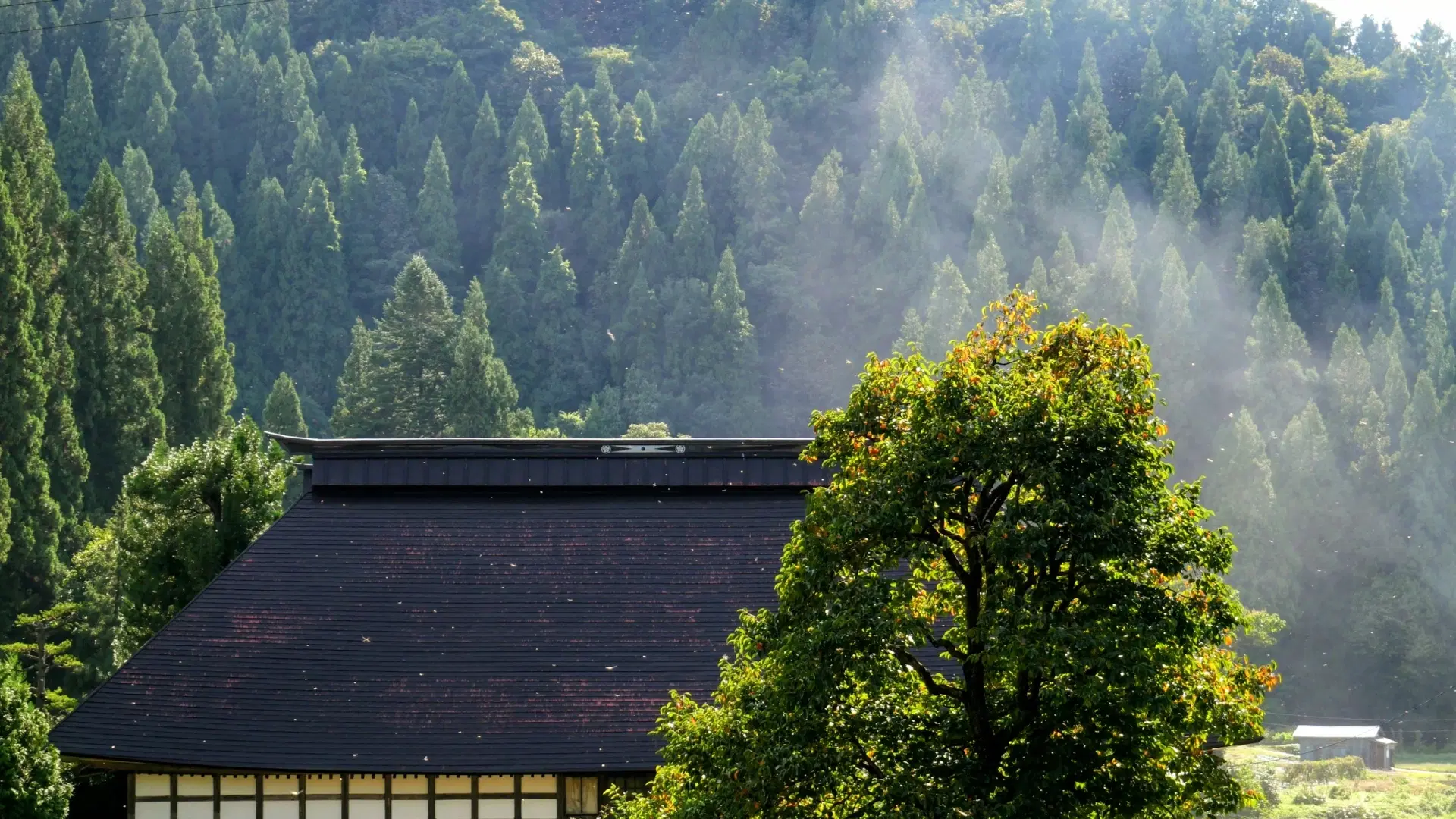
The village's architectural character, a compact assembly of wooden ryokan, minshuku guesthouses, shops, and private homes arranged along streets too narrow for most vehicles, creates an intimacy that larger onsen towns have lost to modernization. The traditional buildings, many of them three-story structures with steeply pitched roofs designed to shed the heavy snowfall of northern Nagano, line streets where the sound of flowing water is constant, the thermal streams channeled through gutters and stone-lined courses that serve as the village's circulatory system. Walking these streets in the evening, when the bathhouse lanterns glow and the steam catches the light, is an experience of onsen culture at its most atmospheric and least commercialized.
The Ogama complex and the surrounding area known as Yu-no-machi, Hot Water Town, function as Nozawa's communal living room. Residents gather to exchange news while tending the cooking waters, visitors pause on benches to rest between bathhouse visits, and the steam that rises from every surface creates an atmosphere that is at once public and intimate. The free ashiyu footbath near the village center provides a casual entry point for visitors who wish to experience the thermal waters without the commitment of a full bath.
Culinary Scene
Nozawa's culinary identity begins and ends with nozawana, the pickled turnip green that takes its name from the village and whose production is as much a part of the local identity as the hot springs themselves. The nozawana turnip, a long-leafed variety particular to this region, is harvested in November and washed in the thermal waters of Ogama before being layered with salt in wooden barrels and pressed under heavy stones. The fermentation produces a pickle of complex, tangy depth whose flavor deepens over the winter months, and nozawana appears at every meal in the village's ryokan and restaurants, served as a side dish, wrapped around rice balls, or incorporated into oyaki, the stuffed dumplings that are the broader Nagano region's signature snack.
The mountain cuisine of northern Nagano provides the broader context for Nozawa's table. Wild sansai mountain vegetables, gathered from the surrounding forests in spring, appear in tempura, ohitashi, and simmered dishes that taste of the forest floor. Shinshu beef, raised in the highland pastures, and river fish from the mountain streams contribute protein to a diet that is otherwise dominated by vegetables, soba, and rice. The ryokan of Nozawa serve kaiseki dinners that draw from this mountain pantry with a simplicity that reflects the village's character, the courses arriving in lacquered trays and ceramic vessels that frame the food with the same unpretentious beauty that defines the village architecture.
The winter months bring nabe hot pot to the center of the table, the communal pot simmering over a portable burner with combinations of mountain vegetables, tofu, mushrooms, and sliced pork or chicken that warm from the inside as the baths warm from the outside. The sake of Nagano, brewed with the same mountain water that feeds the springs, accompanies these meals with a clarity and softness that reflects the water's purity.