Toyama City
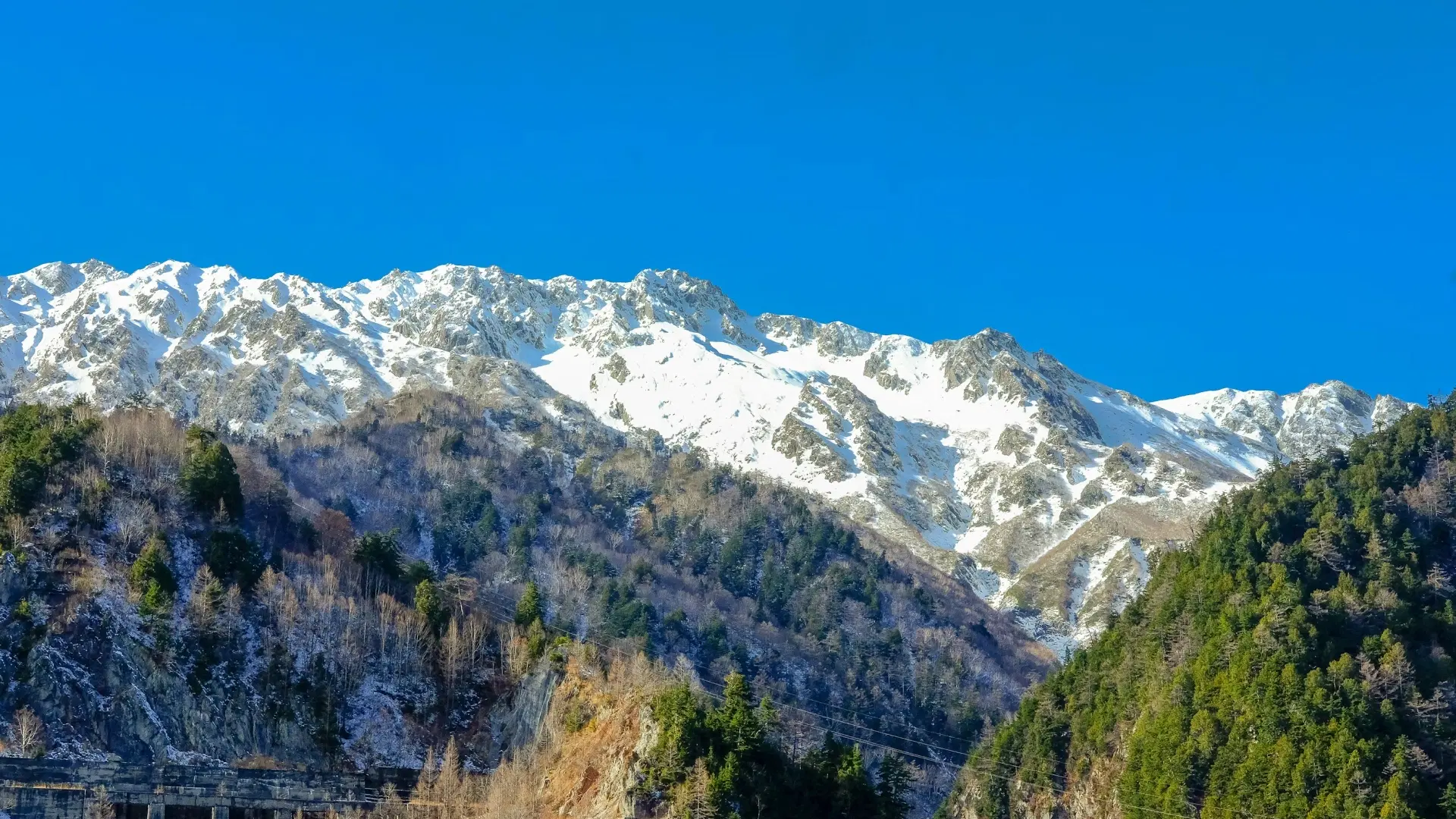
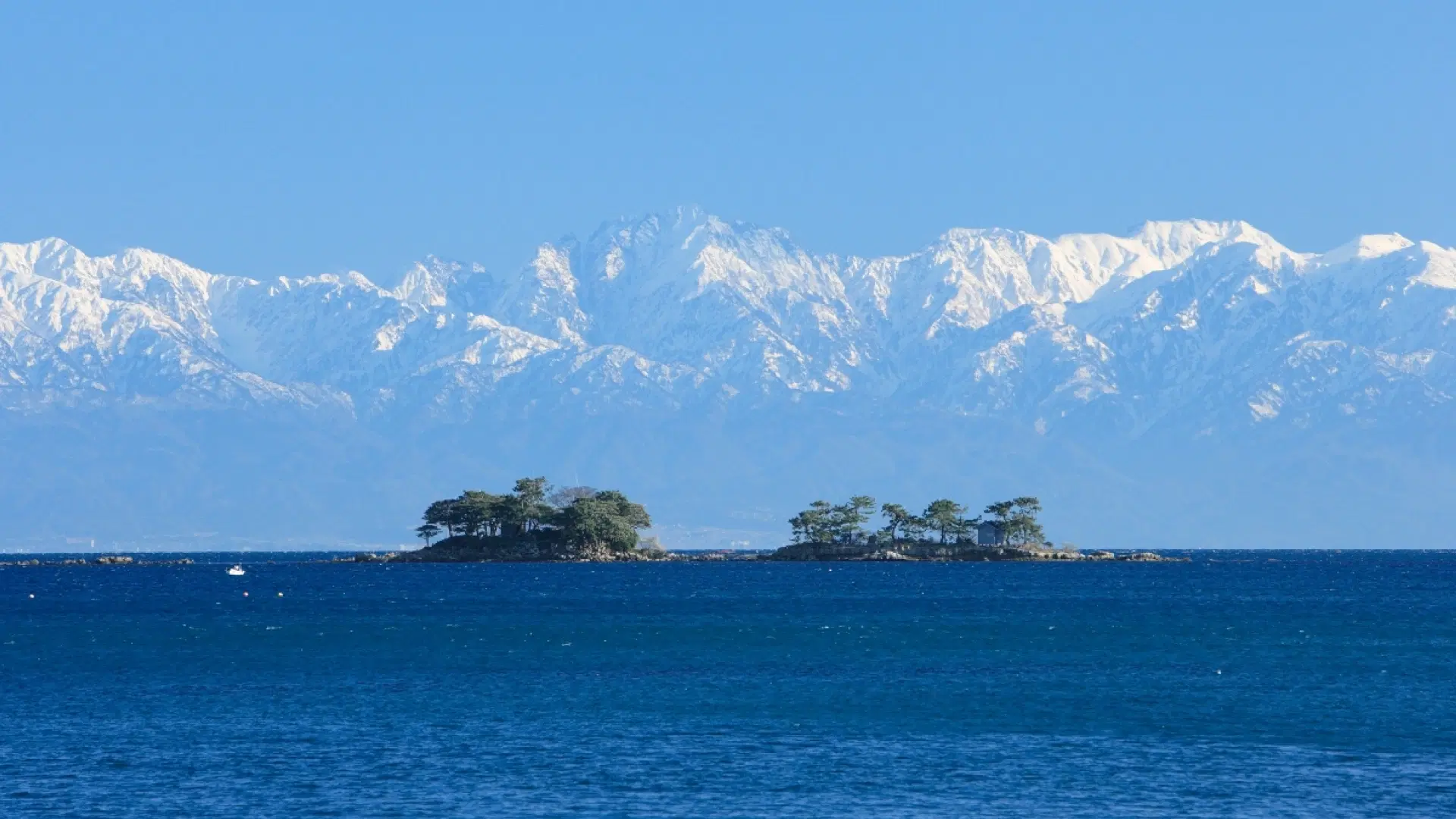
富山市Toyama City occupies a position of remarkable geographic drama. Set on the broad alluvial plain where the Jinzu River empties into Toyama Bay, the prefectural capital of roughly 420,000 inhabitants looks north toward one of the richest fishing grounds in the Sea of Japan and south toward the Tateyama mountain range, whose three-thousand-meter peaks carry snow well into summer. This compression of ocean and alpine wilderness within a single urban viewshed gives Toyama a spatial character unlike any other city on the Japanese coast. On clear mornings, the entire wall of the Northern Alps rises behind the city skyline, a spectacle of vertical scale that reduces the built environment to a narrow band between water and stone.
The city's history is shaped by its role as the seat of the Maeda clan's branch domain during the Edo period. Toyama Castle, originally constructed in 1543 and rebuilt after wartime destruction, anchors a park at the city center that preserves the moats and grounds of the former stronghold. The Maeda administration cultivated pharmaceutical production as a domain industry, establishing Toyama as the center of Japan's traditional medicine trade, a reputation that persists today in the form of historic apothecary shops and the Toyama Museum of Medicine, which documents a pharmaceutical heritage stretching back over three centuries. The city's merchants, enriched by the medicine trade, patronized arts and crafts that have survived into the present, most notably a glassworking tradition that has evolved from utilitarian production into internationally recognized contemporary art.
Modern Toyama has undergone a civic reinvention centered on its streetcar network and waterfront. The city's light rail system, one of the most successful transit revivals in Japan, connects the station to the Iwase canal district and the Kansui Park waterfront along the bay, creating an urban experience that rewards slow exploration. The Toyama Glass Art Museum, designed by Kengo Kuma and opened in 2015, has become both an architectural landmark and a statement of the city's ambition to position itself as a cultural destination worthy of its extraordinary natural setting.
Toyama City occupies a position of remarkable geographic drama.
Highlights
The Toyama Glass Art Museum is the city's most compelling cultural destination and one of the finest small museums in Japan. Kengo Kuma's design stacks layers of glass, aluminum, and locally sourced cedar into a spiraling interior that ascends through gallery floors to a rooftop garden with views toward the mountains. The permanent collection showcases both the city's historical glass tradition and contemporary works by international artists, including a monumental installation by Dale Chihuly whose organic forms respond to the building's geometry of light and wood. The experience of moving through the museum, with its constantly shifting transparency and warmth, mirrors the quality of Toyama itself: a city where clarity and craft intersect.
Toyama Castle Park provides the historical anchor. The reconstructed castle houses a local history museum, but the grounds themselves, with their broad moats reflecting cherry blossoms in spring and autumn foliage in November, offer the most pleasant walking in the city center. The adjacent Sato Memorial Art Museum, dedicated to modern Japanese painting, and the Toyama Municipal Folk Arts Village, a cluster of traditional buildings housing workshops for pottery, papermaking, and other regional crafts, extend a visit to the castle area into a half-day engagement with the city's cultural layers.
The Iwase district, accessible by the city's elegant light rail line, preserves the architecture and atmosphere of a Kitamaebune trading port. The Mori Family Residence, a grand merchant house with a traditional garden, and the sake breweries that line the canal speak to the wealth generated by maritime commerce during the Edo and Meiji periods. Walking the quiet streets of Iwase, with the canal on one side and the wooden facades of merchant houses on the other, provides a counterpoint to the contemporary energy of the city center and a reminder that Toyama's prosperity long predates its modern reinvention.
Culinary Scene
Toyama's cuisine is defined by the extraordinary bounty of Toyama Bay, whose steep submarine canyon brings deep-ocean currents close to shore and supports a diversity of marine life unmatched on the Sea of Japan coast. Shiro-ebi, the translucent white shrimp found only in these waters, are Toyama's most exclusive ingredient, their sweet, delicate flesh served as sashimi, in kakiage tempura, or atop sushi at the Toyama Bay Sushi cluster near the station, where conveyor-belt restaurants serve fish of a quality that would command premium prices in Tokyo. Buri, the yellowtail that migrates through the bay each winter, is another pillar of the local table. The buri shabu, thinly sliced yellowtail swished through a light kombu broth, is a winter preparation of exquisite simplicity that depends entirely on the freshness and fat content of the fish, both of which reach their peak in the cold months.
The mountains contribute their own culinary vocabulary. Toyama's rice, cultivated on the alluvial plain with water descending from the Northern Alps, is among the finest in Japan, and the masu-zushi, a pressed sushi of trout and vinegared rice wrapped in bamboo leaves, has been produced in the city for centuries. Originally a traveling food for journeys through the mountains, masu-zushi has been refined into an art form, with more than thirty producers in the city each offering slightly different interpretations of the balance between fish, rice, and the faint herbaceous note of the bamboo wrapping. The best versions achieve a harmony of flavor and texture that transcends their humble origins.
Toyama's sake, brewed with snowmelt water of exceptional purity and local rice varieties, is characterized by a clean, mineral quality that pairs naturally with the region's seafood. The Masuizumi and Manchidai breweries, both located within the city, produce expressions that have won national recognition while remaining rooted in the particular character of Toyama's water and climate.