Niigata Sake no Jin
にいがた酒の陣Niigata Sake no Jin is the largest gathering of sake breweries in Japan, a two-day celebration that transforms the Toki Messe convention center into a landscape of cedar-scented cups, porcelain tokkuri, and the quiet concentration of tasters encountering the products of one of the world's great brewing traditions. More than ninety of Niigata's sake breweries participate, pouring their junmai daiginjo, honjozo, and experimental cuvees for an audience that ranges from casual enthusiasts to professional sommeliers. The atmosphere falls somewhere between a county fair and a grand cru tasting in Burgundy, democratic in its spirit but serious in its subject.
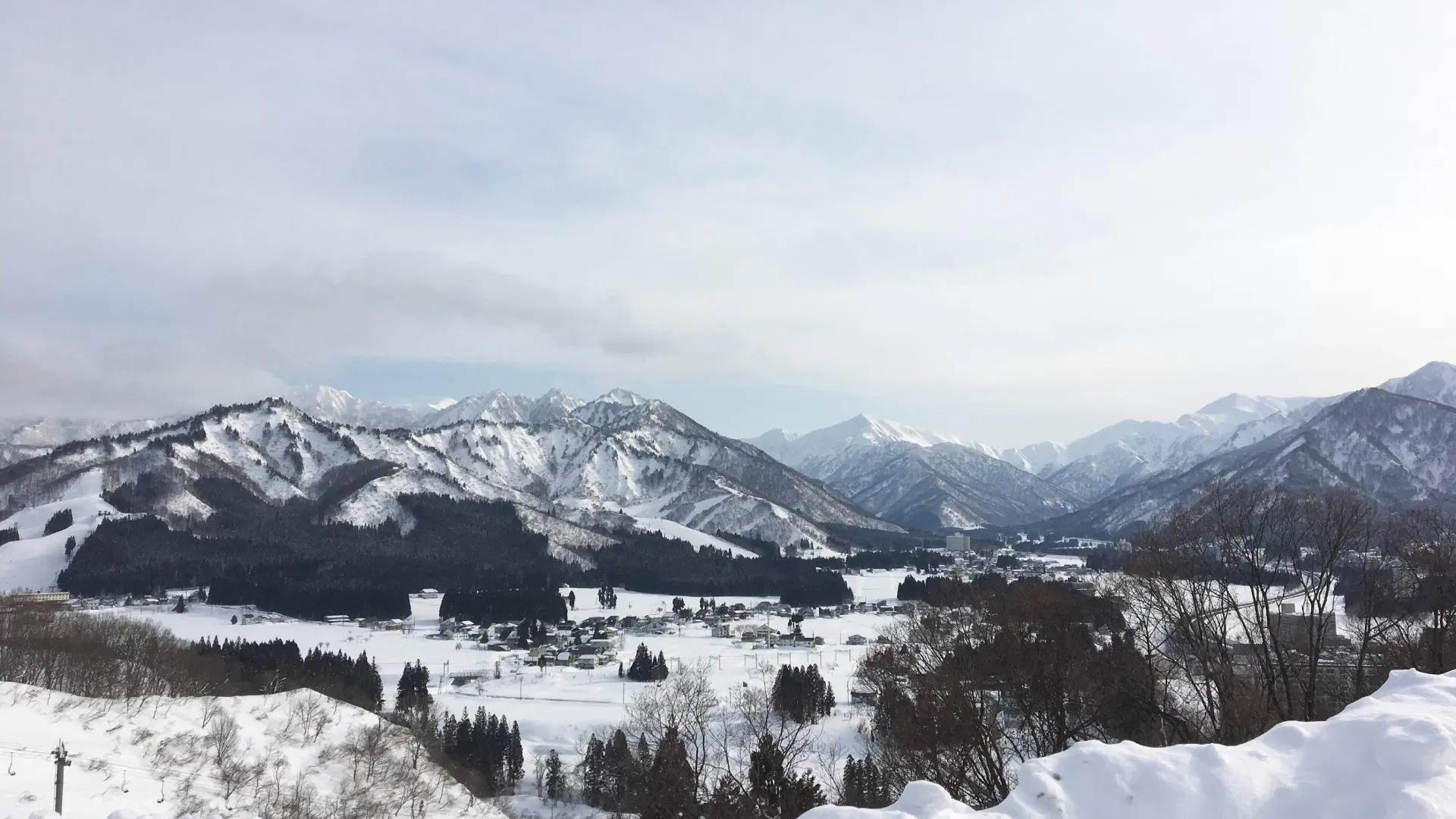
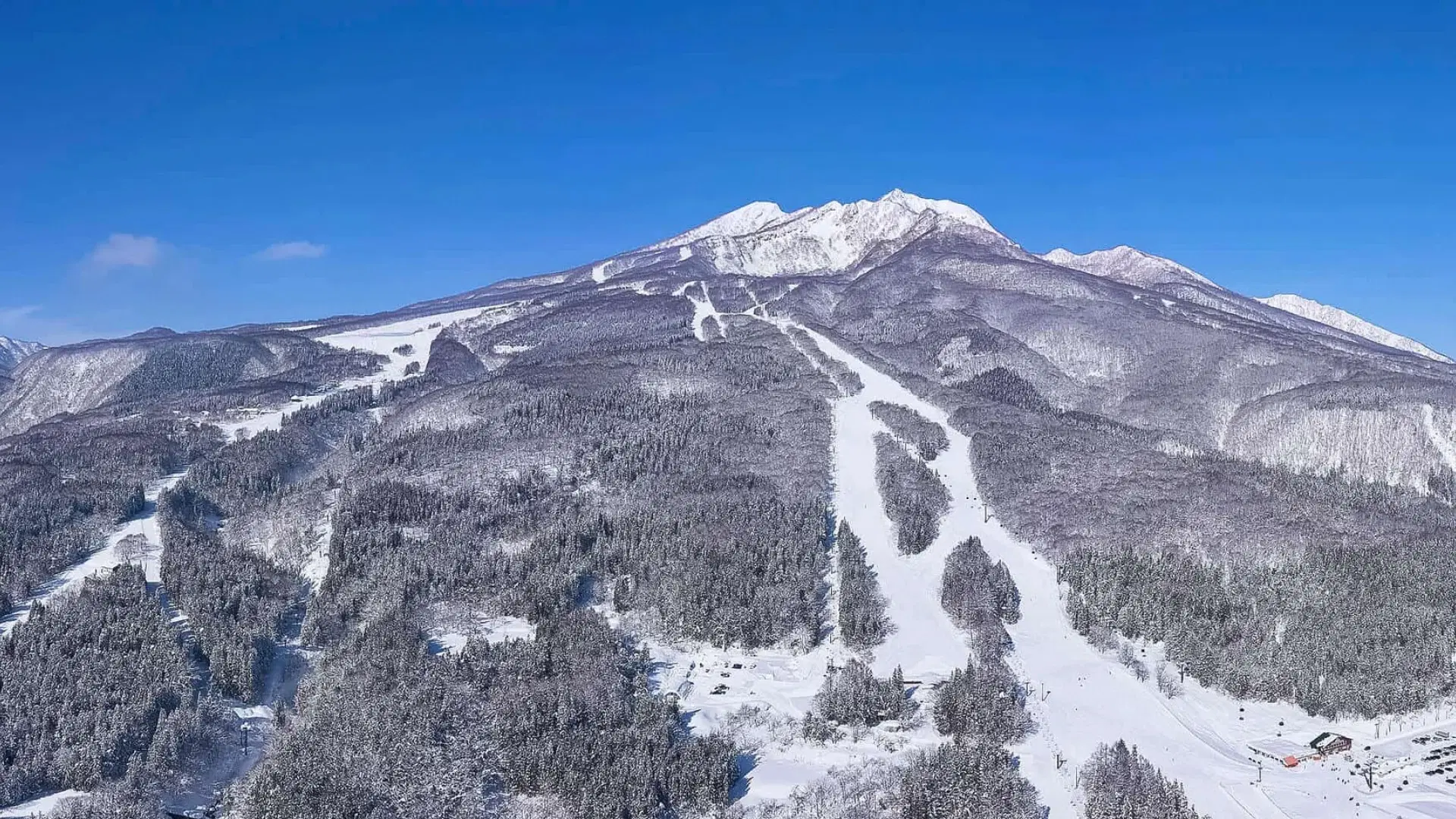
Niigata's claim to sake supremacy rests on three foundations: the Koshihikari rice that provides the raw material, the snowmelt water that flows from the mountains in quantities and mineral compositions ideally suited to brewing, and the toji, master brewers, whose techniques have been refined across centuries of harsh winters spent in the kura. The prefecture produces more sake than any other in Japan, and the regional style tends toward the clean, dry, and elegant, qualities that reflect both the purity of the water and the aesthetic preferences of a culture shaped by deep snow and austere landscapes.
Sake no Jin is not merely a tasting event but an education in terroir. Walking from booth to booth, sampling the output of breweries separated by a single mountain valley, the visitor begins to perceive how differences in water source, rice variety, koji cultivation, and fermentation temperature produce sake of startlingly distinct character from ingredients that appear identical. This granular revelation of craft and place is what elevates the festival beyond consumption into genuine cultural encounter.
History & Significance
Sake no Jin was inaugurated in 2004 as an initiative of the Niigata Sake Brewers Association, conceived as a means of showcasing the prefecture's brewing heritage to a domestic audience that was increasingly turning to wine, shochu, and imported spirits. The timing was strategic: the early 2000s marked a period of declining sake consumption nationwide, and Niigata's brewers recognized that survival required not only quality but visibility. The festival's name, borrowing the martial term "jin" meaning encampment or battle formation, suggested both the seriousness of the undertaking and the collective determination of the breweries to defend their tradition.
The festival's growth exceeded expectations. What began as a modest gathering of local enthusiasts quickly attracted visitors from across Japan and, increasingly, from abroad, drawn by Niigata's reputation and the rare opportunity to taste the full breadth of a single prefecture's output in a single venue. The event has since become a model for regional sake festivals throughout Japan, but the original retains a comprehensiveness and authenticity that the imitators have not matched. The participation of virtually every active brewery in the prefecture, including small family operations that produce only a few thousand bottles annually, ensures that Sake no Jin remains a true survey of Niigata's brewing landscape rather than a showcase for its most commercially successful labels.
What to Expect
The festival occupies two floors of the Toki Messe center, with each brewery assigned a booth where staff pour samples and answer questions. The tasting format is generous: a single admission provides access to all participating breweries, and the variety available in a single afternoon spans the full spectrum of sake styles, from bone-dry futsushu to lush, aromatic daiginjo, from aged koshu with their amber hues and caramelized complexity to sparkling varieties that challenge every preconception about what sake can be. The challenge is not access but discipline, as the volume available far exceeds what any palate can responsibly evaluate.
Food vendors occupy a significant portion of the venue, offering Niigata's regional cuisine alongside the sake. The pairing of local dishes with local brews is one of the festival's particular pleasures: hegi soba, the cold buckwheat noodles bound with seaweed that are a Niigata specialty, alongside a crisp junmai from the same snow country; grilled noppe, the root vegetable stew of the Echigo plain, matched with a full-bodied kimoto whose lactic depth mirrors the earthiness of the dish. These combinations, intuitive to local palates and revelatory to visitors, demonstrate the principle that sake, like wine, achieves its fullest expression in the company of the food from which it emerged.
The atmosphere is convivial and increasingly animated as the afternoon progresses. Conversations between strangers are facilitated by shared discoveries, and the brewers themselves, many of whom have spent the preceding months in the solitary cold of the kura, visibly enjoy the opportunity to see their work received with enthusiasm and curiosity.