Echigo-Yuzawa
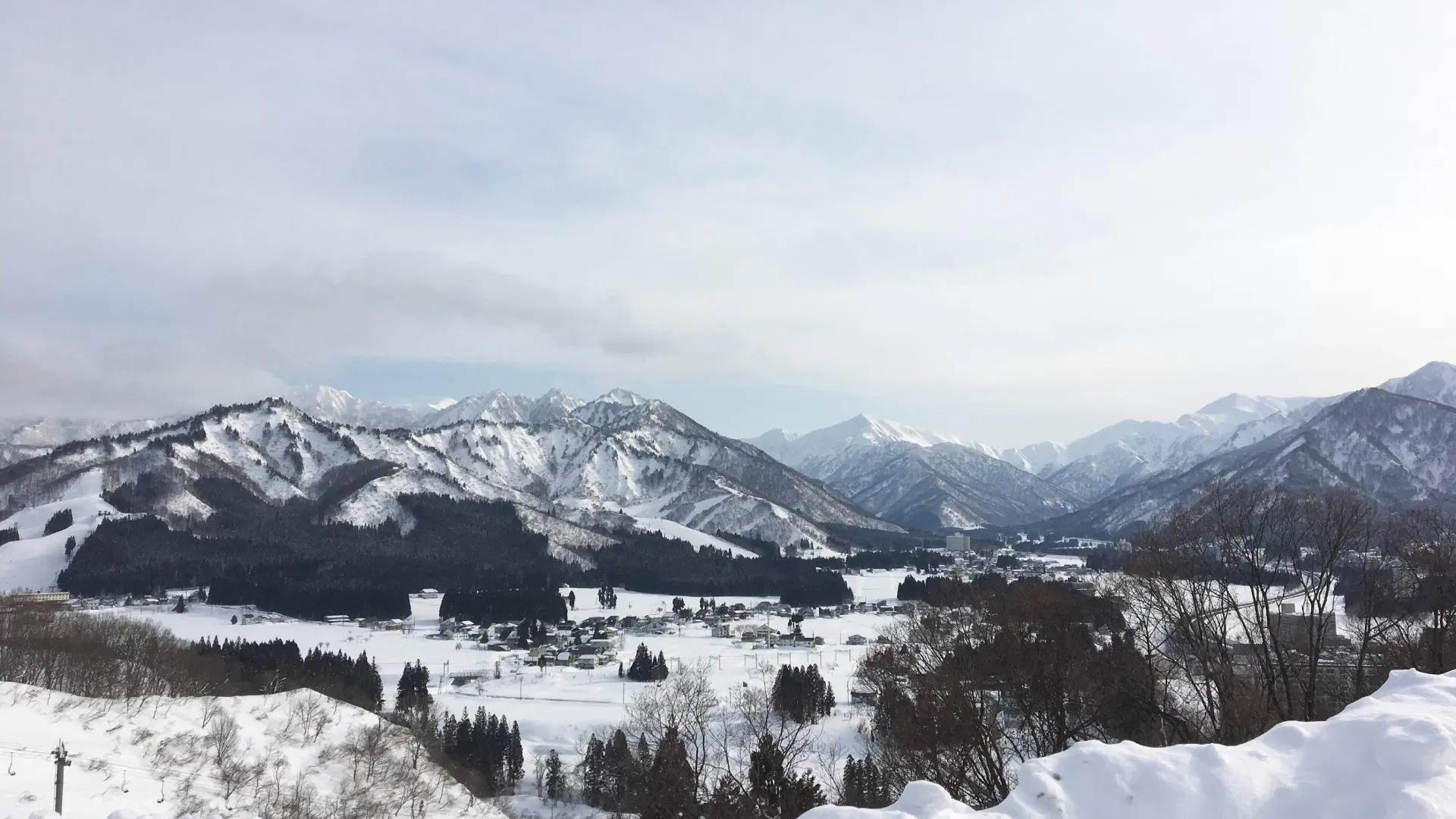
越後湯沢Echigo-Yuzawa is the place where the snow country begins. Kawabata Yasunari's Nobel Prize-winning novel opens with a train emerging from a long tunnel into a world transformed by white, and the real town that inspired that passage remains, nearly a century later, a threshold between the urban density of the Kanto plain and the deep, enveloping winters of Japan's Sea of Japan coast. Situated in the southern mountains of Niigata Prefecture, where the peaks of the Mikuni range trap moisture-laden winds off the Sea of Japan and convert them into some of the heaviest snowfall on earth, Echigo-Yuzawa has been shaped by snow in ways that extend far beyond the ski slopes that draw modern visitors. The architecture, the cuisine, the rhythm of daily life, and the quality of the hot spring water that rises from beneath the valley floor all bear the imprint of a landscape defined by accumulation and thaw.
The town's onsen heritage predates its literary fame by centuries. Hot springs have been drawn here since the Kamakura period, and the mineral-rich waters, heated by the volcanic geology that also produces the region's celebrated rice terraces, were known to travelers along the old Mikuni Kaido road long before the Joetsu Shinkansen reduced the journey from Tokyo to a mere seventy-five minutes. The waters tend toward a soft, slightly alkaline character that leaves the skin with a silken quality the Japanese describe as bijin no yu, water that makes one beautiful. Several of the town's ryokans have maintained their own source springs for generations, drawing water directly from the earth beneath their foundations and offering a bathing experience that connects guests to the geological forces at work beneath the snow.
What distinguishes Echigo-Yuzawa from Japan's more manicured resort towns is its authenticity as a living community. The shotengai shopping streets still serve local needs alongside tourist ones, the farmers in the surrounding valleys still cultivate the Uonuma Koshihikari rice that is considered the finest in all of Japan, and the seasonal rhythms of planting, harvest, snowfall, and thaw continue to govern the town's deeper tempo even as the Shinkansen delivers weekend visitors from the capital. This is not a place that performs its traditions for an audience; it is a place where tradition persists because the landscape demands it.
Echigo-Yuzawa is the place where the snow country begins.
Highlights
The onsen of Echigo-Yuzawa are the town's primary treasure, and their variety rewards exploration. The public baths range from the modern Komachinoyu near the station, with its panoramic windows overlooking the snow-covered valley, to the older neighborhood sento where locals have bathed for decades and the atmosphere carries the unhurried intimacy of a place that has not been designed for visitors. The ryokan baths, particularly those fed by private source springs, offer the most refined experience, their rotenburo open-air baths framing views of forested mountainside in summer and snow-laden cedar in winter. The act of bathing here while snow falls silently into the steaming water is one of the defining sensory experiences of the Japanese winter.
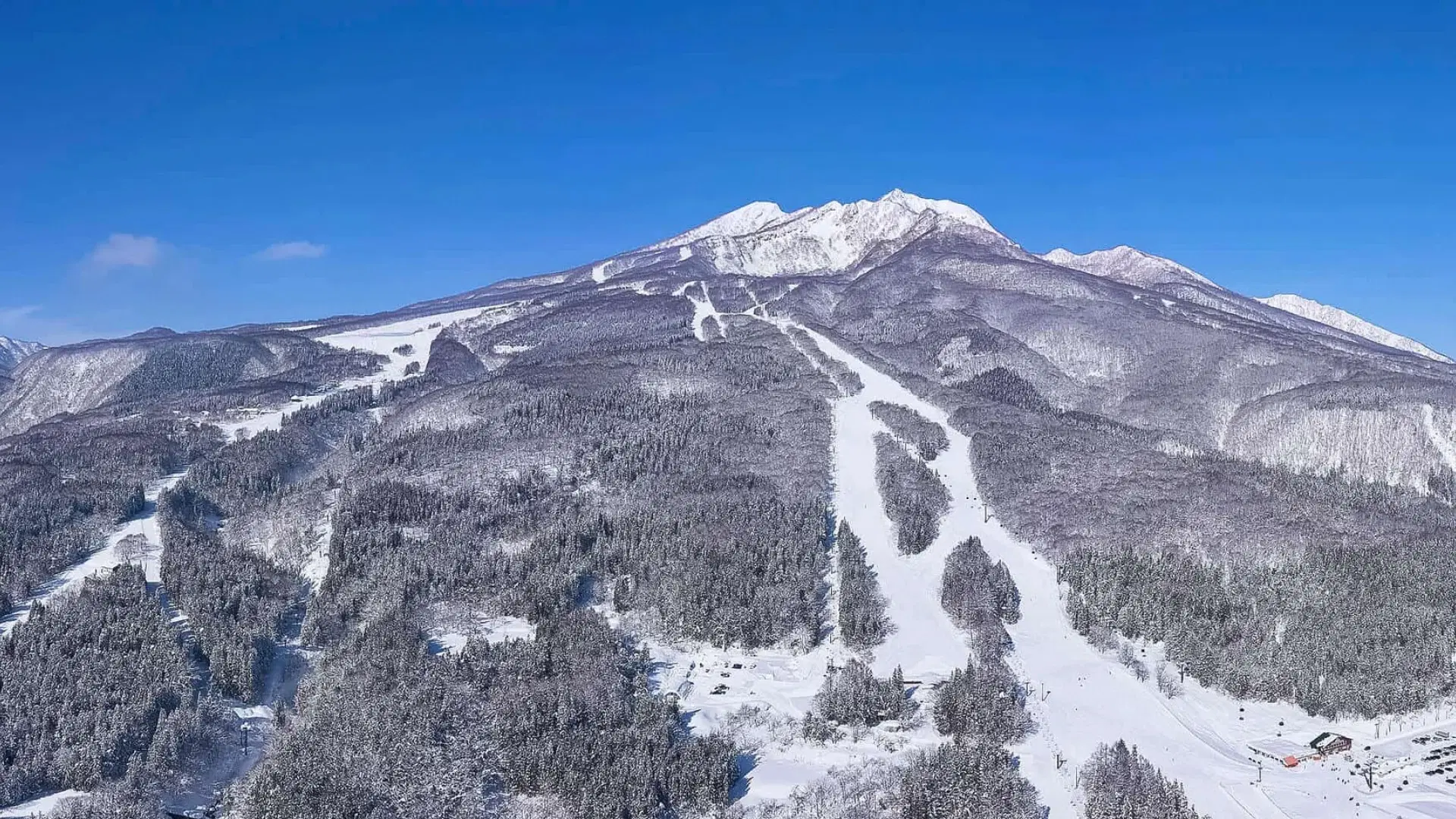
The surrounding landscape provides the context that elevates Echigo-Yuzawa beyond a simple hot spring town. The Naeba and Kagura ski areas, accessible by gondola and shuttle from the town, offer some of the deepest and most reliable powder snow in Japan, their terrain ranging from groomed runs suited to families to steep, ungroomed faces that draw serious skiers from around the world. In summer and autumn, the same mountains reveal hiking trails through beech forests, alpine meadows, and the spectacular Kiyotsu Gorge, whose sheer rock walls, streaked with moss and mineral deposits, rise above a turquoise river in formations that have been designated a Place of Scenic Beauty.
The rice terraces of Matsudai and Tokamachi, a short drive north, transform the landscape into a living artwork that changes with each season. In late May, the flooded paddies mirror the sky and surrounding peaks; in September, the ripening grain turns the hillsides gold; in winter, the terraces disappear beneath snow that smooths the contours of the land into abstract curves. The Echigo-Tsumari Art Triennale has placed contemporary art installations throughout this agricultural landscape, creating a dialogue between creative expression and farming tradition that is unique in the world.
Culinary Scene
Echigo-Yuzawa sits at the heart of Japan's most revered rice-growing region, and this single fact shapes everything that appears on the table. Uonuma Koshihikari, cultivated in the paddies that terrace the valleys south and east of the town, is consistently rated the highest-quality rice in Japan, its grains possessing a sweetness, a sheen, and a tender yet distinct texture that elevate even the simplest bowl of gohan into something memorable. The combination of mineral-rich snowmelt irrigation, dramatic temperature variation between day and night, and the particular composition of the alluvial soil produces rice that chefs across the country seek and that the local ryokans serve with justifiable pride. A breakfast of freshly steamed Koshihikari, accompanied by pickled mountain vegetables, grilled salmon from the nearby rivers, and a bowl of miso made from locally produced soybeans, is a meal that requires no elaboration to achieve perfection.
The region's relationship with rice extends naturally to sake, and Echigo-Yuzawa is surrounded by breweries whose output ranks among the finest in a prefecture already famous for its brewing heritage. Niigata sake is characterized by a dry, clean profile that reflects the soft snowmelt water used in production, and the local expressions, particularly the junmai daiginjo bottlings produced in small quantities by family-owned kura, pair with the region's cuisine with an effortlessness that speaks to centuries of co-evolution between food and drink. Tasting rooms in town offer guided introductions, but the deepest appreciation comes from drinking these sake at their source, alongside the dishes they were brewed to accompany.
Hegisoba, the signature noodle of the Uonuma region, is made with funori, a seaweed-derived binding agent that gives the buckwheat noodles a distinctive springy texture and a subtle oceanic undertone. Served cold on rectangular wooden trays in small, twisted portions called hegi, these noodles are dipped in a clean tsuyu and eaten with a tempo that encourages attention to their unusual mouthfeel. The best hegisoba shops in and around Echigo-Yuzawa have been producing noodles by hand for generations, their recipes and techniques closely guarded.
Ryokans in Niigata
There are no ryokans in our guide listed in Echigo-Yuzawa. See our selection across Niigata.
View ryokans in Niigata