Niigata
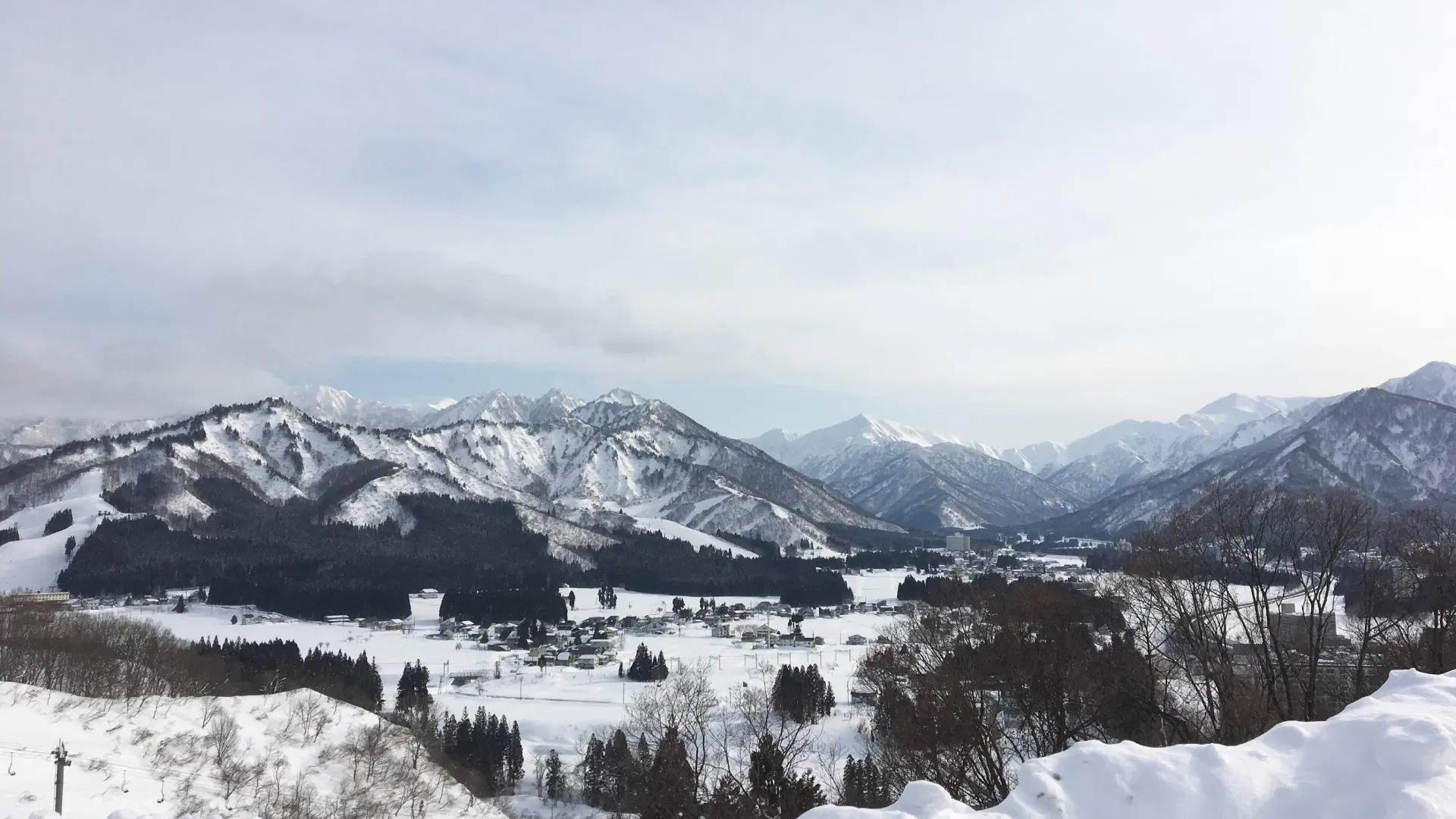
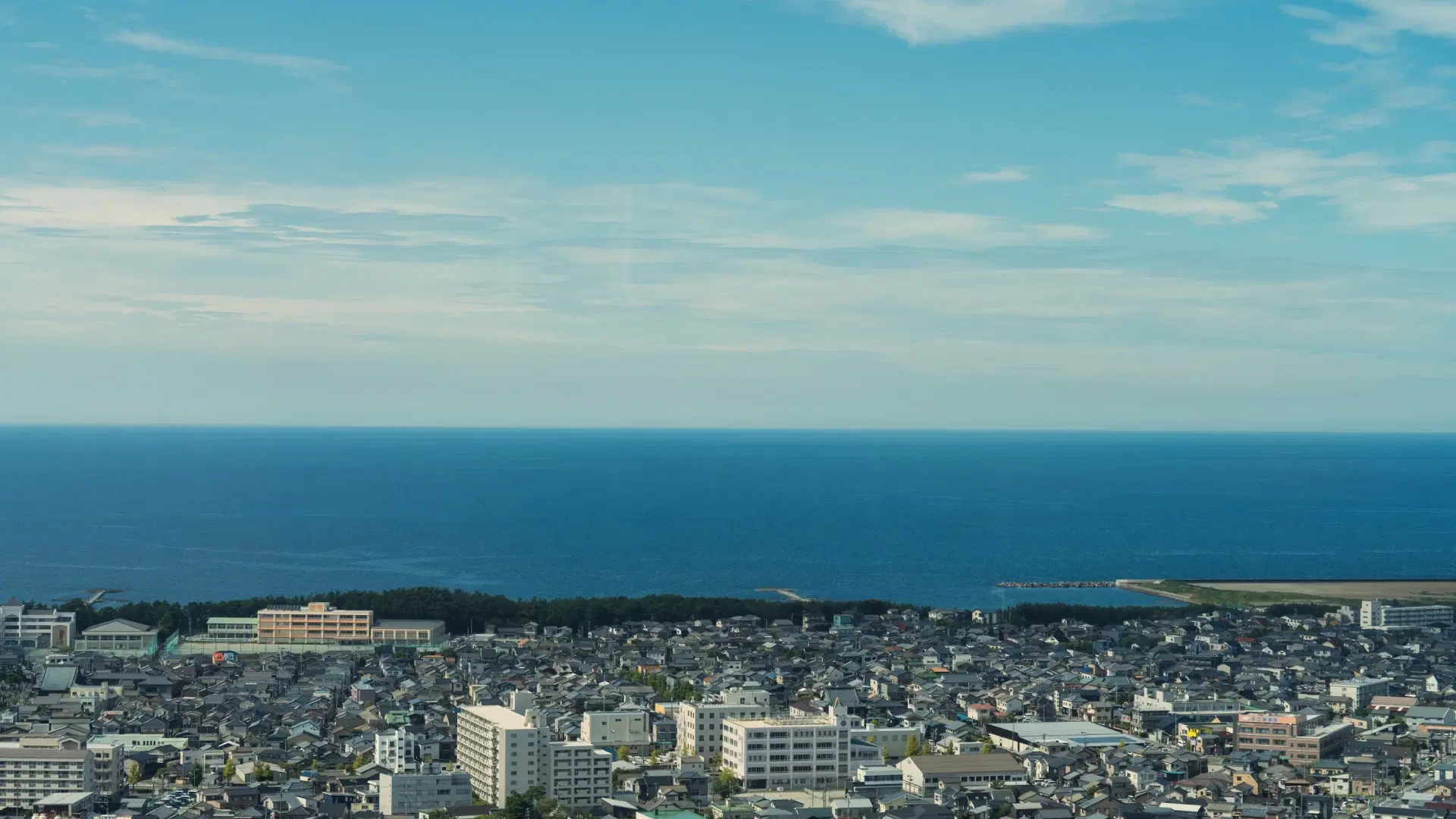
新潟県Niigata is where Japan's relationship with snow, rice, and sake reaches its most intimate expression. Stretched along the Sea of Japan coast, this prefecture receives some of the heaviest snowfall on earth, a meteorological gift that filters through volcanic rock to feed the purest aquifers and the most celebrated rice paddies in the country. The Echigo Plain, vast and luminous in summer, vanishes beneath meters of powder each winter, creating a landscape of silence and immensity that has shaped a distinct culture of endurance and refinement.
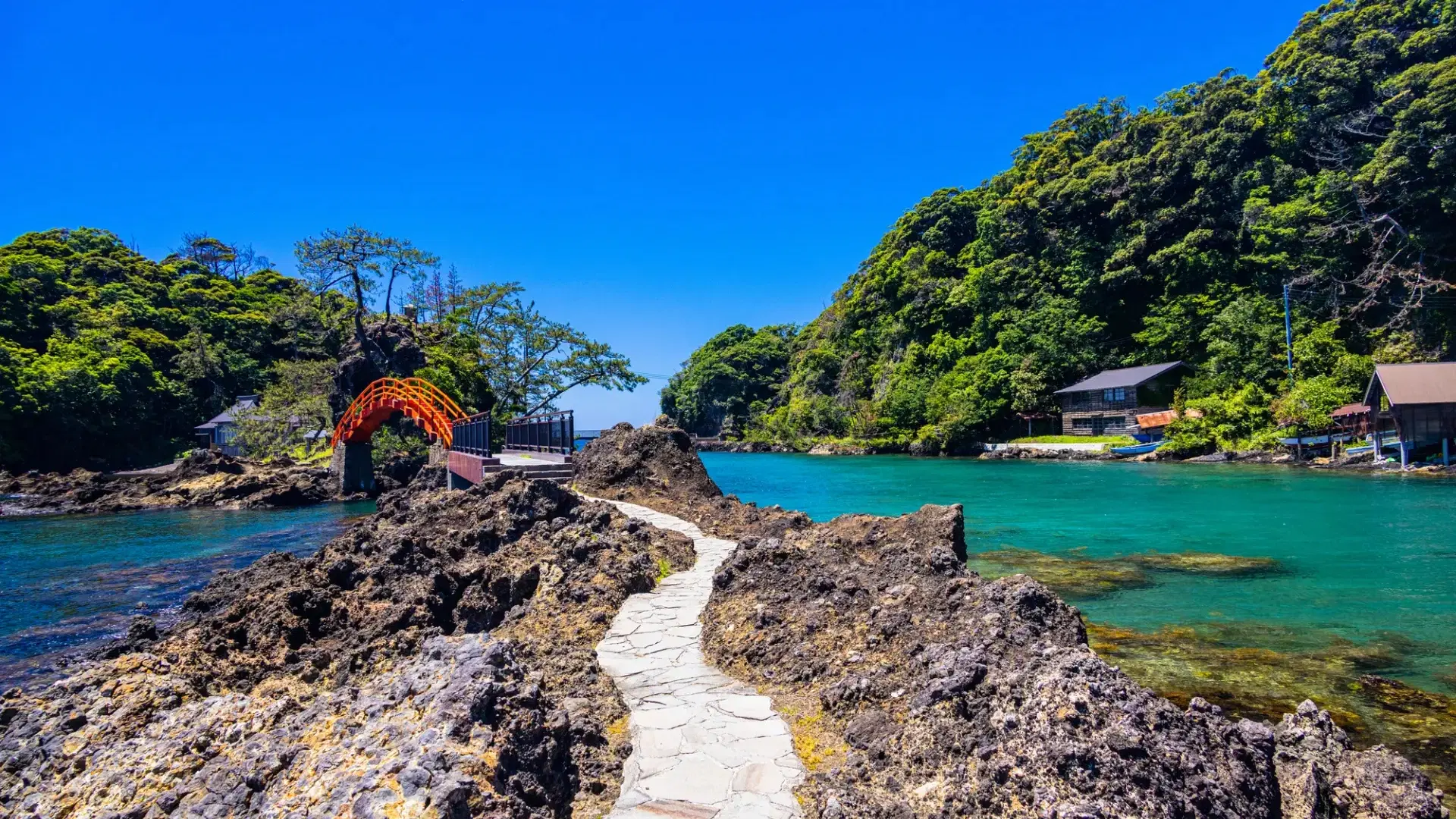
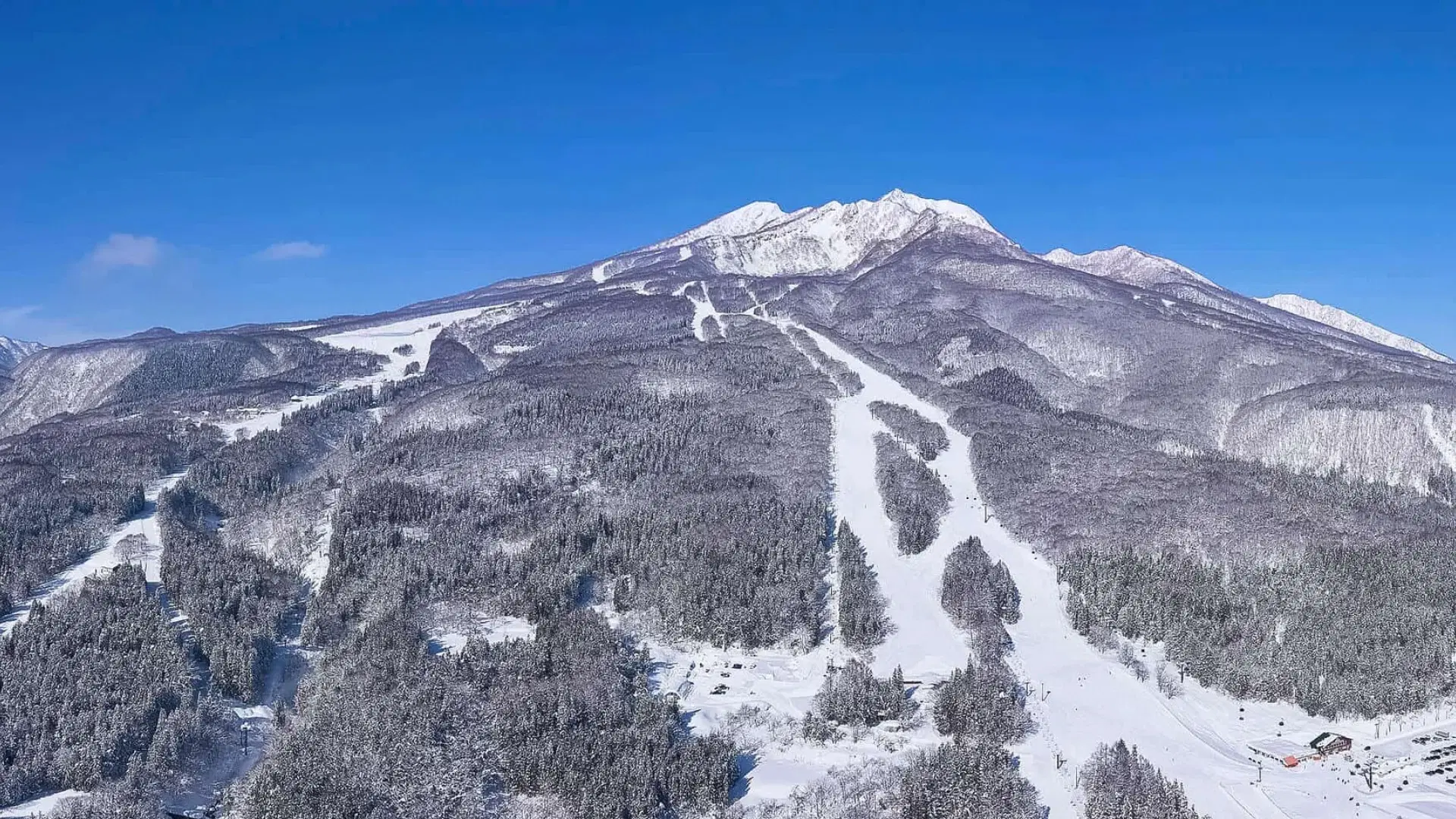
The connection between snow and sustenance here is not metaphor but hydrology. Meltwater from the mountains of Joetsu and Uonuma nourishes Koshihikari rice, considered the finest in Japan, and that same water becomes the foundation of more than ninety sake breweries scattered across the prefecture. In the onsen towns of Echigo-Yuzawa and Myoko Kogen, toji, the tradition of extended winter bathing cures, persists as a living practice rather than a historical curiosity. Offshore, Sado Island floats in the Sea of Japan like a world apart: a place of exiled emperors, Noh theater performed on earthen stages, and taiko drumming that echoes across cedar forests. Niigata rewards the traveler who understands that Japan's deepest pleasures are often found not in the famous cities but in the provinces where seasons still dictate the rhythm of life.
Niigata is where Japan's relationship with snow, rice, and sake reaches its most intimate expression.
Cultural Identity
Niigata's cultural identity is inseparable from its geography. Sado Island preserves an extraordinary concentration of Noh stages, more than thirty, where performances unfold beneath open skies in a tradition dating to the exile of Zeami in the fifteenth century. The Kodo taiko ensemble, based on Sado, has carried the island's percussive intensity to stages worldwide. On the mainland, the textile heritage of Ojiya and Tokamachi yields some of Japan's most prized fabrics: Ojiya-chijimi and Echigo-jofu, linen textiles recognized by UNESCO, woven during the long winters when humidity from the snow keeps threads supple. The Niigata region also maintains a deep commitment to metalwork, centered in Tsubame-Sanjo, where centuries of blade-making have evolved into globally respected cutlery and flatware production.
Culinary Traditions
Rice is the axis around which Niigata's cuisine turns. Uonuma Koshihikari, harvested from paddies fed by snowmelt, possesses a sweetness and luster that other regions spend fortunes trying to replicate. That rice, combined with pristine water and rigorous craft, produces sake of extraordinary clarity; the breweries of Niigata are known for a dry, elegant style called tanrei karakuchi. Beyond rice and sake, the Sea of Japan provides nanban ebi (sweet shrimp), nodoguro (blackthroat seaperch), and winter yellowtail. Hegi soba, buckwheat noodles bound with seaweed and served in elegant rectangular trays, is a regional signature. Noppei-jiru, a hearty root vegetable stew thickened with taro, sustains through the long winters.
Waters & Onsen
Echigo-Yuzawa, immortalized in Kawabata's Snow Country, remains one of Japan's most atmospheric onsen towns, its baths steaming against walls of snow from December through March. The sodium chloride and sulfate springs here warm deeply, a necessity in a region where cold is not a season but a condition. Myoko Onsen, at the base of Mount Myoko, offers a range of mineral compositions across its seven distinct hot spring villages. Matsunoyama Onsen, one of Japan's three great medicinal springs, draws water so rich in dissolved minerals that it carries the faint scent of petroleum. Throughout Niigata, the tradition of toji endures: long, contemplative stays where the rhythm of bathing, resting, and eating constitutes the entire purpose of travel.