Fuji Rock Festival
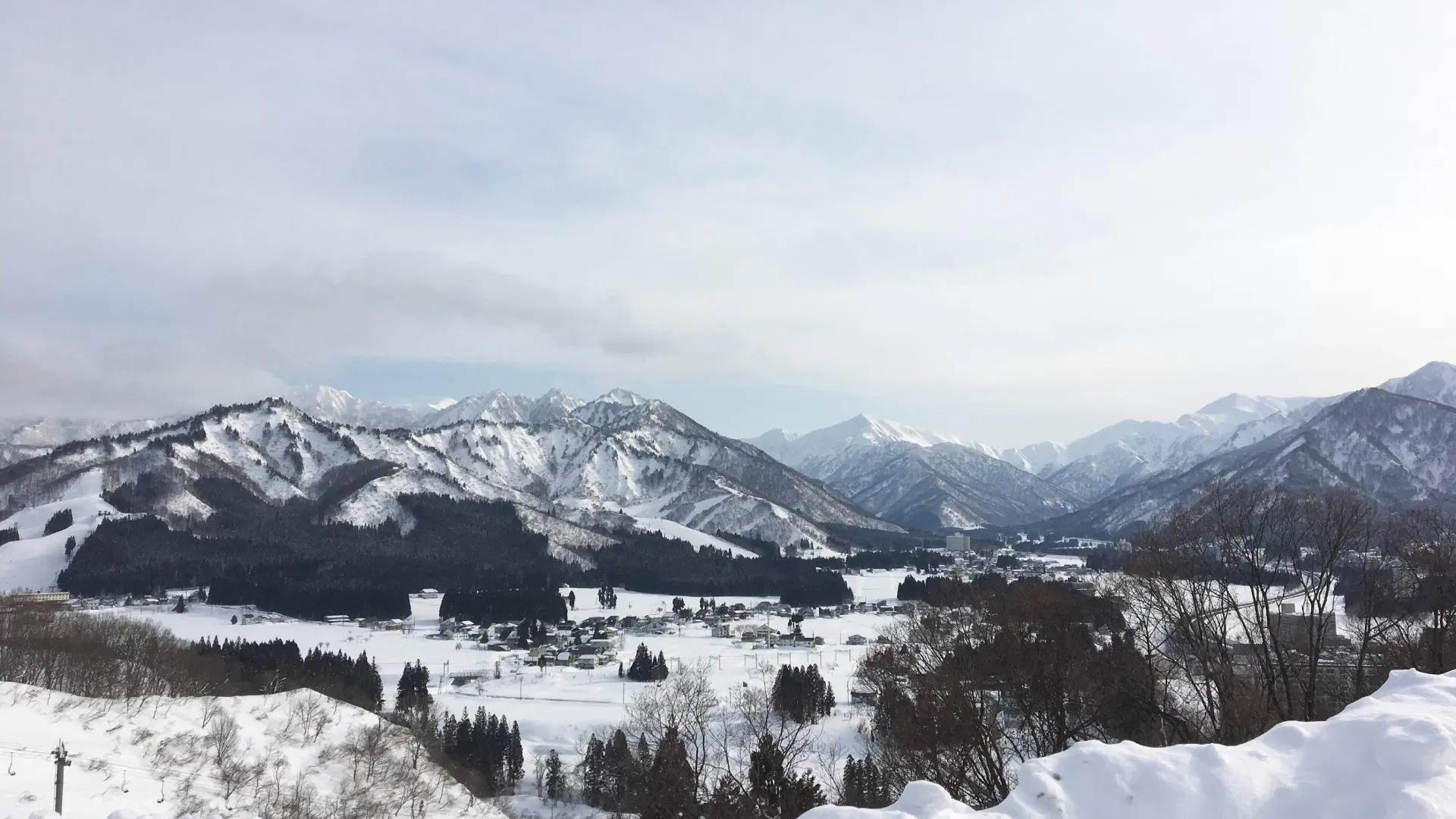
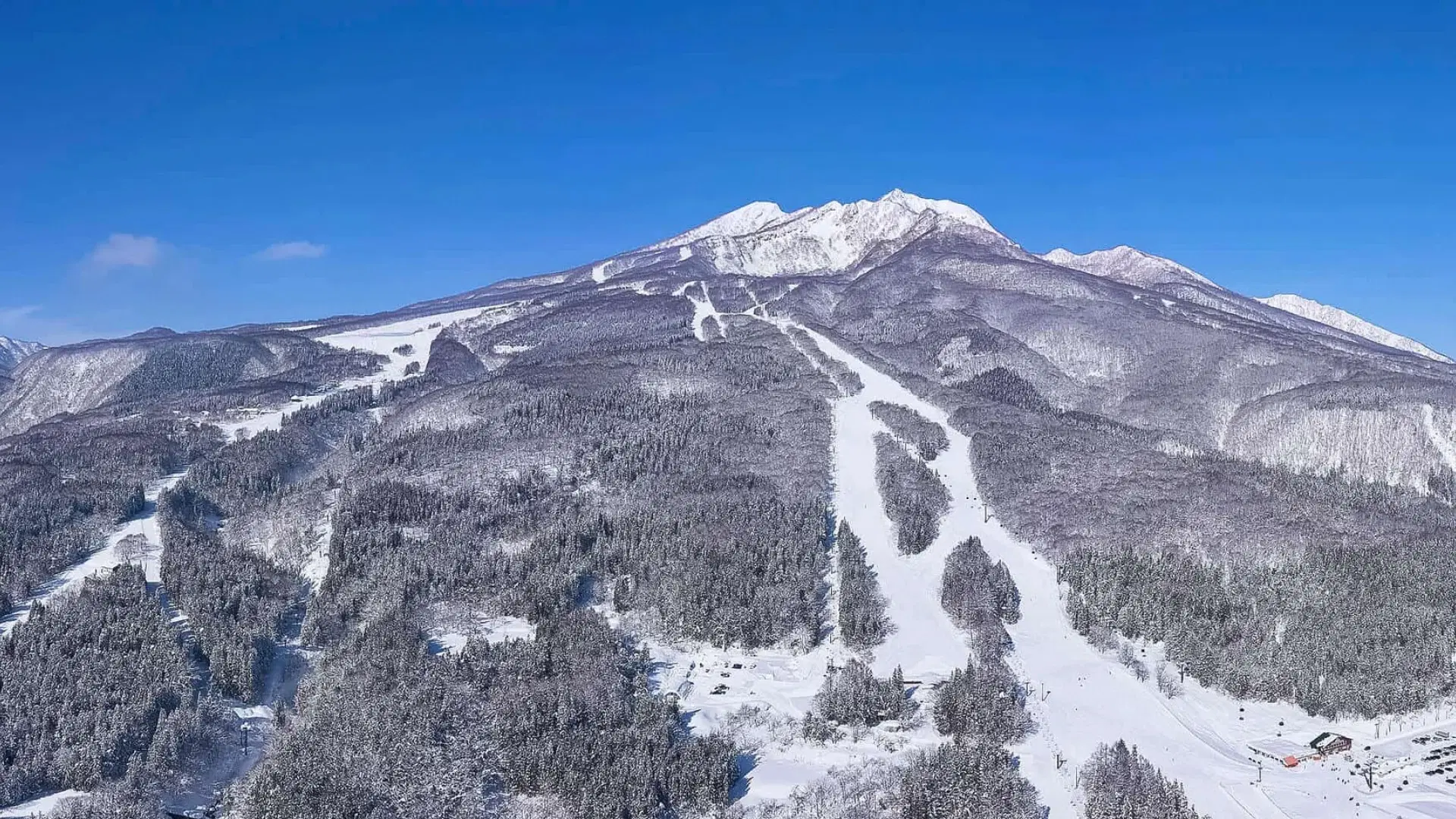
フジロックフェスティバルFuji Rock Festival is Asia's largest outdoor music festival and one of the most scenically extraordinary concert experiences anywhere on earth. Held at the Naeba Ski Resort in the mountains of southern Niigata, the festival disperses its seven stages across a forested valley where beech trees filter the light, streams run cold and clear between the performance areas, and the surrounding peaks rise into clouds that frequently descend to envelop the site in a mist that feels less like weather than like atmosphere curated for effect. The combination of world-class musical programming and wilderness setting produces an experience that has no true equivalent in the global festival landscape.
The lineup, typically announced in stages through the spring, spans the full range of contemporary and legacy popular music, from headline acts whose names require no introduction to emerging Japanese and international artists performing on smaller stages tucked into forest clearings. The programming philosophy values artistic credibility over commercial calculation, and the result is a bill that rewards curiosity: a wandering afternoon at Fuji Rock, moving from stage to stage through the trees, is likely to yield encounters with genres, traditions, and performers that the visitor would never have sought out independently.
What distinguishes Fuji Rock from other major festivals is the quality of its audience as much as its programming. The Japanese festival-going culture emphasizes courtesy, cleanliness, and a genuine engagement with the music that produces crowd behaviors markedly different from those at equivalent Western events. The forest trails between stages are immaculate, the food stalls serve cuisine that would be noteworthy in a restaurant context, and the overall atmosphere suggests a community gathered by shared enthusiasm rather than a mass assembled for consumption.
Fuji Rock Festival is Asia's largest outdoor music festival and one of the most scenically extraordinary concert experiences anywhere on earth.
History & Significance
The first Fuji Rock Festival was held in 1997 at the base of Mount Fuji, organized by the promoter Masahide Hirata of Smash Japan, who sought to bring the Glastonbury model to Japan. That inaugural edition, headlined by the Red Hot Chili Peppers, was struck by Typhoon Rosie, which turned the site into a mudscape and forced the cancellation of the second day. The disaster might have ended the venture, but the determination of both organizers and attendees ensured the festival's continuation. After a year at the Tokyo Bay area's Toyosu, Fuji Rock found its permanent home at Naeba in 1999, a location whose mountain terrain and established infrastructure proved ideal for the festival's ambitions.
The move to Naeba transformed Fuji Rock from a concert series into an immersive experience. The ski resort's gondola, trails, and clearings provided natural stage settings that no amount of production design could replicate, and the festival's identity became inseparable from its environment. Over the following decades, Fuji Rock grew into a cultural institution, its attendance stabilizing at approximately 40,000 per day, its reputation attracting headline acts who specifically request to play there, and its influence shaping a generation of Japanese festival culture. The event's commitment to environmental responsibility, including comprehensive recycling programs and the famous "carry in, carry out" policy, established standards that have been adopted by festivals across the region.
What to Expect
The festival grounds extend along a valley from the main Green Stage, which hosts the headline performances, through progressively smaller and more intimate venues including the White Stage, Red Marquee, Field of Heaven, and the ethereal Pyramid Garden deep in the forest. The walk from one end to the other takes approximately forty minutes and passes through terrain that shifts from open meadow to dense woodland, crossing streams on wooden bridges and ascending gentle slopes where the trees form natural amphitheaters. Each stage has its own character and its own community of devotees, and part of the festival's pleasure lies in discovering the stage whose atmosphere and programming most closely match one's temperament.
The weather at Naeba is unpredictable and frequently dramatic. Rain is not an interruption but a near certainty, and experienced attendees arrive with waterproof boots, quality rain gear, and the understanding that mud is an integral component of the festival experience. Between the rain, the mountain air carries a freshness that makes the summer heat bearable, and clear evenings produce sunsets over the peaks that provide their own kind of performance. The nights grow cool at altitude, and a warm layer for the late sets is essential.
Camping is the primary accommodation option, with designated areas ranging from the basic to the relatively comfortable. The campgrounds are part of the social fabric of the festival, and the morning scenes of tents emerging from mist, portable stoves heating water for coffee, and early risers stretching in the mountain air carry a quality of communal simplicity that balances the sensory intensity of the performances.