Tokamachi Snow Festival
十日町雪まつりThe Tokamachi Snow Festival is the oldest snow festival in Japan, predating its more famous counterpart in Sapporo by a year, and its character reflects this primacy: where Sapporo's festival has grown into an international spectacle of monumental ice sculptures and commercial sponsorship, Tokamachi's celebration retains the quality of a community responding to its environment with ingenuity, art, and the particular humor that develops among people who receive three meters of snowfall every winter. The festival transforms the city center and surrounding neighborhoods into an open-air gallery of snow sculptures, performance stages, and illuminated installations created by residents who have spent weeks carving the material that buries their streets from December through March.
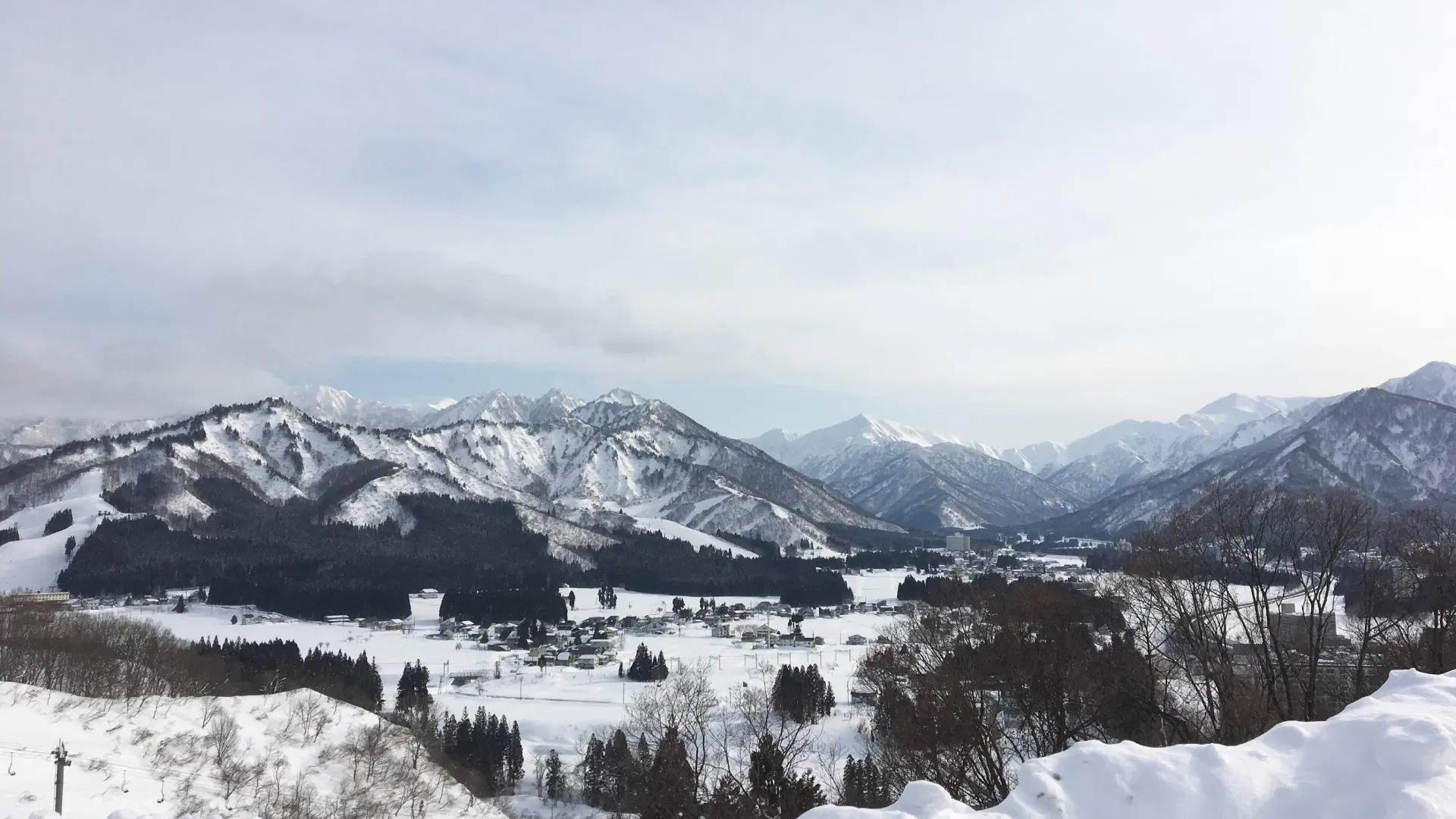
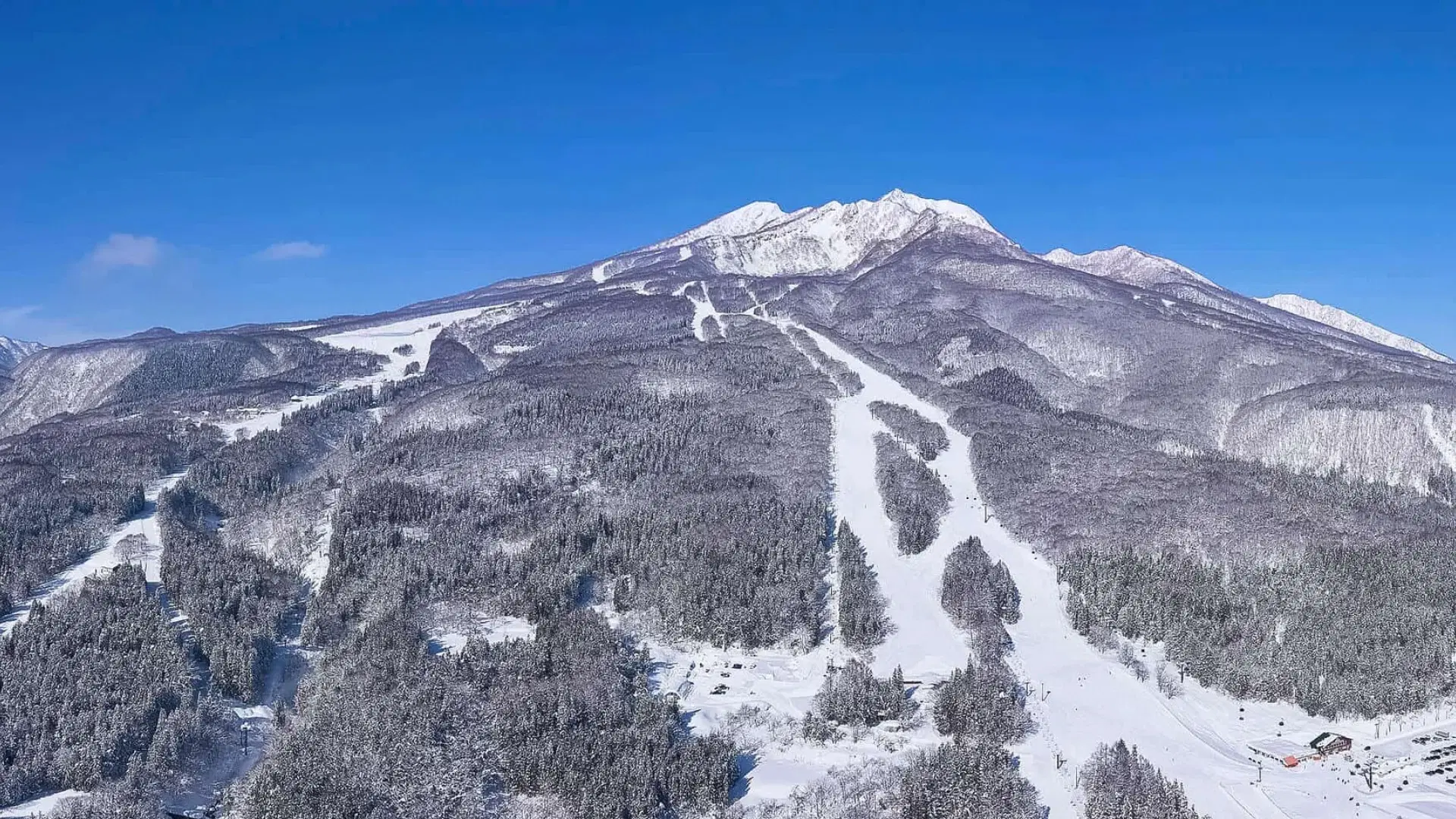
Tokamachi lies in the heart of Niigata's snow country, the region immortalized by Kawabata Yasunari's novel whose opening line about the long tunnel and the snow country remains one of the most recognized sentences in Japanese literature. The snow here is not a weather event but a condition of existence, and the festival's sculptures and activities represent not a celebration of something exotic but an assertion of mastery over the defining element of daily life. The snow stages, carved from packed snow into structures large enough to host musical performances and fashion shows, demonstrate both architectural skill and a philosophical relationship with impermanence that connects to broader Japanese aesthetic traditions.
The festival's three-day program combines the monumental with the intimate. Giant sculptures depicting figures from mythology, popular culture, and local legend occupy the main stage areas, while smaller works appear throughout the residential streets, created by neighborhood associations competing for prizes and community pride. The cumulative effect is of a city that has, for one weekend, ceased to struggle against the snow and instead embraced it as a medium for collective expression.
History & Significance
The Tokamachi Snow Festival was born in 1950, conceived by local residents and civic leaders as a means of transforming the burden of extreme snowfall into an occasion for pride and festivity. The postwar years were a period of hardship in the snow country, where the physical and economic challenges of managing enormous snow accumulations compounded the broader difficulties of reconstruction. The festival's founders understood that the community's relationship with snow needed reframing: rather than an adversary to be endured, snow could be a resource to be celebrated, a raw material for art, architecture, and the renewal of communal bonds strained by the isolation of winter.
The early festivals were modest, featuring simple snow sculptures and community gatherings, but the concept proved resilient and expansive. As techniques improved and ambitions grew, the sculptures became more elaborate, the programming more diverse, and the festival's reputation extended beyond the immediate region. Tokamachi's priority in the history of Japanese snow festivals is a point of local pride, and the festival has maintained its community-centered character even as it has attracted increasing numbers of visitors from across Japan and abroad. The tradition of neighborhood-based sculpture creation, in which residents of all ages work together over several weeks to produce their entry, ensures that the festival remains a participatory event rather than a professionally produced spectacle.
What to Expect
The festival's main venue occupies the city center, where large-scale snow sculptures serve as backdrops for a continuous program of performances, ceremonies, and competitions. The centerpiece is typically a massive snow stage, sculpted into elaborate forms and illuminated with colored lights, upon which kimono fashion shows, taiko drumming performances, and musical acts are presented against the surreal backdrop of carved snow walls. The scale of these main sculptures is impressive, some reaching heights of ten meters or more, and the level of detail achieved in the medium of packed snow speaks to decades of accumulated technique.
The neighborhood sculptures, distributed throughout the residential areas of the city, offer a more intimate and often more rewarding experience. Walking through Tokamachi's streets during the festival, encountering sculptures that range from the skillful to the charmingly naive, observing the families and neighbors who built them gathered nearby with thermoses of hot tea and expressions of competitive pride, provides a window into the texture of community life in the snow country. The residential displays are typically lit with candles or simple electric lights, and the evening walks through these streets, with the sculptures glowing softly against the dark banks of cleared snow, carry a quiet beauty distinct from the main venue's spectacle.
Food is central to the festival experience, with stalls offering Tokamachi's regional specialties alongside warming festival standards. Hegi soba, the local buckwheat noodle served on wooden trays, is essential eating, as are the various preparations of mochi and the hearty stews that sustain the community through its long winters. The cold is genuine and unrelenting, and the warmth of the food, the crowds, and the communal spirit provides the counterbalance.