Fukui
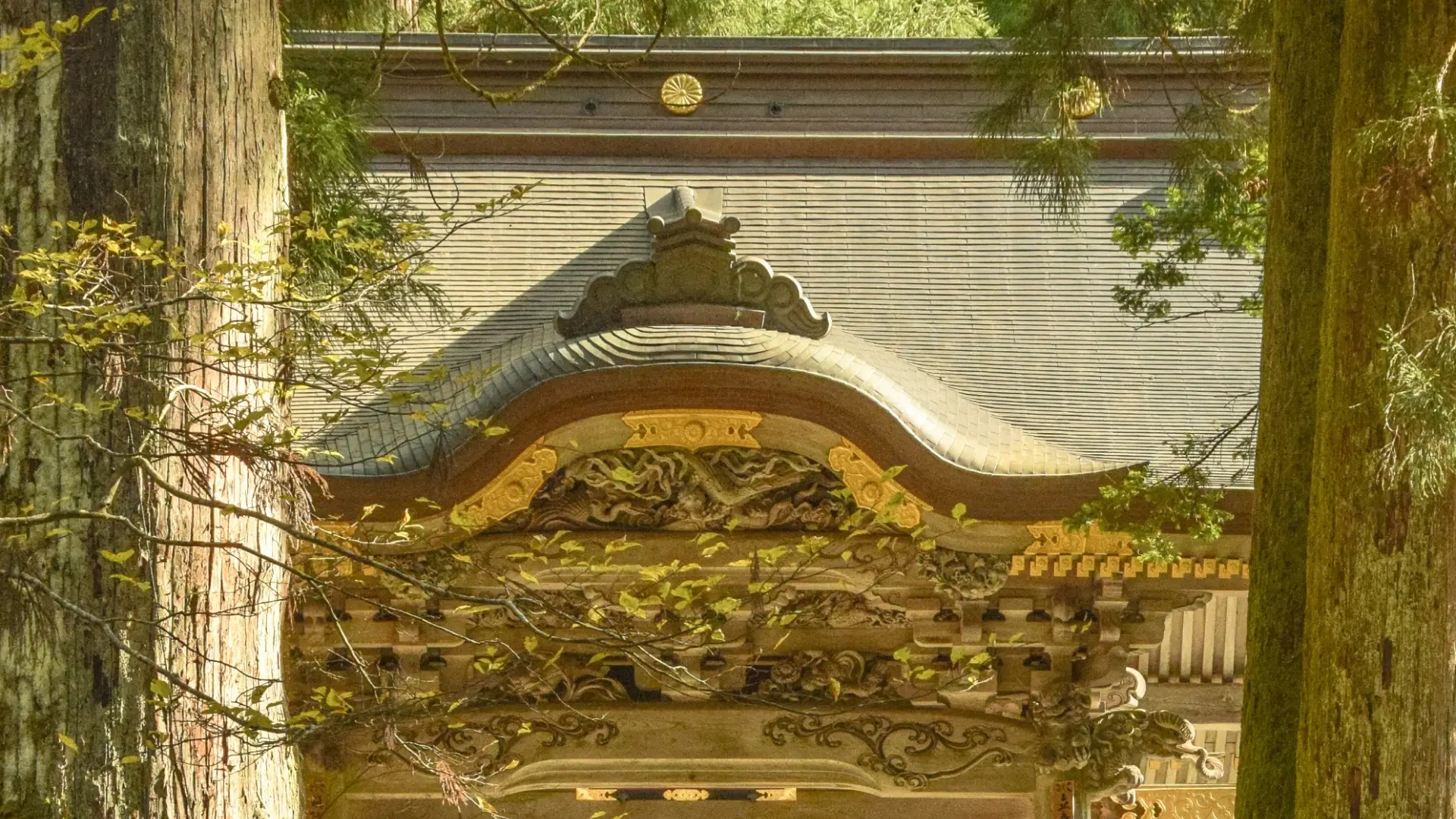
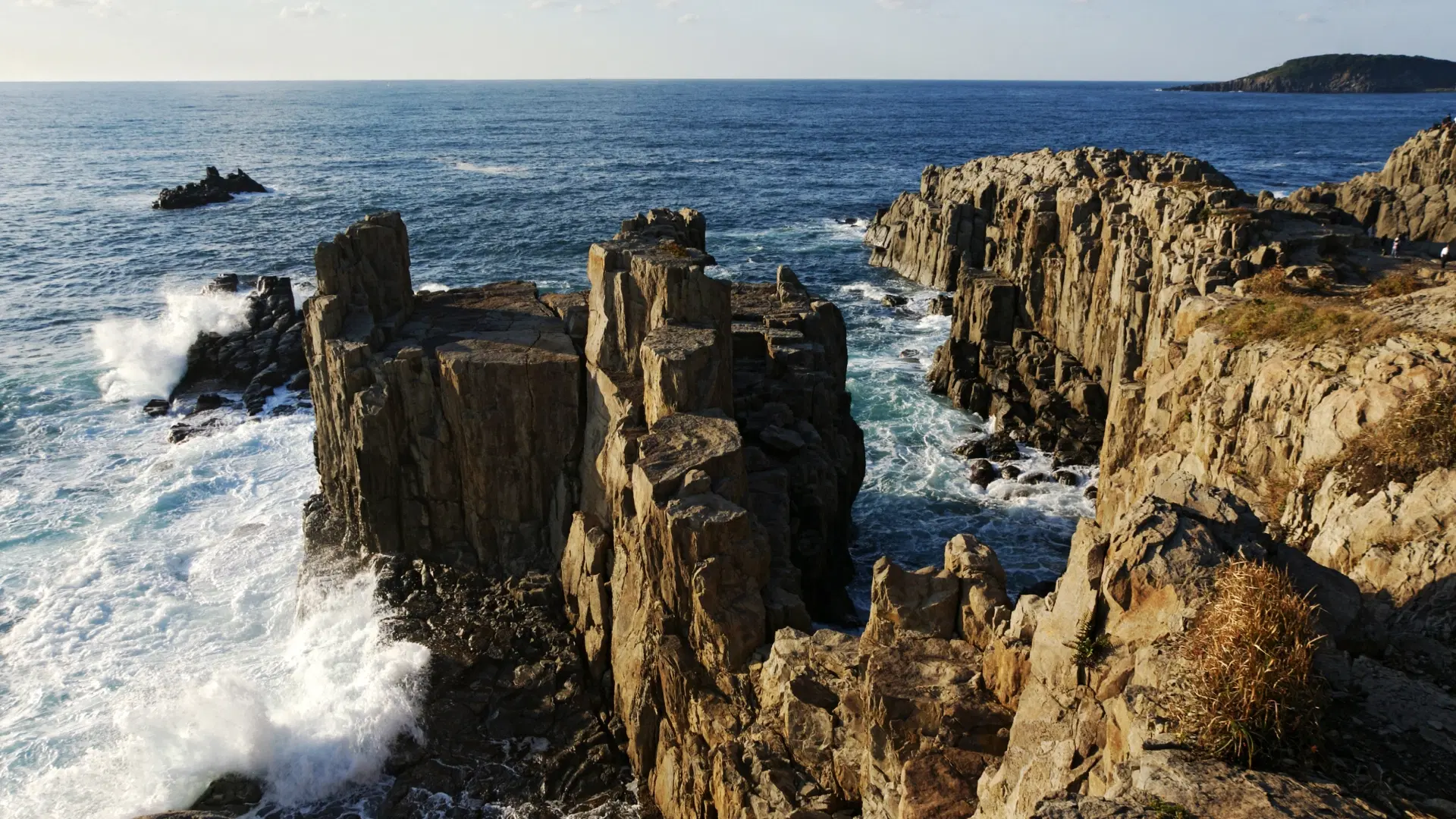
福井県Fukui is a prefecture of profound contrasts: the austere discipline of Zen Buddhism practiced at Eiheiji, one of the two head temples of the Soto school, and the wild, wave-carved drama of the Tojinbo cliffs along the Sea of Japan coast. Between these poles lies a region that has quietly accumulated treasures, from Echizen crab hauled from cold offshore waters to lacquerware traditions stretching back fifteen centuries, from ancient soba-making techniques to the discovery of some of Asia's most significant dinosaur fossils.
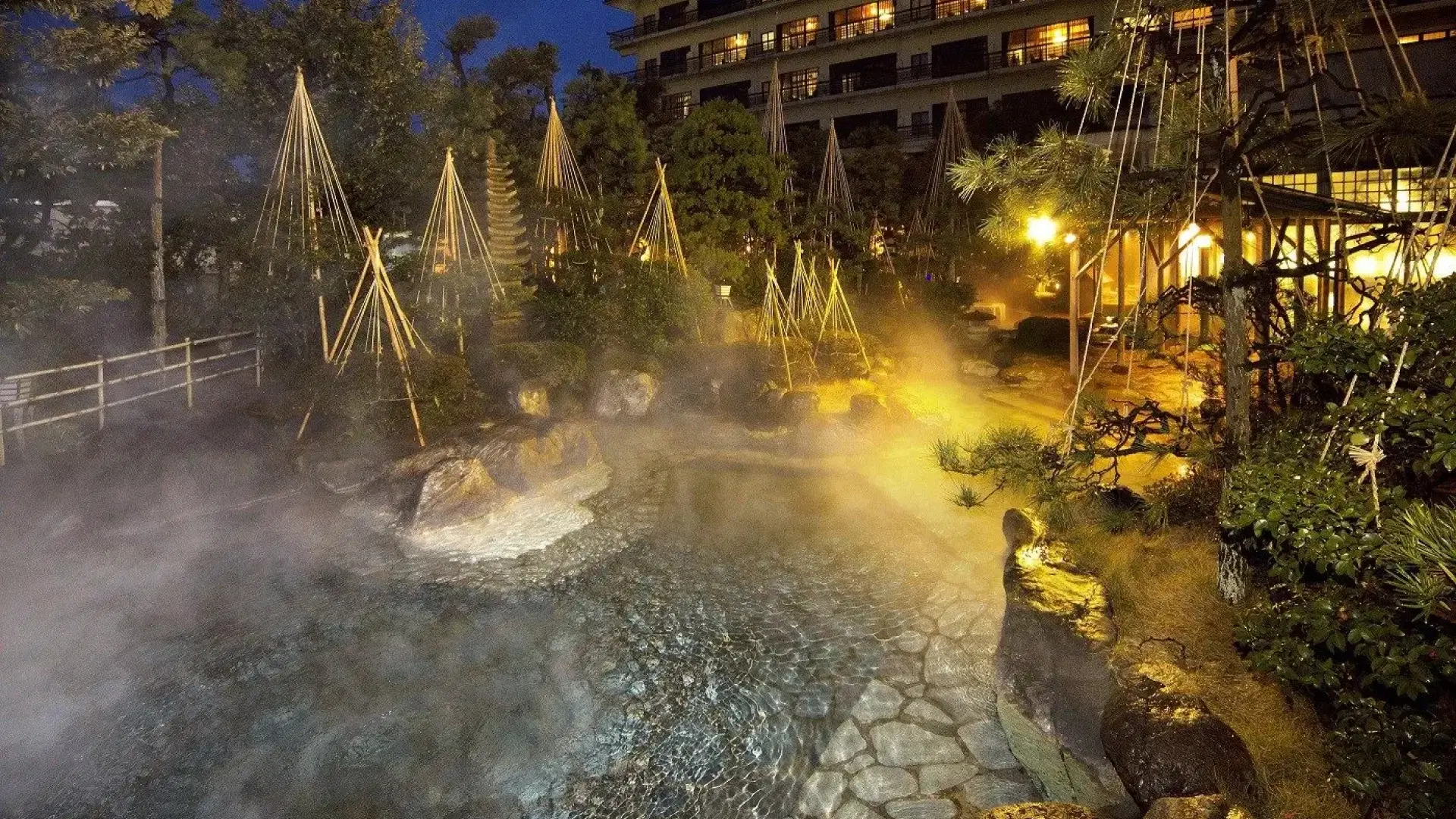
Eiheiji, founded by Dogen in 1244, remains an active training monastery where hundreds of monks observe a regimen of meditation, work, and silence amid towering cedar trees. The experience of visiting, or staying overnight within the temple, offers an encounter with a spiritual discipline that has changed little in nearly eight hundred years. Along the coast, Tojinbo's columnar basalt cliffs drop dramatically into churning surf, a geological spectacle unique in Japan. Awara Onsen, positioned between mountains and sea, provides a gentler counterpoint: a hot spring town of refined ryokan where Echizen crab kaiseki reaches its highest expression each winter. Fukui's lack of international fame is, in many ways, its greatest asset; the prefecture offers depth without crowds, substance without performance.
Fukui is a prefecture of profound contrasts: the austere discipline of Zen Buddhism practiced at Eiheiji, one of the two head temples of the Soto school, and the wild, wave-carved drama of the Tojinbo cliffs along the Sea of Japan coast.
Cultural Identity
Fukui's cultural identity is anchored in craft and spiritual practice. Echizen lacquerware, with a history spanning over 1,500 years, is the oldest lacquer tradition in Japan, producing everything from soup bowls to elaborate stacked boxes with a depth of finish that improves with decades of use. Echizen washi, handmade paper produced along the Okamoto River, serves calligraphers and printmakers worldwide. The city of Sabae manufactures ninety percent of Japan's eyeglass frames, a precision industry that grew from the same manual dexterity that sustained generations of craftspeople. At Eiheiji, the Soto Zen tradition teaches through every gesture: the way a meal is received, the angle of a broom, the timing of a bell. Fukui Prefectural Dinosaur Museum, built into the hillside where major fossil discoveries continue, ranks among the finest paleontological museums in Asia.
Culinary Traditions
Echizen-gani, the male snow crab caught in the waters off Fukui's coast, is the undisputed king of the prefecture's winter table. Distinguished by a yellow tag certifying its origin, this crab commands prices that reflect both its scarcity and its extraordinary sweetness. Seiko-gani, the smaller female crab prized for its rich roe, is available only during a brief November-to-December window, making it one of the most seasonal delicacies in Japanese cuisine. Oroshi soba, buckwheat noodles served cold with grated daikon radish, is Fukui's everyday staple, eaten with a directness that reflects the region's character. Sauce katsudon, a pork cutlet served over rice with a tangy Worcestershire-style sauce rather than the usual egg, is a local comfort food that surprises first-time visitors. The waters off Echizen also yield superb uni and sazae (turban shell).
Waters & Onsen
Awara Onsen, founded in 1883 when a farmer struck hot water while digging an irrigation well, has grown into Fukui's premier hot spring destination. Its sodium chloride springs, rich with minerals drawn from deep geological strata, are known for their skin-smoothing properties and their ability to warm the body long after bathing. The town's ryokan range from historic wooden establishments to contemporary retreats, many featuring private rotenburo overlooking quiet gardens. Several properties offer Echizen crab kaiseki plans that represent the pinnacle of winter dining in the region. In the mountains near Eiheiji, smaller onsen settlements provide mineral-rich waters in settings of forest and stream. The connection between Zen practice and hot spring bathing, between the discipline of the temple and the release of the bath, gives Fukui's onsen culture a contemplative quality distinct from more celebratory hot spring regions.