Eiheiji Joya no Kane
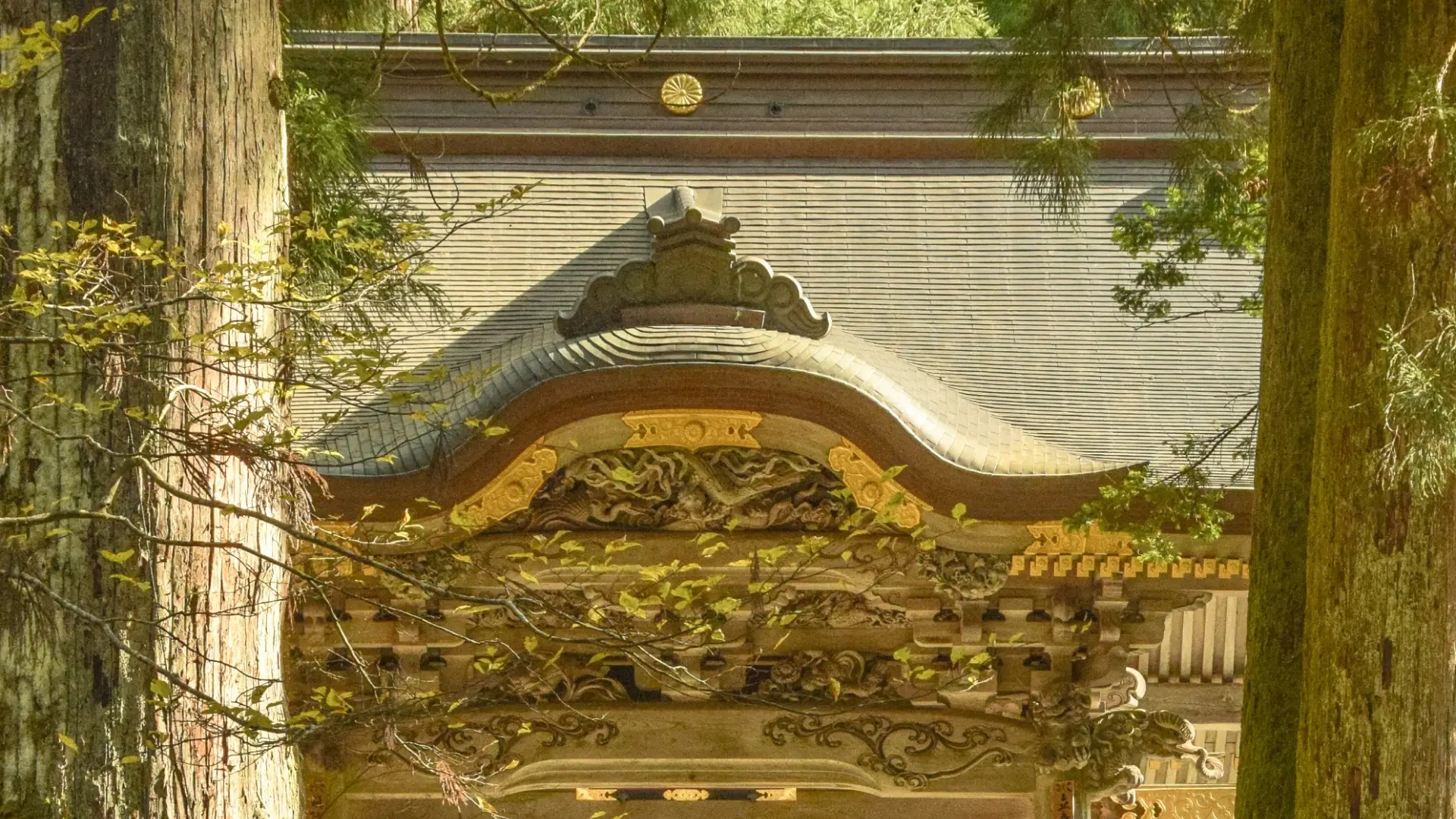
永平寺除夜の鐘On the final night of the year, the great bell of Eiheiji begins to sound at midnight, its deep, resonant tone traveling through the cedar forest and down the mountain valley in waves that mark the passage from one year to the next. The bell is struck 108 times, each stroke corresponding to one of the 108 bonno, the earthly desires and delusions that Buddhist teaching identifies as the sources of human suffering. With each strike, one desire is symbolically extinguished, so that by the time the final tone fades into the frozen air, the listener has been carried through a complete cycle of release and entered the new year unburdened.
Joya no Kane is observed at temples throughout Japan, but at Eiheiji, one of the two head temples of the Soto Zen school, the ceremony acquires a gravity that reflects the monastery's seven centuries of unbroken practice. The bell itself is ancient, its bronze surface darkened by time and weather, and the monks who strike it do so with the same deliberate, unhurried attention they bring to every act within the monastic schedule. The intervals between strikes are not uniform but follow the rhythm of a breathing meditation, each tone allowed to decay fully into silence before the next is initiated, so that the ceremony stretches over nearly an hour. The silence between the bells is as much a part of the experience as the sound itself.
Visitors who make the journey to Eiheiji on this night join the monks and local faithful in a practice that connects them to every new year's eve the temple has observed since the thirteenth century. The mountain air is bitter cold, the forest is dark, and the only illumination comes from the lanterns along the temple corridors and the occasional flash of snow caught in their light. The austerity of the setting strips the new year celebration of its festive veneer and returns it to its spiritual core: the acknowledgment of impermanence and the possibility of renewal.
On the final night of the year, the great bell of Eiheiji begins to sound at midnight, its deep, resonant tone traveling through the cedar forest and down the mountain valley in waves that mark the passage from one year to the next.
History & Significance
The practice of Joya no Kane at Eiheiji is rooted in the Zen understanding that temporal boundaries, the turning of one year into the next, offer occasions for heightened awareness rather than mere celebration. Dogen Zenji, who founded Eiheiji in 1244, emphasized that every moment is a potential site of awakening, but the transition between years, like the transition between breaths in zazen meditation, provides a natural pause in which the practitioner can observe the arising and passing of attachment. The 108 bells correspond to a categorization of human affliction found in various Buddhist texts, and the act of counting them as they sound is itself a form of meditation, each number a step in a journey from confusion toward clarity.
The ceremony's public dimension developed gradually as the temple's reputation grew and as the practice of hatsumode, the first shrine or temple visit of the new year, became established in Japanese culture. Today, thousands of visitors ascend to Eiheiji on the last night of December, many of them arriving hours early to secure a position near the bell tower. The temple opens its corridors and halls to the public for this night, and the monks' chanting, which precedes and follows the bell-striking, fills the wooden architecture with a sound that seems to emanate from the building itself rather than from individual voices.
What to Expect
The evening begins with the monks' year-end observances, including sutra chanting in the Dharma Hall, which visitors can observe from designated areas. The bell-striking commences at midnight, and the sound carries throughout the temple complex and into the surrounding forest with a clarity that the cold, still winter air amplifies. Many visitors bring small offerings for the temple's altar and receive omamori protective charms for the new year. The covered corridors connecting the temple's buildings are open, allowing visitors to move through the complex and experience the ceremony from different vantage points, each location offering a distinct acoustic relationship to the bell.
The atmosphere is one of contemplative stillness rather than festive excitement. The cold discourages casual attendance and ensures that those present have made a deliberate choice to begin the year in a setting that values silence over noise and reflection over revelry. After the final bell has sounded, many visitors proceed to the main hall to offer prayers for the coming year, and the temple serves amazake, sweet fermented rice drink, to those who have endured the cold. The walk back down the mountain path in the early hours of January first, through forest that holds the last echoes of the bell, is an experience of solitude and clarity that few other new year observances can provide.