Gifu
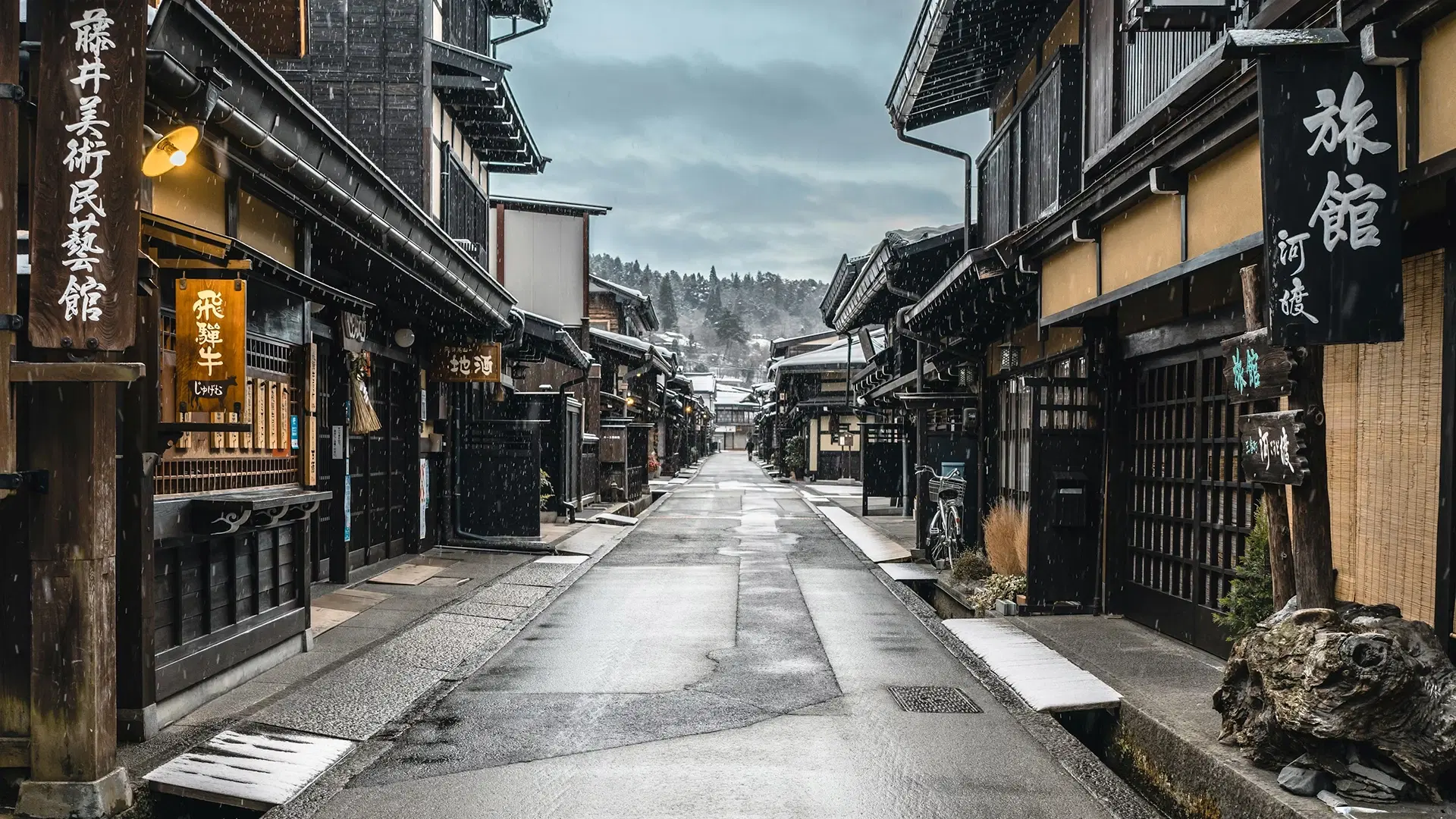
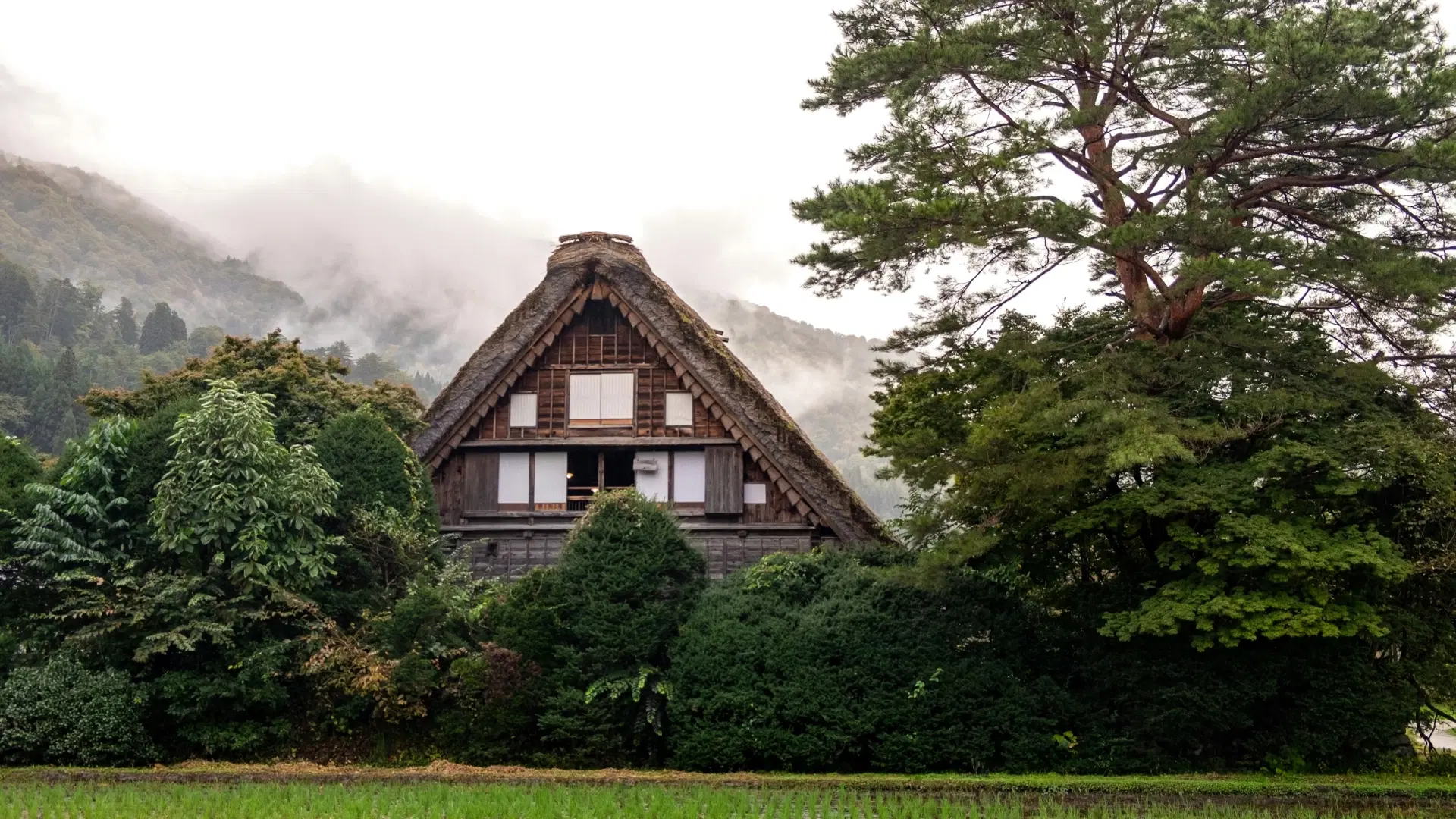
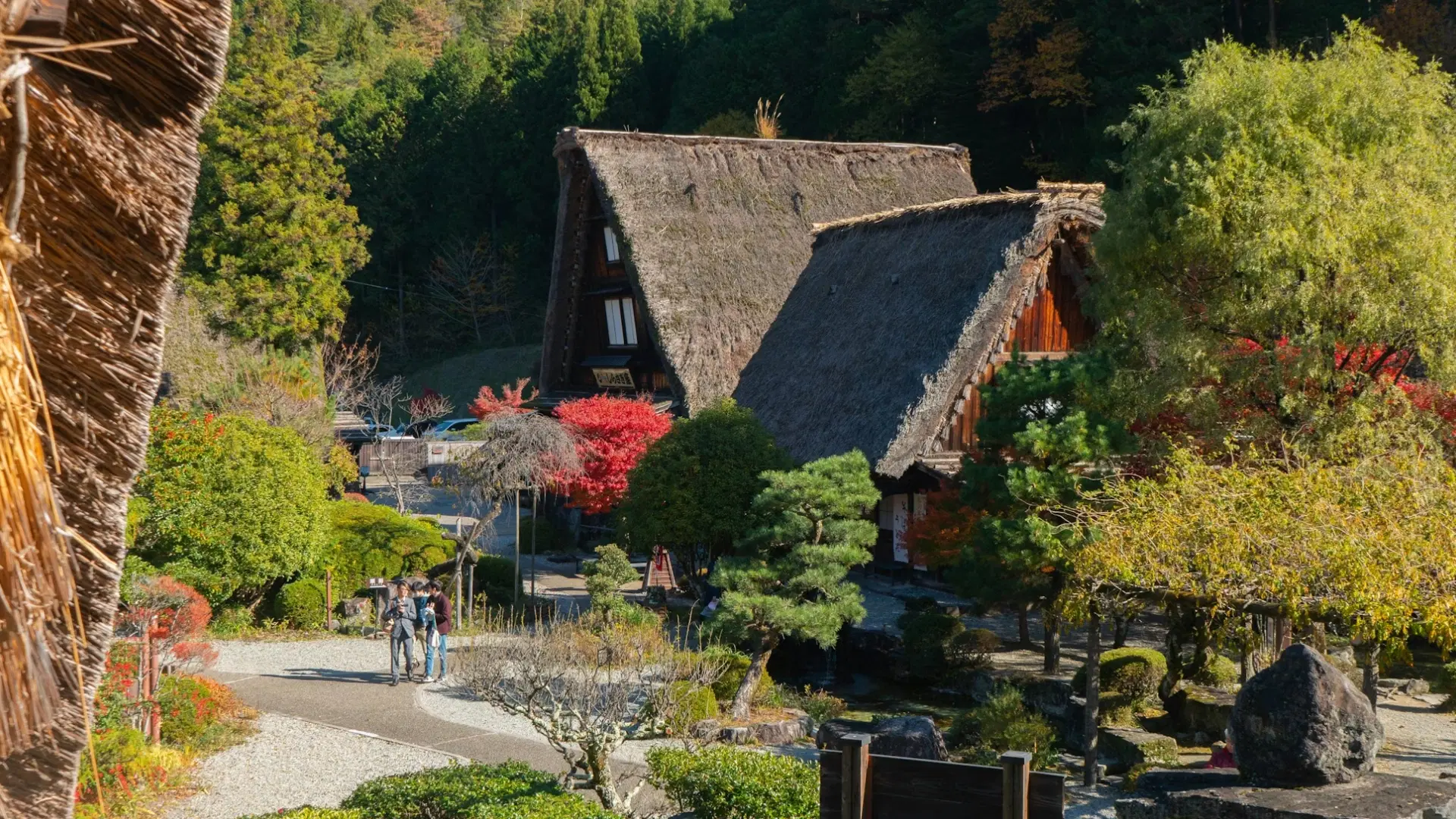
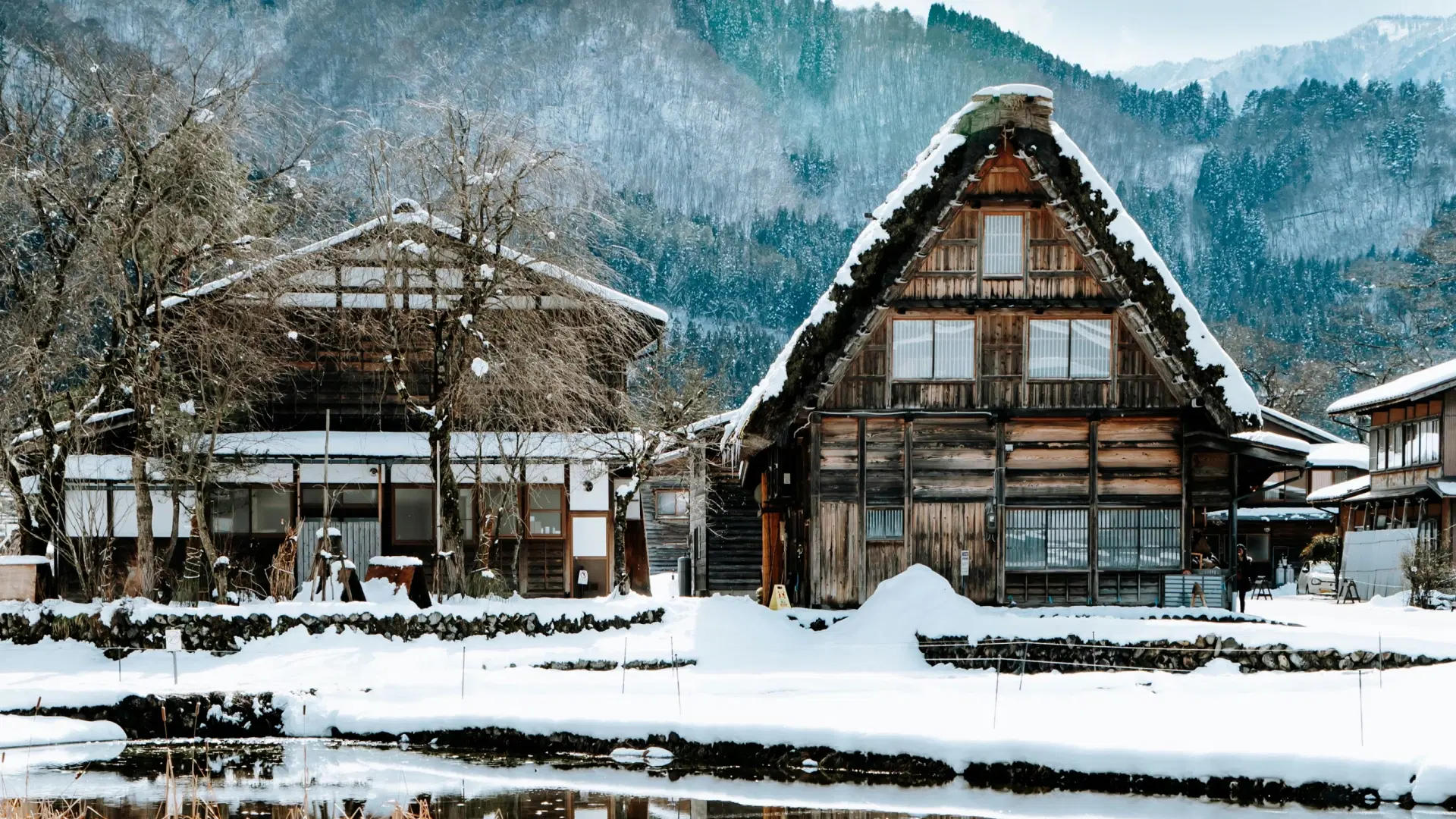
岐阜県Gifu is where Japan's mountain interior reveals its deepest character. The Hida region, centered on the beautifully preserved town of Takayama, preserves an architectural and culinary tradition that developed in splendid isolation, its master carpenters so skilled they were summoned to build temples in Nara and Kyoto. Shirakawa-go, the UNESCO World Heritage village of steep thatched farmhouses set against rice paddies and mountain walls, offers a vision of communal rural life that persists not as performance but as genuine habitation, with families still living beneath those massive roofs.
The Nagara River, threading through the city of Gifu, is the stage for ukai, cormorant fishing conducted by torchlight in a tradition maintained under imperial patronage for over 1,300 years. Gero Onsen, ranked among Japan's three finest hot springs since the Edo period, offers alkaline waters of exceptional smoothness in a compact town that rewards slow exploration. Gujo Hachiman, a castle town of waterways so clean that residents wash vegetables in the canals, hosts a summer dance festival, Gujo Odori, that runs for thirty-two nights and invites anyone to join. Hida beef, raised in the cool mountain air and fed on pristine water, rivals Kobe and Matsusaka for marbling and depth of flavor. Gifu is a prefecture that demonstrates what is preserved when the modern world arrives gently rather than all at once.
Gifu is where Japan's mountain interior reveals its deepest character.
Cultural Identity
Gifu's cultural patrimony is rooted in the skills of Hida's master carpenters, whose expertise in joinery and timber construction was so prized that they were drafted to build the great temples of the ancient capitals. This tradition of woodcraft survives in Takayama's festival floats, intricate mechanical masterpieces paraded through streets of Edo-period merchant houses. Shirakawa-go's gassho-zukuri farmhouses, their roofs shaped like praying hands to shed the region's heavy snow, represent a UNESCO-recognized architectural intelligence. The villages maintain yui, a system of communal labor for re-thatching roofs that reinforces social bonds with each generation. Mino washi, handmade paper produced in the town of Mino, has been crafted for over 1,300 years and carries its own UNESCO Intangible Cultural Heritage designation. Gifu's lantern-making tradition, using this same delicate washi, produces some of the finest paper lanterns in Japan.
Culinary Traditions
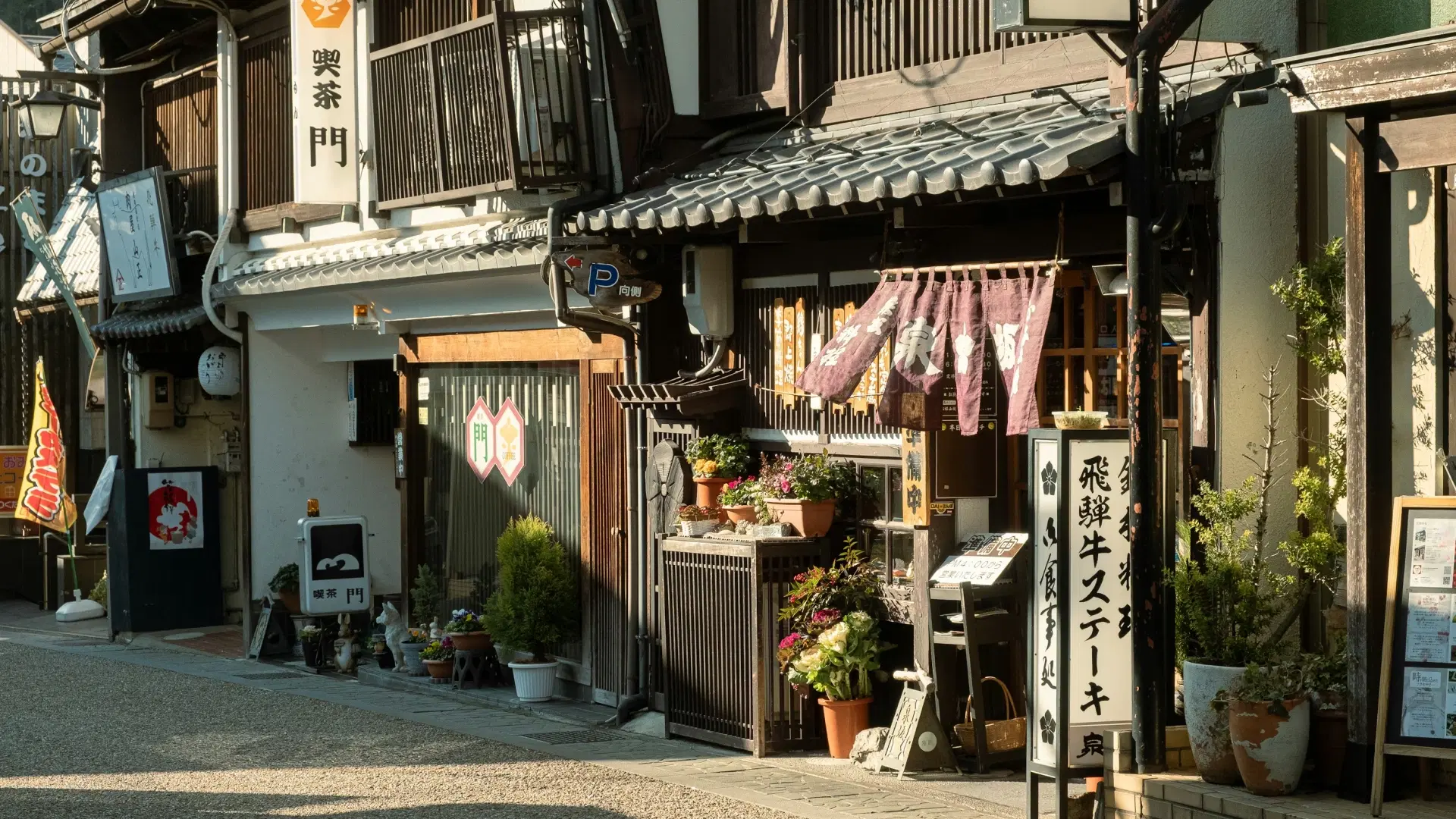
Hida beef, raised in the mountainous terrain of northern Gifu, achieves a marbling so fine and consistent that it stands alongside Kobe and Matsusaka in Japan's triumvirate of premium wagyu. Served as steak, in sushi draped over vinegared rice, or grilled on magnolia leaves with miso in the preparation called hoba miso, it defines the Takayama dining experience. Kei-chan, chicken marinated in a soy or miso-based sauce and grilled with cabbage, is the everyday comfort food of the Hida region, varying from household to household with closely guarded recipes. The morning markets of Takayama, operating daily along the Miyagawa River, offer pickled mountain vegetables, miso, and rice crackers that reflect the mountain larder. Ayu, the sweetfish of the Nagara River, is grilled whole on skewers over charcoal, its clean river taste a seasonal marker from June through autumn.
Waters & Onsen
Gero Onsen has been celebrated since the Edo-period scholar Hayashi Razan ranked it alongside Arima and Kusatsu as one of Japan's three most excellent hot springs. Its alkaline simple thermal waters, with a pH of 9.18, produce a silky sensation on the skin that locals call bijin no yu, the water of beauty. The town clusters along the Hida River, its ryokan stacked on slopes overlooking the water, many featuring rotenburo that frame views of forested mountains. Okuhida Onsengo, a collection of five hot spring villages nestled deep in the Northern Alps near Shin-Hotaka, offers a wilder bathing experience: open-air pools at high elevation, with views of snow-covered peaks and the sound of mountain rivers. Hirayu Onsen, the oldest of the five, provides milky sulfur waters at the foot of the Hida Mountains. Throughout Gifu, the combination of mountain elevation and volcanic geology produces waters of remarkable variety.