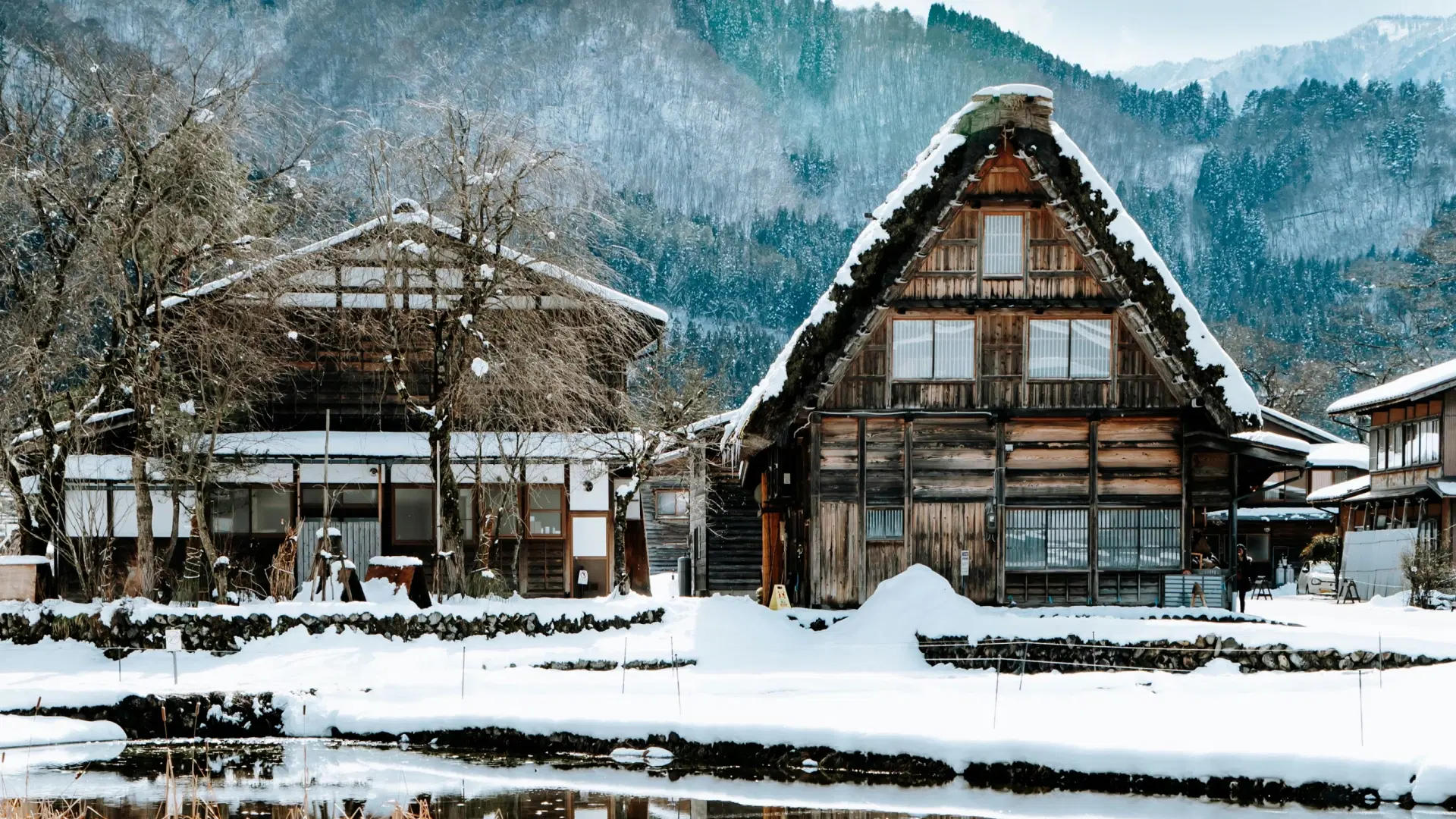
Shirakawa-go Illumination
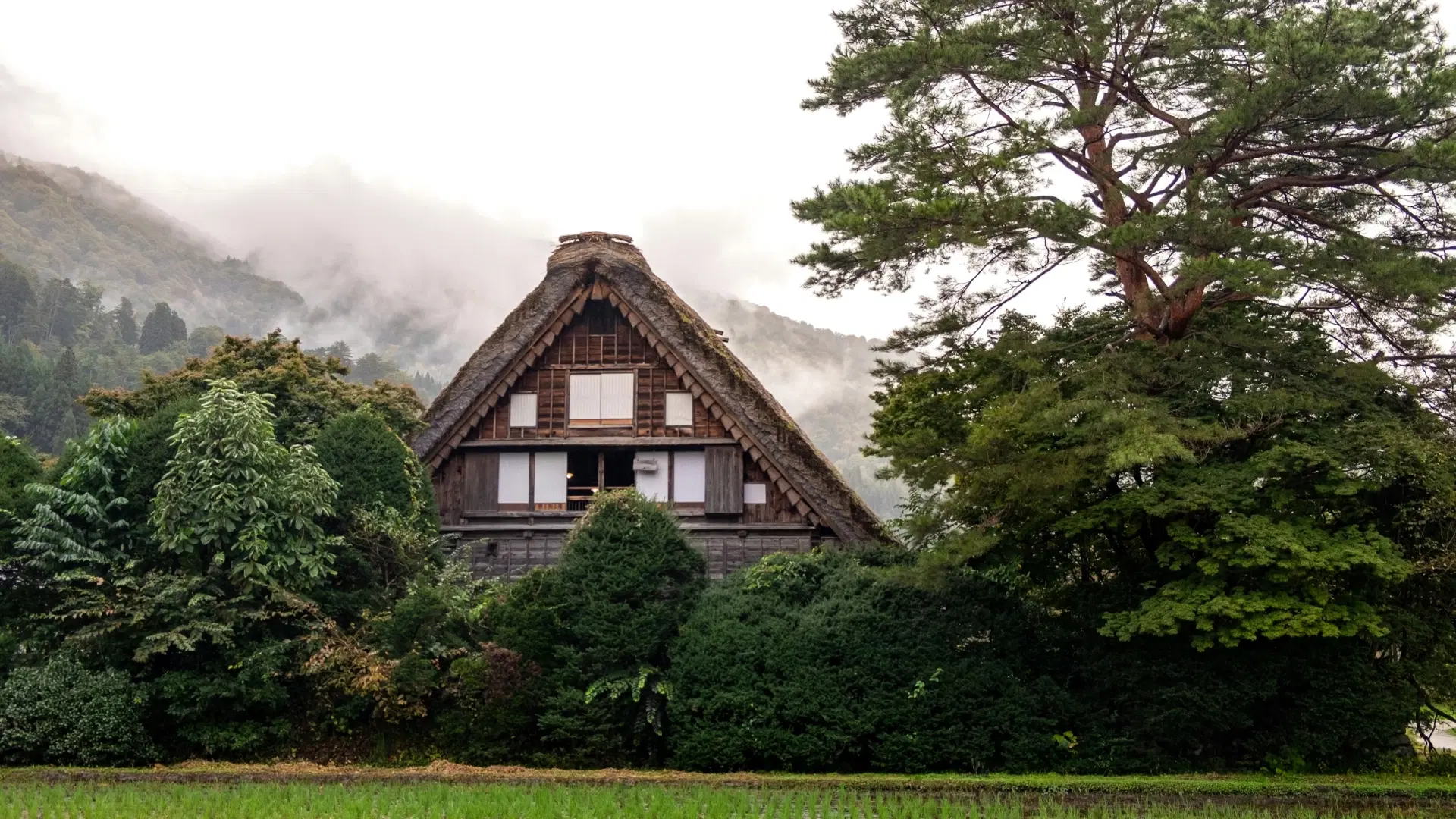
白川郷ライトアップThe Shirakawa-go Illumination is one of the most visually extraordinary events in Japan, a series of winter evenings on which the snow-covered gassho-zukuri farmhouses of this UNESCO World Heritage village are bathed in warm spotlights that transform the valley into a scene of almost hallucinatory beauty. The combination of deep snow, thatched roofs swollen to twice their normal visual mass under white mantles, and the amber glow of carefully positioned lights creates compositions that seem to belong more to the realm of fairy tale than to the documented world. Yet everything is real: the snow, the houses, the silence of the valley in winter, the cold that sharpens every sensation.
The event was first organized in 1986 as a modest initiative to draw winter visitors to a village that tourism had previously treated as a warm-weather destination. Four decades later, the illumination has become one of the most sought-after winter experiences in Asia, its images circulating on social media with an intensity that has made it necessary to implement a lottery system for attendance. The popularity is warranted. There is nothing else in Japan, and perhaps nowhere in the world, that replicates the specific visual and emotional quality of this event: the warmth of light against the coldness of snow, the solidity of ancient architecture against the ephemerality of the winter landscape, the silence of a valley that has been inhabited for centuries yet feels, on these evenings, as though it exists outside of time.
The illumination is held on only six evenings per season, each limited to a fixed number of visitors, and the experience is designed to be contemplative rather than crowded. The restrictions, which initially frustrated some travelers, have proven essential to preserving the quality of the event, ensuring that the village retains the atmosphere of stillness that makes the illumination meaningful rather than merely photogenic.
History & Significance
The illumination began as a grassroots effort by the Shirakawa-go tourist association, inspired by similar winter lighting events at historic sites elsewhere in Japan. The original installations were simple, using a modest number of spotlights positioned to highlight the largest farmhouses against the snow. As the event gained recognition, the lighting design became more sophisticated, the number of illuminated structures increased, and the visual impact grew to match the dramatic potential of the setting. The transformation from a local initiative into an internationally recognized event occurred gradually through the 1990s and 2000s, accelerated by the proliferation of the event's images on travel photography platforms.
The surge in popularity created management challenges that the small village was not equipped to handle. Overcrowding, traffic congestion on the narrow mountain roads, and the disruption of village life during illumination evenings prompted the introduction of the reservation and lottery system that now governs attendance. The system, implemented in its current form in 2019, requires advance registration and caps the number of visitors at a level that preserves the quality of the experience. The shift from open access to controlled admission was controversial but has been widely recognized as necessary, and the village has emerged with an event that honors its heritage rather than exploiting it.
What to Expect
Successful applicants arrive in the village by designated shuttle bus from parking areas and transport hubs, typically reaching Ogimachi by late afternoon as the short winter day begins to fade. The hours before the illumination begins, usually around 5:30 PM, allow time to walk the village paths, visit the open gassho-zukuri houses, and absorb the landscape in its natural winter state: the deep snow, the muffled silence, the smoke rising from hearth chimneys into the cold air. As darkness falls, the lights come on gradually, and the village undergoes a transformation that no amount of prior photographic exposure can fully prepare the viewer for. The thatched roofs, lit from below by warm spotlights, glow against the dark sky and the surrounding mountains, their snow-covered forms casting soft shadows on the white ground.
The observation deck above the village provides the panoramic view that has become the event's signature image: the illuminated farmhouses scattered across the valley floor, their warm glow reflected faintly in the snow, the mountains dark and massive behind them. The deck fills quickly, and arriving early in the evening is advisable for the most unobstructed view. Within the village, walking between the illuminated houses offers a more intimate perspective, the light shifting with each step, the crunching of boots on packed snow the only sound in the cold air.
The illumination typically concludes by 7:30 PM, and visitors depart by shuttle bus. The entire experience, from arrival to departure, spans only a few hours, but the intensity of the visual and emotional impression gives it a weight that far exceeds its duration. Many visitors describe the evening as one of the most memorable of their lives.