Gujo Hachiman
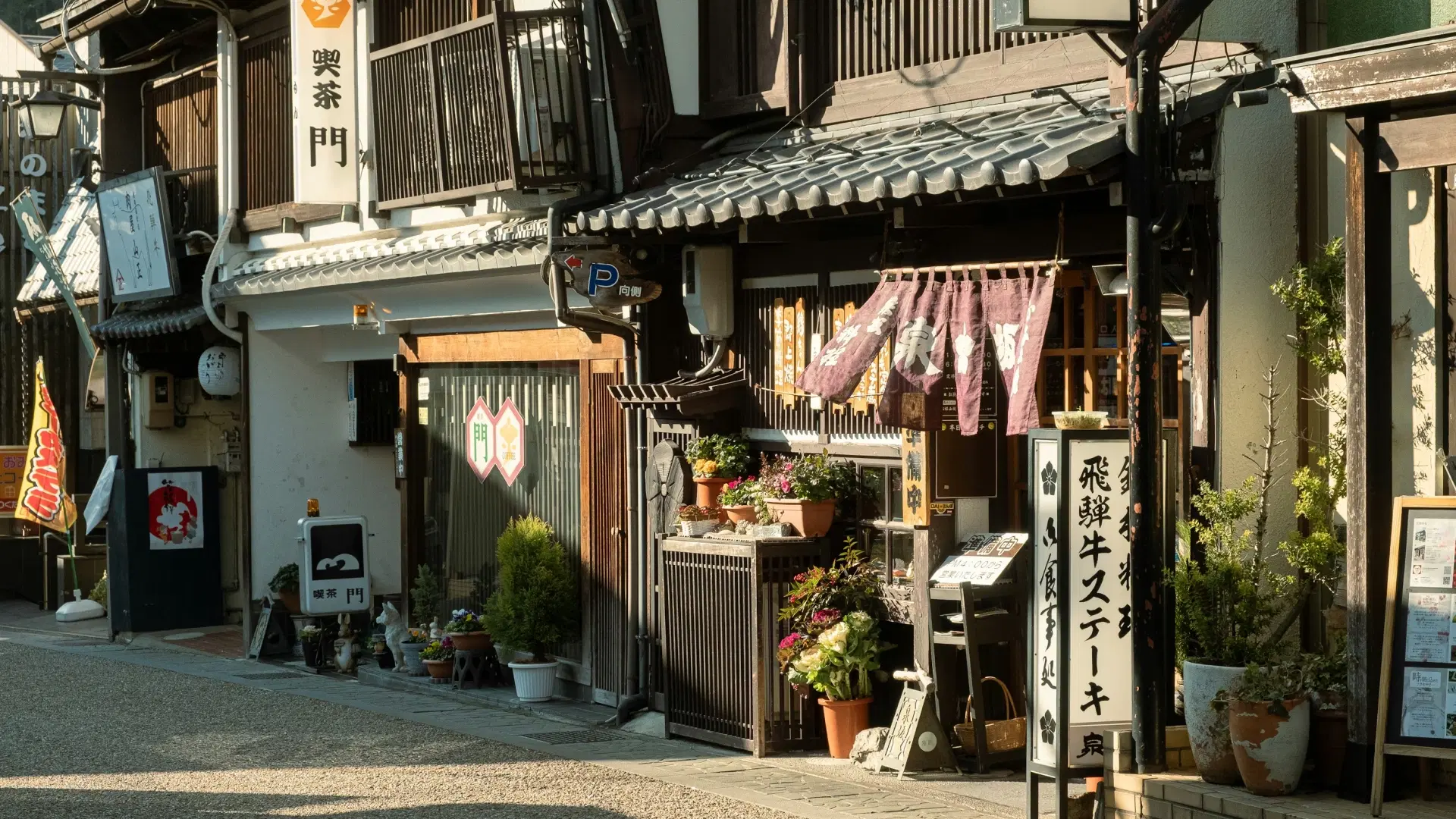
郡上八幡Gujo Hachiman is a town built by water and sustained by dance. Situated at the confluence of the Nagaragawa and Yoshidagawa rivers in the mountainous interior of Gifu Prefecture, this small castle town of roughly 40,000 inhabitants has organized its identity around two elements that, taken together, define a way of life unique in Japan. The first is water: Gujo Hachiman is laced with a network of canals, streams, and waterways that flow through the town's streets, gardens, and even its houses, providing drinking water, irrigation, and a constant auditory presence that gives the town its particular atmosphere of clarity and movement. The second is the Gujo Odori, a summer dance festival that runs for over thirty nights between July and September and that represents one of the longest and most participatory matsuri traditions in the country.
The town's waterways are not decorative; they are functional infrastructure maintained by the community through a system of shared responsibility that dates to the Edo period. The canals are divided into tiers: the uppermost for drinking, the middle for washing vegetables and cooking implements, the lowest for laundry. Carp swim in the channels, both as an aesthetic element and as a practical measure, the fish consuming food waste and keeping the water clean. This relationship between settlement and stream, in which the natural resource is used, respected, and returned to the river cleaner than it arrived, embodies an environmental ethic that predates modern sustainability by centuries.
Gujo Hachiman Castle, a compact and beautifully proportioned fortress reconstructed in timber in 1933, commands a hilltop above the town and provides panoramic views of the river confluence and the surrounding mountains. The castle is among the oldest wooden reconstructions in Japan, and its modest scale and honest materials give it an authenticity that the concrete reconstructions of larger fortresses cannot match. From its upper floors, the geography of the town becomes legible: the rivers converging, the streets following the contours of the terrain, the waterways threading through the built environment like veins through a body.
Gujo Hachiman is a town built by water and sustained by dance.
Highlights
The canal network that threads through the old town is Gujo Hachiman's most distinctive feature, and the best way to appreciate it is simply to walk. The Igawa Komichi, a narrow path alongside one of the town's central waterways, passes through a corridor where the canal's clear water, populated by koi and trout, runs beside traditional houses whose residents still use it for daily tasks. The Sougi Water, a spring-fed fountain in the heart of the old town, has been designated one of the finest water sources in Japan, and the small plaza surrounding it serves as a gathering point where the town's relationship with its water is most palpably felt. In summer, local children leap from the Shinbashi Bridge into the Yoshidagawa River below, a tradition that has become one of Gujo Hachiman's most iconic images and that speaks to the intimacy between the town's inhabitants and the water that runs through their lives.
Gujo Hachiman Castle, reached by a fifteen-minute climb through forest, rewards the effort with views that stretch across the confluence of the two rivers and into the mountain valleys beyond. The castle's interior houses a modest but well-curated museum of local history, and the wooden structure itself, built from materials sourced in the surrounding forests, feels appropriate to its setting in a way that concrete reconstructions never do. The autumn foliage that surrounds the castle, typically peaking in mid-November, creates a setting of extraordinary beauty, the reds and golds of the maples framing the white walls and curving rooflines.
The food sample workshops that cluster in the old town offer an unexpected cultural encounter. Gujo Hachiman is the birthplace of Japan's food sample industry, the astonishingly realistic plastic replicas of dishes that fill restaurant display cases throughout the country, and visitors can try their hand at crafting wax tempura, parfaits, and sushi under the guidance of artisans who have elevated commercial reproduction into a form of pop art.
Culinary Scene
Gujo Hachiman's cuisine reflects its mountain setting and its intimate relationship with clean water. Ayu, the sweetfish that populate the Nagaragawa River during summer, are the town's most prized ingredient, their delicate, faintly herbaceous flavor a product of the algae they feed on in the river's clear currents. Grilled whole over charcoal with nothing but salt, ayu are one of the purest expressions of Japanese riverine cuisine, and their season, roughly June through October, defines the culinary calendar of the town. The quality of the local water also supports excellent tofu production, and the soba noodles made with buckwheat grown in the surrounding highlands and prepared with Gujo's spring water achieve a purity of flavor that reflects their ingredients' origin.
The town's keichan, a home-style preparation of chicken marinated in miso or soy sauce and grilled with cabbage and other vegetables on a tabletop grill, is the everyday comfort food of the Gujo region. Originally a farmhouse dish designed to make the most of modest ingredients, keichan has been embraced by local restaurants as a signature offering, its savory, slightly caramelized flavors and communal cooking style reflecting the unpretentious warmth that characterizes Gujo Hachiman itself. Local sake, brewed with the same mountain water that feeds the town's canals, accompanies these meals with a freshness that tastes, quite literally, of the source.
Ryokans in Gifu
There are no ryokans in our guide listed in Gujo Hachiman. See our selection across Gifu.
View ryokans in Gifu