Ishikawa
石川県Ishikawa Prefecture is where Japanese refinement achieves a concentration that few places in the country can equal. Kanazawa, spared from wartime bombing, preserves an unbroken lineage of craft, cuisine, and garden culture that stretches back to the wealth and ambition of the Maeda clan, whose domain rivaled Kyoto in artistic sophistication. The city's geisha districts, samurai quarters, and Kenrokuen, one of the three great gardens of Japan, exist not as museum pieces but as living quarters of a city that still values beauty as a daily practice.
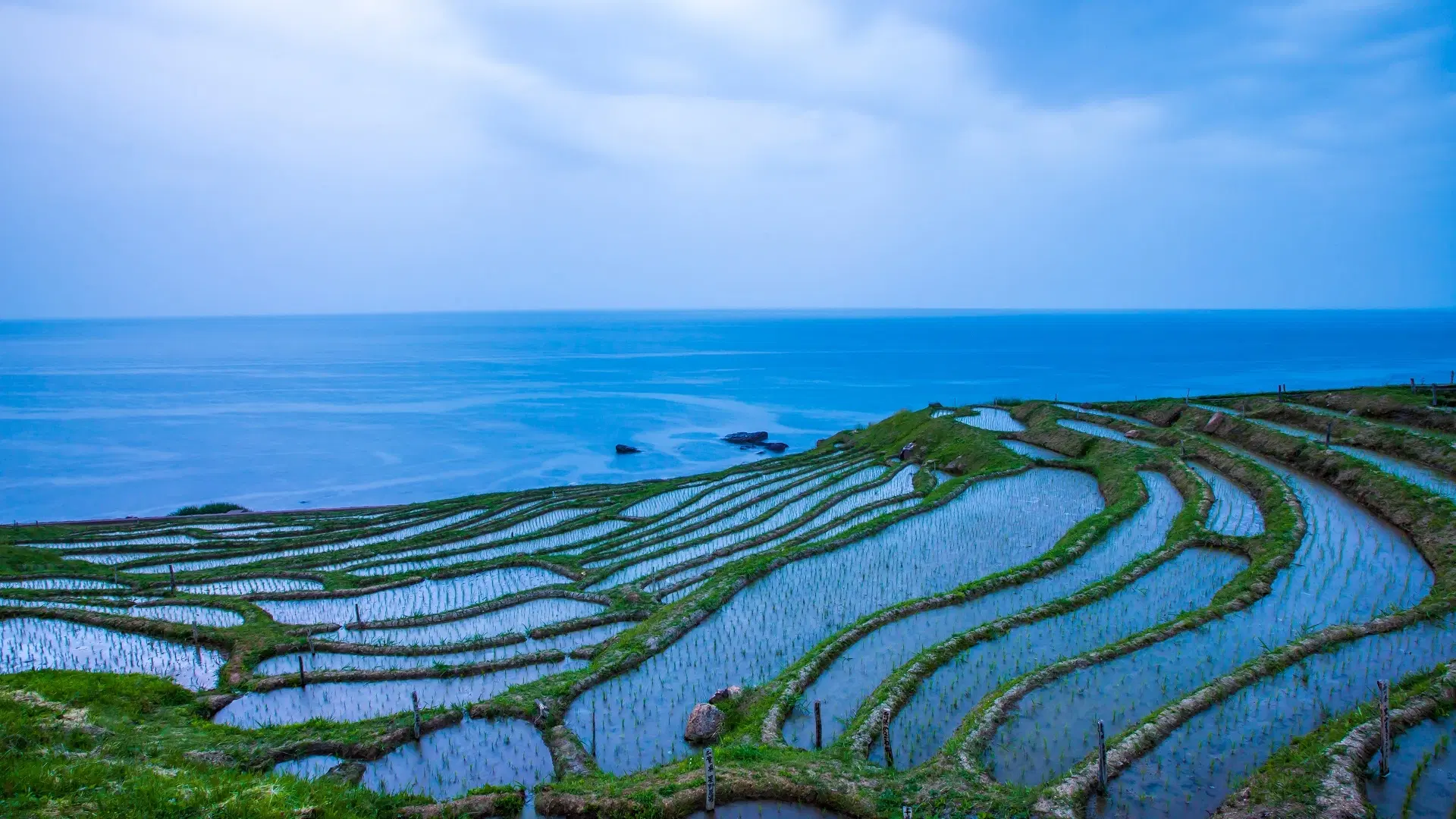
Beyond Kanazawa, the Noto Peninsula extends into the Sea of Japan like a crooked finger, its fishing villages, salt farms, and lacquerware workshops preserving traditions that the modern world has elsewhere abandoned. The peninsula's wajima-nuri lacquer, built up in more than a hundred layers over months of painstaking work, represents perhaps the highest expression of that craft in Japan. In the south, the twin onsen towns of Yamashiro and Yamanaka have drawn travelers since the twelfth century, when the wandering monk Gyoki is said to have discovered their healing waters. Ishikawa's position on the Sea of Japan gives it access to some of the finest seafood in the country, from winter crab to winter yellowtail, creating a kaiseki tradition that speaks fluently in the language of the seasons.
Ishikawa Prefecture is where Japanese refinement achieves a concentration that few places in the country can equal.
Cultural Identity
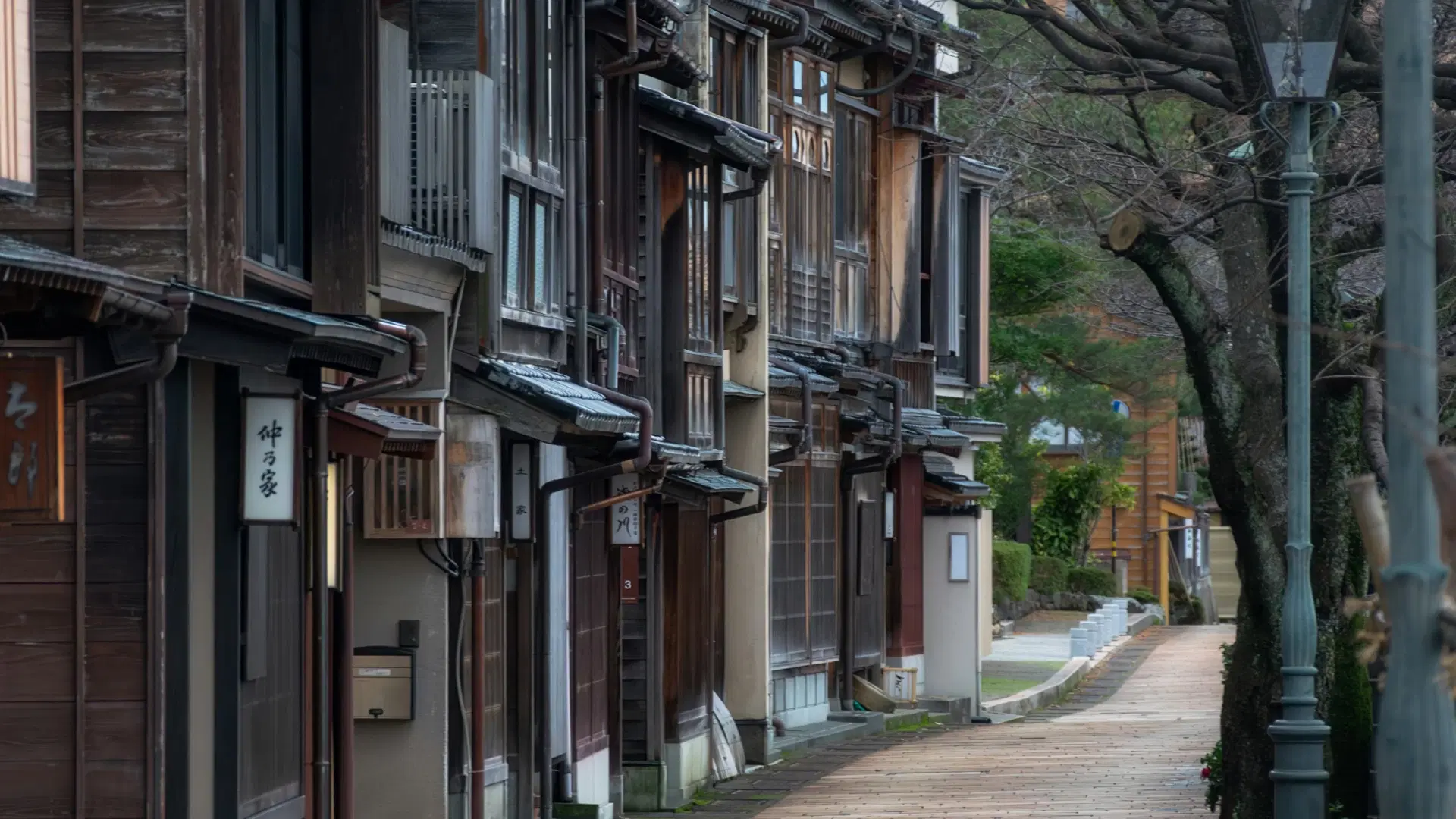
Kanazawa's cultural density is staggering for a city of its size. Gold leaf production here accounts for ninety-nine percent of Japan's total output, applied not only to temples and screens but to ceramics, textiles, and food. Kutani-yaki pottery, with its bold overglaze colors and intricate patterns, originated in the southern reaches of the prefecture and remains one of Japan's most distinctive ceramic traditions. The Noh theater tradition is deeply rooted here, sustained by Maeda patronage for centuries. Kanazawa's three chaya (teahouse) districts, Higashi, Nishi, and Kazuemachi, preserve the architecture and atmosphere of Edo-period entertainment quarters where geiko still practice the arts of dance, shamisen, and conversation. The 21st Century Museum of Contemporary Art, a radical glass circle designed by SANAA, proves that Kanazawa's commitment to aesthetics extends far beyond the traditional.
Culinary Traditions
Ishikawa's cuisine draws from the Sea of Japan with an intensity that defines winter dining in this region. Kano-gani, the prized male snow crab, appears on tables from November through March, its sweet, briny meat the centerpiece of elaborate kaiseki courses. Nodoguro, blackthroat seaperch with flesh so rich it is sometimes called the toro of the sea, is grilled simply with salt to honor its natural fat. Jibuni, Kanazawa's signature duck stew thickened with wheat flour and served with sudare-fu (decorative wheat gluten), reflects the city's distinctive approach to comfort food. Kabura-zushi, turnip-wrapped fermented fish eaten during the New Year, is a testament to Ishikawa's preservation traditions. The Omicho Market, operating for nearly three centuries, remains the beating heart of Kanazawa's food culture.
Waters & Onsen
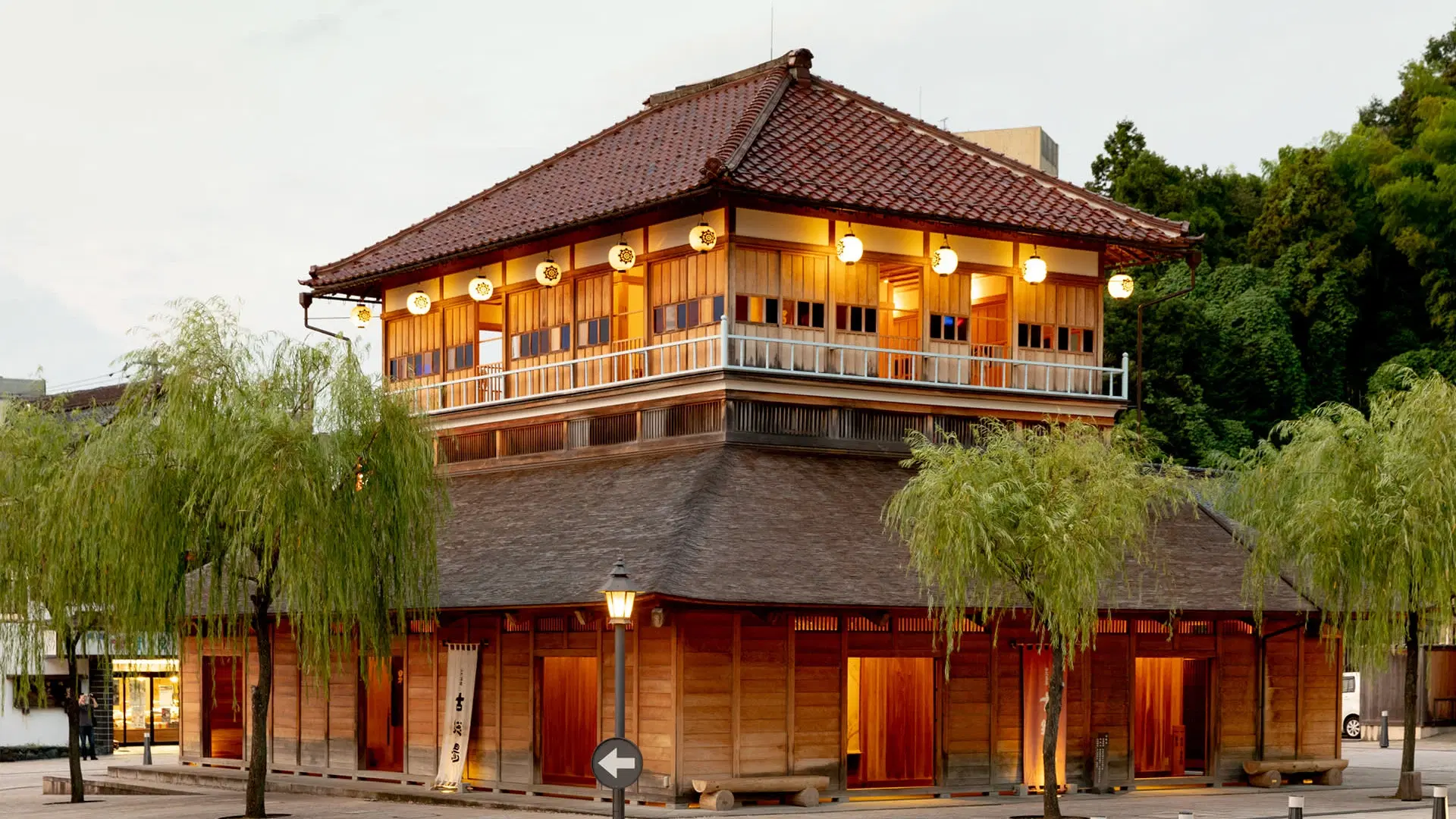
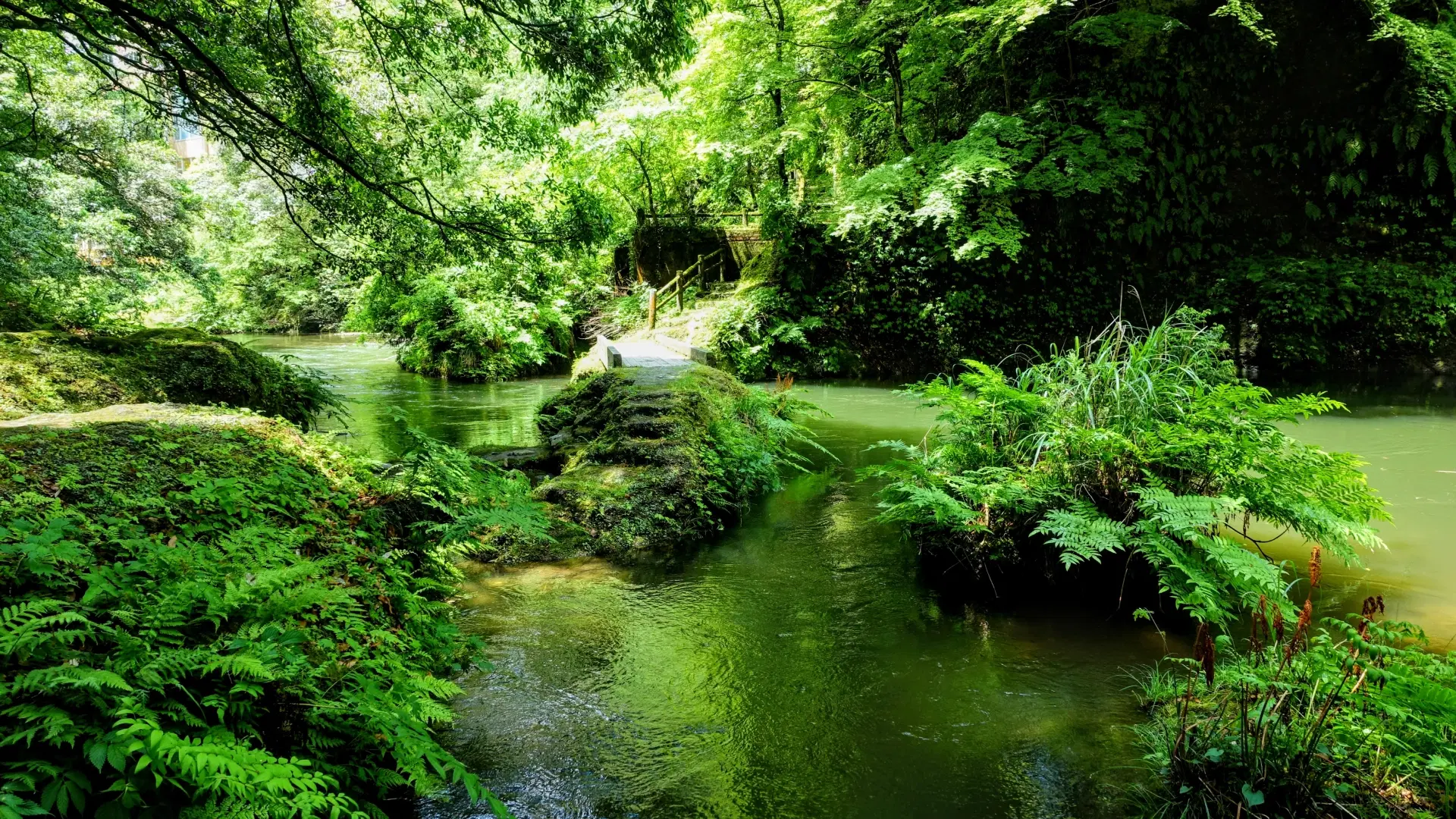
Yamashiro Onsen and Yamanaka Onsen, two of the three historic springs of Kaga, have drawn bathers since antiquity. Yamashiro is known for its Soyu, a grand public bathhouse redesigned in lacquer and tile, where the social ritual of communal bathing endures. Yamanaka, set in a forested gorge along the Daishoji River, offers waters praised by the haiku master Basho, who declared it one of the three finest springs he had encountered. Wakura Onsen, on the Noto Peninsula's inner coast, is the only sea-side hot spring in the region, its sodium chloride waters rich with marine minerals. The ryokan culture of Kaga Onsen is among the most refined in Japan, with several establishments tracing their histories back more than eight centuries.