Hyakumangoku Festival
百万石まつりThe Hyakumangoku Festival is Kanazawa's largest annual celebration, a three-day commemoration of the entry of Maeda Toshiie into Kanazawa Castle in 1583, the event that established the Maeda clan's rule over the Kaga domain and began the transformation of a provincial castle town into one of the great cultural capitals of Edo-period Japan. The festival's name refers to the domain's rice production, assessed at one million koku, a measure that made Kaga the wealthiest fief outside the Tokugawa shogunate's direct holdings and provided the economic foundation for the patronage of arts, crafts, and learning that defines Kanazawa's cultural identity to this day.
The centerpiece is the Hyakumangoku Parade, a procession of approximately 2,500 participants in period costume that winds from Kanazawa Station through the city center to Kanazawa Castle. The parade recreates Toshiie's triumphal entry with a level of historical detail and theatrical ambition that places it among the finest jidai matsuri, historical pageants, in Japan. The figure of Toshiie, mounted on horseback and accompanied by his wife Matsu, leads a retinue of samurai, foot soldiers, attendants, and musicians whose costumes have been researched, designed, and constructed with the obsessive accuracy that characterizes Kanazawa's relationship with its own past.
The festival extends well beyond the parade, encompassing tea ceremonies, Noh and Kyogen performances, traditional dance, and cultural demonstrations that showcase the arts for which Kanazawa is renowned: Kutani porcelain, Kaga yuzen silk dyeing, gold leaf production, and lacquerware. These events, distributed across the city's cultural venues and public spaces, transform the festival from a single spectacle into a comprehensive encounter with the living artistic traditions that the Maeda clan's patronage established and that the city has maintained across the centuries since.
History & Significance
The Hyakumangoku Festival was established in 1952, during the postwar period when Japanese cities were actively reconstructing civic identities through cultural events. The festival's founders drew upon Kanazawa's particular historical asset: a feudal legacy of cultural patronage that had survived both the Meiji modernization and the wartime devastation largely intact, thanks in part to the city's good fortune in being spared the firebombing that destroyed most other major Japanese cities. The festival was conceived as both a celebration of this heritage and a vehicle for its continuation, providing occasions for the city's traditional artisans and performers to demonstrate their skills before a public audience.
The parade itself has evolved significantly since its inception. Early editions were modest processions with improvised costumes and informal organization. Over the decades, the historical research deepened, the costumes became more elaborate, and the selection of the individuals who portray Toshiie and Matsu became a matter of civic significance. The roles are now played by public figures or celebrities, and the announcement of each year's selections generates considerable attention. The festival's cultural programming has expanded in parallel, reflecting both the depth of Kanazawa's artistic traditions and the city's growing confidence in presenting them to a national and international audience.
What to Expect
The Hyakumangoku Parade begins in the early afternoon on the festival's central day, typically the first Saturday of June, and proceeds along a route that takes approximately two hours to traverse. The procession is organized in historical sections, with each group representing a different aspect of the Maeda clan's retinue and the culture of the Kaga domain. The samurai contingent, in full armor and bearing the Maeda family crest, provides the martial element, while groups of musicians playing flutes and drums, dancers performing traditional Kaga choreography, and artisans demonstrating their crafts in motion add layers of cultural texture. The figure of Toshiie, resplendent in armor aboard a horse, and the figure of Matsu, in elaborate kimono, anchor the procession with a theatrical gravity that holds the crowd's attention.
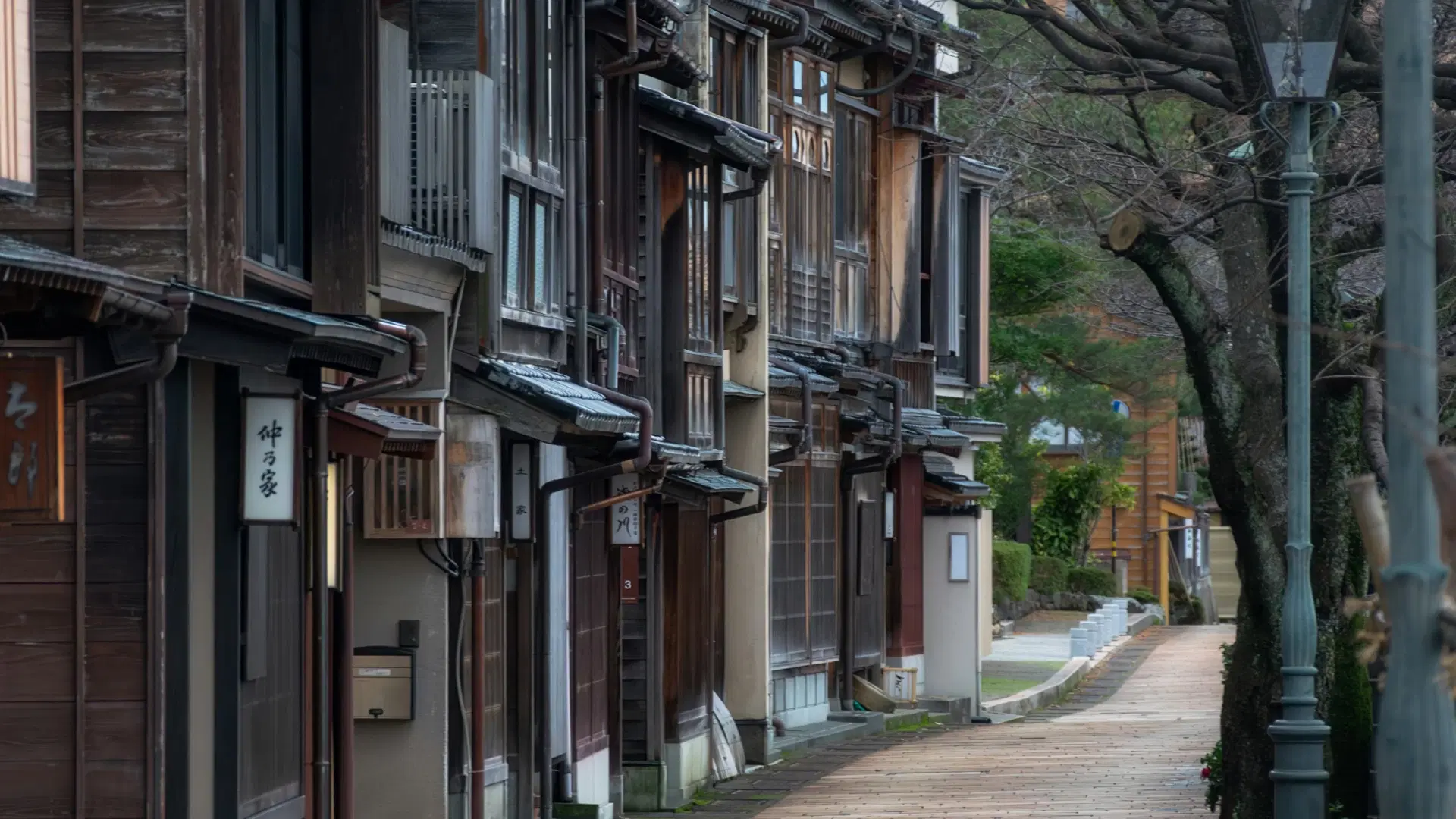
The cultural events that surround the parade are, for many visitors, equally or more rewarding. Noh performances at the Ishikawa Prefectural Noh Theater present one of the art forms that the Maeda lords most actively supported, and Kanazawa's Noh tradition, maintained without interruption since the Edo period, is among the finest in Japan. Tea ceremonies conducted in the garden settings of Kenrokuen and the samurai district's restored residences offer the refined, meditative counterpart to the parade's public energy. The craft demonstrations, held at venues throughout the city, allow direct engagement with the gold leaf artisans, the Kutani painters, and the Kaga yuzen dyers whose work represents centuries of accumulated skill.
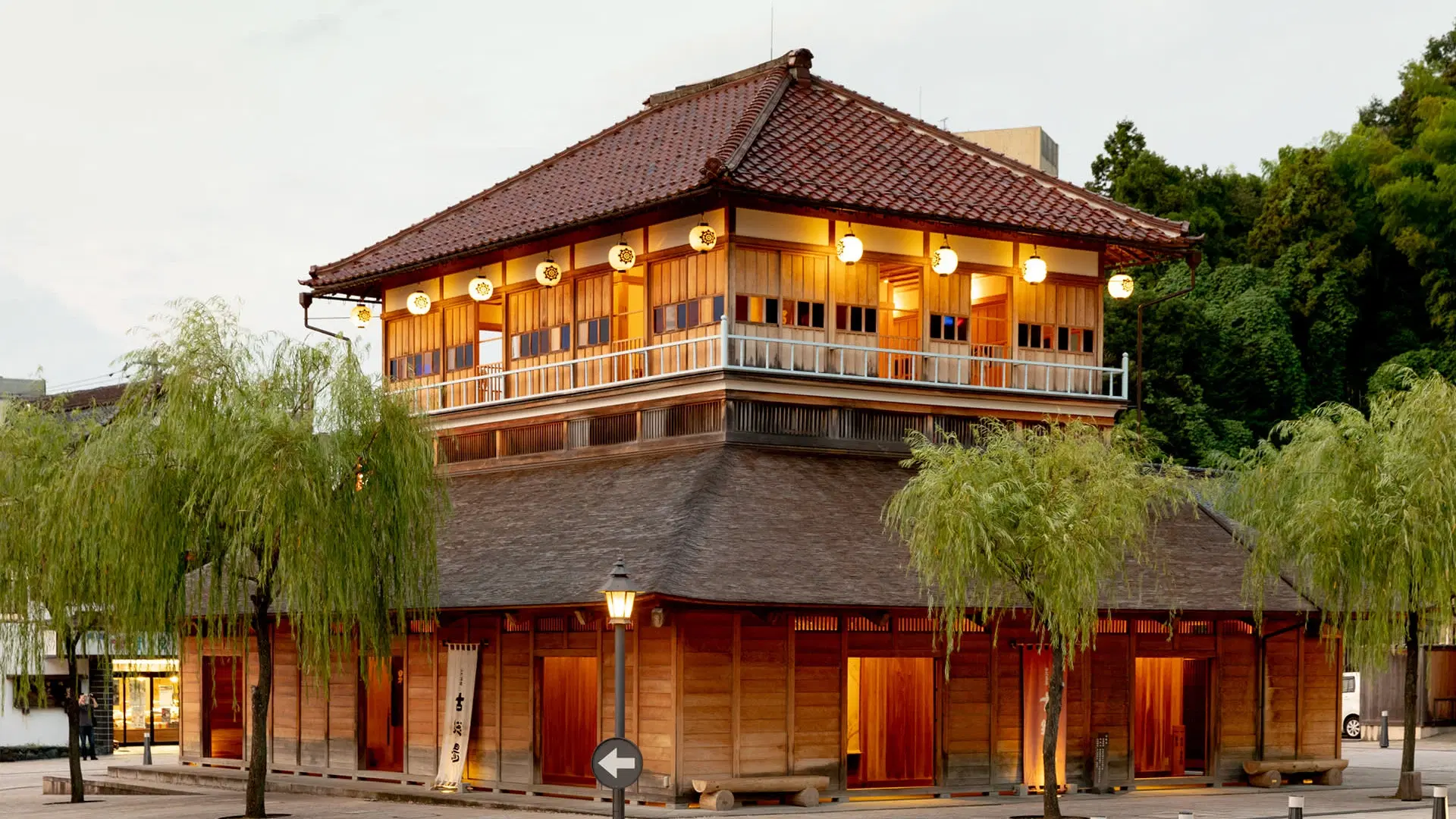
The evening of the parade day brings a more relaxed festivity to the streets of the Katamachi and Korinbo entertainment districts, where food stalls, street performances, and the general good humor of a city celebrating itself create an atmosphere of accessible warmth. The combination of historical pageantry, cultural depth, and communal conviviality makes the Hyakumangoku Festival a comprehensive introduction to Kanazawa's identity.