Aichi
愛知県Aichi is the engine room of modern Japan, a prefecture whose industrial might has shaped the nation's global identity, yet whose cultural foundations run as deep as any in the country. Nagoya, the prefectural capital, sits at the crossroads of the Tokaido corridor, a position that has made it a center of commerce, manufacturing, and strategic importance since the Warring States period. Oda Nobunaga, Toyotomi Hideyoshi, and Tokugawa Ieyasu, the three unifiers of Japan, were all born within the boundaries of what is now Aichi, a historical concentration of power that left its mark on the region's assertive, pragmatic character.
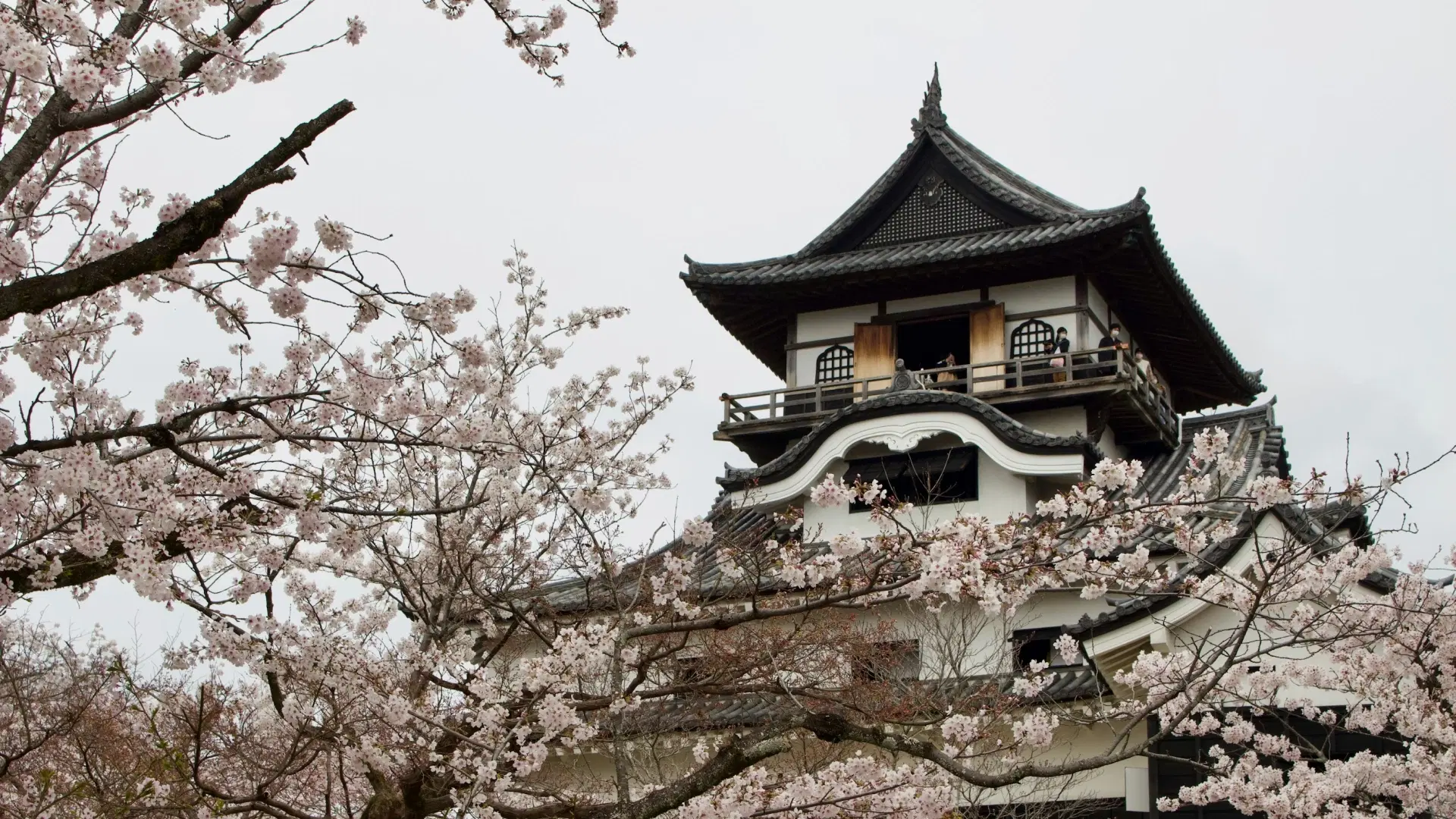
Beneath the industrial surface, Aichi harbors cultural treasures that reward investigation. Atsuta Jingu, one of Shinto's most sacred shrines, houses the Kusanagi no Tsurugi, one of the three Imperial Regalia. Inuyama, upstream on the Kiso River, preserves Japan's oldest original castle keep and hosts a spring festival of ornate mechanical floats. Tokoname, on the Chita Peninsula, has been producing ceramics for nearly a thousand years, its kiln-lined lanes and clay-walled workshops offering an immersive encounter with a craft tradition that helped define the Japanese tea ceremony. Nagoya's food culture, bold and unapologetic, stands apart from the subtlety of Kyoto or Tokyo: miso katsu, hitsumabushi, and tebasaki represent a cuisine that values intensity of flavor above delicacy, and the city is prouder for it.
Aichi is the engine room of modern Japan, a prefecture whose industrial might has shaped the nation's global identity, yet whose cultural foundations run as deep as any in the country.
Cultural Identity
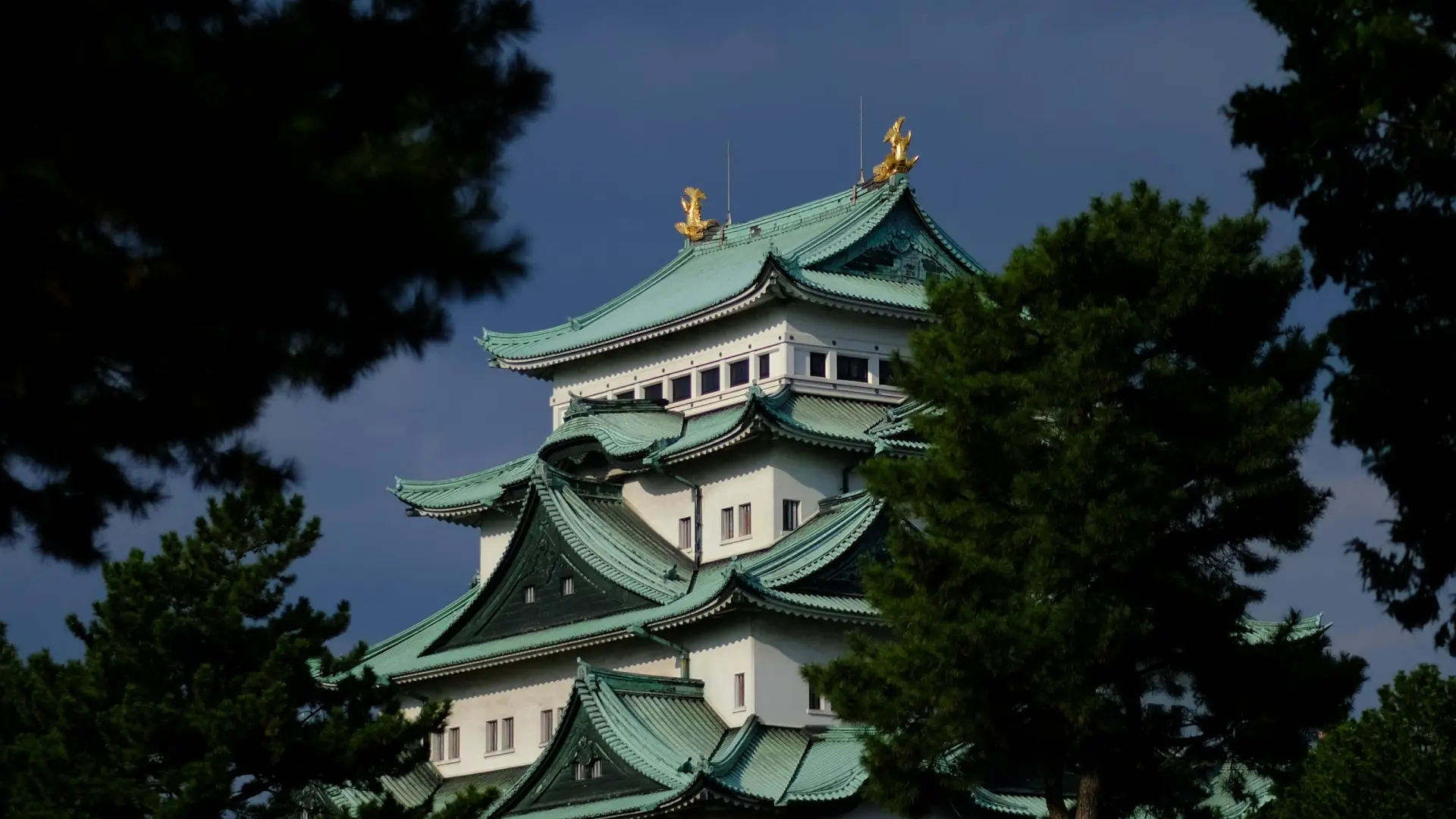
Aichi's cultural identity is forged from the intersection of martial history and artisan excellence. Nagoya Castle, originally built by Tokugawa Ieyasu and now undergoing a historically faithful timber reconstruction, was the architectural declaration of Tokugawa power. The castle's golden shachihoko, mythical dolphin-tiger figures adorning its roof, have become the city's emblem. Arimatsu, a post-town on the Tokaido highway, preserves the shibori tie-dyeing tradition that has been practiced there since 1608; the indigo-patterned fabrics are recognized as an Important Intangible Cultural Property. The Noh and Kyogen traditions maintain a strong presence in Nagoya, supported by the region's historical patronage. Inuyama's Karakuri mechanical puppet tradition, where festival floats carry dolls that perform astonishing feats through only strings and levers, demonstrates an engineering ingenuity that prefigures the prefecture's modern technological expertise.
Culinary Traditions
Nagoya-meshi, the distinctive food culture of Nagoya, is a cuisine of bold strokes. Miso katsu, a deep-fried pork cutlet drenched in a thick sauce of hatcho miso, the dark, intense soybean paste aged for two to three years, is the city's signature comfort food. Hitsumabushi, grilled eel served over rice and eaten in three stages: plain, with condiments, and as ochazuke with dashi broth poured over, transforms unagi into a meal of surprising variety. Tebasaki, crispy chicken wings glazed with a sweet and peppery sauce, are the city's essential accompaniment to cold beer. Kishimen, broad flat noodles served in a bonito-rich broth, and Taiwan ramen, a fiery minced-pork noodle soup invented in Nagoya despite its name, round out a street-food culture that prizes satisfaction above refinement. Hatcho miso, produced in the twin breweries of Okazaki, is the foundation ingredient that gives Nagoya cuisine its distinctive dark, savory depth.
Waters & Onsen
Aichi is not traditionally known as an onsen destination, yet the prefecture holds several thermal resources that offer genuine bathing pleasure. The Chita Peninsula's southern tip, near Utsumi and Himaka Island, features seaside hot springs with sodium chloride waters and views across Mikawa Bay. Inuyama Onsen, along the Kiso River upstream from the castle, provides a convenient complement to a day of cultural exploration, with waters that soothe after hours of walking temple grounds and kiln-lined streets. Gamagori Onsen, overlooking Mikawa Bay on the eastern coast, offers a more substantial hot spring experience, with several large-scale ryokan providing ocean-view baths and access to the seafood of the bay. Nishiura Onsen, on the Gamagori coast, draws from calcium chloride springs that are particularly valued for their warming properties. While Aichi's bathing culture cannot rival its Chubu neighbors, these springs offer welcome respite within a prefecture whose primary pleasures lie elsewhere.