Tokoname
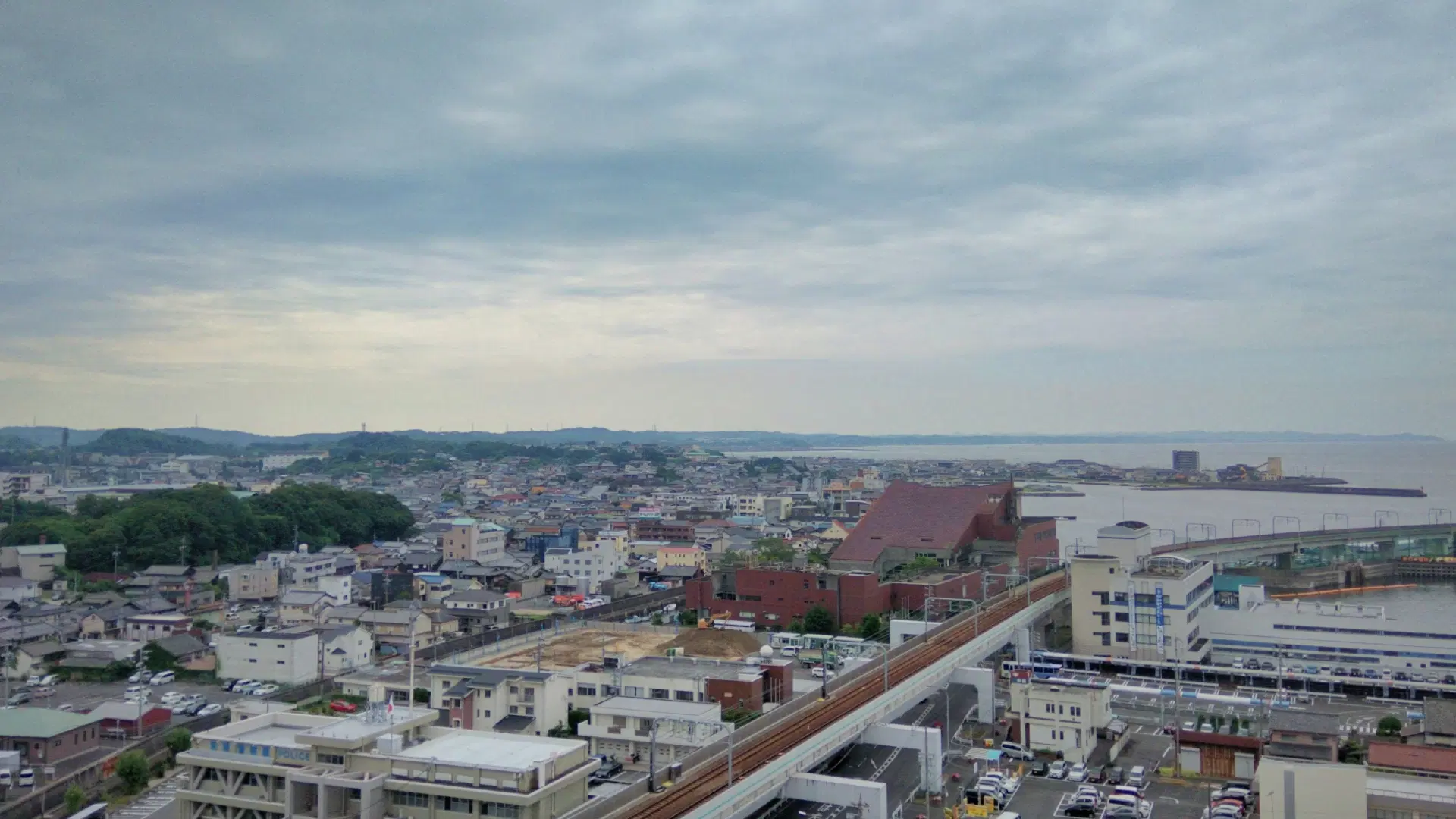
常滑Tokoname is a city shaped by clay and fire. Located on the western coast of the Chita Peninsula, facing Ise Bay, this ancient ceramic production center has been making pottery for over nine hundred years, a span that makes it one of the six oldest kiln sites in Japan, the so-called Rokkoyou, or Six Ancient Kilns. The particular iron-rich clay of the Chita Peninsula, combined with the wood-firing techniques refined over centuries, produces the distinctive reddish-brown stoneware that has made Tokoname synonymous with teapots in the Japanese ceramic vocabulary. The kyusu, the small side-handled teapot used for brewing sencha and gyokuro, achieves its most celebrated expression in Tokoname ware, the unglazed clay's interaction with hot water and tea oils producing a patina over years of use that tea connoisseurs prize as evidence of a pot's history and the quality of the tea it has brewed.
The town's topography tells its industrial story. Tokoname is built on hills whose slopes are terraced not for agriculture but for kilns, and the narrow lanes that wind between them pass through a landscape where the detritus of pottery production, broken pots embedded in walls, kiln furniture repurposed as paving, clay pipes stacked like geological strata in exposed hillsides, constitutes the very fabric of the built environment. The Pottery Walk, a signposted route through the most historically dense section of the town, passes chimneys, workshops, and galleries in a sequence that documents the evolution of Tokoname's ceramic tradition from the medieval period to the present.
Modern Tokoname has diversified its ceramic production beyond the traditional kyusu and storage vessels, embracing architectural tiles, drainage pipes, and, most recently, contemporary art ceramics that bring international attention to the town's clay traditions. Yet the heart of Tokoname remains the relationship between artisan and material, the patient accumulation of skill that allows a potter to draw from local clay a teapot whose function, beauty, and tactile pleasure are inseparable.
Tokoname is a city shaped by clay and fire.
Highlights
The Pottery Walk, Tokoname's most essential experience, winds through the hillside district where the concentration of kilns, workshops, and ceramic infrastructure is densest. The route passes the Noborigama, a climbing kiln whose chambers ascend the hillside in a sequence that allowed potters to fire different wares at different temperatures within a single firing, and the Doi Sanbonsugi area, where towering brick chimneys mark the locations of the industrial-scale kilns that produced Tokoname's drainage pipes and architectural tiles during the Meiji and Taisho periods. The walls along the path are embedded with discarded pottery and clay pipes, creating accidental mosaics that are among the most photographed features of the town, their random patterns of terracotta, ash glaze, and broken form transforming waste into art.
The INAx Live Museum, operated by the ceramics and building materials manufacturer whose roots lie in Tokoname's tile production, offers the most comprehensive introduction to the town's industrial and artistic heritage. The complex includes several galleries, a working workshop where visitors can observe and participate in ceramic production, and a remarkable architectural installation composed entirely of ceramic tiles, pipes, and sculptural elements. The museum's scope, which encompasses everything from medieval tea ceremony wares to contemporary architectural ceramics, demonstrates the range of expression that a single material tradition can sustain.
The individual studios and workshops that line the streets of the old town provide the most intimate engagement with Tokoname's living tradition. Many potters welcome visitors to their workshops, and watching a master shape a kyusu on the wheel, the clay spinning into form under hands that have repeated the gesture thousands of times, communicates the depth of embodied knowledge that sustains Tokoname's reputation. Purchasing a teapot directly from the potter who made it, learning the particular characteristics of the clay and the firing, and beginning the long process of seasoning the pot through daily use connects the visitor to a tradition that spans nearly a millennium.
Culinary Scene
Tokoname's position on the Chita Peninsula, surrounded by Ise Bay and the open Pacific, gives it access to seafood of exceptional quality and variety. The fugu, pufferfish, for which the Chita coast is known, appears in winter months as sashimi, nabe, and hirezake, the grilled fin steeped in hot sake, its preparation requiring the licensed skill that has made fugu cuisine one of Japan's most ritualized dining experiences. Clams from the tidal flats of Ise Bay, anago conger eel, and the seasonal run of shirasu provide the foundations for a coastal cuisine that the town's restaurants prepare with a straightforwardness that reflects the quality of the ingredients.
The ceramic tradition shapes the dining experience as well as the cuisine. Eating from Tokoname ware, drinking tea from a locally made kyusu, and appreciating the way food and vessel interact becomes a natural part of any meal in the town. Several restaurants and cafes make a point of serving on ceramics produced by local artisans, and the conversation that develops between the food on the plate and the plate itself adds a dimension to dining that is unique to places where the making of things remains central to civic identity.
The Chita Peninsula's craft beer and sake producers have established a presence that complements the culinary scene, their products reflecting the same attention to material quality and process that characterizes the ceramic tradition. The Morimori Sushi and similar establishments near the waterfront offer the freshest possible seafood in settings that embrace rather than disguise their fishing-town origins.
Ryokans in Aichi
There are no ryokans in our guide listed in Tokoname. See our selection across Aichi.
View ryokans in Aichi