Osu Kannon Antique Market
大須観音骨董市The Osu Kannon Antique Market is one of Nagoya's most enduring and characterful institutions, a twice-monthly gathering of dealers, collectors, and curious browsers that fills the grounds of Osu Kannon Temple with the accumulated material culture of centuries. On the 18th and 28th of every month, without exception and without interruption for as long as living memory extends, the temple's broad forecourt transforms into a dense grid of ground cloths and folding tables bearing ceramics, textiles, lacquerware, woodblock prints, vintage kimono, old tools, religious artifacts, and the thousand uncategorizable objects that constitute the beautiful debris of Japanese domestic life across the generations.
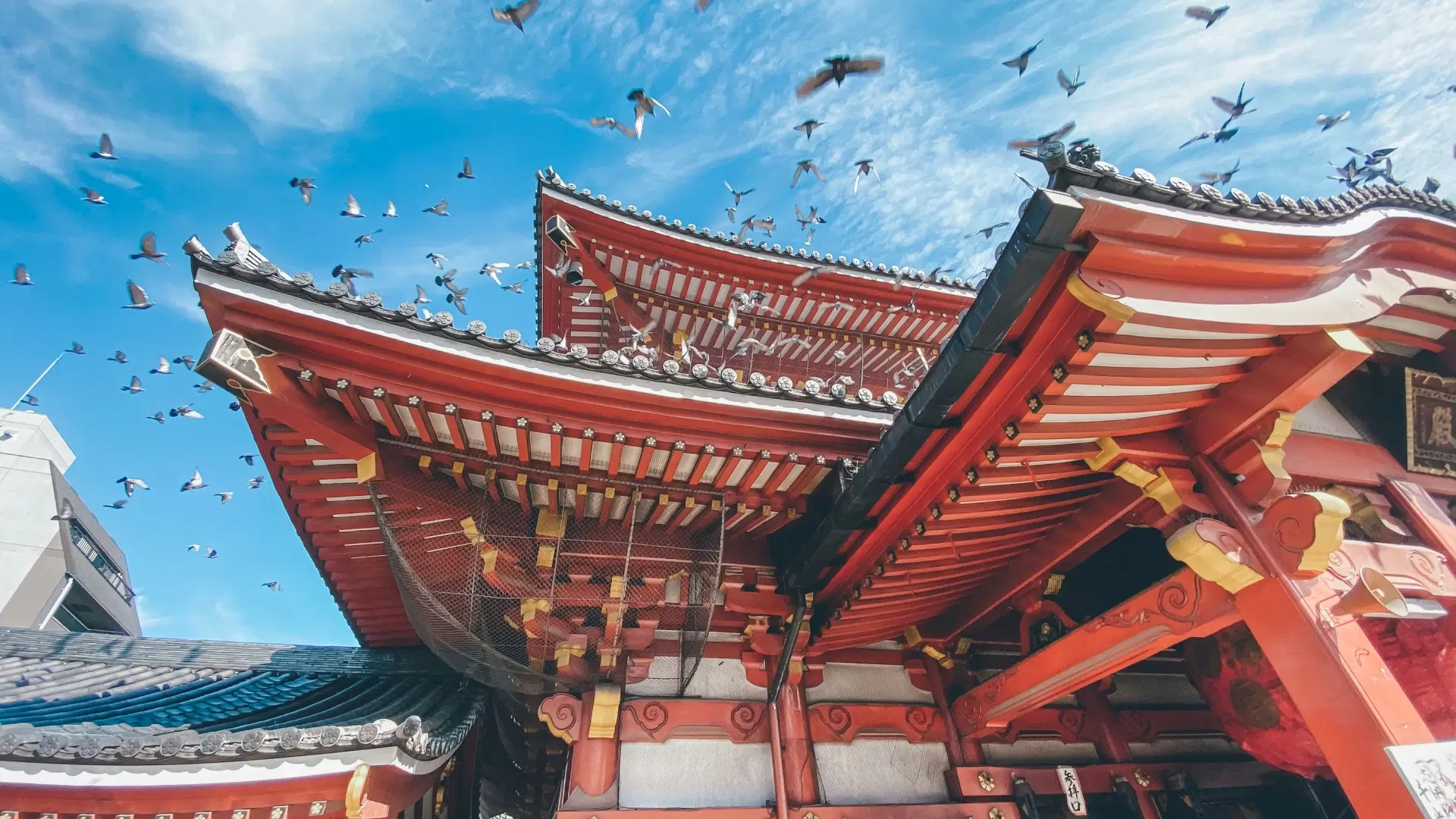
The market's setting at Osu Kannon, formally known as Kitanosan Shinpuku-ji Hosho-in, grounds the commercial activity in a spiritual context that is quintessentially Japanese. The temple, originally founded in 1333 and relocated to its present site in 1612 by Tokugawa Ieyasu, is one of Nagoya's most important Buddhist institutions, and the market's operation within its precincts reflects the long tradition of temple markets, or ennichi, that has made shrines and temples the commercial as well as spiritual centers of Japanese community life. The dealers set up their wares beneath the temple's massive red lantern and the gaze of its Kannon statue, their transactions conducted in the shadow of a sacred architecture that lends even the most mundane object a patina of temporal depth.
For the visitor with an eye for Japanese material culture, the market offers something that no antique shop or curated gallery can provide: the element of discovery. The dealers' inventories are idiosyncratic, their pricing variable, and the quality of the offerings ranges from museum-worthy to charmingly worthless, the pleasure lying precisely in the search, the handling of unfamiliar objects, and the conversations with vendors whose knowledge of their specialties is deep, specific, and generously shared.
The Osu Kannon Antique Market is one of Nagoya's most enduring and characterful institutions, a twice-monthly gathering of dealers, collectors, and curious browsers that fills the grounds of Osu Kannon Temple with the accumulated material culture of centuries.
History & Significance
The market at Osu Kannon traces its lineage to the ennichi tradition that has associated temple and shrine grounds with commerce since the medieval period. The specific dates of the 18th and 28th correspond to days traditionally sacred to Kannon, the bodhisattva of compassion enshrined in the temple, and the market's scheduling on these days connects its commercial activity to the temple's ritual calendar. The current antique market format crystallized in the postwar decades, when the convergence of economic recovery, the dispersal of old family collections, and the growing appreciation of mingei folk craft and pre-modern material culture created both supply and demand for a regular venue where such objects could change hands.
The market's relationship with the surrounding Osu shopping district has deepened over the decades, the monthly market days becoming occasions that energize the broader neighborhood. The Osu district, Nagoya's most eclectic commercial quarter, is itself a palimpsest of old and new, its covered shopping arcades mixing electronics stores, vintage clothing boutiques, international food stalls, and traditional craft shops in a density that mirrors the market's own jumble of periods and categories. The antique market is thus both an event within the neighborhood and an expression of its character, the monthly gathering concentrating the Osu district's essential quality of productive eclecticism into a single morning.
What to Expect
The market begins at dawn and runs through the early afternoon, its energy highest in the morning hours when the serious collectors make their rounds and the dealers' offerings are at their most complete. The layout is informal but roughly organized, with ceramics dealers tending to cluster in one area, textile sellers in another, and the general antiques and curiosities filling the spaces between. The objects on offer span the full chronological and categorical range of Japanese material culture: Edo-period porcelain sharing table space with Showa-era kitchenware, antique obi sashes folded beside vintage tin toys, hand-forged garden tools lying next to calligraphy brushes whose bamboo handles have been polished by decades of use.
The quality of the dealers' knowledge is one of the market's less visible but most valuable assets. Many vendors specialize in narrow categories and possess the deep expertise that comes from decades of buying, selling, and studying a single class of objects. Engaging them in conversation, asking about the age, origin, or purpose of an unfamiliar item, frequently yields information that transforms an anonymous object into a window onto a specific moment in Japanese cultural or domestic history. The dealers are generally patient with genuine curiosity, and the unhurried atmosphere of the temple grounds encourages the kind of slow, attentive looking that the best antique shopping requires.
The temple itself rewards attention beyond the market. Osu Kannon's main hall, rebuilt after wartime destruction, houses a library of over fifteen thousand volumes including a number of National Treasures, and the temple's Niomon gate and surrounding architecture provide a dignified counterpoint to the commercial bustle of the forecourt. After the market, the Osu shopping arcades offer a natural continuation of the browsing experience, their vintage shops and secondhand stores extending the treasure-hunting impulse into a different but complementary commercial environment.