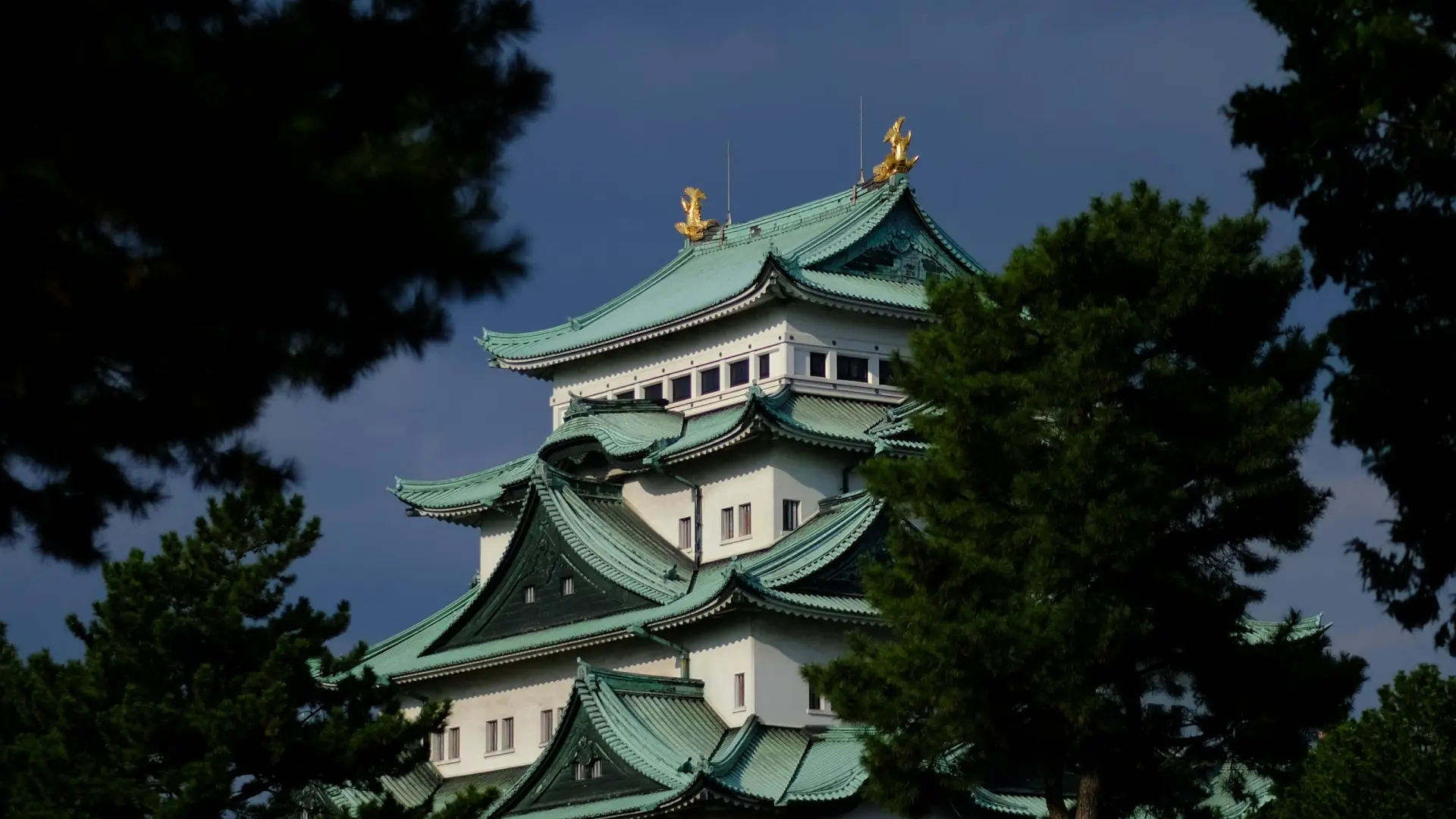
Atsuta Festival
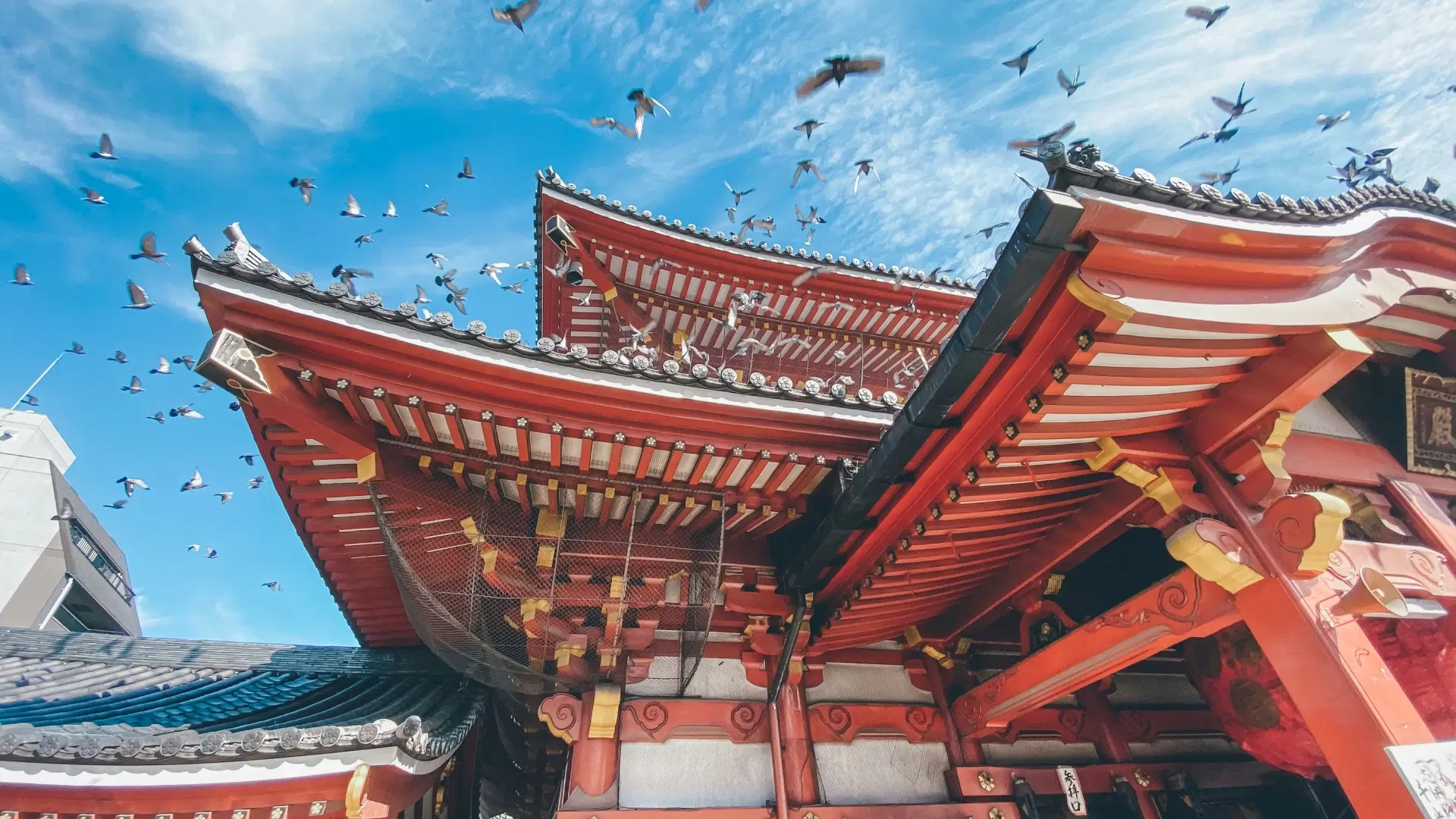
熱田まつりThe Atsuta Festival, known locally as Shobu-sai, is the annual celebration of one of Japan's most sacred Shinto shrines, and its character reflects the particular combination of solemnity and exuberance that defines the relationship between the people of Nagoya and their most important spiritual institution. Atsuta Shrine, which enshrines the Kusanagi no Tsurugi, one of the three Imperial Regalia of Japan, occupies a position in the Shinto hierarchy second only to the Grand Shrine at Ise, and its festival, held each year on the fifth of June, draws hundreds of thousands of worshippers and spectators to the shrine's forested precincts for a day that moves between the reverent and the festive with the fluidity that characterizes Japanese spiritual practice at its most natural.
The festival's most spectacular element is the display of makiwara, towering paper lanterns mounted on bamboo poles that rise above the shrine grounds like luminous pillars against the evening sky. The makiwara, standing five meters tall and decorated with elaborate designs, are lit at dusk, and their warm glow, filtering through the forest canopy and reflecting off the shrine's architectural surfaces, transforms the precincts into a landscape of trembling light that is both celebratory and otherworldly. The fireworks display that concludes the evening, launched from the grounds and visible across the southern quarter of the city, provides the festival's pyrotechnic climax.
The Atsuta Festival is not a tourist event in the conventional sense. It is a religious observance attended primarily by local residents for whom the shrine is a living institution, the site of their children's first shrine visits, their seasonal prayers, and their expressions of gratitude and supplication. This quality of genuine devotion gives the festival an emotional authenticity that self-consciously touristic events cannot replicate, and visitors who approach the occasion with appropriate respect will find themselves welcomed into a community celebration of unusual warmth and depth.
History & Significance
The Atsuta Festival has been observed in various forms for over a thousand years, its origins intertwined with the ancient rituals of worship associated with the sacred sword and the shrine that houses it. The historical records of the shrine document seasonal festivals dating to the Heian period, though the specific form of the June 5th celebration has evolved significantly over the centuries. The makiwara tradition is believed to date to the Edo period, when the development of washi papercraft and bamboo construction techniques allowed the creation of the towering lanterns that have become the festival's visual signature.
The festival's continuity through the disruptions of the modern era reflects the deep rootedness of Atsuta Shrine in the spiritual life of Nagoya and the broader Owari region. The wartime destruction that devastated much of the city left the shrine's forest precincts largely intact, a circumstance widely attributed to divine protection and one that reinforced the community's spiritual attachment to the site. The postwar revival of the festival was among the first acts of cultural reconstruction in the city, its resumption signaling a return to normalcy and a reaffirmation of the spiritual traditions that had sustained the community through its darkest period.
What to Expect
The festival day begins with formal Shinto ceremonies within the shrine's inner precincts, rituals that are conducted by the shrine's priests and attended by invited dignitaries and shrine officials. These ceremonies are not generally accessible to the public, but their solemnity sets the spiritual tone for the day. The public festivities unfold through the afternoon and evening in the outer precincts and the surrounding streets, where food stalls, carnival games, and vendor booths create the atmosphere of an ennichi, a temple or shrine fair, that draws families, couples, and groups of friends in yukata.
The lighting of the makiwara at dusk is the festival's most anticipated moment. The tall paper lanterns, positioned throughout the shrine grounds, are lit one by one, their warm glow intensifying as the daylight fades and the forest canopy above darkens. The effect is both intimate and grand, the individual lanterns close enough to appreciate in detail while their collective illumination transforms the entire shrine precinct into a luminous garden. Walking through the makiwara-lit forest, with the sound of shrine music and the murmur of thousands of visitors filtering through the trees, produces a sensory experience that blends the spiritual and the aesthetic in a manner that is quintessentially Japanese.
The fireworks display that concludes the evening, typically beginning around 8:30 PM, launches from the shrine grounds and is visible from points throughout southern Nagoya. The display is substantial but not competitive in scale with dedicated fireworks events; its significance lies in its context, the explosions of light above the ancient forest and the sacred precincts below creating a synthesis of celebration and reverence that no standalone fireworks event can achieve.