Nagoya Festival
名古屋まつりThe Nagoya Festival is the city's largest annual celebration, a weekend of parades, performances, and civic festivity that transforms the broad avenues of central Nagoya into stages for the reenactment of the historical narratives that shaped both the city and the nation. The festival's centerpiece is the Heroic Warrior Parade, a grand procession in which hundreds of participants in period costume portray the three great unifiers of Japan, Oda Nobunaga, Toyotomi Hideyoshi, and Tokugawa Ieyasu, all of whom had deep connections to the Owari region. The parade moves along a route from the city center to Nagoya Castle, its scale and costume detail creating a mobile historical tableau that communicates the weight of the region's contribution to Japanese history.
The festival serves as both a celebration of local identity and an invitation to engage with the city's cultural offerings. During the festival weekend, Nagoya Castle, the Tokugawa Art Museum, and several other major cultural institutions offer free admission, and the streets and parks of the central city fill with food stalls, performance stages, and community events that give the occasion the character of a citywide gathering rather than a presented spectacle. The atmosphere is festive without being frantic, the spacious urban geography of Nagoya providing room for large crowds to move and enjoy themselves without the compression that characterizes festivals in more compact cities.
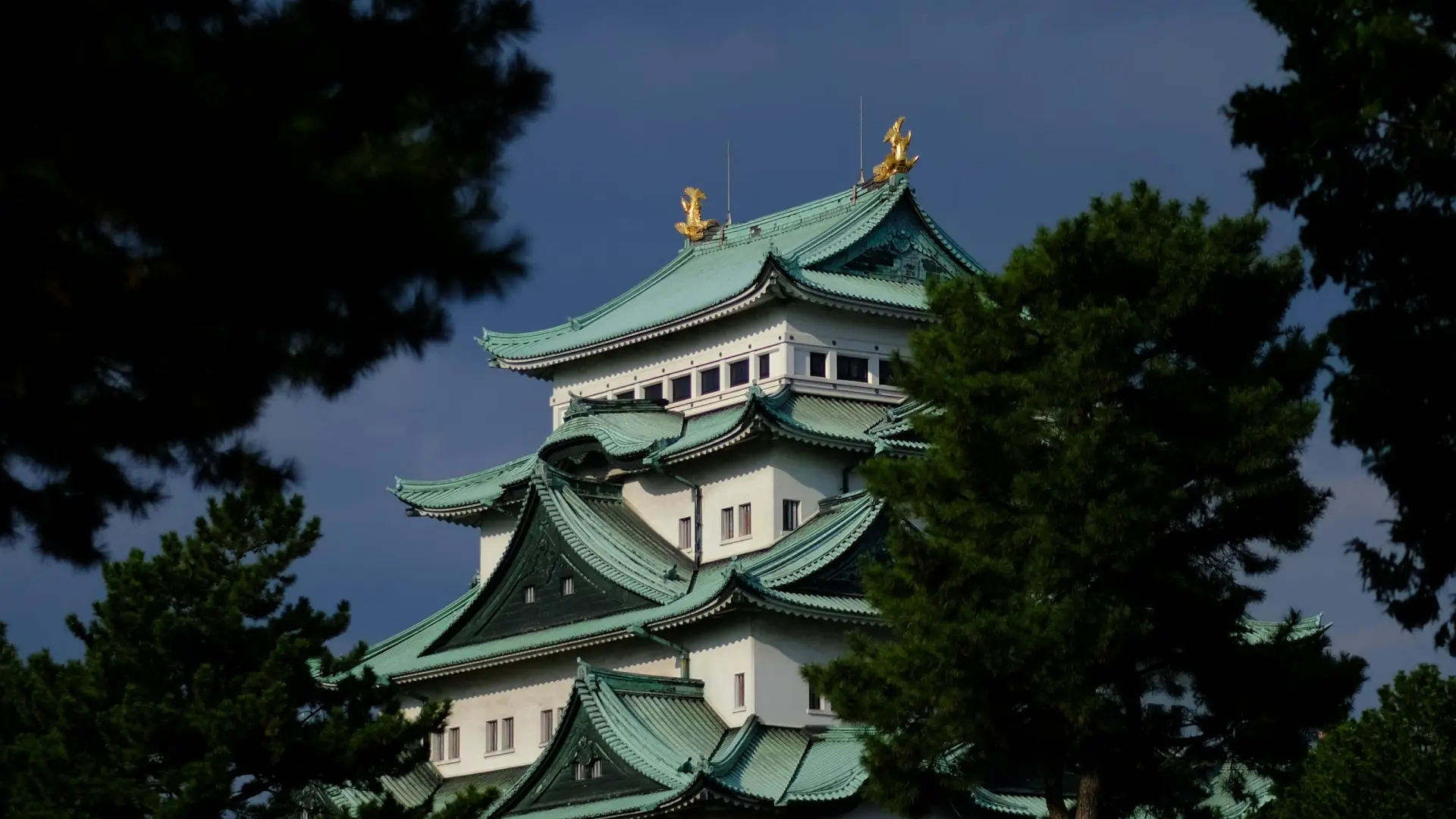
The October timing places the festival in one of Nagoya's most pleasant seasons, the summer heat broken and the autumn light lending a golden quality to the castle's golden shachi and the costumed procession passing below. The combination of historical pageantry, cultural access, and the communal energy of a city celebrating itself makes the Nagoya Festival one of the most rewarding urban festivals in the Chubu region.
The Nagoya Festival is the city's largest annual celebration, a weekend of parades, performances, and civic festivity that transforms the broad avenues of central Nagoya into stages for the reenactment of the historical narratives that shaped both the city and the nation.
History & Significance
The Nagoya Festival was established in 1955, a decade after the war that devastated the city and destroyed its most important architectural landmarks, including the original tenshu of Nagoya Castle. The festival was conceived as a vehicle for civic recovery, a public celebration through which the residents of Nagoya could reclaim their city's historical identity and express a collective will to rebuild. The choice of the three unifiers as the festival's central figures was deliberate: Nobunaga, Hideyoshi, and Ieyasu represented not only the region's historical significance but also the qualities of ambition, perseverance, and strategic vision that the postwar reconstruction demanded.
The festival grew in scale and ambition through the subsequent decades, adding cultural components, expanding the parade route, and incorporating new events while maintaining the Heroic Warrior Parade as its defining tradition. The selection of citizens to portray the three unifiers became a coveted honor, and the costume and prop production involved in the parade created an artisan infrastructure that has itself become a form of cultural heritage. Today, the Nagoya Festival stands as one of the most established urban festivals in Japan, its continuity across seven decades a testament to the civic purpose from which it emerged.
What to Expect
The Heroic Warrior Parade, the festival's signature event, processes along a route from the Sakae commercial district to Nagoya Castle on Saturday afternoon. The procession is led by the three unifiers, each portrayed by a selected citizen in elaborate period costume and accompanied by retinues of samurai, foot soldiers, court ladies, and attendants whose costumes and equipment are produced with remarkable attention to historical accuracy. The parade's scale, with several hundred participants and multiple historical eras represented, creates a visual narrative that compresses three centuries of Japanese history into a single moving spectacle. The wide avenues of central Nagoya provide excellent sightlines, and the relatively uncrowded viewing conditions, compared to festivals in smaller cities, allow comfortable observation.
Performance stages throughout the central city host traditional and contemporary entertainment, from taiko drumming and classical dance to live music and comedy, creating a festival atmosphere that extends well beyond the parade route. The castle grounds are the site of the most concentrated activity, with food vendors, cultural demonstrations, and family-oriented events taking advantage of the park's open spaces and the dramatic backdrop of the castle itself.
The free admission to cultural institutions during the festival weekend provides an additional incentive to visit. The Tokugawa Art Museum, in particular, often coordinates special exhibitions with the festival, and the opportunity to view its extraordinary collection, including the Genji scrolls, without an admission charge represents exceptional cultural value.