Inuyama Festival
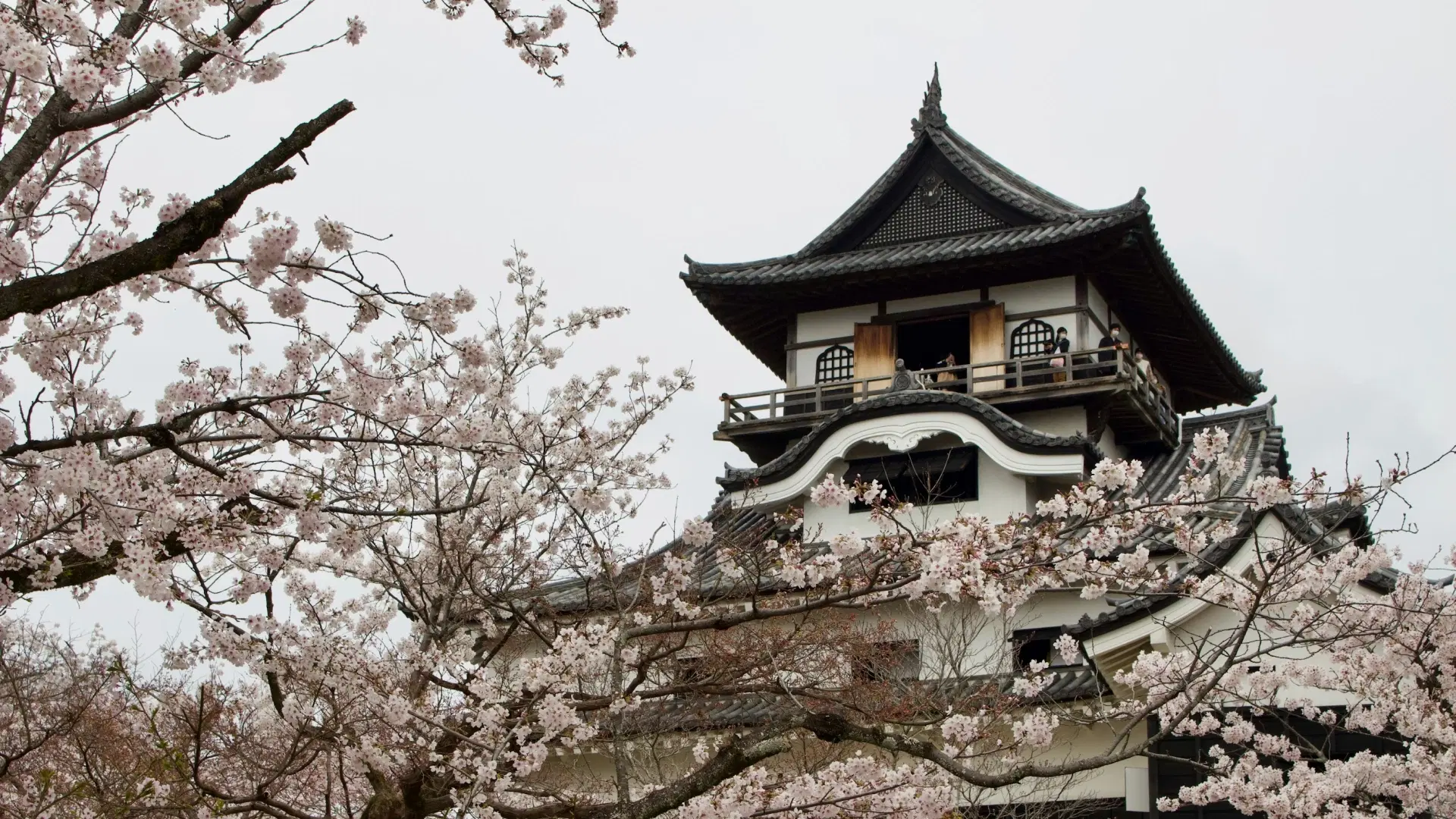
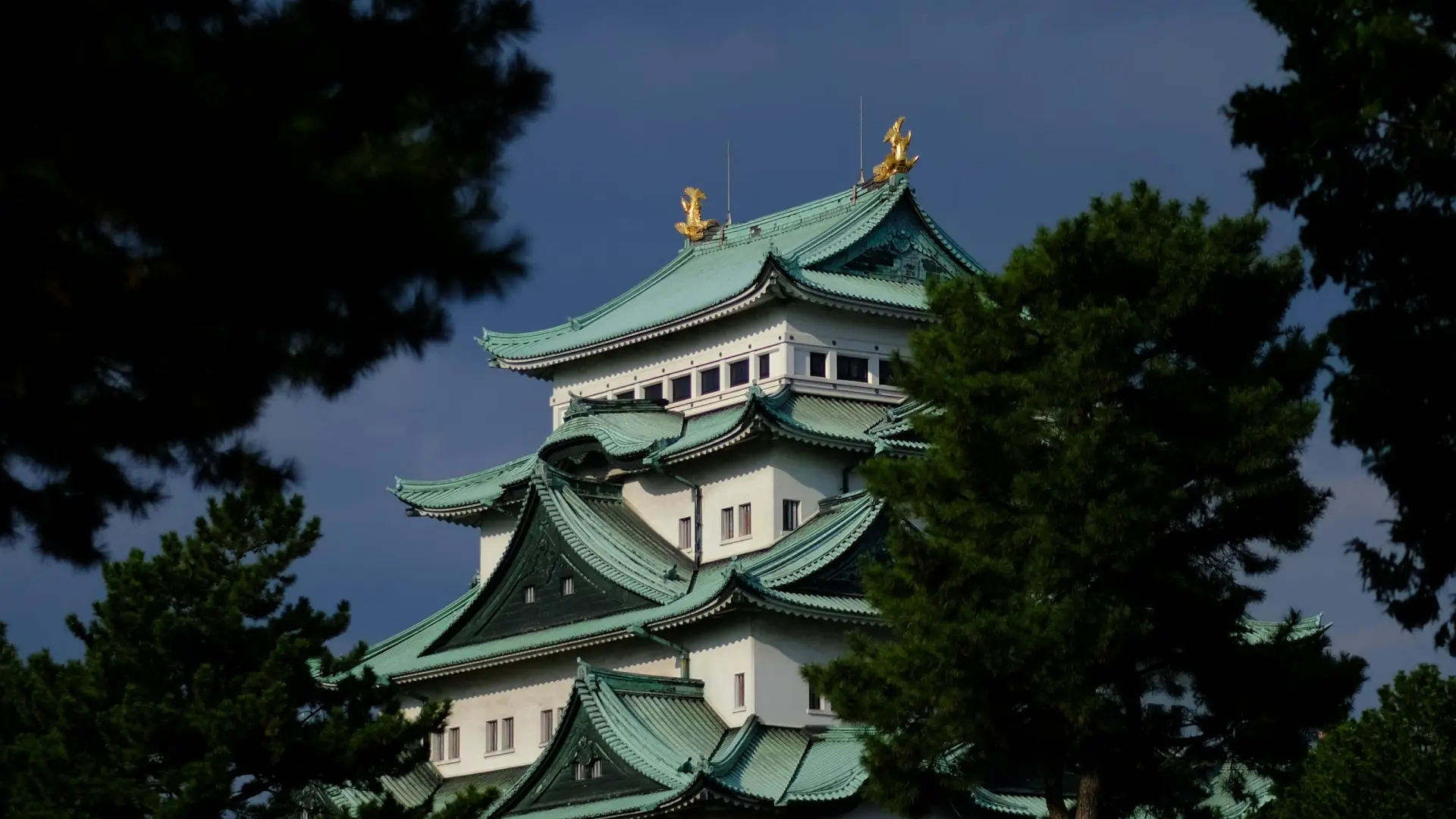
犬山祭The Inuyama Festival is a celebration of mechanical ingenuity and communal devotion staged against the backdrop of Japan's oldest surviving castle. Each April, thirteen towering yama, festival floats standing over eight meters tall, are drawn through the narrow streets of the castle town by teams of residents whose families have performed this service for generations. The floats, three-tiered structures of lacquered wood, embroidered textiles, and gilded ornament, carry on their upper platforms karakuri ningyo, mechanical puppets whose performances of acrobatic feats, costume changes, and dramatic vignettes represent one of the highest achievements of pre-industrial Japanese engineering.
The festival is a UNESCO Intangible Cultural Heritage, recognized alongside the Takayama Festival and other float processions as part of the broader tradition of yama, hoko, and yatai festivals that constitutes one of Japan's most significant cultural practices. What distinguishes the Inuyama Festival within this tradition is the intimacy of the setting: the castle town's narrow streets compress the floats and the spectators into a proximity that makes the experience intensely physical, the towering yama passing close enough to touch, the sound of their wooden wheels on stone pavement felt as much as heard.
The evening transformation of the festival, when 365 paper lanterns are mounted on each float and the procession continues through the darkened streets, produces one of the most atmospheric nighttime spectacles in central Japan. The lantern-lit floats, their illuminated surfaces swaying gently as they move through the dark, create a mobile constellation that seems to blur the boundary between the terrestrial and the celestial, the warm glow of the paper lanterns softening every surface and casting shadows that dance across the castle town's timber facades.
The Inuyama Festival is a celebration of mechanical ingenuity and communal devotion staged against the backdrop of Japan's oldest surviving castle.
History & Significance
The Inuyama Festival traces its origins to 1635, when the lord of Inuyama Castle authorized the Haritsuna Shrine festival and the construction of the first yama floats. The tradition developed through the Edo period as the castle town's neighborhoods competed to produce floats of increasing elaboration, commissioning the finest carvers, lacquerers, embroiderers, and karakuri engineers to create vehicles that expressed the wealth, taste, and technical ambition of their communities. The karakuri tradition, which reached its most sophisticated expression in the Owari region of which Inuyama is a part, produced puppets of extraordinary mechanical complexity, their movements powered by springs, weights, and gear mechanisms that anticipated industrial engineering by centuries.
The festival survived the abolition of the feudal system, the disruptions of war, and the demographic changes of the postwar era through the commitment of the thirteen neighborhoods whose identity is bound to their respective floats. Each yama is stored, maintained, and processed by a specific chonai, and the responsibility for its preservation passes through families as an obligation and a privilege. The restoration of deteriorating floats, the training of new karakuri operators, and the renewal of textiles and lacquerwork represent a continuous investment of labor and resources that ensures the festival remains a living tradition rather than a historical reconstruction.
What to Expect
The daytime procession begins in the late morning, with the thirteen yama drawn from their storehouses through the castle town streets to the grounds of Haritsuna Shrine. The route passes through the Honmachi merchant district, where the narrow streetscape concentrates the visual impact of the floats and allows close observation of their ornamental detail. The karakuri performances take place at designated stopping points along the route, the upper-platform puppets executing their programmed routines to the accompaniment of flute and drum. Each float's karakuri presents a different scene, from the legendary to the comedic, and the skill of the operators, who manipulate the puppets' mechanisms from within the float using systems of strings and levers, is evident in the smoothness and expressiveness of the movements.
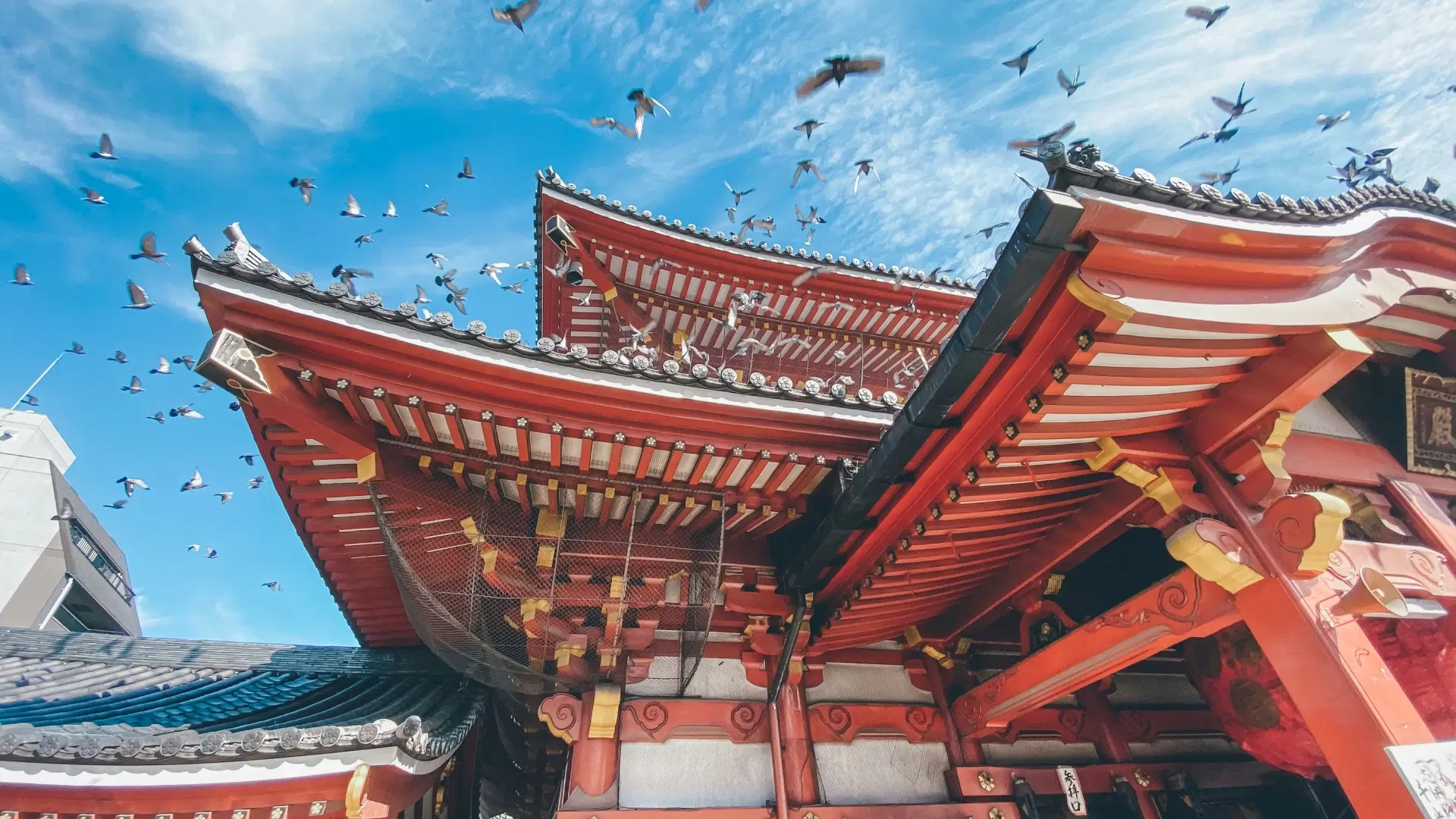
The shrine precincts provide the staging area where all thirteen floats gather, and the sight of the assembled yama, their combined height and ornamental density creating a temporary architectural ensemble, is one of the festival's most impressive moments. The gathering allows visitors to move between the floats and examine the details of their construction: the carved panels depicting mythological scenes, the embroidered draperies whose silk threads catch the light, the lacquered surfaces whose depth of color reveals years of careful application and polishing.
The evening procession, beginning at dusk, transforms the festival entirely. The 365 lanterns attached to each float are lit individually, a process that takes considerable time and builds anticipation as the warm glow gradually suffuses each yama. The procession through the darkened streets, the floats swaying gently on the uneven pavement, their lanterns reflected in the windows of the castle town houses, produces an atmosphere of extraordinary beauty and reverence that many visitors describe as the highlight of the festival and one of the most memorable experiences of the Japanese festival calendar.