Nagoya
名古屋Nagoya is the city that Japan built things with. The capital of Aichi Prefecture and the center of the Chubu industrial region, this metropolis of 2.3 million inhabitants has shaped the material culture of modern Japan more profoundly than any city except Tokyo, producing the automobiles, ceramics, textiles, and machinery that powered the nation's transformation from feudal society to industrial superpower. Yet Nagoya's identity as a manufacturing capital has obscured a cultural depth that predates the factory era by centuries: this was the seat of the Owari Tokugawa, the most senior branch of the shogunal family, and the castle, gardens, shrines, and craft traditions they patronized rival those of any city in the country.
Nagoya Castle, crowned by its golden shachi, the dolphin-like fish ornaments that have become the city's symbol, anchors the urban landscape both physically and historically. The original tenshu, completed in 1612 as a statement of Tokugawa authority, was destroyed in the air raids of 1945, and its concrete reconstruction of 1959 has long been a source of local ambivalence. The current project to rebuild the tenshu entirely in timber, using traditional construction methods and materials, represents one of the most ambitious architectural restorations in Japanese history and a statement about the city's relationship to its past: that authenticity matters more than convenience, and that the skills required to build a castle are themselves a form of cultural heritage worth preserving.
Beyond the castle, Nagoya reveals itself as a city of surprising cultural range. The Atsuta Shrine, one of the most sacred Shinto sites in Japan and the repository of the Kusanagi no Tsurugi, one of the three Imperial Regalia, predates the castle by a millennium. The Tokugawa Art Museum houses one of the finest collections of samurai-era art and artifacts in the world, including the oldest surviving illustrated scroll of The Tale of Genji. And the city's culinary traditions, collectively known as Nagoya meshi, constitute a regional cuisine so distinctive and so beloved that it has become a cultural export, its flavors shaping dining culture across the Chubu region.
Nagoya is the city that Japan built things with.
Highlights
Nagoya Castle and its Honmaru Palace represent the city's most significant cultural achievement and its most ambitious ongoing project. The Honmaru Palace, painstakingly reconstructed over a decade using traditional materials and techniques, reopened in 2018 as one of the most faithful historical reconstructions in Japan. Its rooms progress from the formal reception hall through increasingly private and elaborate chambers, their painted fusuma panels depicting tigers, leopards, pine trees, and mythological scenes with a vibrancy that communicates the artistic confidence of the early Edo period. The craftsmanship of the reconstruction, from the hand-carved transom panels to the gold leaf applied to the ceiling of the Jorakuden, the shogun's personal audience room, demonstrates that the artisan skills of the Edo period can still be summoned when the commitment to authenticity is genuine.
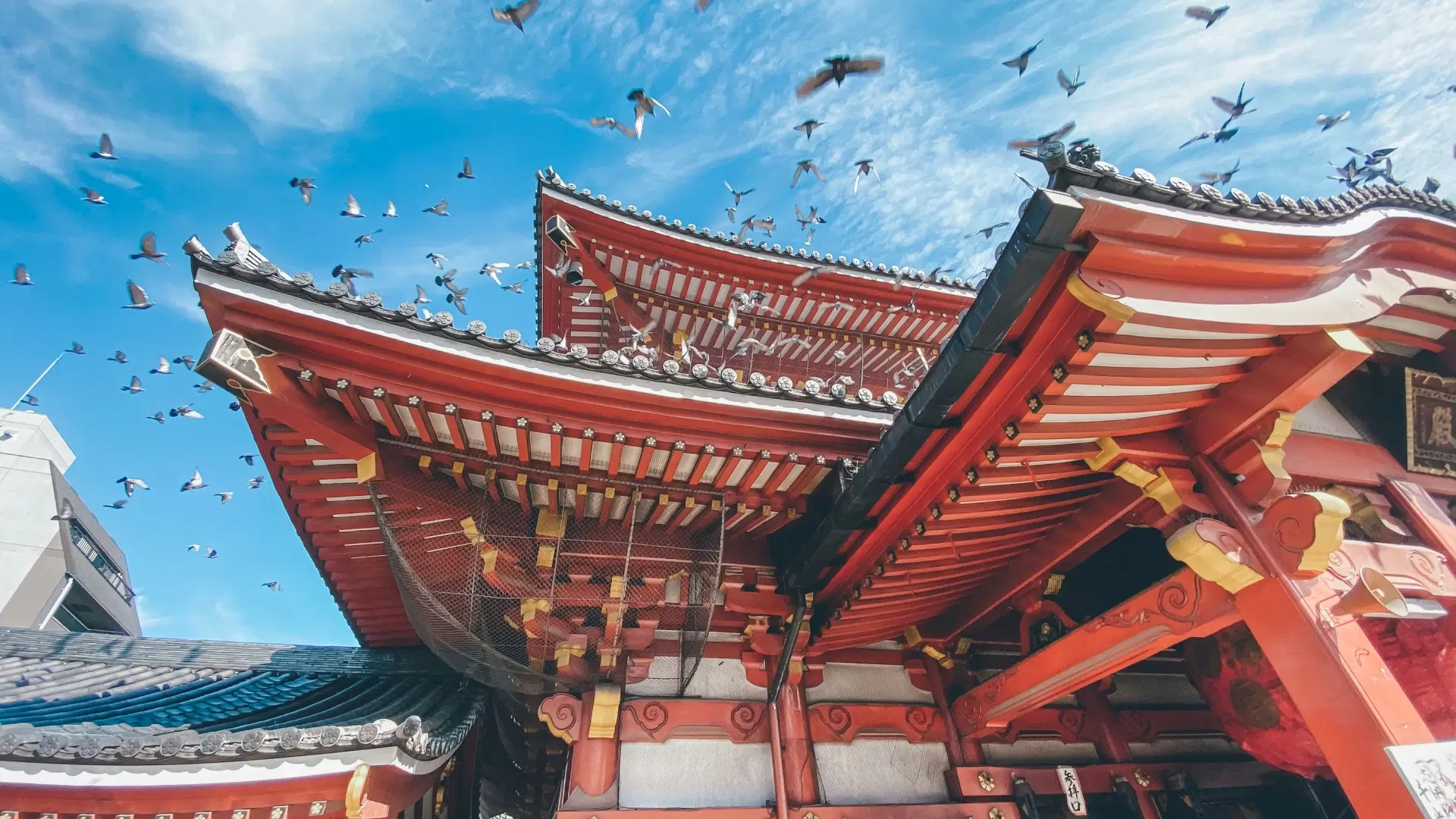
The Atsuta Shrine, set within a forest of ancient camphor trees in the southern part of the city, is one of the most important Shinto institutions in Japan, ranking just below Ise in the hierarchy of national shrines. The shrine's precincts, serene and heavily wooded despite their urban location, provide a spiritual counterweight to the commercial energy of the surrounding city, and the walk along the tree-lined approach path, the gravel crunching underfoot and the light filtering through the canopy above, produces a transition from the secular to the sacred that is among the most effective in Japanese shrine architecture.
The Tokugawa Art Museum, located in the former gardens of the Owari Tokugawa estate, houses over ten thousand objects collected by the clan across three centuries, including armor, swords, tea ceremony utensils, Noh costumes, and the celebrated Genji Monogatari Emaki, the twelfth-century illustrated scrolls of The Tale of Genji that are designated National Treasures. The adjacent Tokugawa Garden, a daimyo strolling garden of exceptional beauty, provides the setting for these collections, its central pond, waterfalls, and meticulously maintained plantings offering a living example of the aesthetic sensibility that produced the objects on display within the museum.
Culinary Scene
Nagoya meshi, the collective term for the city's distinctive regional cuisine, is one of the most robust and recognizable food cultures in Japan, its flavors built on a foundation of red miso, a dark, intensely savory fermented soybean paste that gives Nagoya cooking its characteristic depth and color. Miso-katsu, a thick pork cutlet draped in a rich red miso sauce, is the most iconic preparation, its combination of crispy, juicy pork and the dense, slightly sweet miso creating a flavor that is unapologetically bold. Miso-nikomi udon, thick wheat noodles simmered directly in red miso broth in an individual clay pot, is the winter comfort food par excellence, its bubbling, aromatic arrival at the table a promise of warmth that the dish invariably fulfills.
Hitsumabushi, grilled eel served over rice in a lacquered wooden container, is Nagoya's most refined contribution to the national table. The preparation divides the eel into three portions, each eaten differently: the first plain, to appreciate the quality of the fish and the caramelization of the glaze; the second with condiments of wasabi, nori, and green onion; the third as ochazuke, with dashi broth poured over the rice and eel to create a fragrant soup. This progression, from simplicity through complexity to comfort, creates a dining narrative within a single meal that is uniquely satisfying and that reveals the thoughtfulness underlying Nagoya's apparently hearty cuisine.
The morning culture of Nagoya, expressed through the tradition of morning service, is one of the city's most endearing customs. At kissaten throughout the city, the order of a single cup of coffee brings with it a complimentary breakfast of thick toast, hard-boiled eggs, and small salad, a generosity that reflects the Nagoya temperament and that has sustained a coffee-house culture of remarkable depth and longevity. Komeda Coffee, the chain that originated in Nagoya and has since spread nationally, built its empire on this tradition, but the independent kissaten of the older neighborhoods remain the most atmospheric places to experience it.