Okazaki
岡崎Okazaki is the birthplace of Tokugawa Ieyasu and, by extension, the cradle of the political order that governed Japan for two and a half centuries. This city of roughly 380,000 inhabitants, situated along the Yahagi River in the central part of Aichi Prefecture, carries the weight of that history in its castle, its shrines, its fireworks tradition, and the miso-making industry that has operated continuously here since the Edo period. Okazaki is not a city that wears its significance lightly, but neither does it reduce itself to a single narrative. The layers of culture that accumulated around the Tokugawa connection have produced a place of genuine depth, where samurai heritage, artisan traditions, and the rhythms of an ordinary Japanese city coexist in a manner that feels organic rather than constructed.
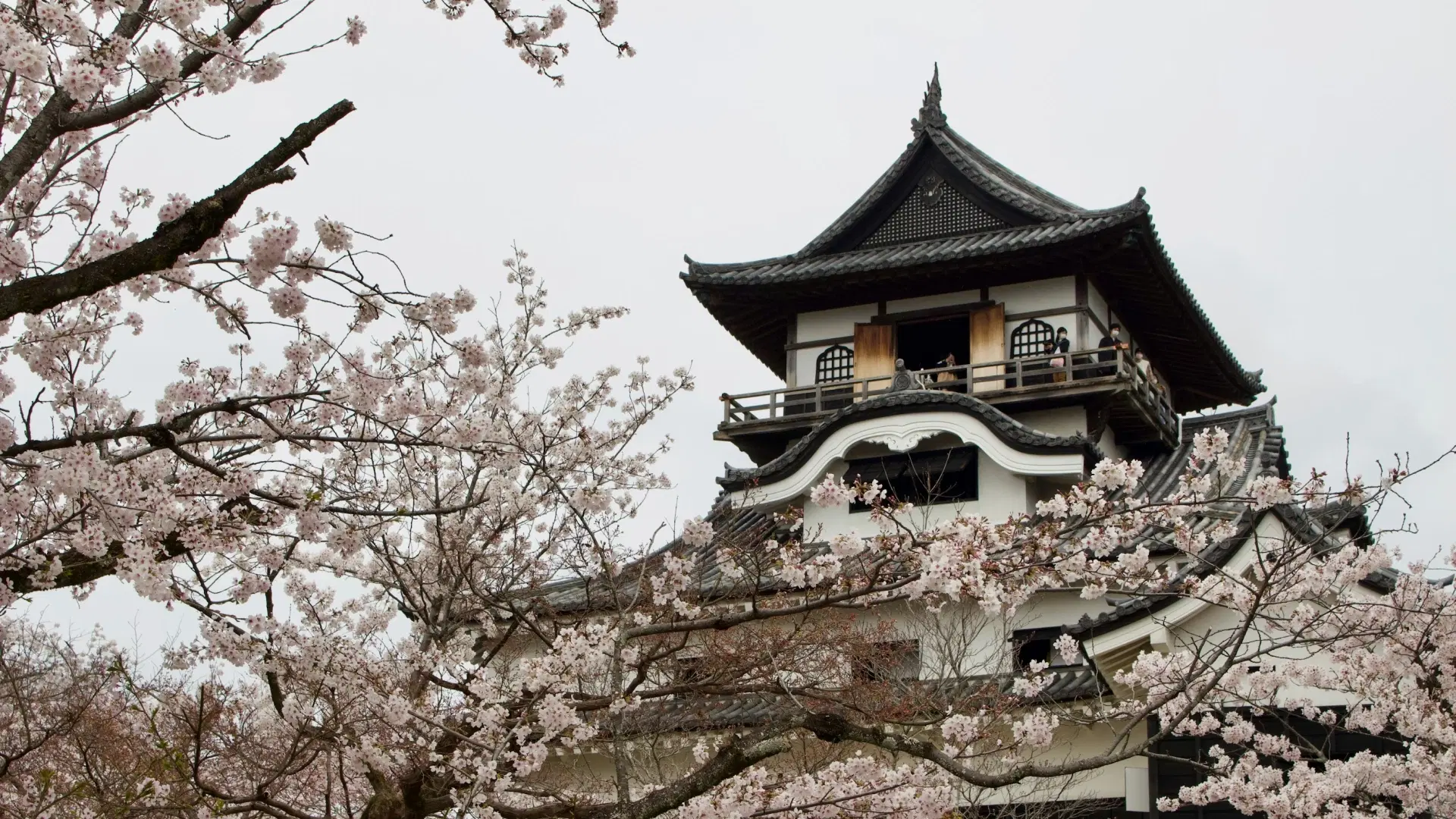
Okazaki Castle, where Ieyasu was born in 1542, stands at the center of a park that doubles as the city's primary public space and its most important historical site. The castle has been reconstructed in concrete, as have most of Japan's postwar castle rebuildings, but the grounds, with their moats, stone walls, and mature trees, retain the spatial character of the original fortification, and the park's role as a gathering place for festivals, cherry blossom viewing, and daily recreation gives the historical site a living dimension that purely museological preservation cannot achieve.
The Hatcho miso tradition that Okazaki has sustained for over six hundred years represents one of the most remarkable examples of artisan continuity in Japanese food culture. Two producers, Kakukyu and Maruya Hatcho Miso, both located within the historic district near the castle, continue to make this dense, dark, intensely savory fermented soybean paste using methods that have changed little since the medieval period: soybeans, salt, and water, packed into massive cedar vats and weighted with river stones, fermented for a minimum of two summers and two winters. The result is a miso of extraordinary complexity, its flavor deeper and more concentrated than the lighter varieties that dominate the national market, and its role in Nagoya meshi cuisine, from miso-katsu to miso-nikomi udon, makes it the foundational ingredient of the regional palate.
Okazaki is the birthplace of Tokugawa Ieyasu and, by extension, the cradle of the political order that governed Japan for two and a half centuries.
Highlights
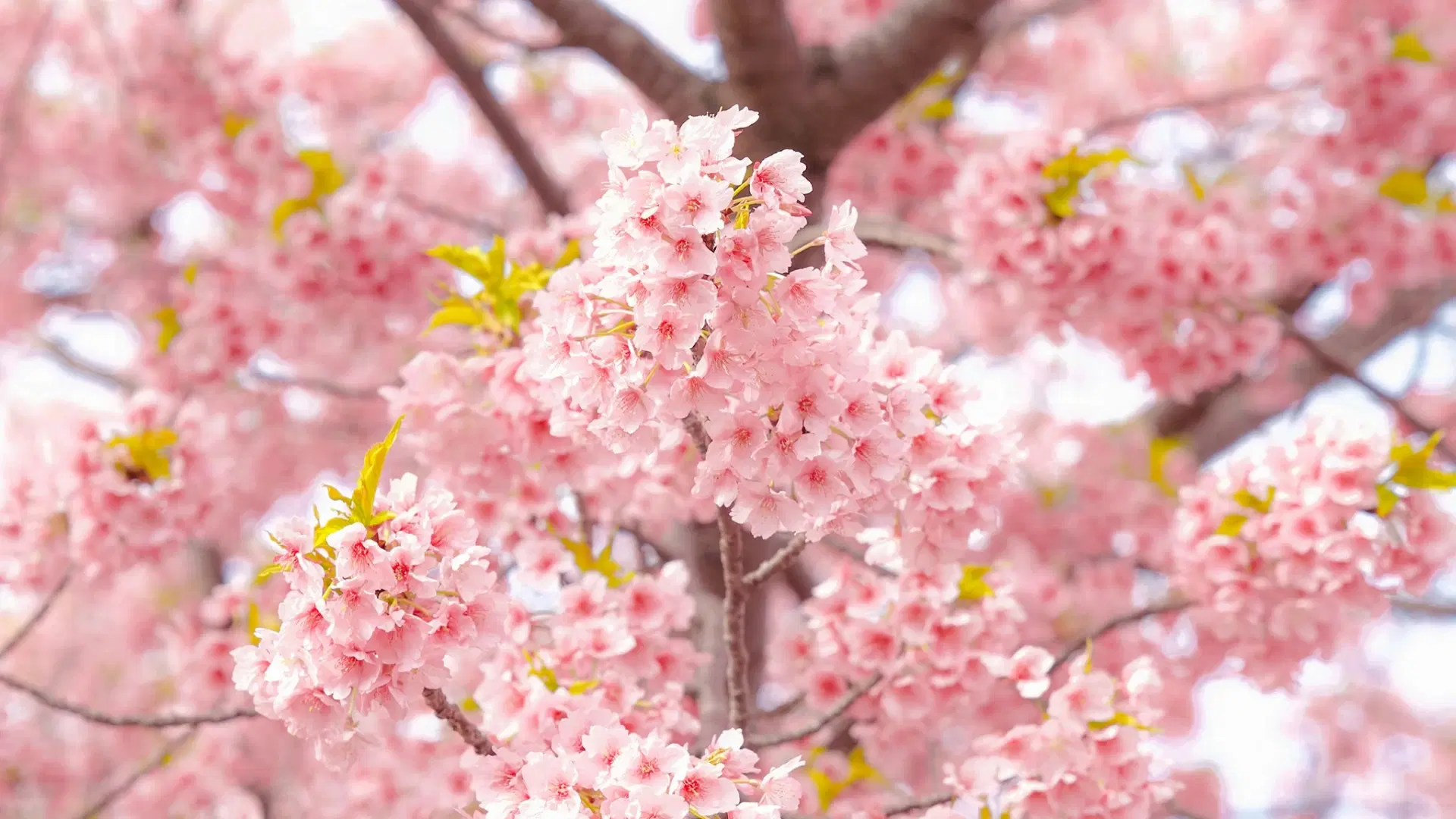
Okazaki Castle Park is the city's geographic and historical center, its grounds encompassing the reconstructed castle, several shrines and temples, a history museum, and the extensive parkland that draws residents and visitors throughout the year. The castle's museum documents the Tokugawa legacy with particular attention to Ieyasu's early years in Okazaki and the political strategy that eventually brought the entire nation under Tokugawa rule. The park is one of the finest cherry blossom viewing sites in Aichi Prefecture, its approximately eight hundred trees creating a canopy of pink along the Otogawa River that flows through the grounds, and the evening illumination during peak bloom produces yozakura scenes of genuine beauty.
The Hatcho miso breweries, Kakukyu and Maruya, offer factory tours that rank among the most fascinating artisan experiences in the Chubu region. The production facilities, housed in buildings that have themselves become historical landmarks, contain rows of massive cedar vats, each standing over two meters tall and weighted with precisely arranged pyramids of river stones that provide the pressure necessary for the long fermentation. The scale is impressive, but it is the time that truly astonishes: each vat represents a minimum of two years of patient transformation, the soybeans slowly darkening and intensifying under the weight of stone and the passage of seasons. The tasting rooms at both breweries offer opportunities to compare different ages and preparations, revealing the range of expression that this apparently simple product can achieve.
The Great Fireworks of Okazaki, held along the Otogawa River in early August, is one of the most spectacular pyrotechnic displays in central Japan. The tradition dates to the Edo period, when fireworks were produced locally as a byproduct of the gunpowder industry, and the event has grown into a major summer festival that draws hundreds of thousands of spectators to the riverbanks. The proximity of the launch site to the viewing areas, the reflections in the river, and the historical connection between the fireworks and the city's industrial heritage give the event a character that distinguishes it from the larger but less intimate displays of the major cities.
Culinary Scene
Okazaki's culinary identity is built on Hatcho miso, the dark, intensely flavored fermented soybean paste that has been produced here for over six centuries and that forms the backbone of the regional cuisine. The miso's depth and complexity, products of its extended fermentation, give it a range of application that lighter miso varieties cannot match: as a sauce for grilled tofu and dengaku, as the braising liquid for miso-nikomi udon, as the coating for miso-katsu, and as the base for soups and stews whose richness seems disproportionate to the simplicity of their ingredients. Tasting Hatcho miso at the source, in the breweries where it is made, reveals a product far more nuanced than the bottled versions available elsewhere, its flavor carrying notes of dark chocolate, aged cheese, and the particular earthiness of long-fermented soybean.
The city's proximity to the Mikawa Bay coast provides access to seafood that balances the intensity of the miso-based dishes. Eel, prepared in the kabayaki style that the Chubu region has refined to a high art, is a particular strength, the rich, sweet-savory glaze complementing the fish's fatty flesh in a preparation that pairs naturally with the region's robust flavors. The local udon tradition, featuring thick, chewy noodles served in various preparations both hot and cold, provides a more quotidian but equally satisfying expression of the Okazaki table.
Okazaki's traditional confections, many of them incorporating Hatcho miso or local ingredients, offer a sweet counterpoint to the savory intensity of the regional cuisine. The city's wagashi shops, several of which have operated for generations, produce seasonal sweets that reflect the same attention to ingredient quality and seasonal timing that characterizes the miso production, creating a continuity between the savory and sweet dimensions of the local palate.
Ryokans in Aichi
There are no ryokans in our guide listed in Okazaki. See our selection across Aichi.
View ryokans in Aichi