Shizuoka City
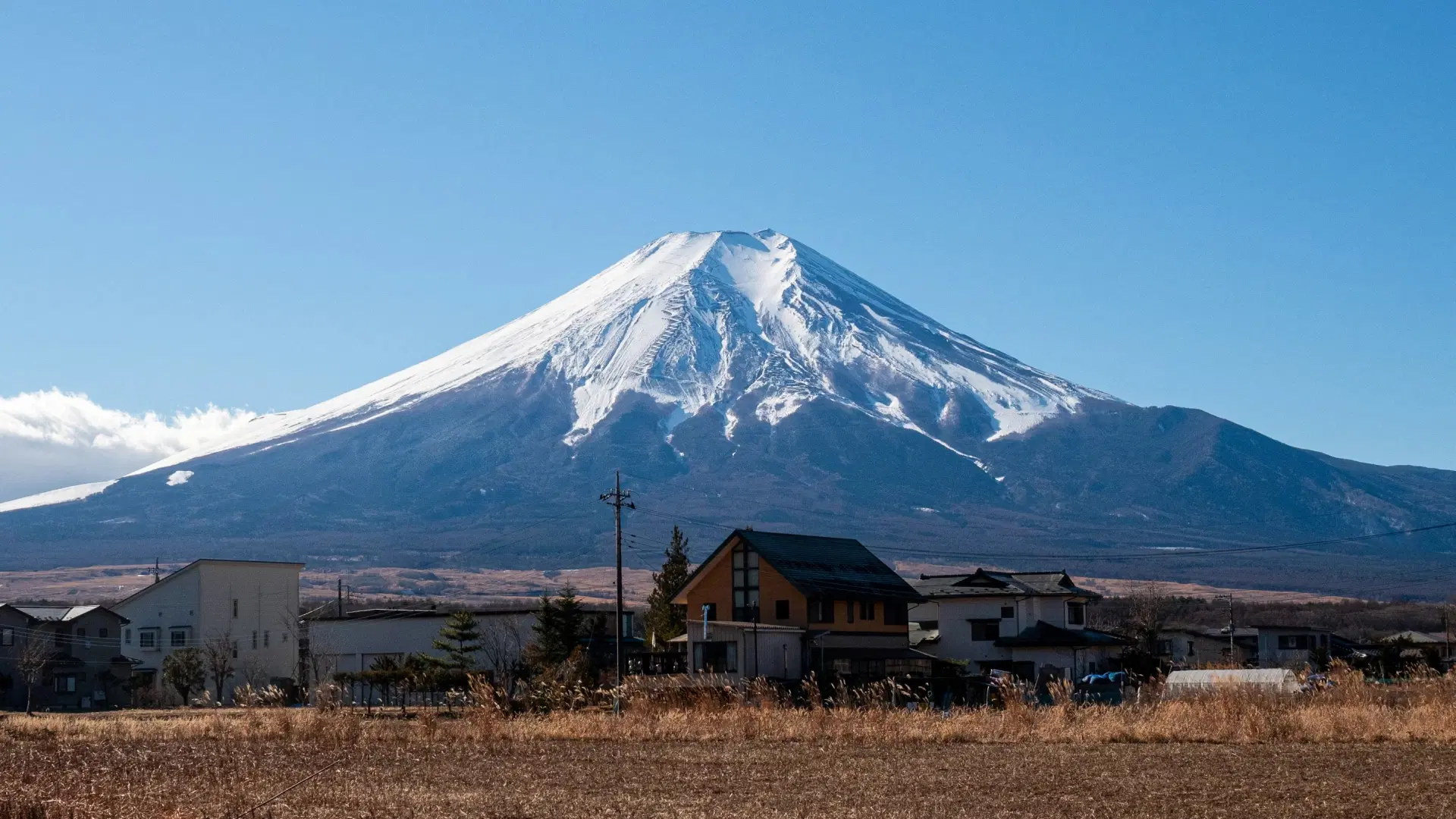
静岡市Shizuoka City lives in the shadow of Fuji, and this is not a metaphor. The prefectural capital of roughly 690,000 inhabitants occupies a coastal plain and the foothills behind it from which, on clear mornings, the volcanic cone of Mount Fuji rises to the northwest with a proximity and scale that reduce even the most seasoned observer to silence. The relationship between city and mountain is not incidental but defining: Fuji's presence shapes the visual experience of daily life, the snowmelt feeds the rivers that irrigate the tea plantations, and the volcanic soil that descended from the mountain's flanks millennia ago provides the mineral-rich ground in which the world's finest green tea is cultivated.
Shizuoka's identity as the capital of Japanese tea culture is not a marketing claim but a matter of agricultural fact. The prefecture produces roughly forty percent of Japan's tea, and the plantations that carpet the hillsides above the city, their immaculate hedgerows of brilliant green descending in geometric patterns toward the plain, constitute one of the most beautiful agricultural landscapes in the country. The tea produced here, from the first-flush shincha of April and May through the roasted hojicha and powdered matcha of later harvests, defines the national palate for green tea and sustains an industry whose economic and cultural significance to the region is difficult to overstate.
The city's historical weight matches its agricultural importance. Shizuoka was the seat of Tokugawa Ieyasu, the founder of the Tokugawa shogunate, who chose this mild-climated, strategically positioned city as his retirement domain, and the Sunpu Castle ruins at the city center preserve the grounds from which one of history's most consequential rulers governed in his final years. The Kunozan Toshogu shrine, Ieyasu's original mausoleum perched on a clifftop above Suruga Bay, predates the more famous Nikko Toshogu and surpasses it, many argue, in the beauty of its architectural detail and the drama of its setting.
Shizuoka City lives in the shadow of Fuji, and this is not a metaphor.
Highlights
The Kunozan Toshogu shrine is Shizuoka's most extraordinary cultural site, a masterwork of early Edo-period architecture positioned on a clifftop that commands sweeping views of Suruga Bay and, on clear days, the coast stretching south toward Izu. Tokugawa Ieyasu was first enshrined here in 1617, one year after his death, before the construction of the more famous Nikko complex, and the shrine's carved and painted surfaces, executed in the ornate Gongen-zukuri style that Ieyasu's grandson would later amplify at Nikko, retain a freshness of color and precision of detail that reward the closest inspection. The approach from below, up 1,159 stone steps through a forest of ancient cedars, is itself a pilgrimage, the physical effort of the climb preparing the visitor for the visual richness that awaits at the summit.
The Nihondaira plateau, accessible by ropeway from Kunozan Toshogu or by road from the city, provides what many consider the finest single view in Japan: Mount Fuji, Suruga Bay, the Izu Peninsula, the tea plantations, and the city spread below in a single panoramic composition that encompasses the defining elements of the Japanese landscape. The recently rebuilt Nihondaira Yume Terrace, a contemporary observation facility designed to frame these views, offers both indoor and outdoor vantage points and a cafe from which the scene can be absorbed at leisure.
Sunpu Castle Park, in the heart of the city, preserves the moats and grounds of Ieyasu's retirement residence. The reconstructed Tatsumi Yagura and Higashi Gomon gate provide architectural context, but the park's primary function is as a public green space whose cherry blossoms in spring, manicured gardens, and proximity to the city's commercial center make it the living room of Shizuoka. The Shizuoka Prefectural Museum of Art, overlooking the park, houses a collection of Rodin sculptures alongside Japanese works, an unexpected pairing that reflects the city's quiet cosmopolitanism.
Culinary Scene
Tea defines Shizuoka's culinary identity as fundamentally as fish defines the coastal towns to the south. The matcha, sencha, and gyokuro produced in the surrounding plantations are not merely beverages but the foundation of a culinary ecosystem that includes tea-flavored sweets, tea-infused soba, matcha ice cream, and the tea ceremony traditions practiced at the city's numerous chashitsu. The shincha of late April and early May, the year's first harvest, is awaited with an anticipation that approaches reverence, and tasting freshly processed shincha at one of the city's tea shops, its vivid green color and intensely vegetal, slightly sweet flavor capturing the essence of spring itself, is one of Shizuoka's defining culinary experiences.
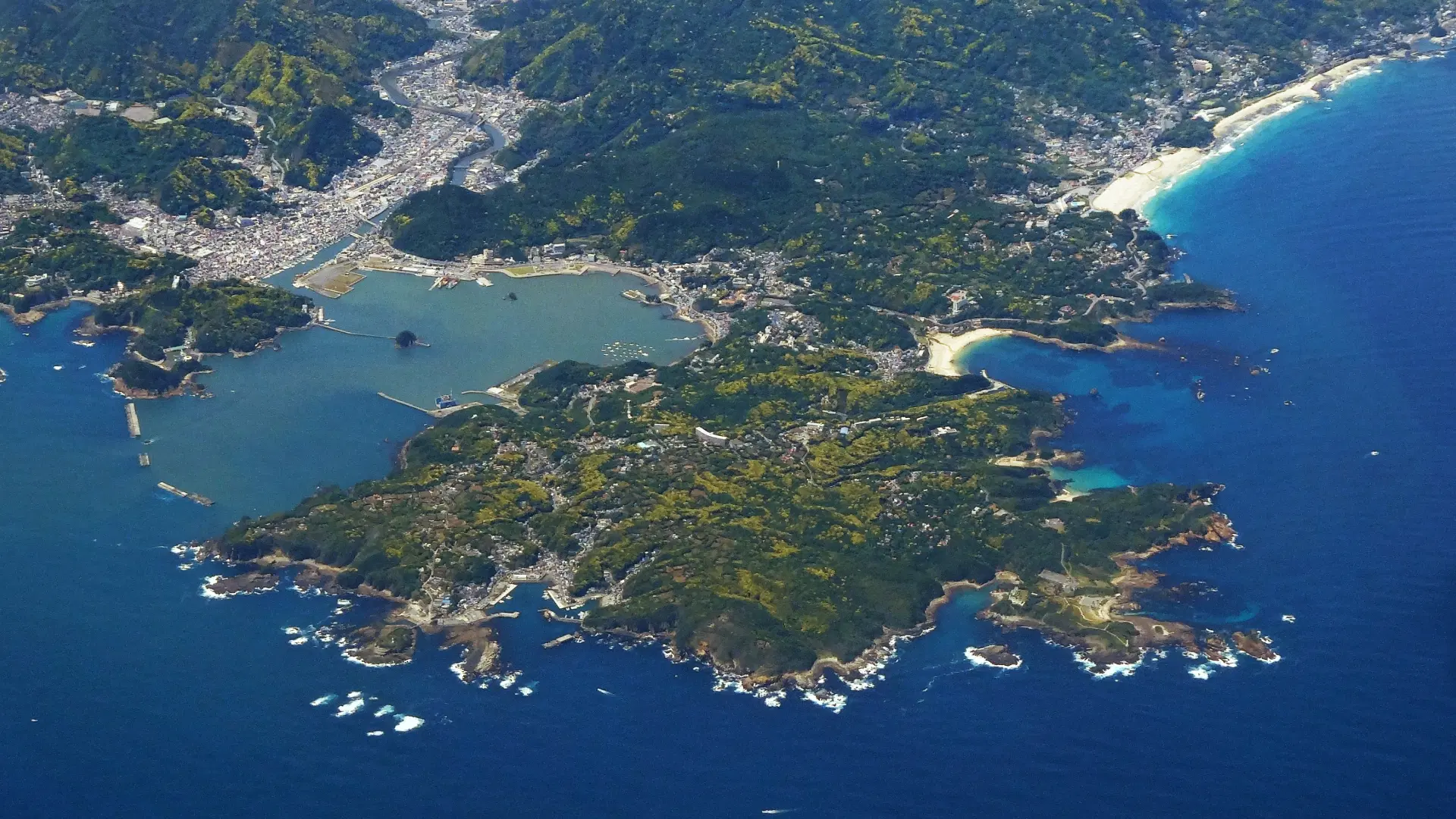
Suruga Bay, one of the deepest bays in Japan, provides seafood whose variety and freshness rival any port on the Pacific coast. Sakura ebi, the tiny pink shrimp harvested from the bay's deep waters and available fresh only here and in limited quantities, are Shizuoka's most exclusive marine ingredient, served raw as sashimi, fried as kakiage, or dried and sprinkled over rice. Shirasu, the whitebait caught in enormous quantities in Suruga Bay, appear at breakfast tables throughout the city, their delicate brininess complementing rice, tofu, and the morning's first cup of green tea. The Shimizu Fish Market, located at the city's port district, offers the full range of the bay's catch and a row of sushi restaurants whose quality and value have made them destinations in their own right.
Shizuoka oden, a local variation of the simmered-dish tradition, features dark beef-broth base and black hanpen fish cake, the ingredients skewered on bamboo sticks and served from bubbling communal pots at the Aoba Oden Street, a row of tiny stalls near the station that has been serving workers, students, and visitors for generations.