Shimizu Port Tuna Festival
清水港マグロまつりThe Shimizu Port Tuna Festival celebrates the catch that has defined this harbor city's identity for generations, a day of spectacle and gastronomy centered on the bluefin, yellowfin, and bigeye tuna that arrive at Shimizu's docks in quantities that make it one of Japan's most important tuna ports. The festival brings the normally closed world of the commercial fish market into public view, its centerpiece the maguro kaitai show, a traditional tuna-cutting demonstration in which a massive whole fish, sometimes exceeding two hundred kilograms, is broken down by master cutters wielding specialized knives with a precision and theatrical flair that transforms butchery into performance art.
The tuna-cutting demonstration is a window into a craft tradition that extends back centuries in Japan's fishing ports. The cutter's knives, some nearly a meter long, are purpose-built instruments whose shapes and edge profiles correspond to specific phases of the breakdown process, from the initial cuts that separate the head and tail to the final slicing that reveals the blocks of ruby-red flesh in their various grades of quality. The audience watches as the anatomy of a fish they know only as sashimi on a plate is revealed in its full biological complexity, the layers of muscle, fat, and sinew mapped by the cutter's knowledge into the commercial categories, akami, chutoro, otoro, that organize the Japanese understanding of tuna quality.
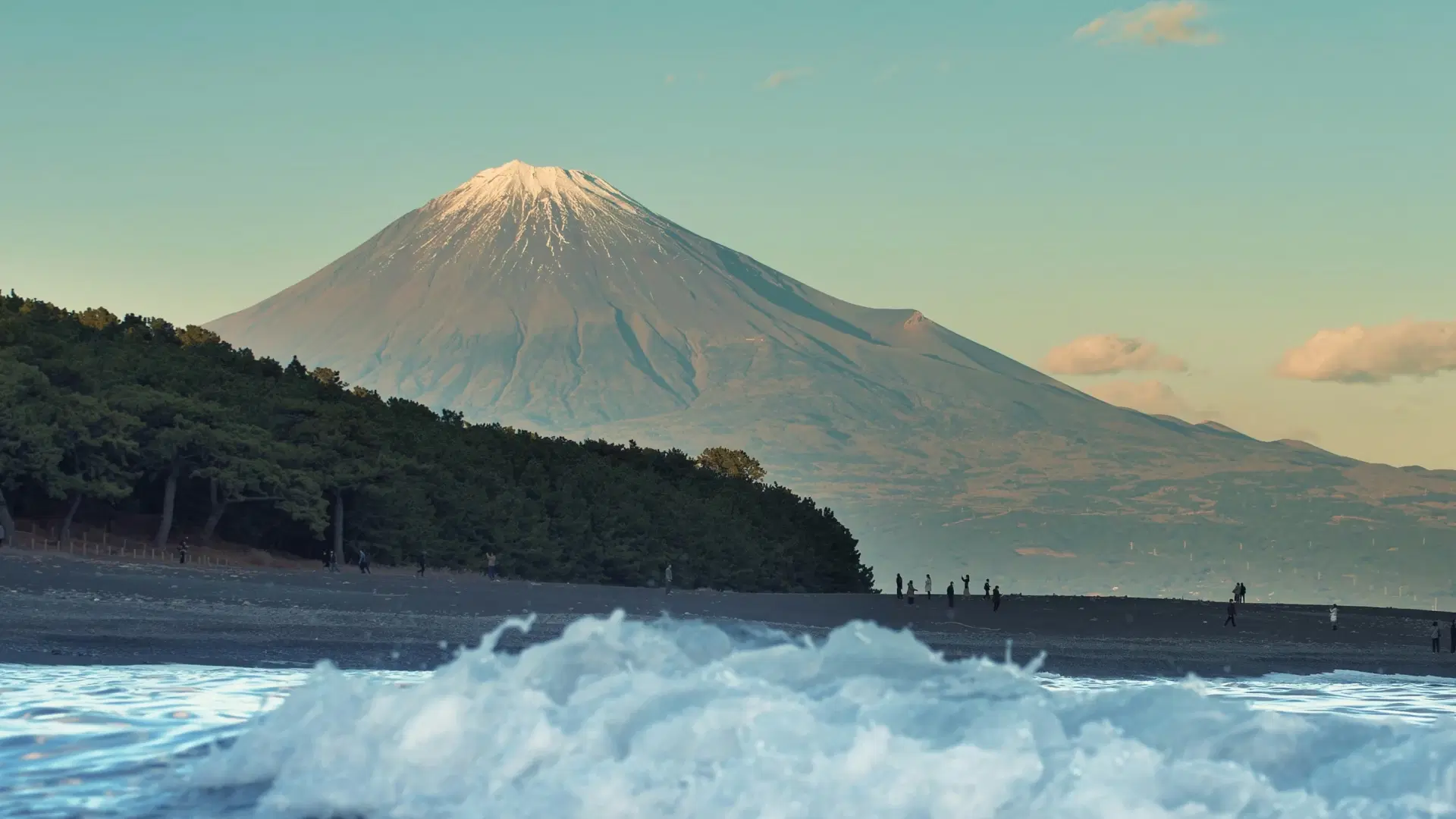
Beyond the demonstration, the festival is an occasion to eat tuna in preparations and quantities unavailable at any restaurant, at prices that reflect the absence of the supply chain's usual intermediaries. Freshly cut sashimi, grilled tuna steaks, tuna rice bowls heaped with glistening slices, and more inventive preparations that showcase parts of the fish rarely seen in retail settings are available from stalls and temporary restaurants set up along the waterfront. The proximity to the fishing boats, the smell of the harbor, and the sight of Mount Fuji across Suruga Bay provide the setting in which this most Japanese of seafood experiences takes on its fullest meaning.
The Shimizu Port Tuna Festival celebrates the catch that has defined this harbor city's identity for generations, a day of spectacle and gastronomy centered on the bluefin, yellowfin, and bigeye tuna that arrive at Shimizu's docks in quantities that make it one of Japan's most important tuna ports.
History & Significance
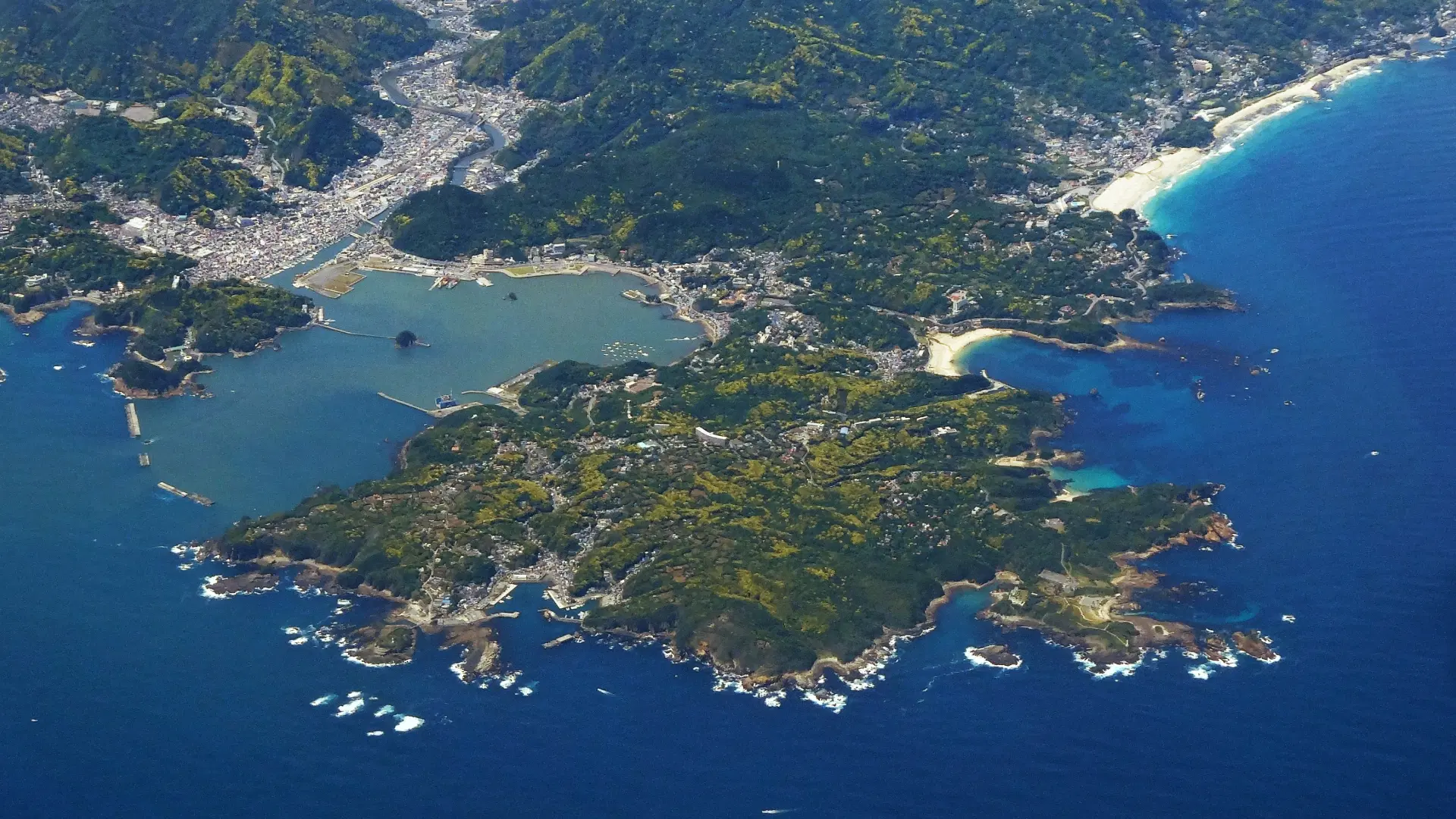
Shimizu's identity as a tuna port dates to the Meiji era, when the harbor's deep natural channel and proximity to the rich fishing grounds of Suruga Bay positioned it as a center for the tuna fleet that supplied the growing demand of Japan's modernizing cities. The port grew through the twentieth century into one of the country's major tuna landing sites, its cold storage facilities, processing plants, and distribution networks forming the infrastructure through which Pacific tuna reached the markets and sushi counters of Tokyo, Osaka, and beyond. The merger of Shimizu with Shizuoka City in 2003 did not diminish the port's distinct identity; if anything, it concentrated the community's attachment to the fishing heritage that distinguished Shimizu from its larger administrative partner.
The Tuna Festival emerged as a public celebration of this heritage, an annual occasion for the fishing industry to open its doors and share the skills, traditions, and products that sustain the port's economy and culture. The maguro kaitai show, which draws on demonstration techniques practiced at fish markets for the education of buyers and apprentices, was adapted for a general audience, its combination of culinary skill and theatrical presentation proving irresistible to visitors whose daily relationship with tuna extends no further than the display case of their local supermarket. The festival has grown steadily, its reputation spreading through food media and word of mouth to draw visitors from across the region.
What to Expect
The tuna-cutting demonstration is the festival's marquee event, drawing crowds that gather well before the scheduled start time to secure viewing positions around the cutting stage. The master cutter, often a veteran of decades of market work, narrates the process as the knife moves through the fish, explaining the anatomy and the grading system that determines how each section will be valued and consumed. The first cut, which opens the fish's belly to reveal the fatty toro section, draws an audible reaction from the crowd, the marbled flesh so visually distinct from the lean akami that the basis of the price differential is immediately, viscerally understood. Portions of the freshly cut fish are distributed or sold to attendees, and the opportunity to eat tuna that was part of a whole fish moments ago represents a freshness impossible to replicate in any restaurant.
The waterfront stalls offer the festival's broadest culinary experience. Maguro-don, rice bowls topped with generous portions of sashimi-grade tuna, are the staple, but more adventurous preparations reward the curious eater. Tuna cheek, grilled until the collagen-rich flesh turns tender and caramelized, is a delicacy available almost exclusively at port festivals. Negitoro, the minced fatty tuna traditionally scraped from the bones, appears in handrolls and over rice in preparations that celebrate the parts of the fish that the premium-cut market overlooks. Local fishermen's wives offer home-style preparations, stewed tuna, tuna croquettes, and pickled preparations, that reveal the depth of the port community's relationship with the fish that sustains it.
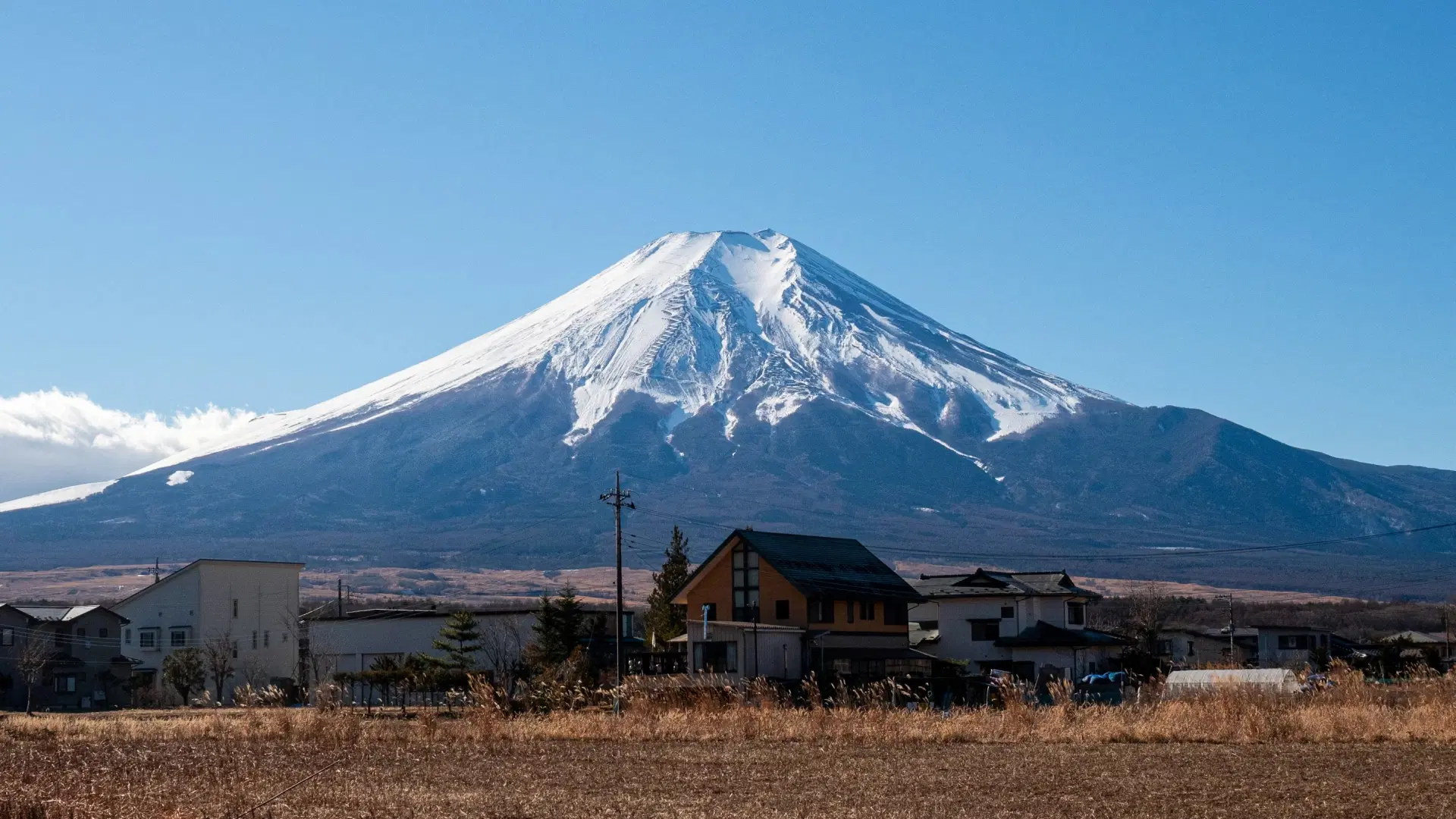
The harbor setting provides the context that elevates the festival from a food event to a cultural experience. The fishing boats moored at the docks, the processing facilities visible across the quay, and the working atmosphere of a commercial port in its quieter weekend mode create an environment of authenticity that food halls and restaurant districts cannot replicate. On clear October days, Mount Fuji rises above Suruga Bay to the northwest, its early snow catching the autumn light, and the conjunction of the mountain, the sea, and the fish drawn from the waters between them composes a scene that captures something essential about the relationship between Japan's landscape and its table.