Shuzenji
修善寺Shuzenji is a hot spring town that carries thirteen centuries of history within a valley so compact that the entirety of its charm can be walked in an afternoon, yet so layered that weeks would not exhaust its resonance. Set along the Katsura River in the heart of the Izu Peninsula, this small onsen settlement takes its name from the temple founded by the monk Kobo Daishi in 807, and the intertwining of spiritual tradition, literary memory, and thermal waters has given the town a character of unusual depth. Writers, poets, and painters have been drawn to Shuzenji for generations, finding in its tree-shaded riverbanks and steaming waters a landscape that seems to invite contemplation as naturally as it invites bathing.
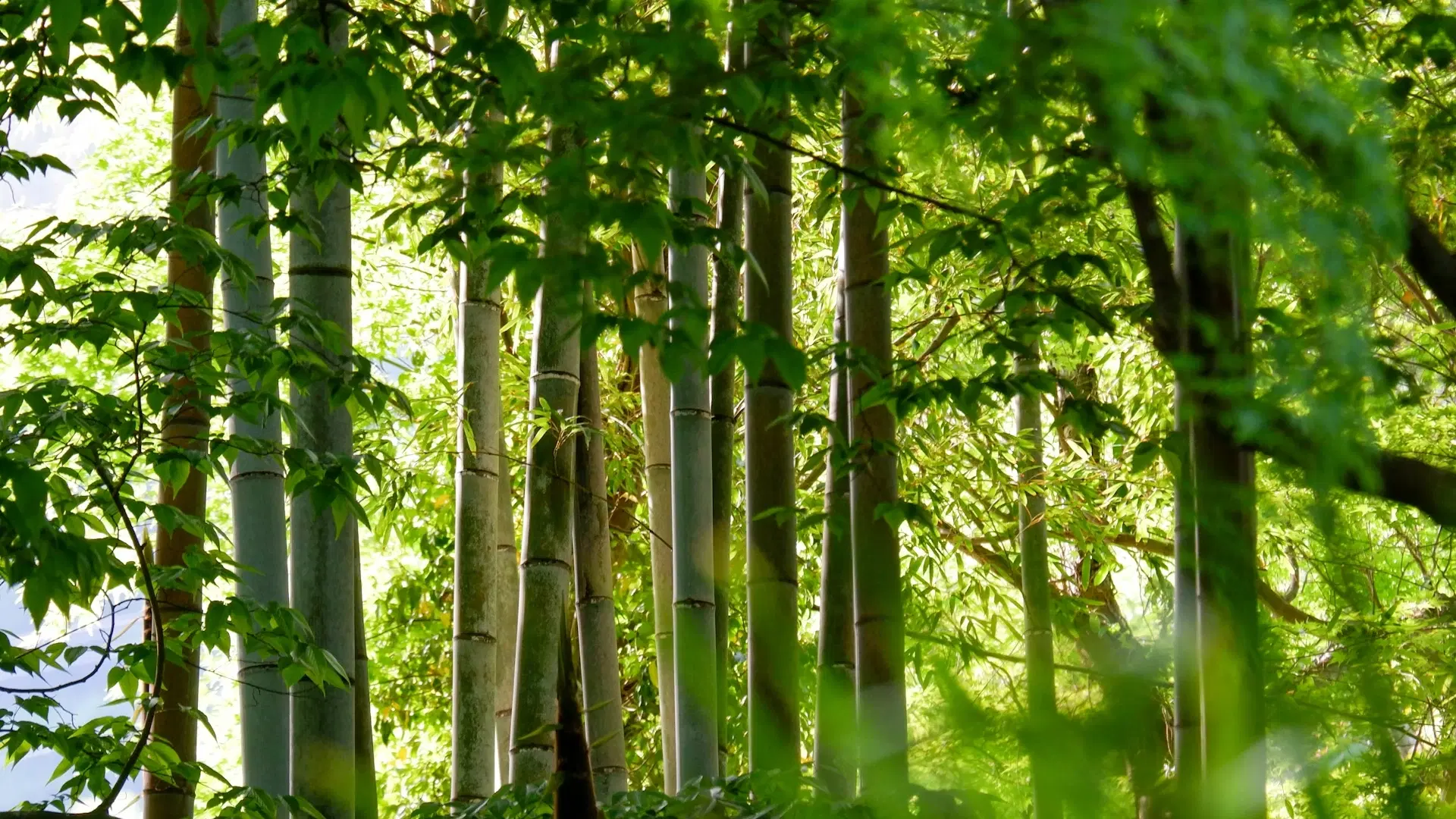
The Katsura River runs through the center of the town in a shallow, boulder-strewn course that narrows between the ryokans and temples lining its banks. The Tokko-no-yu, a small bathhouse at the river's edge said to have been struck from the rock by Kobo Daishi's staff, marks the legendary origin of the hot spring, and though the current structure is modern, the site retains a sacred quality that connects the act of bathing to the spiritual tradition from which it emerged. The bamboo-lined path that follows the river between the temple and the surrounding hills provides the town's most characteristic walk, its canopy filtering the light into patterns that shift with the seasons and the wind.
Shuzenji's literary associations run deep. Natsume Soseki stayed here during a period of severe illness in 1910, an episode that informed his novel Omoidasu Koto Nado and that gave the town a melancholic literary aura it has never entirely lost. Okamoto Kidou set his celebrated historical drama Shuzenji Monogatari in the town, drawing on the tragic history of the Minamoto clan members who were exiled and murdered here during the Kamakura period. These layers of narrative, historical and fictional, give Shuzenji a poetic density that most onsen towns, however beautiful their waters, cannot claim.
Shuzenji is a hot spring town that carries thirteen centuries of history within a valley so compact that the entirety of its charm can be walked in an afternoon, yet so layered that weeks would not exhaust its resonance.
Highlights
Shuzenji Temple, the Soto Zen institution at the town's spiritual center, occupies a hillside above the river and provides the orienting landmark for any visit. The temple's present buildings date to various periods of reconstruction, but the grounds, shaded by ancient cedars and maples, carry the accumulated atmosphere of twelve centuries of continuous practice. The approach, up a gentle flight of stone steps from the river, passes through a gate that frames the main hall against the forested hillside, and the view backward, over the tiled roofs of the town to the mountains beyond, establishes the relationship between sacred and domestic space that defines Shuzenji's character.
The bamboo grove on the hillside above the temple is Shuzenji's most visually striking natural feature. The tall madake bamboo, planted densely enough to create a cathedral-like canopy, lines a stone path that winds through the grove in a play of green light and vertical line that evokes the famous bamboo forests of western Kyoto but on a more intimate scale. The grove is particularly beautiful in the early morning, when mist from the river rises through the bamboo and the light enters at low angles, creating shafts of gold that cut through the green.
The network of small bridges crossing the Katsura River connects the various quarters of the town and provides a series of vantage points from which the relationship between water, stone, and architecture can be appreciated. The five bridges of love, a walking route that connects five red-painted bridges between the temple and the southern end of town, offer a structured way to explore the riverbank, each bridge named for a stage of romantic feeling. The conceit is charming rather than saccharine, and the walk between bridges passes through the most atmospheric sections of the old town, where ryokan gardens and temple walls meet the river's edge.
Culinary Scene
Shuzenji's cuisine benefits from the abundance of the Izu Peninsula, where mountain, river, and sea converge within a geography compact enough that the freshest ingredients from all three environments can appear on a single table. The wasabi grown in the clear-running streams of the Izu highlands is among the finest in Japan, its flavor sharper and more complex than the powdered substitutes that have replaced it elsewhere, and its presence at the Shuzenji table, freshly grated on a sharkskin oroshi, elevates every dish it accompanies. The local soba, prepared with buckwheat from the surrounding hills and served with wasabi rather than the conventional blend of condiments, is a preparation of austere beauty, the clean heat of the wasabi cutting through the earthy sweetness of the noodles.
The ryokan kaiseki in Shuzenji draws on the coastal catch of the Izu ports, the mountain vegetables of the interior, and the river fish that populate the Katsura and its tributaries. Amagoi, kinmedai, and other deep-water species from Suruga Bay appear alongside sansai and shiitake from the mountain forests, and the best kitchens compose meals that trace the peninsula's geography from coastline to summit. Izu shamo, a heritage breed of chicken raised in the peninsula's interior, appears in nabe and yakitori preparations whose depth of flavor reflects the bird's active life and varied diet.
The local onsen manju, steamed buns filled with red bean paste and sold from small shops along the river, are Shuzenji's most democratic culinary pleasure, their warm, slightly sweet dough a perfect accompaniment to a walk between baths on a cool afternoon.

Ryokans in Shizuoka
There are no ryokans in our guide listed in Shuzenji. See our selection across Shizuoka.
View ryokans in Shizuoka