Kanto
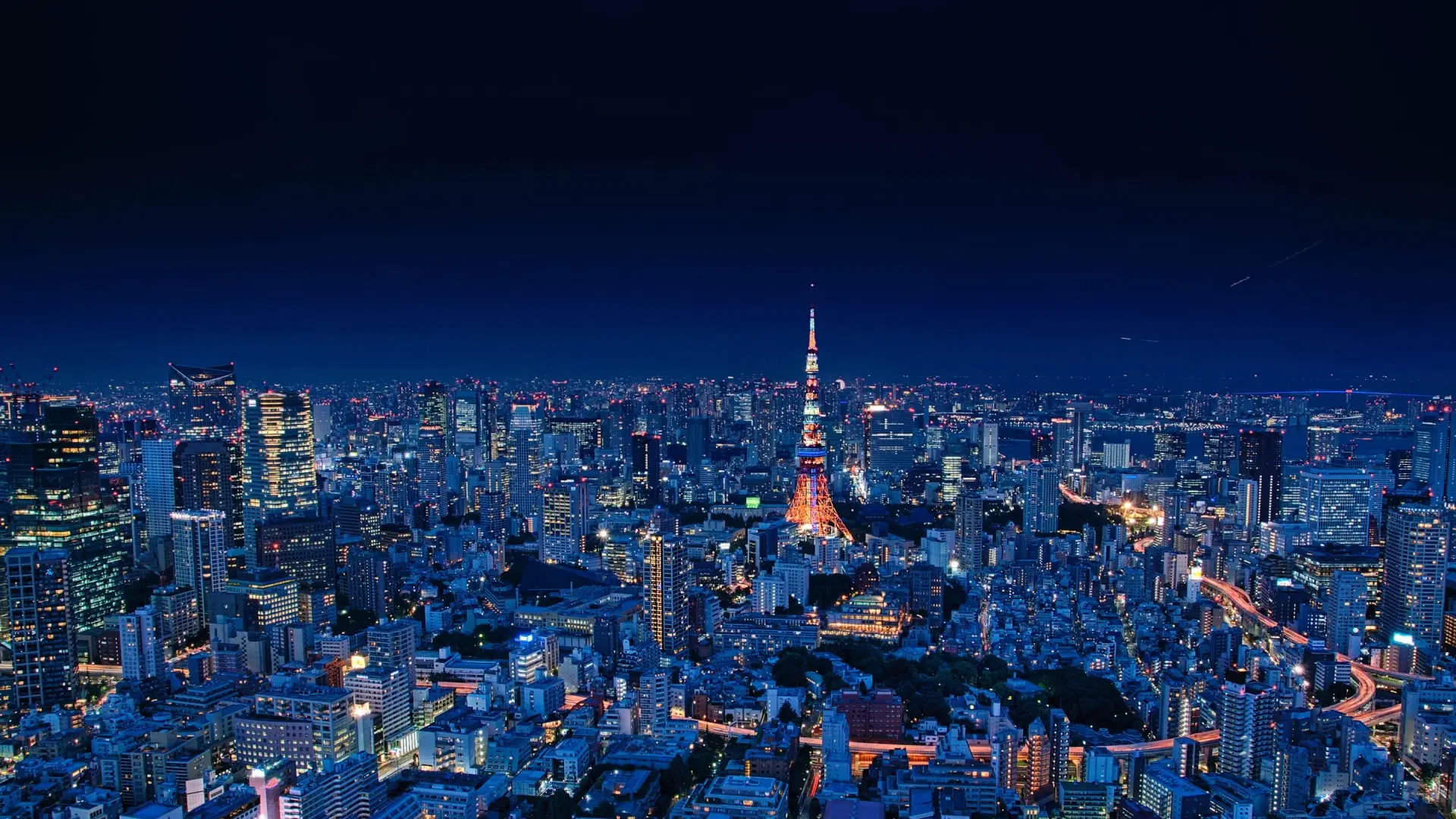
関東Kanto is paradox made geography. At its center sits Tokyo: the most populous metropolitan area on earth, a city of ceaseless reinvention where a Michelin-starred counter seating eight occupies a basement beneath a convenience store, and a twelfth-generation tofu maker operates steps from a glass tower by Kengo Kuma. The capital commands attention so completely that it is easy to forget the region extends well beyond it, into landscapes that offered refuge and spiritual renewal long before Tokugawa Ieyasu chose Edo as his seat of power.
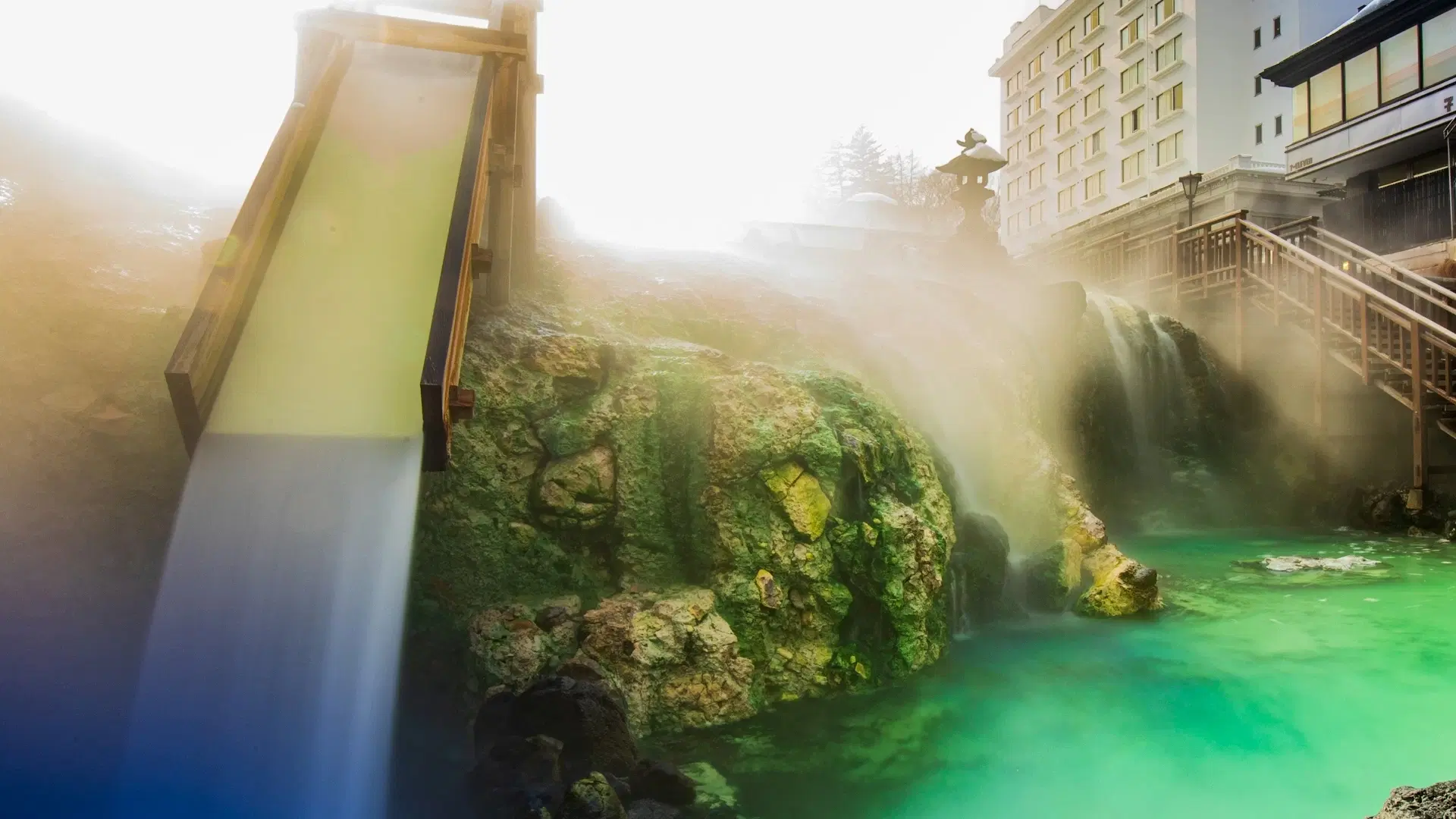
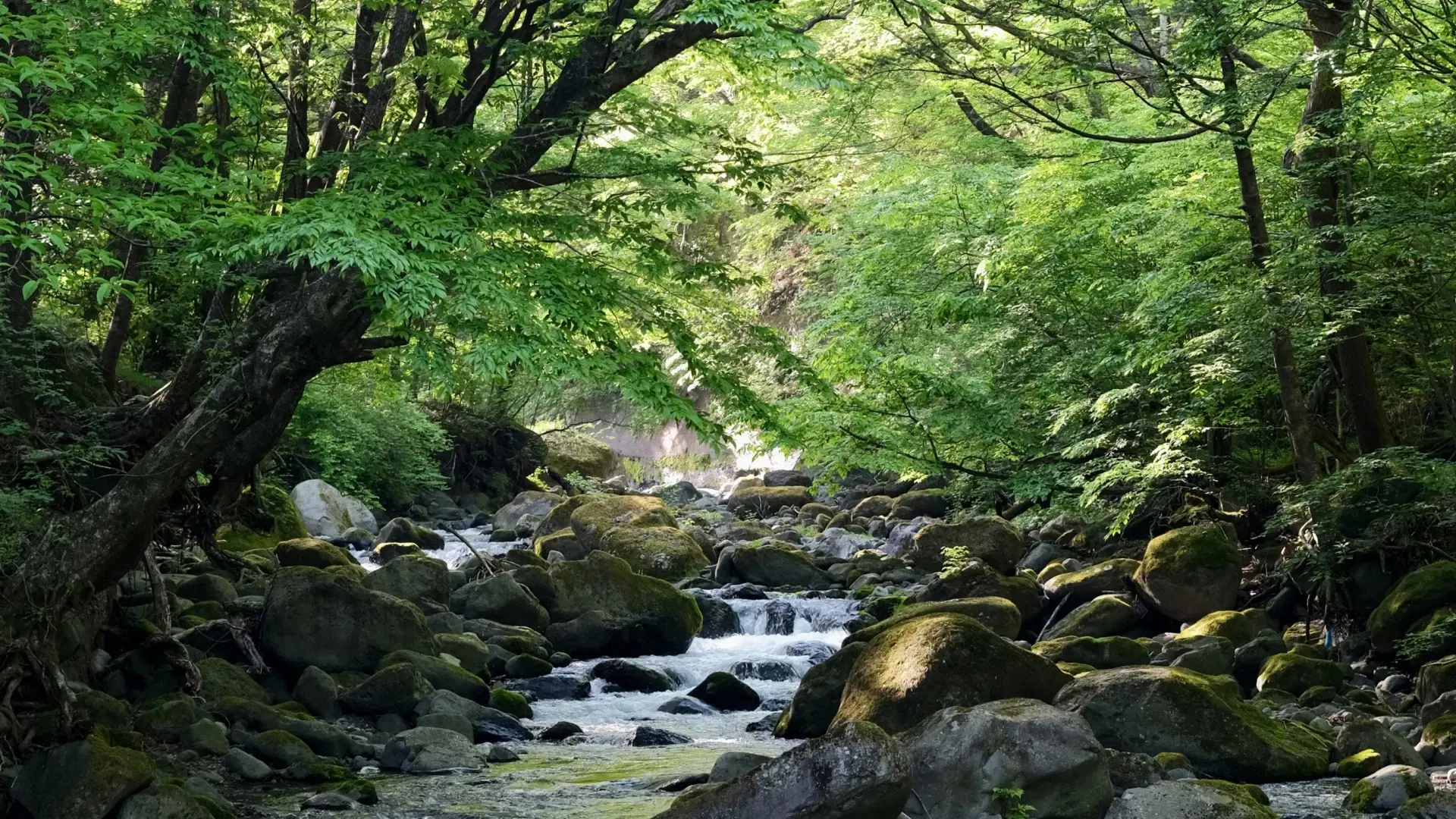
Nikko, in the mountains of Tochigi, houses the lavishly ornamented Toshogu shrine complex (the mausoleum of Ieyasu himself) surrounded by cryptomeria forests of almost oppressive majesty. Kamakura, the thirteenth-century shogunal capital south of Yokohama, scatters its temples and the great bronze Daibutsu along hillside trails where the past feels closer than the present. Hakone, straddling the Kanagawa-Shizuoka border, has been a hot spring retreat since the Nara period, its ryokan culture among the most refined in Japan, with views of Fuji-san across Ashinoko that constitute perhaps the most iconic tableau in Japanese travel.
Yet it is Tokyo itself that continually redefines what a ryokan experience can mean. A new generation of proprietors is reimagining traditional hospitality within the urban context: kaiseki dinners sourced from Tsukiji's outer market served in machiya-style dining rooms, rooftop rotenburo overlooking the Sumida River, tea ceremony conducted with the quiet authority of Urasenke tradition in a Roppongi townhouse. The tension between the ancient and the hypermodern is not a contradiction here; it is the region's animating energy.
Geography
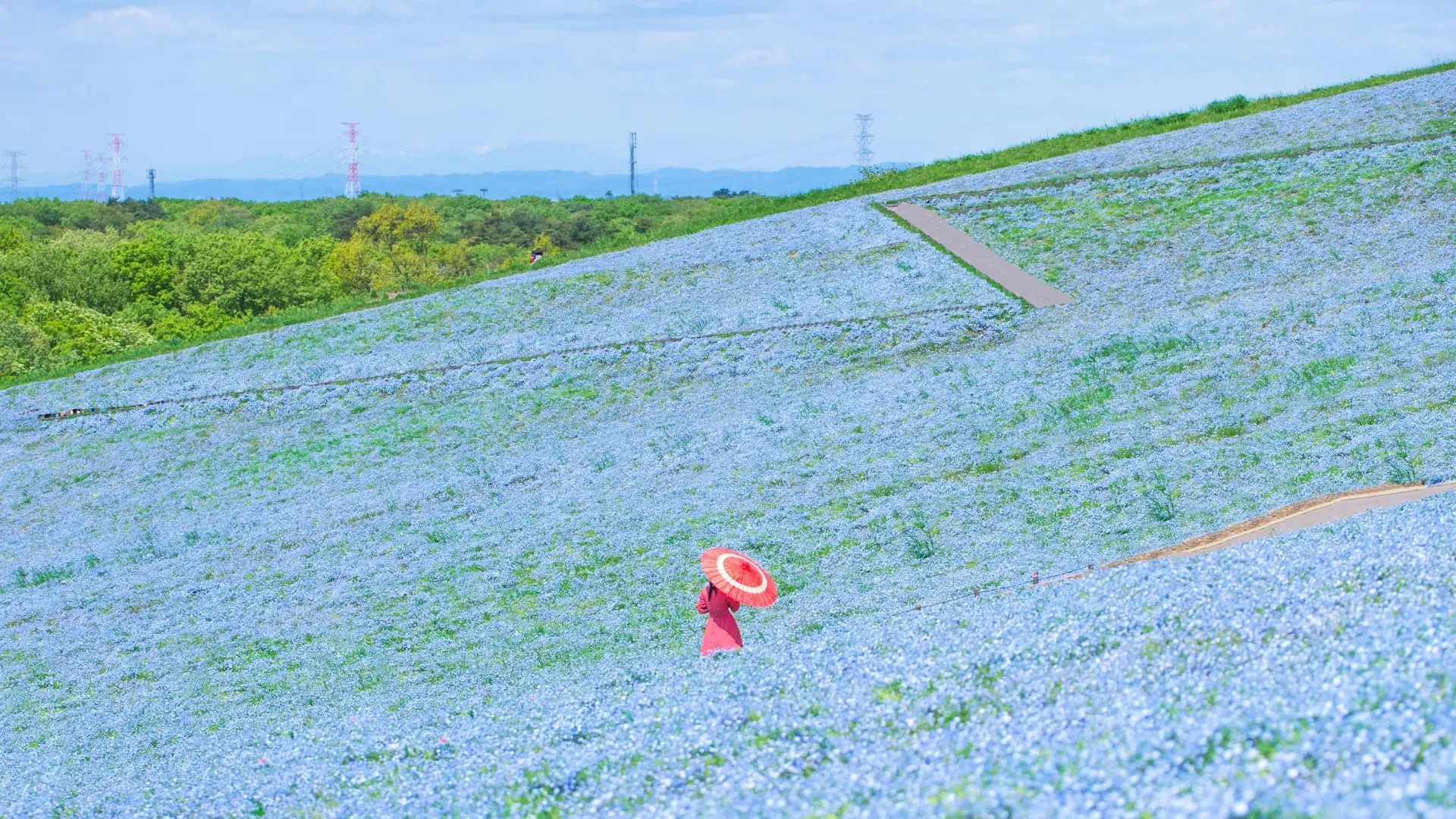
The Kanto Plain is the largest flatland in Japan, a vast alluvial expanse created by the Tone, Ara, and Tama rivers that enabled the explosive growth of Edo and its transformation into modern Tokyo. The plain's fertility (rice paddies, vegetable farms, and the famous Saitama tea fields) still feeds much of the capital, though suburban sprawl has consumed enormous tracts since the postwar era. To the west and north, the terrain rises sharply into the mountains of Chichibu, Nikko, and the volcanic heights around Nasu and Kusatsu.
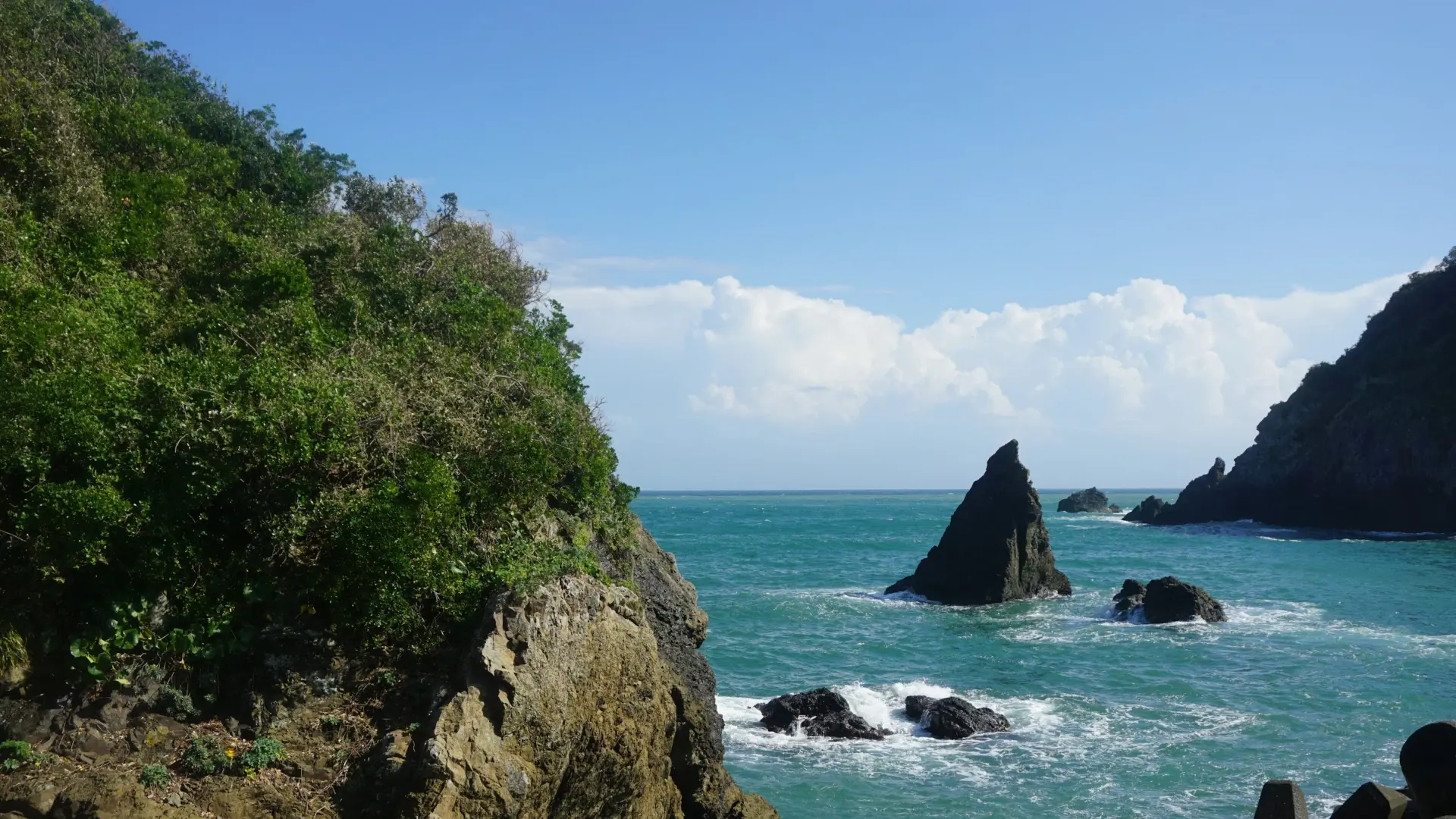
Hakone occupies a collapsed volcanic caldera whose geothermal activity feeds dozens of onsen, while Owakudani's sulfurous vents offer a visceral reminder of the forces beneath. The Boso Peninsula of Chiba juts into the Pacific with a gentler, almost Mediterranean character: terraced hillsides and fishing villages that feel far removed from Tokyo despite their proximity. The Shonan Coast and Miura Peninsula south of Yokohama provide the capital's nearest beaches, while the Oku-Tama region to the west preserves genuinely wild mountain terrain within ninety minutes of Shinjuku Station.
Culture
Kanto's cultural identity is inseparable from Tokyo's evolution: from the feudal order of Edo, through the Meiji embrace of Western modernity, to the postwar reinvention that produced the world's most sophisticated consumer culture. The Edo legacy persists in ways both visible and subtle: in the hierarchies of sumo at the Ryogoku Kokugikan, in the exacting standards of Nihonbashi's department stores, in the kabuki performances at the Kabukiza that continue a tradition unbroken since 1624. Asakusa's Senso-ji, Tokyo's oldest temple, anchors a neighborhood where Edo-period craft shops (hand-forged knives, handmade paper, indigo-dyed tenugui) operate with the same quiet pride as they did under the shoguns.
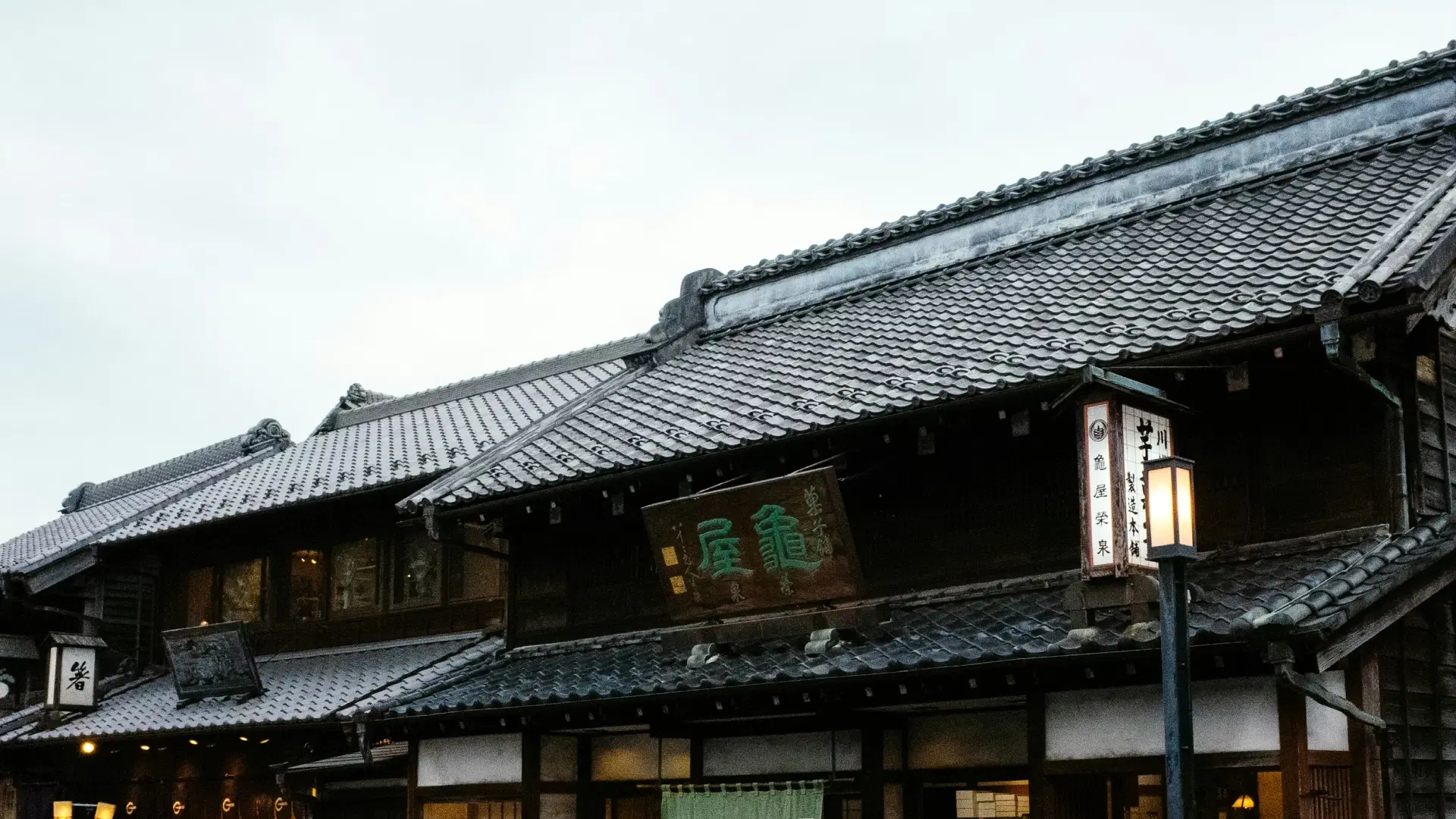
Beyond Tokyo, Kanto's cultural landscape includes Kamakura's Zen heritage (Engaku-ji and Kencho-ji remain active monasteries offering zazen to visitors) and Nikko's extraordinary synthesis of Shinto and Buddhist architecture, where the carvings of the Yomeimon Gate represent a baroque exuberance unique in Japanese aesthetics. Kawagoe, the "Little Edo" of Saitama, preserves a streetscape of kurazukuri merchant warehouses that offers a remarkably intact vision of pre-modern commercial life.
Cuisine
Tokyo is, by any reasonable measure, the greatest restaurant city on earth: more Michelin stars than Paris, a depth of specialization that supports restaurants devoted entirely to eel, to tempura, to a single variety of hand-pulled noodle. The Edomae tradition of sushi, born in the waters of Tokyo Bay, remains the global standard: the omakase counter at a Ginza or Tsukiji-adjacent sushiya, where a master with decades of experience presents nigiri of aging and seasoning calibrated to the individual cut, is one of gastronomy's supreme experiences. Tempura in the Edomae style (light, precise, each piece fried to order in sesame oil) reaches its apex at counters like Kondo or Mikawa Zezankyo.
Beyond the capital, Kanto's culinary identity includes Yokohama's Chinatown (the largest in Japan, with a dim sum and Cantonese roast meat tradition stretching back to the 1850s) and the soba culture of the region, where hand-cut buckwheat noodles are served with a concentrated dipping sauce that reflects Edo's preference for bold, assertive flavors. Tochigi's Nikko yuba, the delicate skin formed on heated soymilk, appears in kaiseki courses of remarkable subtlety, while Ibaraki's natto and Gunma's konnyaku represent the earthy, uncompromising side of Kanto's food heritage.