Utsunomiya
宇都宮Utsunomiya is a city that has staked its identity on a single dumpling. The prefectural capital of Tochigi, a bustling rail hub of half a million residents, has embraced the title of Japan's gyoza capital with a devotion that borders on the obsessive. Over two hundred gyoza shops operate within the city limits, their collective output sustaining a local economy in which the pan-fried dumpling is not merely a food but a civic institution. Statues of gyoza adorn public spaces, gyoza maps guide visitors from shop to shop, and the annual per-capita gyoza consumption here consistently ranks at or near the top of any Japanese city.
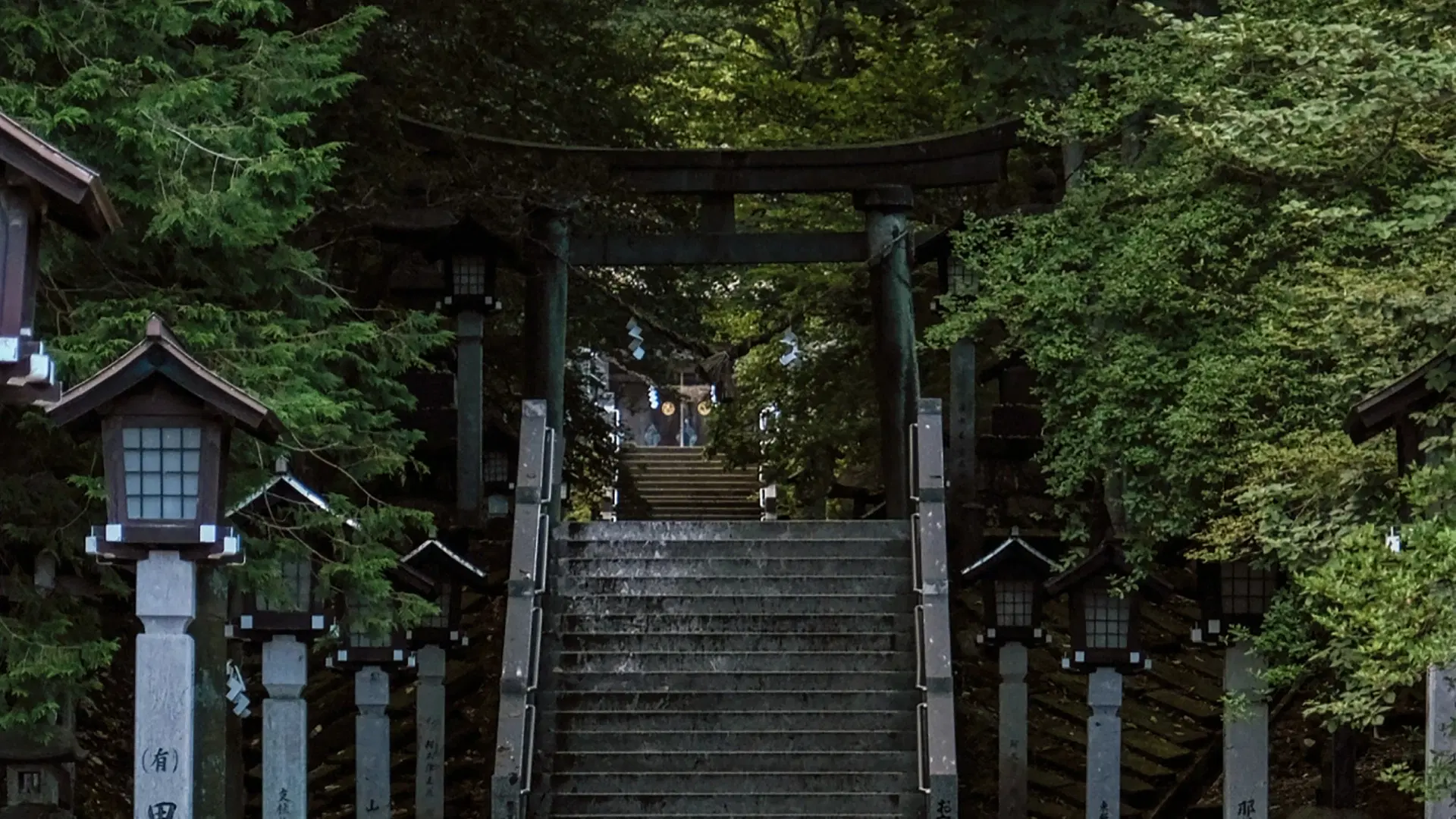
But Utsunomiya would be a mistake to reduce to a single dish. The city occupies a strategic position in the northern Kanto plain, serving as the gateway to Nikko's shrines and the highlands beyond. Futaarayama Shrine, perched on a forested hill in the city center, has anchored the community's spiritual life for over 1,500 years and offers an unexpected pocket of silence amid the urban grid. Oya, a suburb to the northwest, conceals an extraordinary underground quarry carved from volcanic tuff, its vast chambers now serving as a venue for concerts and art installations.
The Shinkansen has made Utsunomiya a viable day trip from Tokyo, barely fifty minutes door to door, but staying overnight allows you to experience the city's izakaya culture, where gyoza is merely the opening act in a broader culinary performance.
Utsunomiya is a city that has staked its identity on a single dumpling.
Highlights
The Oya History Museum is Utsunomiya's most surprising attraction. Descending into the former underground quarry, visitors enter a cathedral-like space carved from the pale green Oya stone, its walls marked by the chisel strokes of quarrymen who worked these chambers from the Edo period onward. The temperature drops noticeably underground, and the acoustics produce an eerie resonance that has attracted musicians and performers. The Oya stone itself is found throughout the region's architecture, most famously in Frank Lloyd Wright's Imperial Hotel in Tokyo.
Futaarayama Shrine, a short walk from the station, rewards a morning visit when the grounds are quiet and the light filters through the forest canopy. The shrine's autumn festival in October brings elaborate floats and a martial energy that reveals the city's deeper cultural roots. The adjacent Hachimanyama Park provides elevated views over the Kanto plain.
For the gyoza pilgrimage, the Miyuki-cho area south of the station concentrates the highest density of shops. Each establishment has its partisans, but the basic grammar is consistent: thin, crispy-bottomed wrappers enclosing fillings that emphasize local vegetables, particularly Chinese chives and cabbage, alongside pork. The best shops close when the day's supply runs out.
Culinary Scene
Gyoza dominates, and the Utsunomiya style is distinctive. The dumplings here tend to emphasize vegetables over meat, with generous proportions of nira chives and napa cabbage producing a lighter, more aromatic filling than the pork-heavy versions found in other regions. The wrappers are thin, achieving a shattering crispness on the pan-fried base while remaining supple on top. Ordering culture is also particular: a serving of gyoza is typically six pieces, eaten with a dipping mixture of soy, rice vinegar, and ra-yu chili oil that each diner adjusts to taste.
Beyond gyoza, Utsunomiya offers excellent Tochigi wagyu beef, local craft beer that has grown increasingly sophisticated, and Tochigi strawberries, particularly the Tochiotome and Tochiaika varieties, that appear in desserts and parfaits throughout the city from December through spring.
Ryokans in Tochigi
There are no ryokans in our guide listed in Utsunomiya. See our selection across Tochigi.
View ryokans in Tochigi