Nikko Toshogu Grand Spring Festival
日光東照宮春季大祭The Grand Spring Festival at Nikko Toshogu is a spectacle of Edo-period grandeur reanimated, a two-day ceremony in which one of Japan's most opulent shrine complexes becomes the stage for a procession of over one thousand costumed participants reenacting the transfer of Tokugawa Ieyasu's remains to Nikko in 1617. The Hyakumono-Zoroe Sennin Gyoretsu, the Procession of a Thousand Warriors, winds through the cryptomeria-lined approaches to the shrine in a cascade of Edo-era military finery that transforms the sacred mountain landscape into a living historical tableau.
The procession's participants wear meticulously reproduced armor, ceremonial robes, and Shinto priestly garments that represent the full hierarchy of the Tokugawa court, from mounted samurai in lacquered armor to court nobles in flowing silk, from shrine priests in white vestments to attendants carrying sacred objects in gilded palanquins. The effect is not of costume drama but of genuine ceremonial gravity, the participants' measured pace and composed bearing communicating a reverence that bridges four centuries of history.
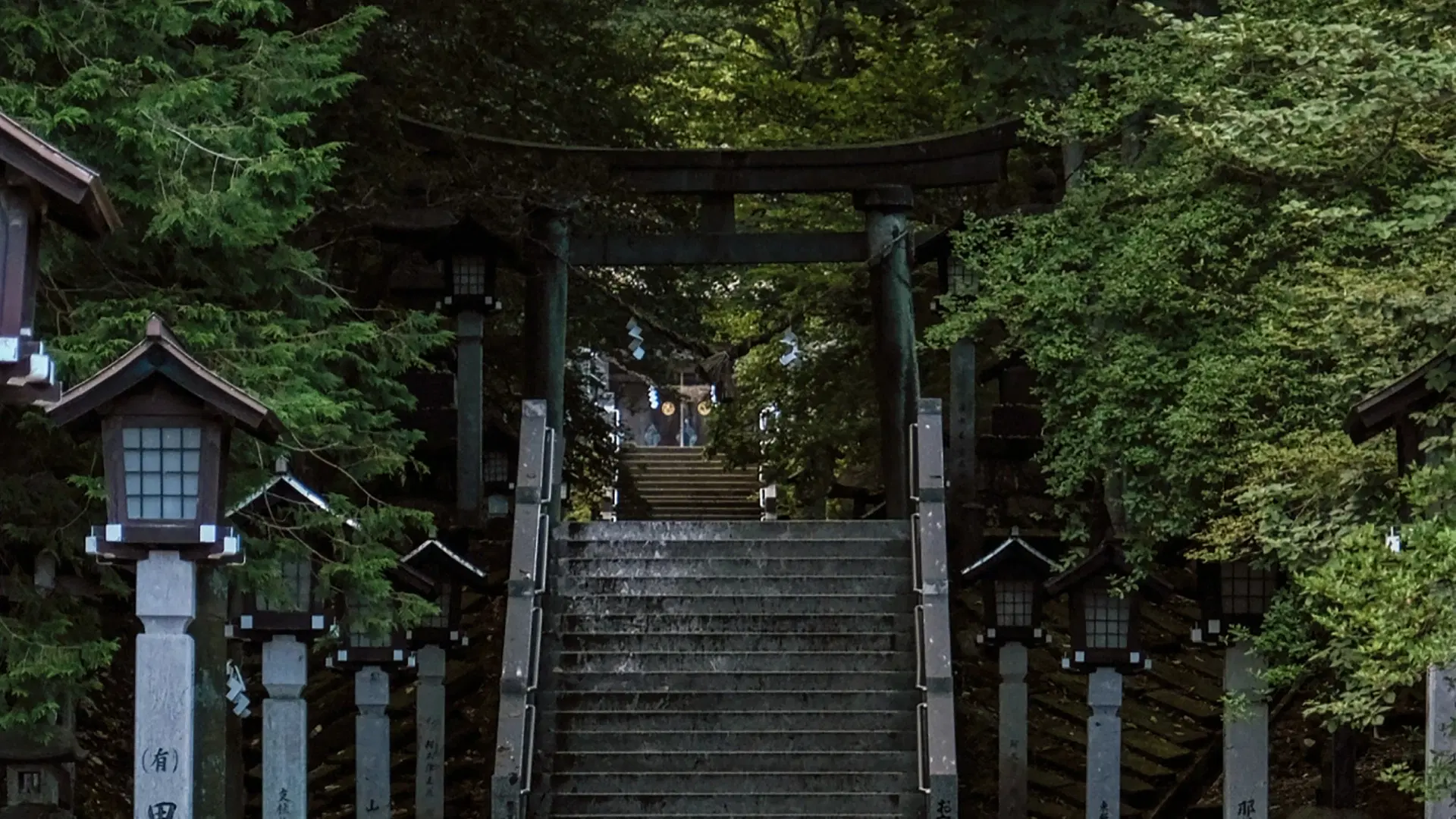
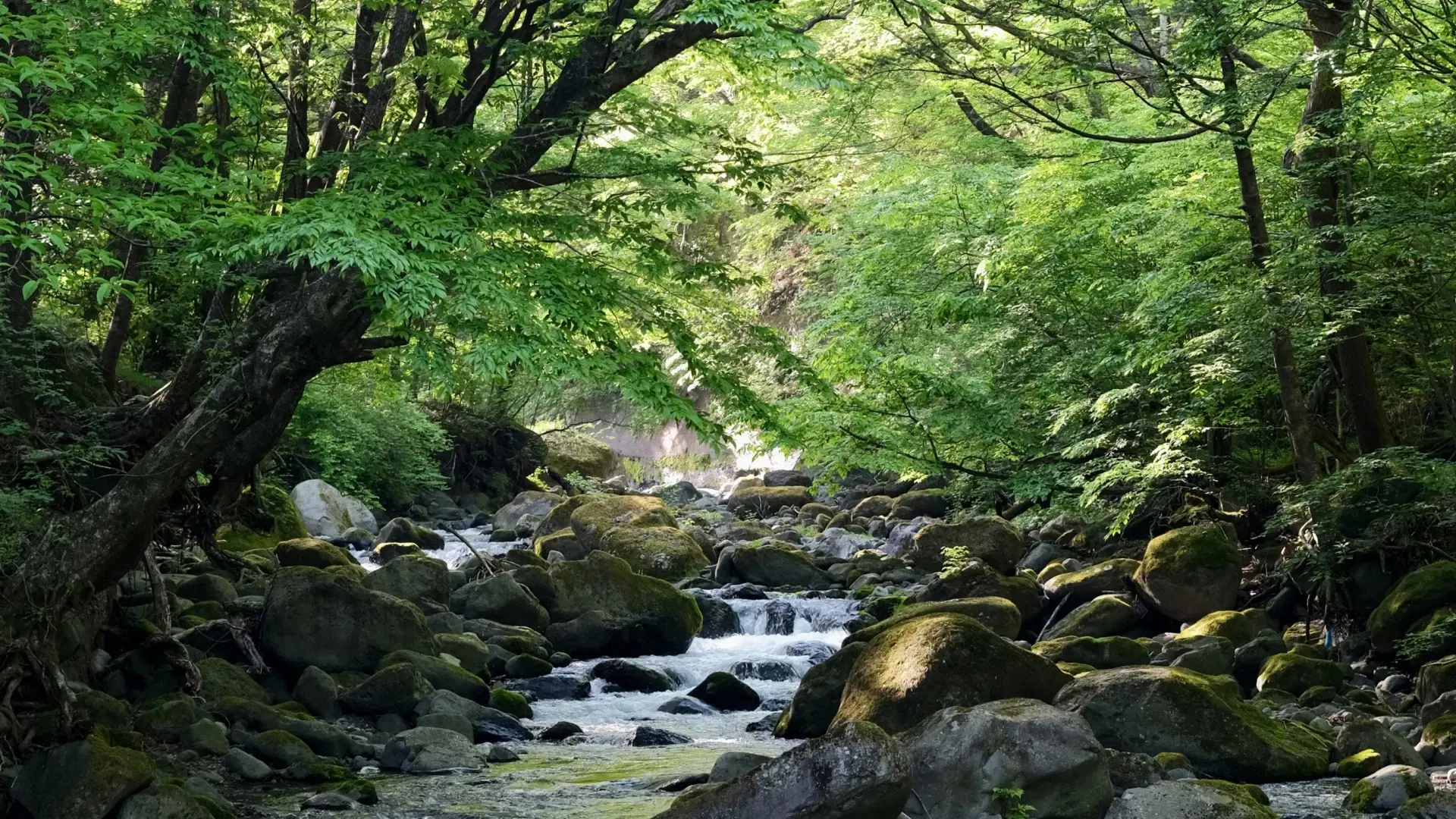
The setting amplifies the ceremony's power. Toshogu's architecture, among the most elaborately decorated in Japan, provides a backdrop of carved polychrome dragons, lacquered pillars, and gold leaf surfaces that match the procession's visual intensity. The ancient cryptomeria trees lining the approach, some over five hundred years old, create a natural cathedral whose scale dwarfs the human figures below, reminding observers that the ceremony operates within a landscape whose temporal rhythms exceed even the Tokugawa dynasty's considerable span.
History & Significance
Tokugawa Ieyasu, the founder of the Tokugawa shogunate that ruled Japan for two and a half centuries, died in 1616 and was initially interred at Kunozan in Shizuoka. His remains were transferred to Nikko the following year in a grand procession that expressed the new dynasty's power and the deification of its founder as the protector deity Tosho Daigongen. This original procession, a political and religious statement of the first order, established the template that the spring festival reproduces each year.
The festival was formalized during the Edo period as an annual event at which the shogunate reaffirmed its legitimacy through the veneration of its founder. After the Meiji Restoration ended Tokugawa rule in 1868, the festival survived as a religious and cultural tradition maintained by the shrine priesthood and local community, stripped of its political function but retaining its ceremonial splendor. The procession's continuation through the turbulence of the late nineteenth and twentieth centuries testifies to the deep roots it has established in Nikko's identity, the community's willingness to invest the considerable resources required to maintain costumes, equipment, and ceremonial knowledge across generations.
What to Expect
The Yabusame horseback archery on May 17 opens the festival with an athletic display of remarkable skill. Mounted archers in hunting costumes gallop along a straight course and release arrows at three wooden targets in rapid succession, the speed of the horse and the precision required creating moments of explosive grace. The archery takes place on a dedicated course near the shrine, and the proximity of the spectators to the galloping horses makes it a visceral as well as visual experience.
The Sennin Gyoretsu on May 18 is the festival's centerpiece. The procession begins at the Otabisho sanctuary and moves through the shrine's forest approaches to the main complex, the participants arranged in ceremonial order that reflects the original 1617 cortege. Armored samurai, their helmets crested with the Tokugawa hollyhock crest, march in disciplined ranks. Priests in elaborate vestments carry sacred implements. The mikoshi, portable shrines bearing the spirits of Ieyasu and two other deified shoguns, are carried by teams of bearers whose rhythmic chanting provides the procession's sonic foundation.
The procession passes through the Omotesando, the grand cedar-lined avenue, where spectators line both sides and the filtered light through the towering trees creates an atmosphere of natural solemnity. The entire procession takes approximately two hours to pass, its measured pace allowing detailed observation of the costumes, weapons, and sacred objects that constitute a portable museum of Edo-period material culture.