Nikko
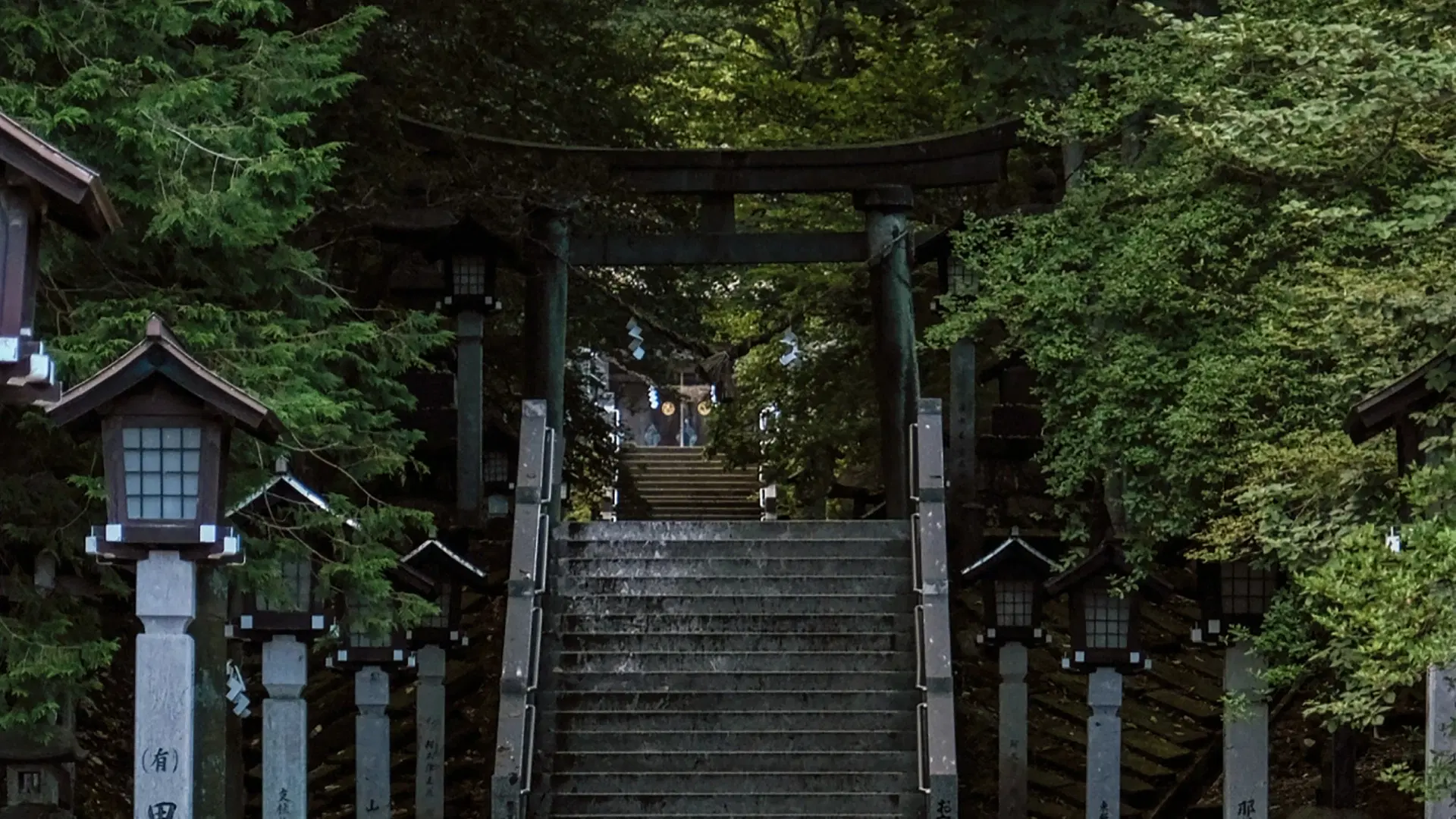
日光Nikko is where the sacred and the ornamental reach their simultaneous apex. The shrine and temple complex that earned UNESCO World Heritage status in 1999 concentrates a density of artistic achievement that few religious sites in Japan can match. Toshogu, the mausoleum of Tokugawa Ieyasu completed in 1636, deploys 5,173 individual carvings, extensive gold leaf, and polychrome lacquerwork across a mountainside compound set beneath cryptomeria cedars that were already ancient when the shrine was built. The famous dictum "Nikko wo mizu shite kekko to iu nakare" -- do not say splendid until you have seen Nikko -- is not idle boasting.
Yet the Toshogu's baroque intensity can obscure Nikko's other dimensions. Rinnoji temple, the Tendai Buddhist establishment that predates the Tokugawa presence by eight centuries, brings a contemplative gravity that balances Toshogu's exuberance. Futarasan Shrine, dedicated to the mountain deities, connects the complex to a landscape spirituality far older than any shogunate. Above the shrine precinct, the Irohazaka switchback road climbs to Lake Chuzenji and Kegon Falls, where the sacred geography expands into alpine territory of haunting beauty.
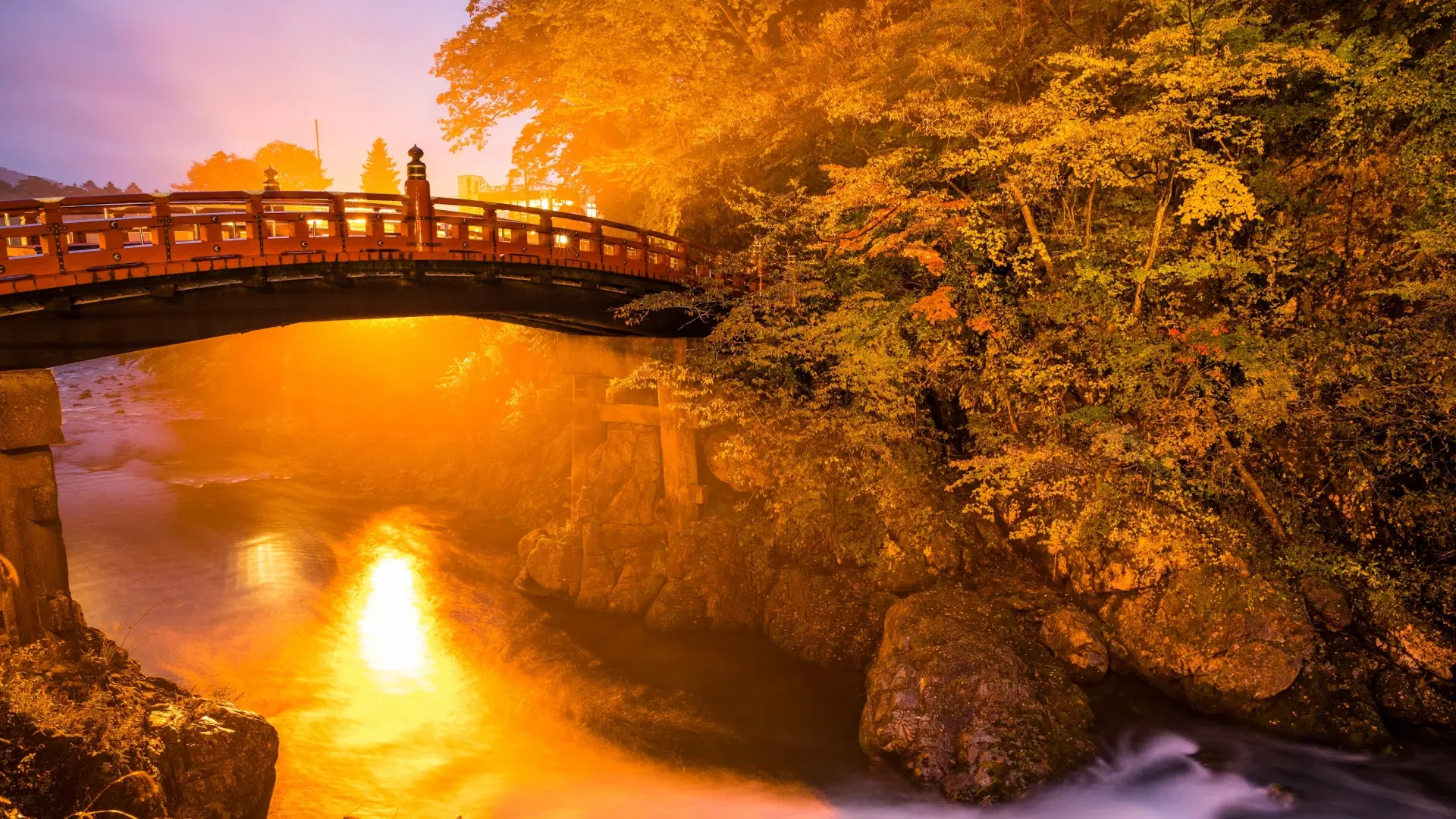
The town of Nikko itself, stretched along the Daiya River below the shrine approach, retains the character of a pilgrimage settlement. Yuba restaurants, souvenir shops selling carved woodwork, and small inns line the streets with an atmosphere that has changed less than you might expect since the first foreign diplomats visited in the Meiji era.
Nikko is where the sacred and the ornamental reach their simultaneous apex.
Highlights
Begin at Toshogu, but give it the time it demands. The Yomeimon Gate, sometimes called the Gate of the Setting Sun because visitors lose track of time studying its carvings, is the complex's masterpiece: over 500 sculptures of dragons, phoenixes, sages, and children cover every surface in a display that challenges the eye to take it all in. The sleeping cat carving by Hidari Jingoro guards the path to Ieyasu's tomb at the summit, a climb of two hundred stone steps that ends in startling simplicity, a modest bronze pagoda beneath towering cedars.
Above the shrine district, the road climbs through 48 hairpin curves to the elevated plateau where Lake Chuzenji and Kegon Falls await. Kegon, plunging 97 meters in a single curtain of water, is best viewed from the observation platform reached by elevator through the cliff. In autumn, the lake and surrounding mountains produce foliage of extraordinary intensity, the reflection of crimson maples in the still water creating a symmetry that feels almost artificial in its perfection.
For a quieter immersion, the Kanmangafuchi Abyss trail follows the Daiya River past rows of stone Jizo statues, their features softened by moss and weather, standing in silent procession beneath the cedar canopy. This walk, rarely crowded, captures a dimension of Nikko that the main shrine precinct cannot: the passage of time itself.
Culinary Scene
Yuba is the soul of Nikko's table. This delicate film skimmed from the surface of heated soymilk has been prepared here for centuries to meet the dietary needs of Buddhist monks, and today it appears in nearly every restaurant in town. Fresh yuba, silky and subtly sweet, is served as sashimi with wasabi and soy. Dried yuba is layered into elaborate kaiseki courses, wrapped around seasonal vegetables, or simmered in dashi. The finest yuba restaurants near the shrine approach offer multi-course meals that demonstrate the ingredient's remarkable versatility.
Beyond yuba, Nikko produces excellent soba from mountain-grown buckwheat, and several establishments near Tobu Nikko Station serve hand-cut noodles of a quality that rivals more famous soba regions. The local wagashi, particularly manju filled with sweet bean paste and stamped with the Toshogu's mon crest, make elegant souvenirs.