Nasu
那須Nasu is the Kanto region's highland escape, an elevated plateau at the northern edge of Tochigi where the air thins, the dairy cows graze on emerald pastures, and the volcanic peak of Mount Chausu sends sulfurous plumes into the sky. The imperial family's summer villa has occupied these grounds since the Meiji era, a choice that speaks to the quality of the air and the restorative beauty of the landscape. Where the lowland Kanto plain bakes in August humidity, Nasu remains cool enough for light jackets by evening.
The area is not a single town but a dispersal of attractions across a forested highland that climbs from approximately 300 meters at its southern edge to over 1,900 meters at the summit of Chausu. Between these elevations, a web of scenic roads connects art museums, cheese factories, hiking trailheads, and onsen inns of considerable variety. The Nasu Onsen district alone encompasses seven distinct hot spring sources, each with its own mineral composition and therapeutic reputation, collectively known as the Nasu Nana-yu, the Seven Waters of Nasu.
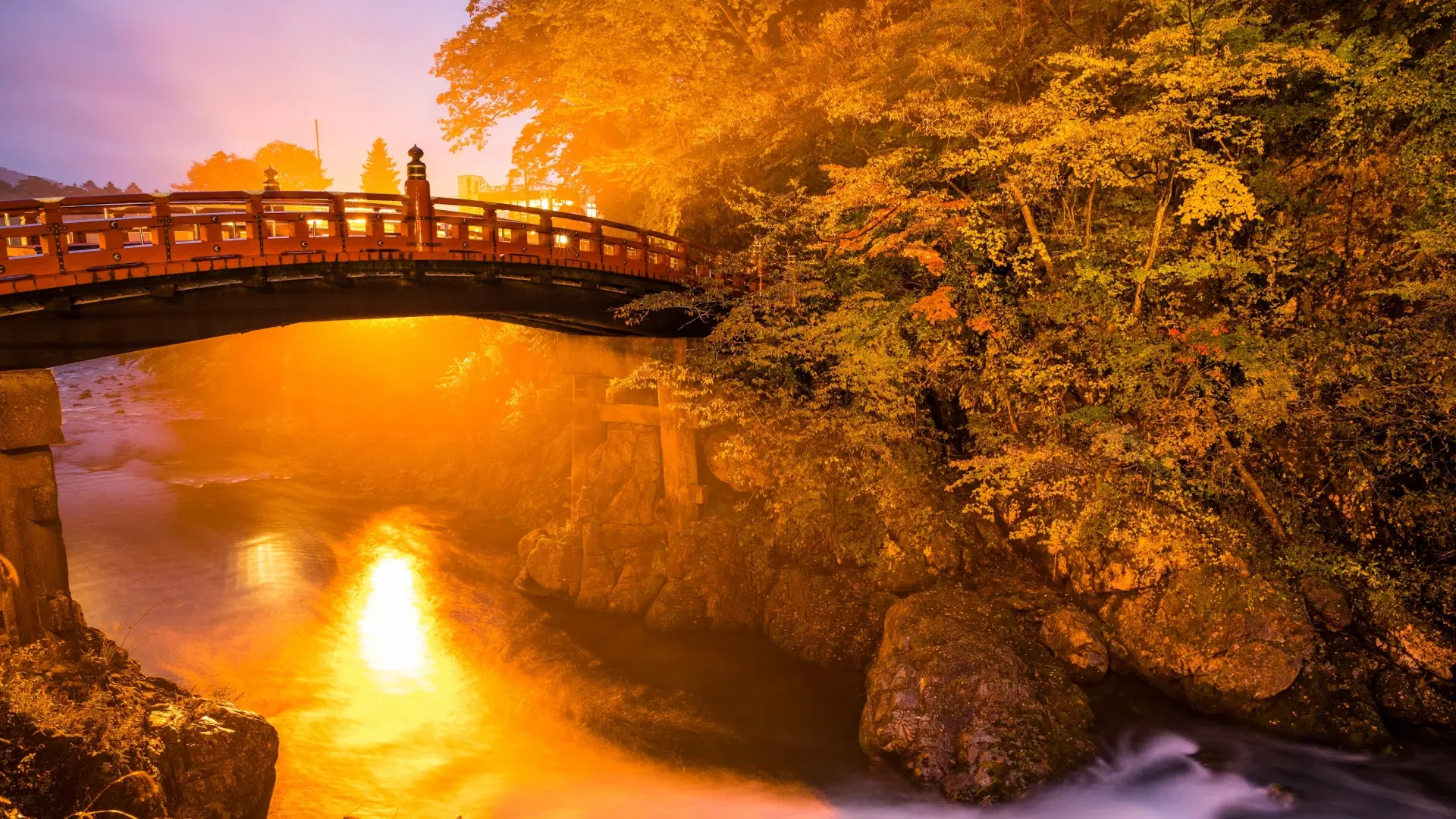
This is also one of the Kanto region's finest autumn destinations. When the deciduous forests that cloak the mountain slopes turn in October, the effect is amplified by elevation: the color sweeps downhill over several weeks, allowing visitors to chase the peak from summit to valley floor.
Nasu is the Kanto region's highland escape, an elevated plateau at the northern edge of Tochigi where the air thins, the dairy cows graze on emerald pastures, and the volcanic peak of Mount Chausu sends sulfurous plumes into the sky.
Highlights
The hike to Mount Chausu's summit is the defining highland experience. The trail from the Nasu Ropeway summit station traverses a volcanic landscape of steaming fumaroles, bare rock, and stunted alpine vegetation before reaching the crater rim at 1,915 meters. The views encompass the Kanto plain to the south and the Tohoku mountains to the north, a panorama that justifies the effort. The Sesshoseki, a legendary "killing stone" at the mountain's base where volcanic gases once felled birds and animals, carries a mythology involving a nine-tailed fox that enriches the landscape with narrative depth.
The Nasu Highland's art museums, scattered along the scenic roads, include the Nasu Stained Glass Museum, housed in a building modeled after a Cotswolds manor, and the Eremo di Galileo, an Italian-influenced gallery set in gardens. These cultural pauses complement the natural attractions without competing with them.
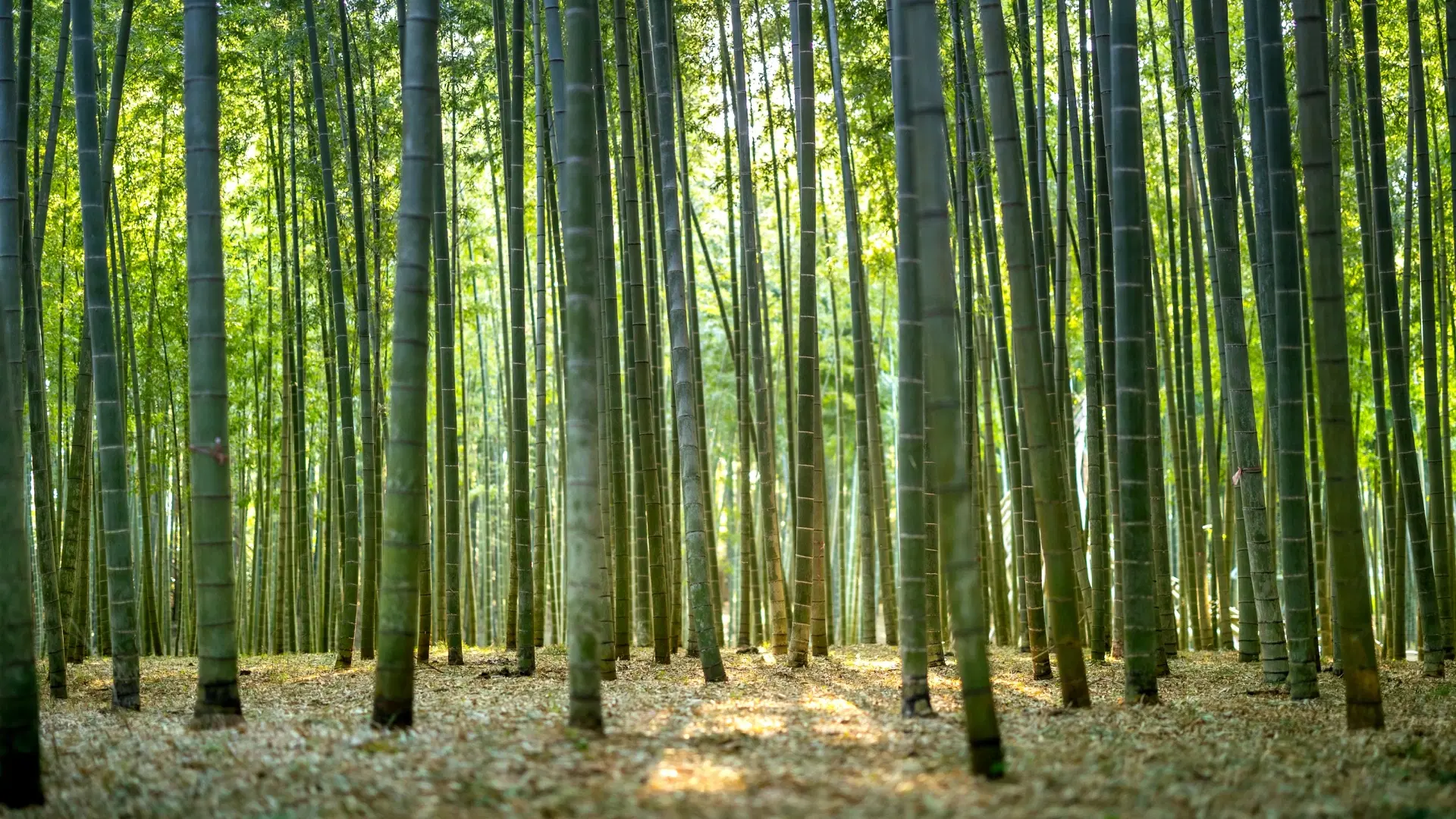
For those seeking quieter immersion, the Heisei no Mori, the imperial estate grounds opened to the public for guided autumn walks, offers pristine forest trails through beech and oak stands that have been protected from logging for over a century. The experience of walking through a forest that has been preserved by imperial decree carries a particular resonance.
Culinary Scene
Nasu's cuisine reflects its elevation and pastoral character. The highland dairies produce milk, cheese, and soft-serve ice cream of exceptional richness, and several farms offer tastings and tours. Nasu wagyu, raised on the highland pastures, appears in local restaurants as steak, sukiyaki, and hambagu. The volcanic soil supports excellent vegetable cultivation, and roadside farm stands sell tomatoes, corn, and blueberries in season.
The onsen ryokans of the highland serve kaiseki dinners that draw on both mountain and plain, combining wild mushrooms, river fish, and foraged vegetables with the agricultural bounty of the Tochigi lowlands. Local craft breweries and wineries have established a growing reputation, producing beverages that pair naturally with the highland cuisine.